


1 Hotel Central Park Area Rallies Intensify Over Carriage Horse Ban
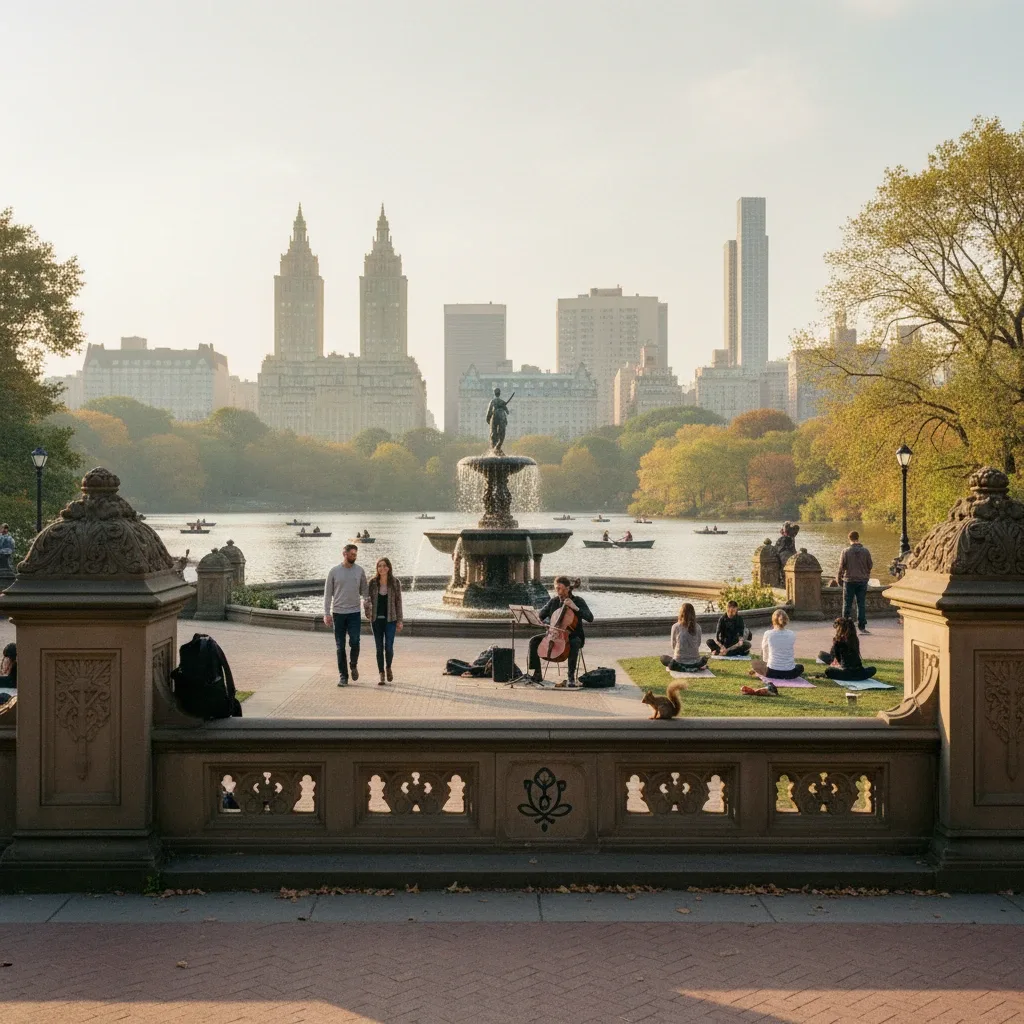
NEW YORK — Council Member Robert Holden introduced an amended bill Thursday to ban horse-drawn carriages and transition to electric vehicles, city records show. This legislative push comes after a 16-year-old carriage horse collapsed and died on Central Park South earlier this month, sparking intense protests near 1 hotel central park.
City Council Mobilizes Following Central Park South Horse Collapse
Legislators in Manhattan are fast-tracking a citywide safety audit after a veteran carriage horse collapsed on West 59th Street during a peak tourism afternoon, according to CBS News. The tragic incident, which unfolded in front of dozens of summer visitors near the West 59th Street park entrance near Sixth Avenue, has reignited the decades-long debate over animal welfare in urban environments.
First responders from the NYPD's 22nd Precinct, which patrolled the carriage stands, arrived within minutes but were unable to revive the animal. Local business owners reported that the immediate area was cordoned off for more than three hours while city veterinarians conducted an initial on-site examination.
Advocates Convene Near 1 Hotel Central Park to Demand Ryder's Law
On Thursday afternoon, as the early summer sun filtered through the canopy above the paved paths of Central Park South, the familiar sound of clip-clopping hooves was drowned out by the chants of dozens of animal welfare advocates. Protesters carrying banners and megaphone-wielding activists assembled directly opposite the historic Grand Army Plaza carriage stand, demanding the immediate passage of Ryder's Law.
"This tragic loss of life on our city streets shows that horse carriages simply do not belong in modern Manhattan," Council Member Robert Holden said in a statement released Thursday. Holden added that the proposed legislation would replace the traditional horse-drawn carriages with vintage-style electric brass cars, preserving tourism jobs while protecting animals.
Many of the demonstrators focused their efforts near the luxury corridors of Central Park South, spreading awareness to visitors staying at the nearby 1 hotel central park. Activists from the animal advocacy group NYCLASS distributed informational pamphlets highlighting the dangers of forcing large draft horses to navigate heavy Midtown traffic, extreme asphalt temperatures, and loud sirens.
Carriage Industry Cites Safety Protocols and Veterinary Records
Representatives from the Historic Horse-Drawn Carriages of Central Park group defended their industry, asserting that the vast majority of drivers adhere to strict wellness guidelines and city-mandated health checks. Industry leaders pointed to historical veterinary records showing that the deceased horse had received a clean bill of health during its quarterly inspection in April.
According to People, the carriage drivers argue that the electric vehicle alternative proposed by city council members would destroy a beloved New York tradition that supports hundreds of working-class families. Carriage operators have called for collaborative safety improvements rather than an outright ban, proposing modified operating hours during high-temperature advisories.
Alternative Electric Carriage Proposals Spark Labor Disputes
Labor unions representing the carriage drivers have expressed strong opposition to Holden's proposed transition plan, claiming it fails to address the unique skills of current operators. Representatives from the Transport Workers Union Local 100 argued that replacing horses with electric vehicles would lead to massive job losses and long-term economic instability for Midtown horse stables.
Earlier this month, a Central Park carriage horse collapse triggers NYPD investigation that examined whether driver negligence or extreme heat contributed to the animal's sudden death. City regulators are currently analyzing the investigation's findings to determine if existing horse carriage operating limits need immediate adjustments.
According to ABC7 News, advocates argue that transition funding could help drivers transition to the new low-speed electric carriages. The proposed electric vehicles would operate along the same designated routes inside the park, keeping the tourist experience intact without using animals.
Public Safety Inspections Enforced Near 1 Hotel Central Park Entrance
Following the public outcry, the New York City Department of Consumer and Worker Protection announced a sudden increase in unannounced stable inspections. Inspectors are monitoring horse hydration levels, shoe conditions, and weight limits at the carriage stands located adjacent to 1 hotel central park.
These safety enforcement sweeps will continue throughout the summer peak season when pedestrian and vehicular traffic reach their highest volumes. City officials confirmed that any carriage driver found violating the strict heat index rules, which prohibit operations when temperatures exceed 90 degrees, will face immediate license suspension and heavy fines.
Frequently Asked Questions
What is Ryder's Law and how would it affect Central Park horse carriages?
Ryder's Law is a proposed New York City Council bill designed to ban horse-drawn carriages and replace them with low-speed, vintage-style electric vehicles. The bill is named after Ryder, a carriage horse that collapsed on a hot Manhattan street in 2022, sparking a nationwide conversation about animal treatment in urban tourist centers. If passed, the law would phase out horse-drawn operations entirely, retraining current drivers to operate the electric alternative.
Where can visitors currently find horse carriage rides in Central Park?
Horse-drawn carriages operate primarily along Central Park South, with major pickup stands located near Grand Army Plaza at Fifth Avenue and near the West 59th Street entrance. These carriages are restricted to designated paths inside the park's lower loop and are not permitted to travel on major city streets during peak commuter hours. Visitors can learn more about current safety guidelines by checking official updates from the New York City Department of Consumer and Worker Protection.
How do city regulators monitor the health and safety of the carriage horses?
Under current New York City laws, carriage horses undergo mandatory quarterly veterinary examinations and are subject to daily temperature monitoring. Carriages are legally barred from operating when the air temperature reaches 90 degrees Fahrenheit or when the wind chill drops below 19 degrees Fahrenheit. Additionally, the Department of Consumer and Worker Protection conducts random spot checks at the stables located on Manhattan's West Side.
Related Articles
More in Visitor Guide →
A Guide to Central Park's Top Activities and Best Things to Do in 2026
Discover the best things to do in Central Park, NYC, with our comprehensive 2026 guide to iconic landmarks, activities, and hidden gems for visitors.
A Guide to What to Know About the Vatican Obelisk in Central Park 2026
Discover what to know about the Vatican Obelisk (Cleopatra's Needle) in Central Park, its history, journey to NYC, and where to find it in 2026.
A Complete Guide to the Central Park Reservoir: What to Know Before You Visit
Discover everything you need to know about the Central Park Reservoir: its history, running track, wildlife, best views, and visitor tips for 2026.
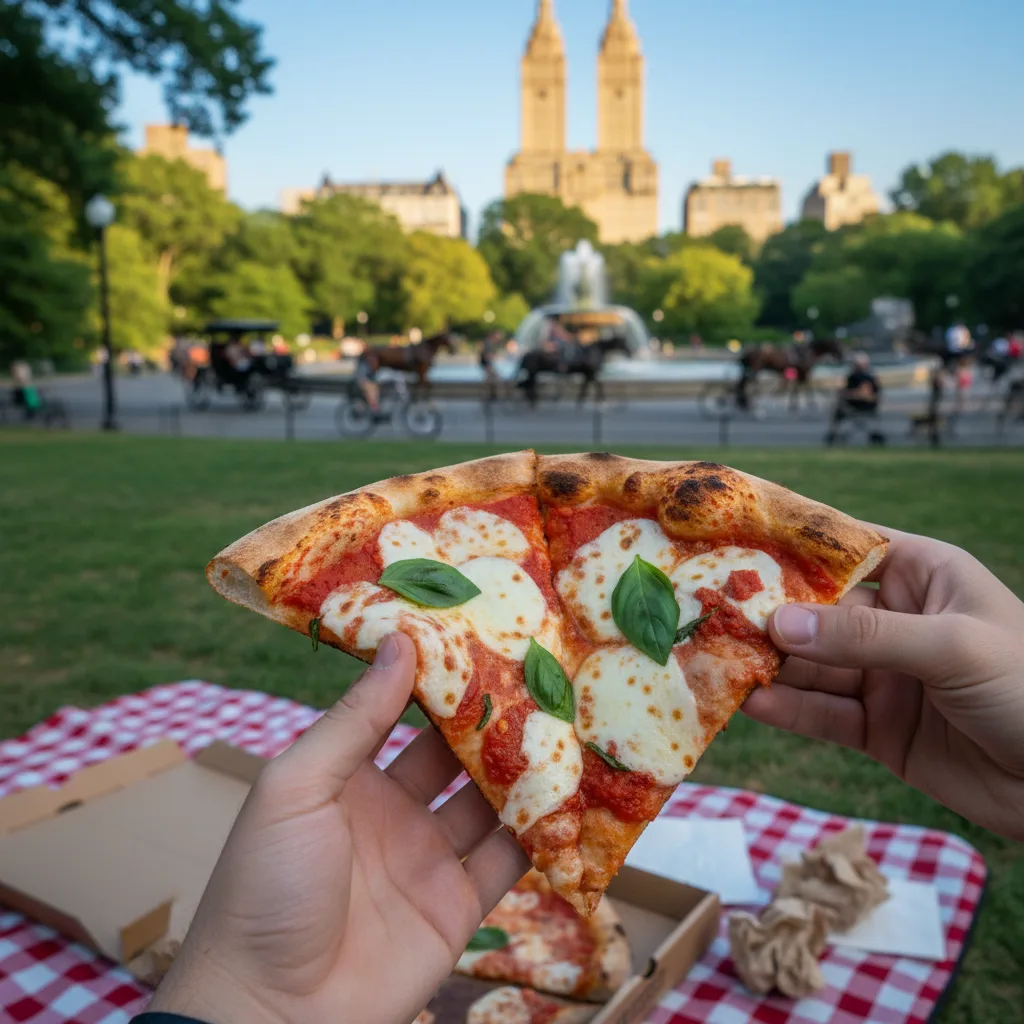
A Guide to Central Park's Top 5 Pizzerias: The Best Slices Near You in NYC
Discover the top 5 pizzerias near Central Park, NYC. This guide helps you find the best slices, from historic institutions to modern favorites.
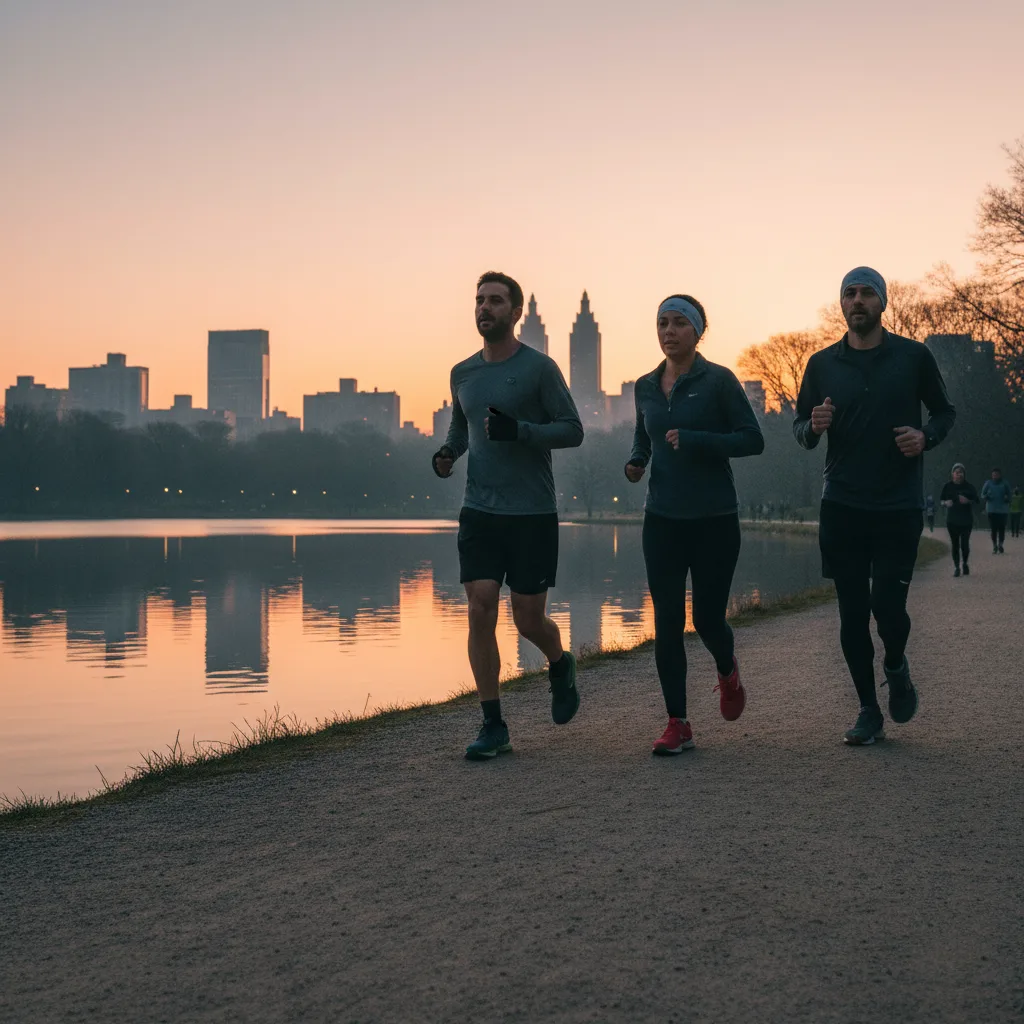
Central Park Offers Daily Public Access From 6 AM to 1 AM
Central Park maintains extensive daily public access from 6:00 am to 1:00 am, offering a continuous urban sanctuary for millions of visitors.
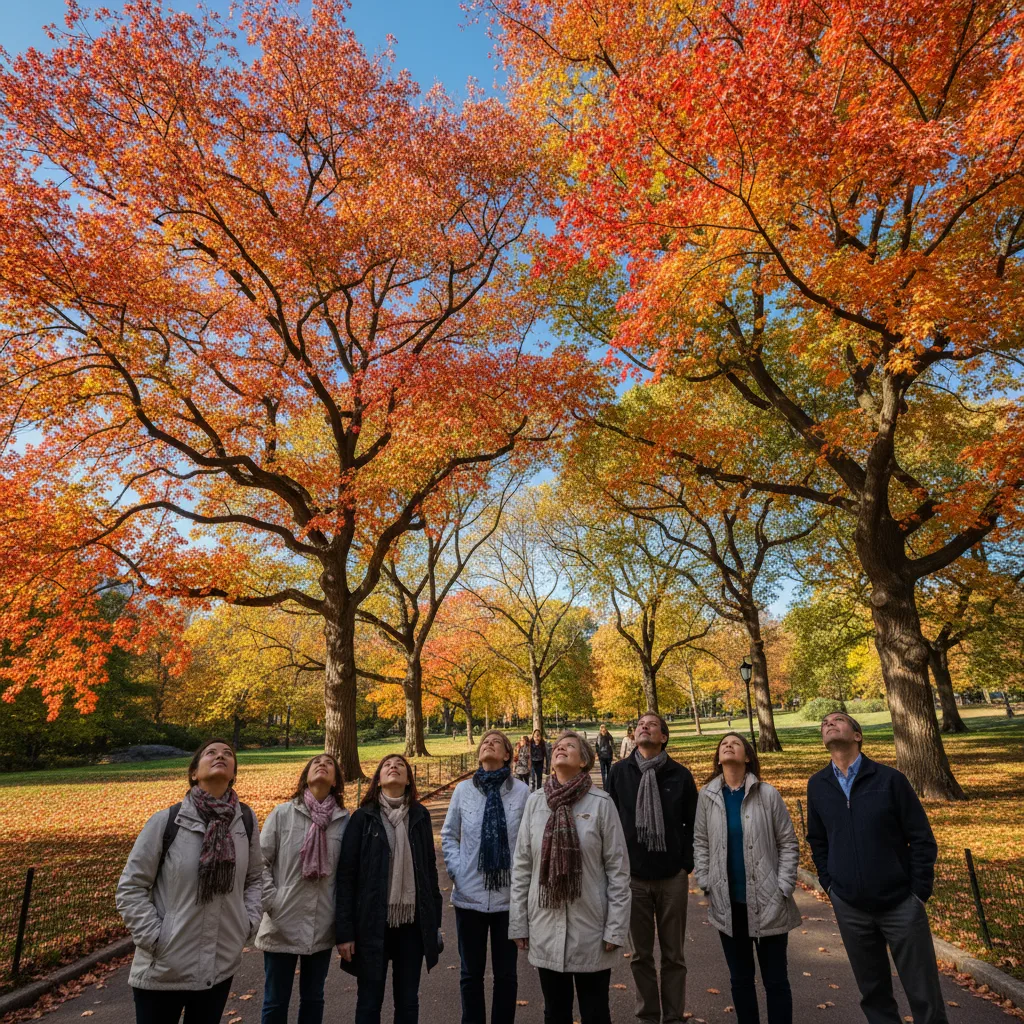
Central Park Conservancy Updates Calendar with Fall Foliage Trackers
The Central Park Conservancy has updated its calendar with fall foliage trackers and seasonal activities, guiding visitors to experience the park's autumn beauty and diverse offerings. The new resources aim to enhance planning for iconic views and events.