


Midtown North Commander Orders Traffic Diversion Near Central Park South
NEW YORK — NYPD Midtown North Precinct Commander Deputy Inspector Gerard Dowling ordered a tactical traffic diversion near Central Park South on Tuesday afternoon after a carriage horse collapsed in the roadway, according to CBS News. The immediate intervention blocked multiple westbound lanes as veterinarians rushed to the scene.
Emergency Response Near Central Park South Intersection
The incident occurred shortly after 2:30 p.m. near the bustling intersection of West 59th Street and Seventh Avenue. Emergency dispatchers routed NYPD units and specialized equine veterinarians to the location within six minutes of the initial 911 calls.
Two NYPD patrol cars parked crosswise across the transverse road to prevent oncoming traffic from striking the downed animal. Passersby gathered along the stone perimeter wall to watch the medical crew administer emergency fluids.
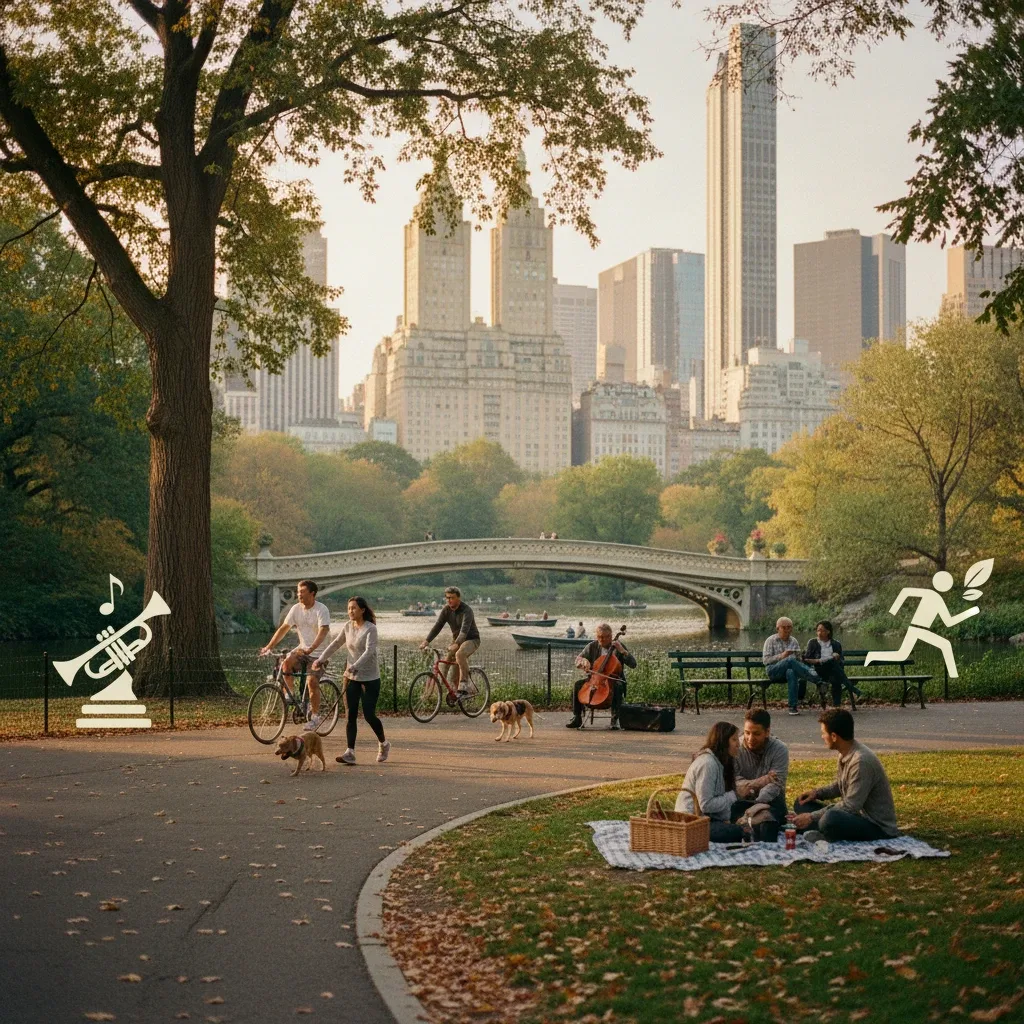
The afternoon light filtered through the autumn canopy as carriage drivers and tourists watched the emergency response unfold near the park's edge. Officers cordoned off the immediate area, directing vehicles onto alternative uptown paths.
Animal Advocacy Groups Renew Calls for Carriage Ban
The sudden collapse immediately reignited the long-running municipal debate over the ethics of horse-drawn carriages in urban environments. Activists from several organizations arrived at the scene within an hour to stage an impromptu demonstration.
"This tragic collapse confirms our worst fears about the stress these animals face on paved city streets," said Edita Birnkrant, Executive Director of NYCLASS. Birnkrant added that the group is preparing to lobby the City Council for a comprehensive phase-out of all horse-drawn operations.
The advocacy campaign has gained momentum, especially after recent events like the Jose Marti Plaza carriage horse advocacy campaign which drew hundreds of local supporters to the park. Activists argue that the combination of vehicle exhaust and hard asphalt creates inhumane conditions.
Protest banners were displayed along the perimeter fence, calling on Mayor Eric Adams to support replacement electric carriages. Industry representatives countered that the collapse was an isolated medical incident.
Veterinary Review of Equine Working Conditions
The treating veterinarian, Dr. Sarah Finch of the Manhattan Equine Hospital, confirmed that the horse suffered from acute heat exhaustion and dehydration. Finch stated that the horse would be transported to a recovery facility in upstate New York for further observation.
Veterinary records obtained by reporters show that the horse, a 12-year-old gelding, had passed its mandatory health inspection three months prior. However, critics point out that the current regulatory framework does not account for microclimate heat indices on city streets.
The incident has prompted the city to review its current temperature thresholds for working animals. Under current guidelines, carriages must cease operations when temperatures exceed 90 degrees Fahrenheit.
Veterinary teams will monitor the animal's recovery over the next 48 hours to rule out underlying cardiac issues. A final report will be submitted directly to the Department of Consumer and Worker Protection.
Impact on Local Residents Near 220 Central Park South
The traffic diversion caused substantial delays for local residents living in high-end developments like 220 central park south and adjacent luxury buildings. Delivery vehicles and private town cars were rerouted onto Central Park West, causing secondary gridlock.
Local doormen assisted residents navigating the congested sidewalks as protesters and media crews occupied the corners. The neighborhood association released a statement urging the city to establish clearer emergency transport corridors for animal incidents.
This disruption comes as part of a wider conversation about road usage and equine safety, highlighted in the recent How Big Is Central Park route audit that evaluated the safety of existing carriage loops.
Real estate representatives noted that street access remains a priority for luxury residences facing the park boundary. Extended blockages frequently disrupt daily operations and residential services along the corridor.
Carriage Safety Measures Under Active City Council Debate
City Council members are scheduled to meet next Thursday to discuss a proposed ordinance that would restrict carriages to designated paths inside the park. The proposed legislation aims to eliminate all carriage interactions with motorized traffic on public streets.
Proponents of the carriage industry argue that the horses are well-cared for and represent an essential tourist attraction. They claim that the proposed restrictions would decimate the livelihoods of dozens of carriage drivers and stable hands.
The debate is expected to draw large crowds of both supporters and opponents to City Hall. Meanwhile, the NYPD Midtown North Precinct confirmed that normal traffic flow along Central Park South was fully restored by 6:00 p.m. Tuesday.
Legislative analysts suggest that the bill faces a challenging path to passage, given the strong union support for carriage workers. However, public pressure continues to mount following high-profile incidents.
Frequently Asked Questions
What is the current temperature limit for carriage horses in New York City? According to the Department of Consumer and Worker Protection, carriage horses are not permitted to work when the temperature reaches 90 degrees Fahrenheit or higher, or when the temperature falls below 19 degrees Fahrenheit. Enforcement officers are responsible for monitoring these conditions using official weather service readings. Violations can result in severe fines and license suspensions for carriage operators.
How do emergency services handle large animal rescues in Manhattan? Specialized units like the NYPD Mounted Unit and equine veterinary partners utilize specialized trailers and slings to safely transport injured or collapsed horses. These teams undergo regular training to handle large animal emergencies in high-traffic urban environments. Injured animals are typically stabilized on-site before being moved to equine medical centers.
Related Articles
More in Park Operations & Maintenance →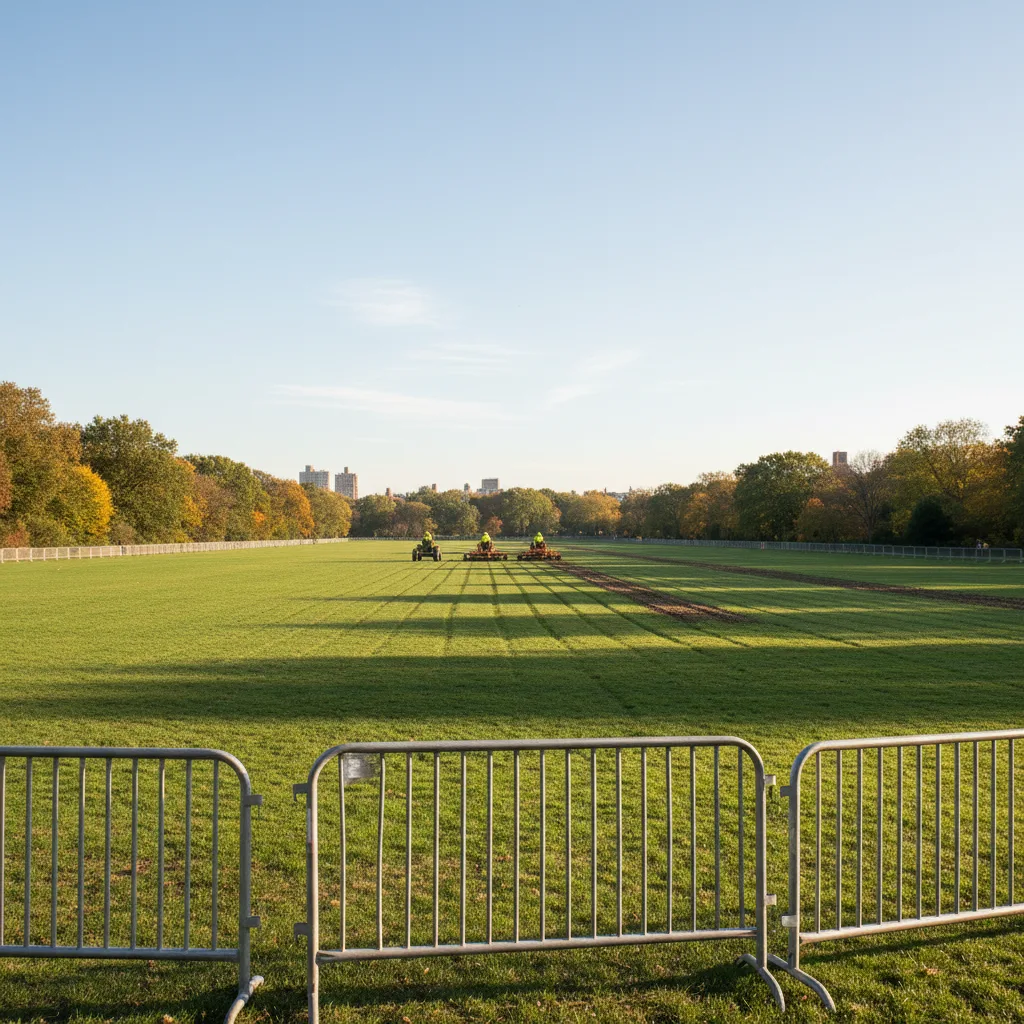
Central Park Conservancy Closes Great Lawn for Scheduled Maintenance
The Central Park Conservancy closed the Great Lawn through October 2, 2026, for scheduled maintenance, impacting weekend activities. Essential upkeep ensures the iconic green space remains vibrant for visitors.
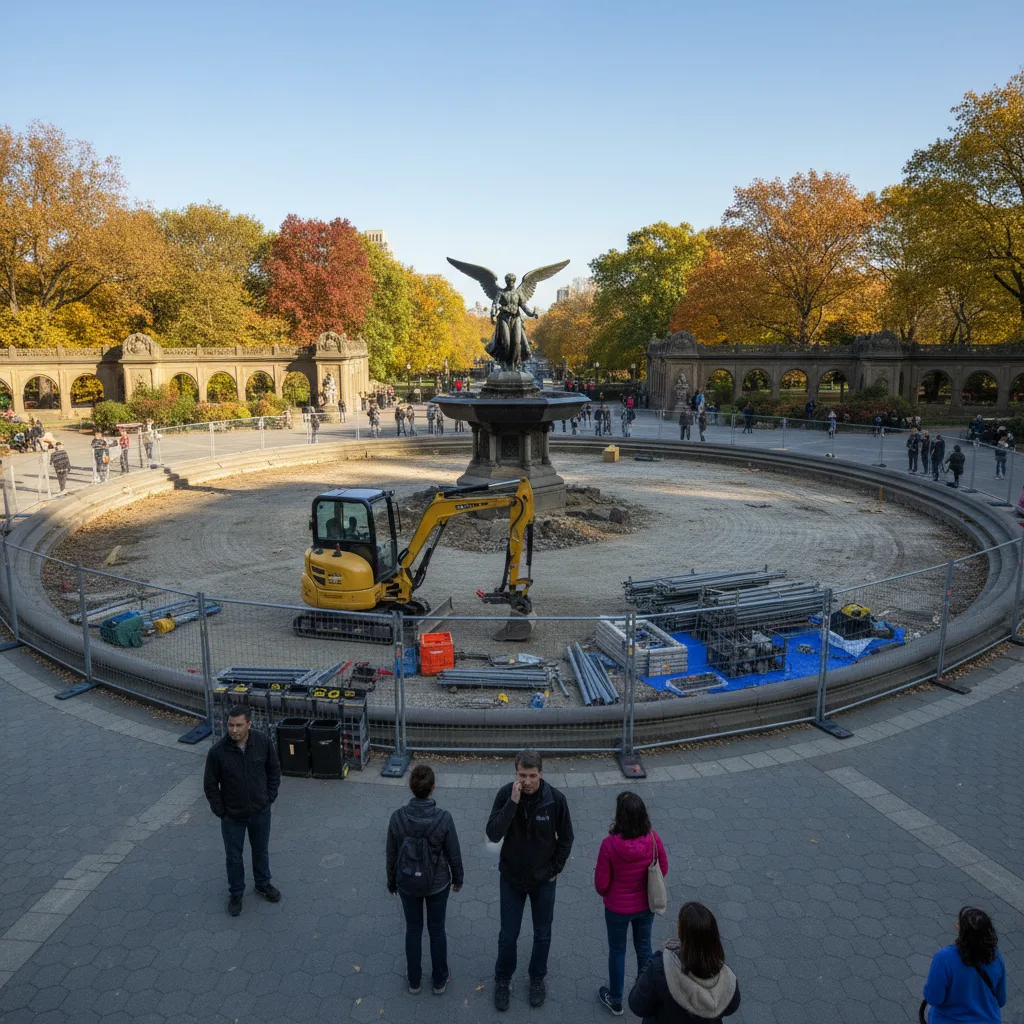
Central Park Conservancy Announces Bethesda Fountain, Great Lawn Closures
Central Park Conservancy announced Bethesda Fountain is off for restoration and the Great Lawn closed through October 2, 2026 for maintenance, affecting visitor access.
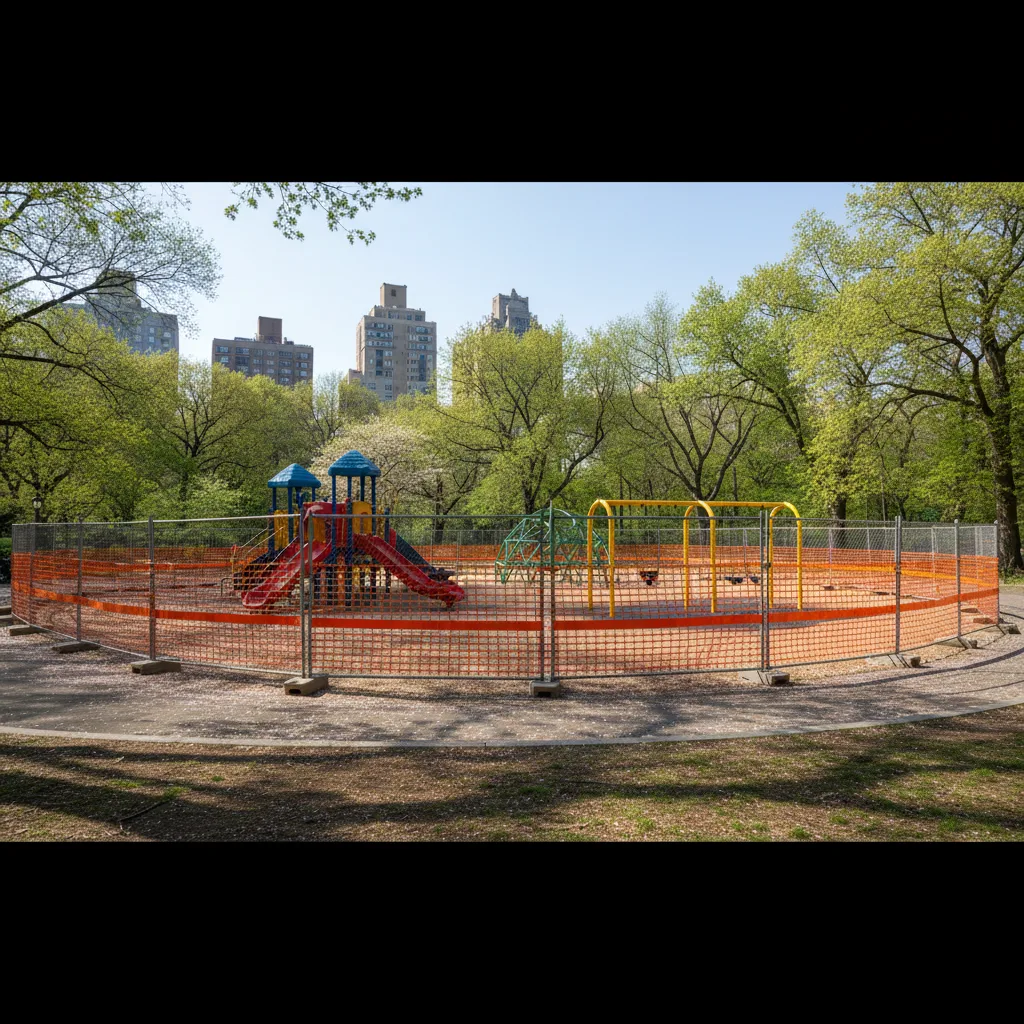
Central Park Conservancy Closes East 110th Street Playground for Restoration
Central Park Conservancy closed the East 110th Street Playground for restoration, while North Meadow and Heckscher ballfields shut due to weather. Plan your visit; check alerts for closures impacting recreation in Central Park.
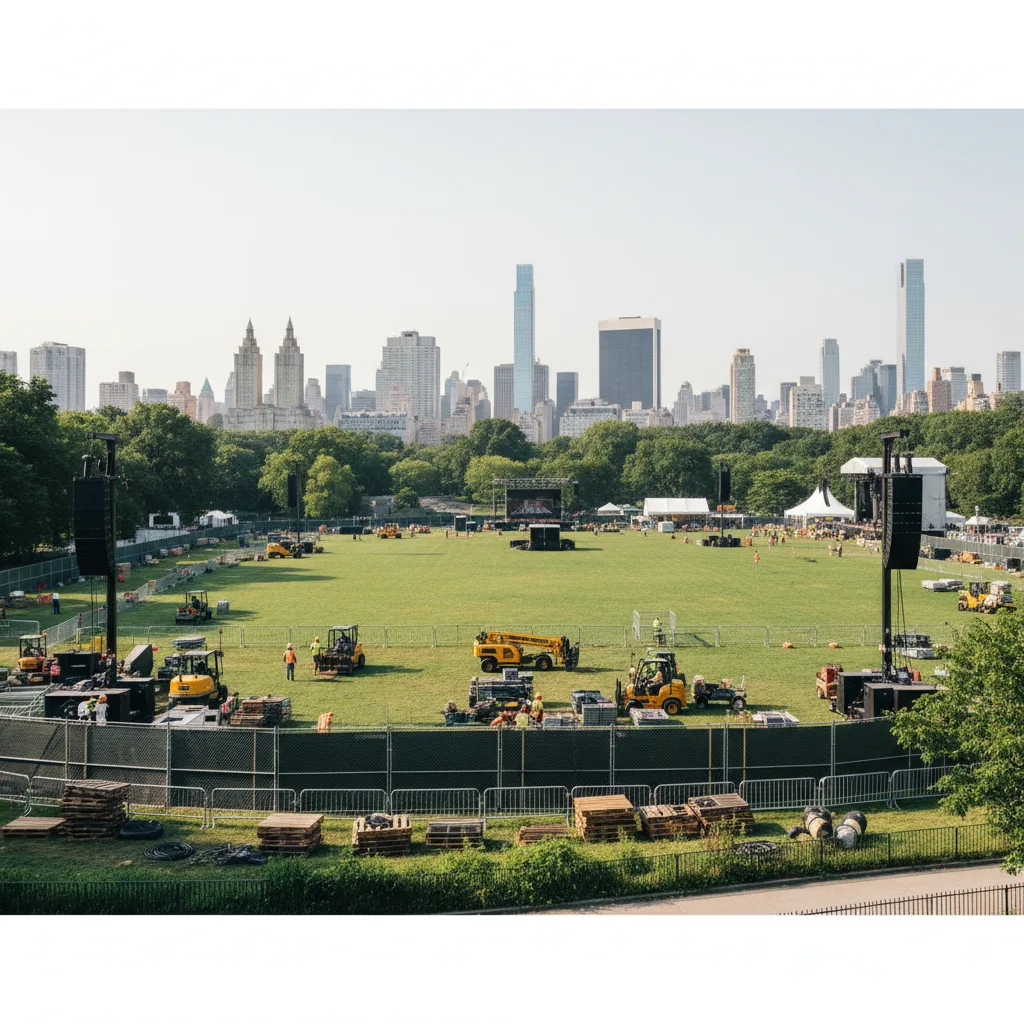
Central Park Conservancy Closes Great Lawn for Global Citizen Festival
Central Park Conservancy confirmed the Great Lawn is closed through September 26, 2026, for the Global Citizen Festival, affecting access to Belvedere Castle and Turtle Pond. Local residents and visitors should plan alternate routes and expect traffic delays around the park's perimeter.
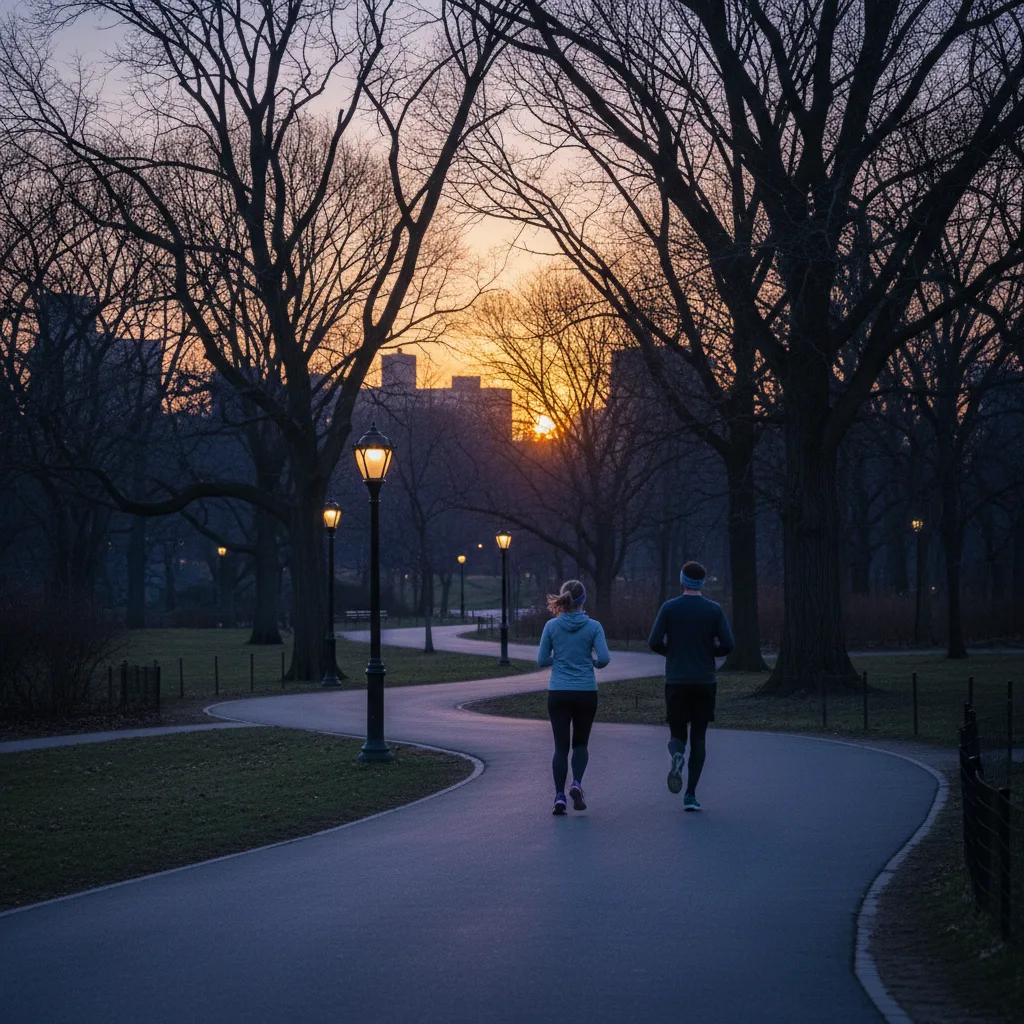
Central Park Conservancy Confirms 2026 Daily Operating Hours
Central Park Conservancy confirms 2026 daily hours: 6:00 a.m. to 1:00 a.m. This notice is for visitor planning, not a change.
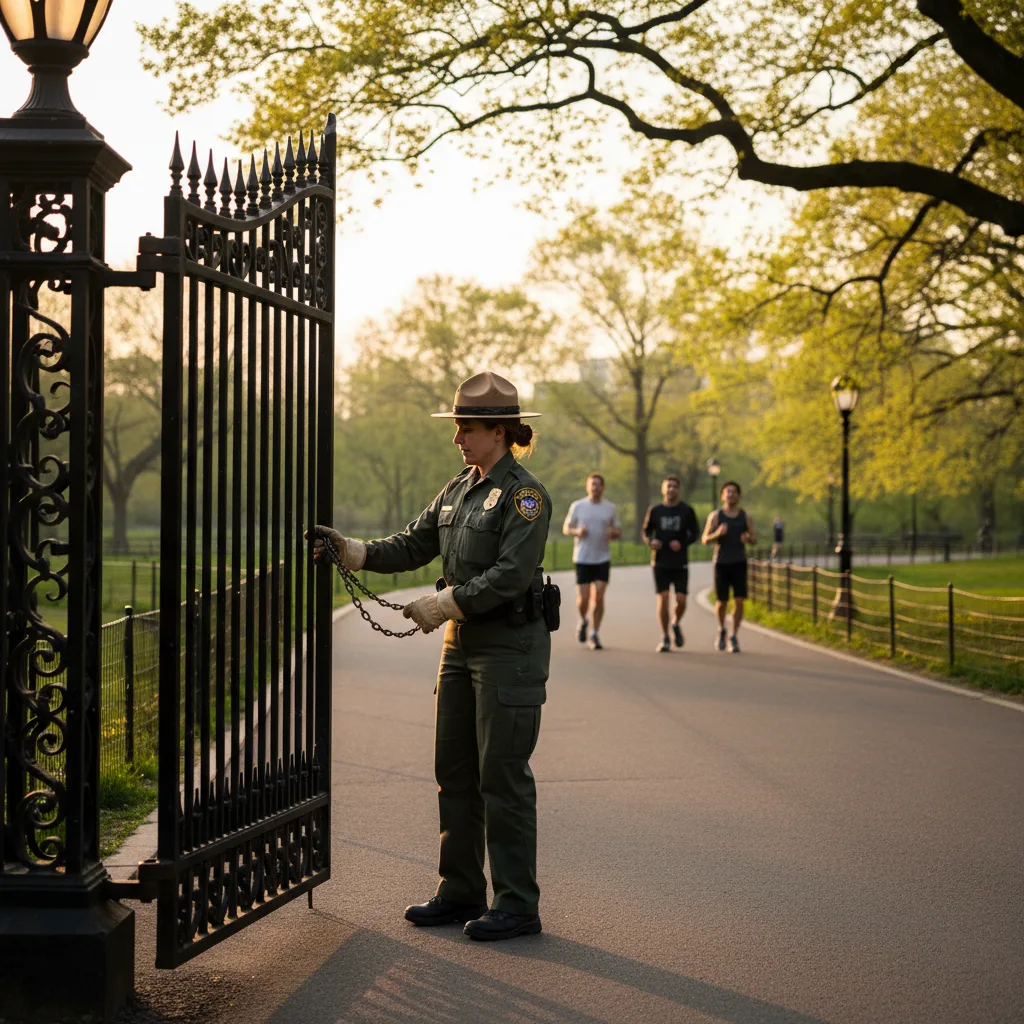
Central Park Conservancy Announces Park Hours Update for 2026
Central Park Conservancy announced updated 2026 park hours, maintaining 6:00 a.m. to 1:00 a.m. access daily. This schedule balances public enjoyment with critical maintenance and security operations.