


A Complete Guide to the Central Park Reservoir: What to Know Before You Visit
Enjoying the coverage?
Plan your next visit: park news and seasonal updates every Friday. Free; unsubscribe in one click.
Sent every Friday. By subscribing, you agree to our Terms of Use and Privacy Policy.
The Central Park Reservoir, officially known as the Jacqueline Kennedy Onassis Reservoir, is a prominent and picturesque feature of Central Park, offering breathtaking views and a popular recreational path. Before you head out to explore this iconic landmark, understanding its history, features, and visitor guidelines will ensure a rewarding experience in 2026.
The History and Significance of the Central Park Reservoir
Built between 1858 and 1862, the Central Park Reservoir was originally designed to supply fresh water to New York City. Its construction was a monumental engineering feat of its time, creating one of the largest man-made bodies of water in the city. While it no longer serves as a primary drinking water source, its historical significance as an integral part of the city's infrastructure and its enduring beauty make it a beloved destination. The Reservoir spans 106 acres and holds over a billion gallons of water, contributing significantly to the park's diverse ecosystem and aesthetic appeal. It remains a vital visual landmark within the park's landscape, offering a serene escape from the bustling city.
The Central Park News Friday Briefing
Plan your next visit: park news and seasonal updates every Friday. Free; unsubscribe in one click.
Sent every Friday. By subscribing, you agree to our Terms of Use and Privacy Policy.
Exploring the Central Park Reservoir Running Track
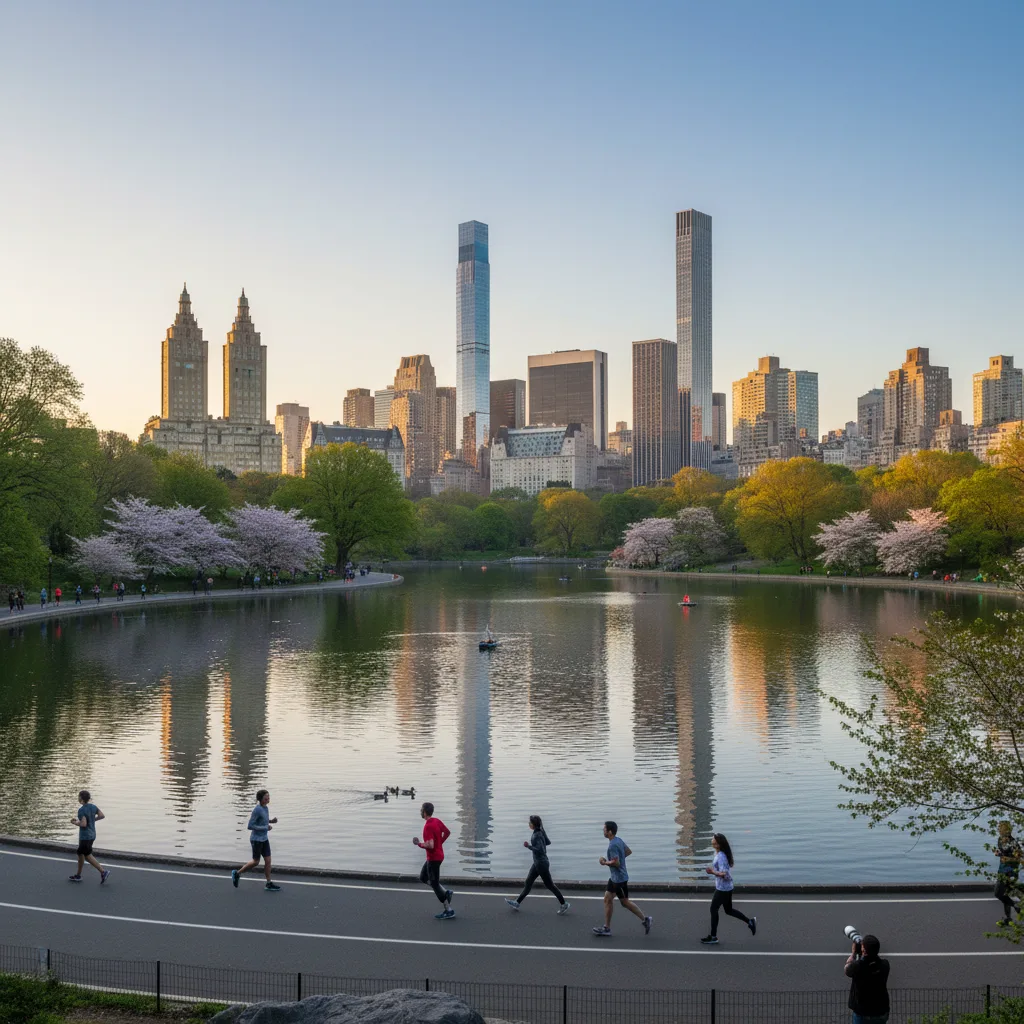
One of the most popular activities around the Central Park Reservoir is running or walking its 1.58-mile (2.54 km) loop track. This flat, cinder track is ideal for all fitness levels, offering stunning panoramic views of the Manhattan skyline, including the iconic Upper West Side and Upper East Side buildings, as well as the park's natural beauty. The track is well-maintained and provides a soft surface, making it easier on joints than pavement. Many New Yorkers and visitors alike consider a lap around the Reservoir to be a quintessential Central Park experience. Be sure to check the official park signage for any specific rules or temporary closures of the running track as of 2026.
Wildlife and Nature Around the Reservoir
The Central Park Reservoir is a haven for diverse wildlife, particularly various bird species, making it a prime spot for bird watching. Enthusiasts can often spot waterfowl, migratory birds, and even some rarer species depending on the season. The aquatic environment supports a delicate ecosystem that attracts these birds, offering a fantastic opportunity for nature observation right in the heart of the city. For those interested in learning more about the avian residents, guided bird watching tours are sometimes offered, such as the Central Park Boathouse Bird Watching Tour Offers Educational Experience. The surrounding vegetation also provides shelter and food for small mammals and insects, contributing to the Reservoir's rich biodiversity. Visitors are encouraged to observe wildlife from a distance and avoid disturbing their natural habitats.
Best Vantage Points and Photo Opportunities at the Central Park Reservoir
For photographers and sightseers, the Central Park Reservoir offers numerous spectacular vantage points. The best views are often found along the eastern and western edges of the track, where the juxtaposition of the tranquil water against the towering city skyscrapers is most dramatic. Sunrise and sunset provide particularly magical lighting for photography, casting long shadows and vibrant hues across the water. The famous "Gothic Bridge" on the east side offers a classic frame for Reservoir photos. Additionally, the north end provides a broader perspective of the entire body of water. Don't forget to capture the reflective quality of the water, especially on a calm day, which can mirror the surrounding architecture beautifully.
Reservoir Etiquette and Safety Tips for Visitors in 2026
To ensure a pleasant experience for everyone and preserve the natural environment, it's important to observe proper etiquette and safety guidelines when visiting the Central Park Reservoir. Always stay on designated paths and do not venture onto the slopes or into the water itself. For those utilizing the running track, be mindful of others, and keep to the right. Cycling is generally not permitted on the running track, but separate cycling paths are available within the park. Keep dogs on a leash at all times, and always clean up after your pets. The park encourages a 'leave no trace' policy, so please dispose of all trash in designated receptacles. For general park access information, recall that Central Park Offers Daily Public Access From 6 AM to 1 AM, providing ample time to enjoy the Reservoir responsibly.
Frequently Asked Questions
Can you swim in the Central Park Reservoir?
No, swimming in the Central Park Reservoir is strictly prohibited. The Reservoir is an active part of the city's water infrastructure and is home to diverse wildlife, making it unsafe and illegal for recreational swimming. Visitors should always stay out of the water to protect both themselves and the ecosystem.
How long is the loop around the Central Park Reservoir?
The running and walking track that encircles the Central Park Reservoir is approximately 1.58 miles (2.54 kilometers) long. This popular loop offers a consistent distance for exercise and provides stunning views of the surrounding park and city skyline throughout your journey.
What is the best time to visit the Central Park Reservoir for photography?
The best times to visit the Central Park Reservoir for photography are typically during sunrise and sunset. The golden hour lighting during these times creates dramatic effects on the water and the surrounding skyline, enhancing the beauty of the reflections and overall landscape. Early mornings also offer fewer crowds, making for a more serene experience.
Are dogs allowed on the Central Park Reservoir track?
Dogs are generally allowed on the Central Park Reservoir track, but they must be kept on a leash at all times. Owners are also required to clean up after their pets to maintain the cleanliness and hygiene of this popular recreational area. Always respect fellow park-goers and the natural environment.
What is the history behind the Jacqueline Kennedy Onassis Reservoir name?
The Central Park Reservoir was officially renamed the Jacqueline Kennedy Onassis Reservoir in 1994 to honor her significant contributions to the preservation and restoration of Central Park. Mrs. Onassis was a passionate advocate for the park and played a crucial role in the efforts to maintain its beauty and accessibility for future generations.
The Central Park News Friday Briefing
Plan your next visit: park news and seasonal updates every Friday. Free; unsubscribe in one click.
Sent every Friday. By subscribing, you agree to our Terms of Use and Privacy Policy.
Related Articles
More in Visitor Guide →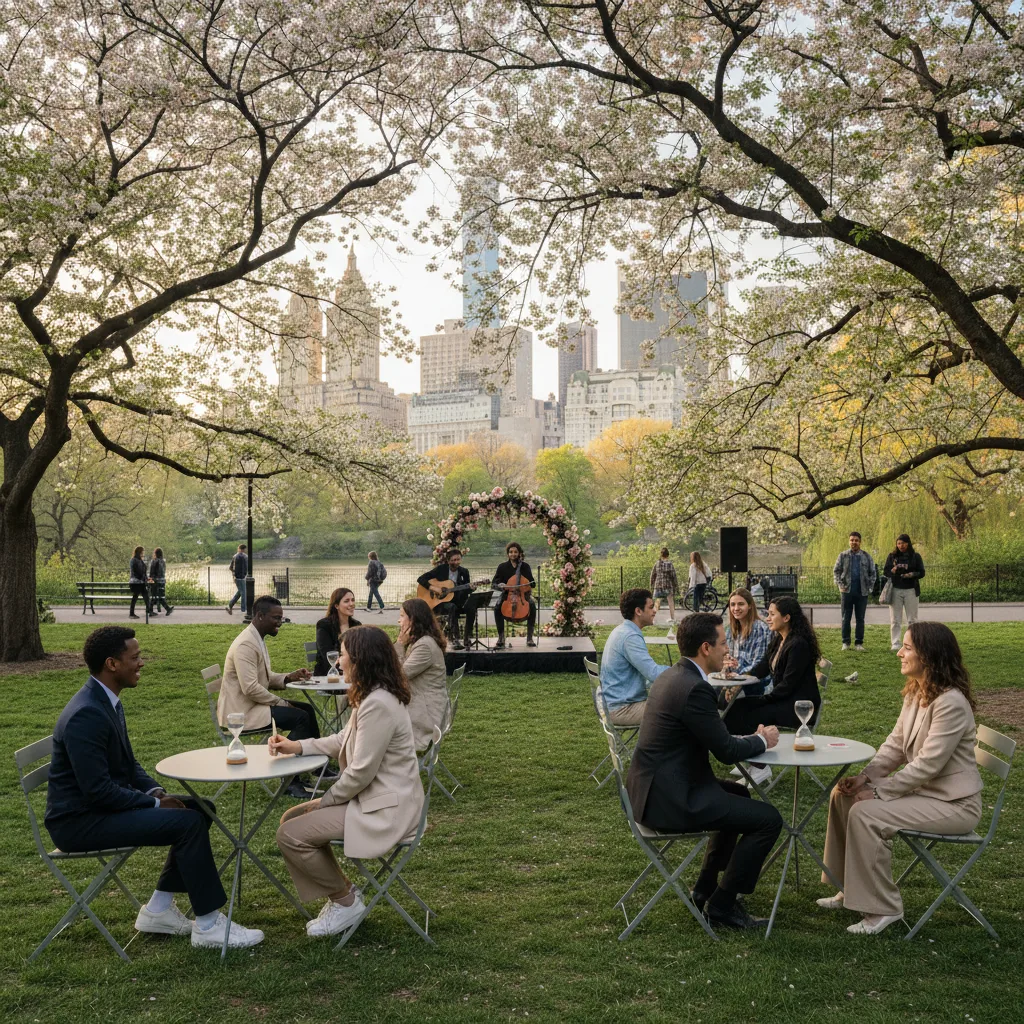
A Guide to Central Park's Speed Dating Events in New York 2026
Discover how to find and navigate speed dating events in New York near Central Park. This guide covers what to expect, tips for success, and safety.
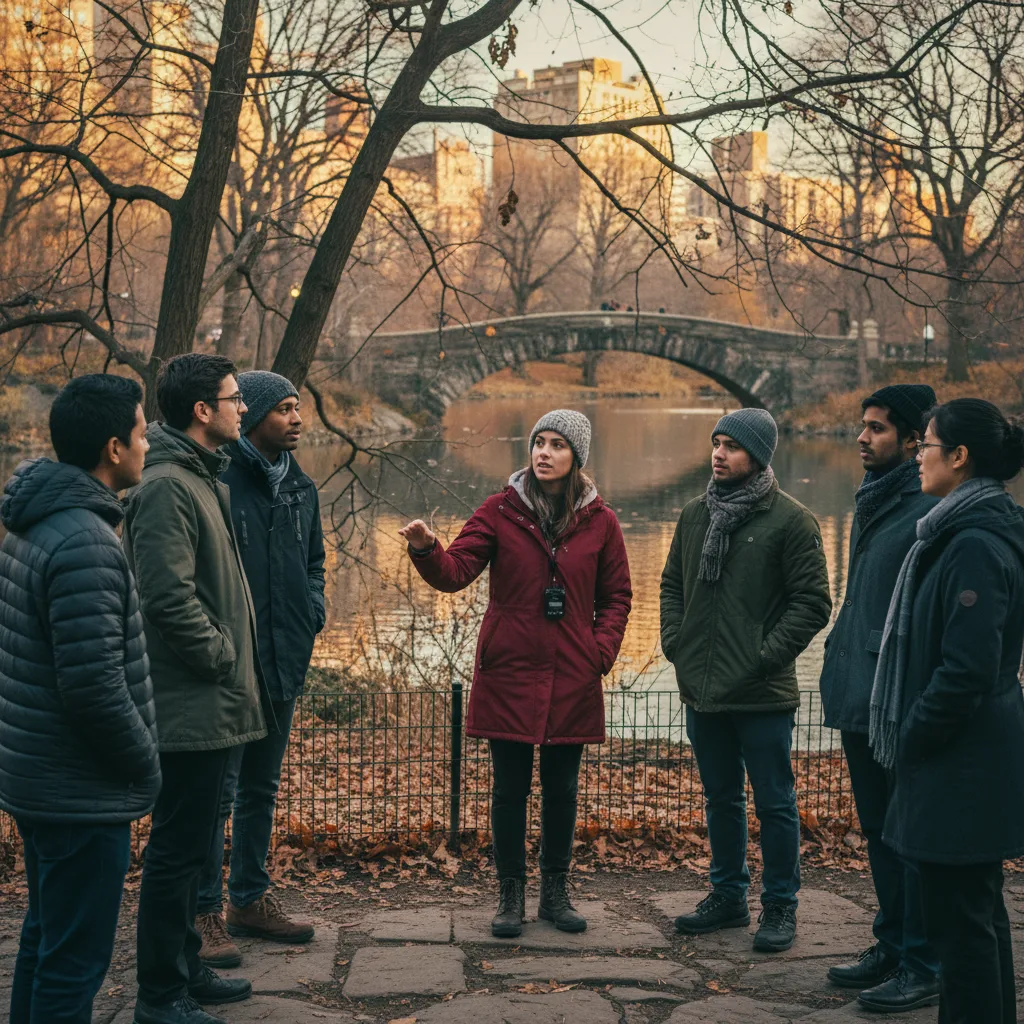
Central Park Lower Section Walking Tour Explores Landmarks
A Central Park Lower Section Walking Tour departs from Grand Army Plaza on November 15, 2026, exploring southern park landmarks.
Upper West Side Residents Invited to Free Medicare Puzzle Seminar
Upper West Side residents are invited to a free Zoom seminar on Thursday, November 12, 2026, featuring expert Medicare adviser Robert Remin.
Empire State Building Highlights Best Things to Do in NYC in November 2026
Empire State Building advises on best things to do in NYC in November 2026, from holiday markets to the Thanksgiving parade, maximizing visitor experience.
NYC Officials Host Postponed Macy's Parade with 100 Inflatables
New York City officials hosted the 100th Macy's Thanksgiving Day Parade on Saturday, November 28, 2026, after a postponement, featuring 100 inflatables.
Central Park Records 2.18 Inches Rain, Storm Causes Outages
NEW YORK: NYC News Center reported Saturday, November 28, 2026, that Central Park received a record 2.18 inches of rain on Thanksgiving Day, November 26, 2026,…