


A Guide to Central Park's Wildlife: What to Know About the Park's Animals and Ecosystem
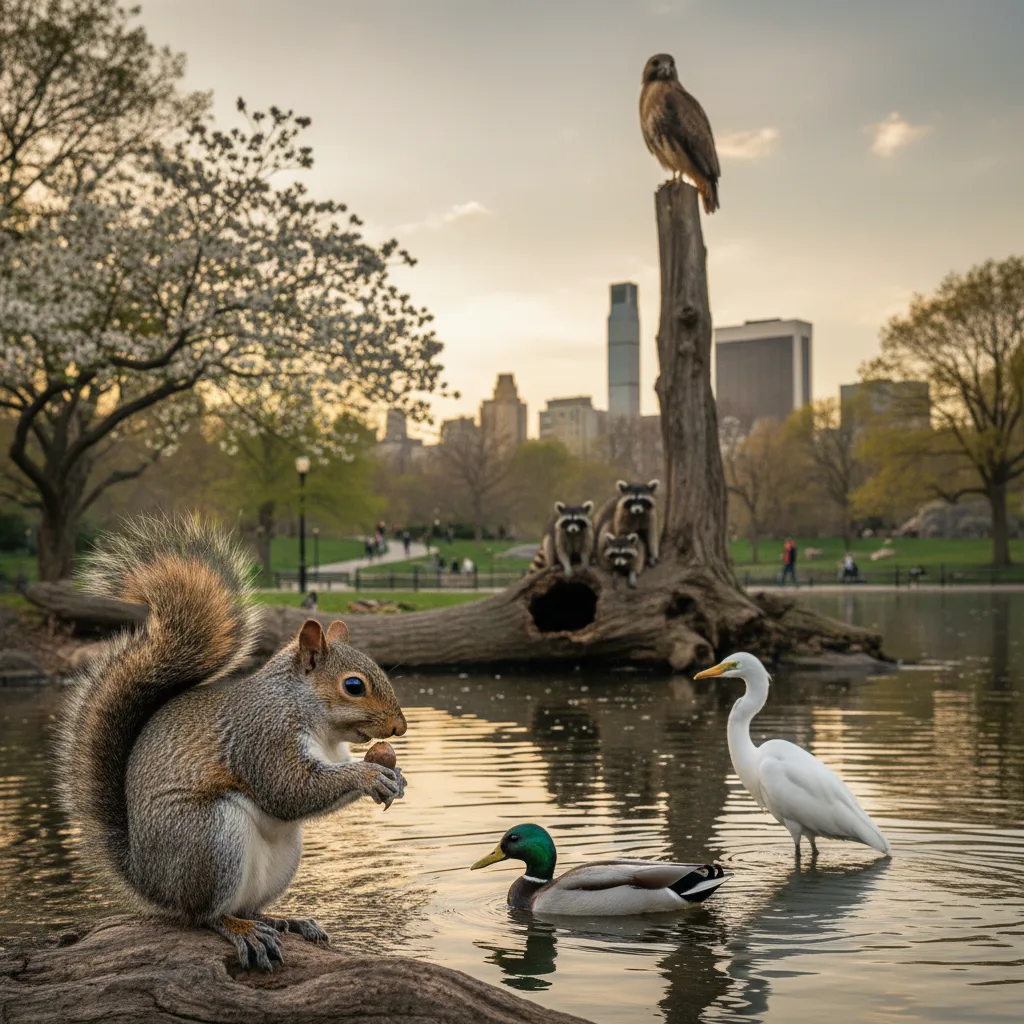
Central Park is a thriving urban oasis, home to a surprising diversity of wildlife, from common city dwellers to migratory birds and even a few reclusive species. Understanding the park's animals, their habitats, and how to observe them respectfully enhances any visit and contributes to their conservation. This guide provides essential information for discovering the rich ecosystem of Central Park.
The Diverse Ecosystem of Central Park's Wildlife
Central Park, despite being in the heart of New York City, offers a unique blend of habitats that support a wide array of Central Park wildlife. These habitats include woodlands, meadows, formal gardens, and most importantly, numerous bodies of water like the Lake, the Pond, and the Harlem Meer. These varied environments provide food, shelter, and breeding grounds for hundreds of species, making the park a crucial ecological corridor for both resident and migratory animals.
The park's design, masterminded by Frederick Law Olmsted and Calvert Vaux, intentionally created these diverse landscapes, not just for human enjoyment but also to foster a robust ecosystem. From the thickets and brambles providing cover to the open lawns for foraging, every element plays a role in supporting the park's animal inhabitants. Visitors often marvel at the ease with which nature coexists with the urban environment here, offering a glimpse into the natural world right in the city.
Mammals: Familiar Faces and Hidden Gems in Central Park
While you won't find large predators, Central Park is home to several mammal species. The most commonly sighted are the Eastern Gray Squirrels, often seen scurrying up trees or burying nuts. Raccoons are also prevalent, especially around dusk, known for their masked faces and dexterous paws. They are often found near water sources or foraging for food scraps, so it's important not to feed them, which can lead to dependency and aggression.
Less frequently seen, but still present, are Eastern Cottontail Rabbits, particularly in the quieter, more overgrown sections of the park. Keep an eye out for their distinctive white tails in meadows and shrubbery. Another fascinating, albeit nocturnal, resident is the Little Brown Bat, crucial for insect control. If you're lucky, you might even spot an opossum, North America's only marsupial, slowly ambling along at night. Respecting the space of these creatures and observing from a distance is key to peaceful coexistence and protecting Central Park wildlife.
Birds: A Birder's Paradise in the Heart of NYC
Central Park is world-renowned as a prime birdwatching destination, especially during spring and fall migrations. Over 200 species of birds have been recorded in the park, including many rare visitors. The Ramble, a wooded area in the center of the park, is a particular hotspot for birders.
Common resident birds include the American Robin, Northern Cardinal, Blue Jay, and various types of sparrows and finches. Waterfowl abound on the park's lakes and ponds, with Mallards, Canada Geese, and various duck species a common sight. During migration, warblers, vireos, and other colorful songbirds transform the park into a vibrant natural spectacle. For current sightings and detailed information, birdwatching groups and online forums often track the movement of these avian visitors. You can often find updates on park activities, including nature walks, through resources like the Central Park Event Calendar Reveals September 19 Activities.
Reptiles, Amphibians, and Fish: Aquatic Life in the Park
The water bodies of Central Park are teeming with life below the surface and along their edges. Red-eared Sliders, a common species of turtle, are frequently seen basking on rocks and logs in the sun. Snapping Turtles, much larger and more reclusive, also inhabit the deeper waters. It's best to observe all turtles from a distance and never attempt to handle them.
Amphibians like the American Toad can be found near damp areas and ponds, especially after rain. Their distinctive calls are a common sound on warm evenings. The park's various ponds and lakes are home to fish such as common carp, various sunfish, and even some small bass. Fishing in designated areas is permitted with a valid New York State fishing license, and it's strictly catch-and-release to protect the delicate aquatic ecosystem. Maintaining clean waterways is vital for all of Central Park's aquatic wildlife.
Observing Central Park Wildlife Responsibly: Tips for Visitors
To ensure the safety of both visitors and the diverse Central Park wildlife, responsible observation is paramount. Always maintain a respectful distance from animals, especially nesting birds or those with young. Never feed wild animals; human food can be harmful to their digestion and can lead to behavioral changes, making them dependent on handouts and potentially aggressive. This practice can also attract pests and disrupt the natural food chain.
Stay on marked paths and trails to avoid disturbing habitats and delicate plant life. Keep dogs on leashes, as unleashed pets can scare or injure wildlife. Dispose of all trash properly in designated receptacles to prevent litter from becoming a hazard to animals. If you encounter an injured animal, do not approach it. Instead, contact the Central Park Conservancy or NYC Parks Department for assistance. For general safety within the park, it's always good to be aware of your surroundings, and information on park safety can sometimes be found in articles like the one discussing NYPD Increases Central Park Patrols After Four Armed Robberies.
Conservation Efforts and the Future of Central Park's Wildlife
The Central Park Conservancy plays a crucial role in protecting and enhancing the park's ecosystem, including its abundant wildlife. Through habitat restoration projects, careful landscape management, and educational programs, the Conservancy works to ensure that Central Park remains a vibrant natural refuge for generations to come. These efforts include planting native species to provide food and shelter, managing invasive species, and maintaining the health of the park's water bodies.
Ongoing scientific research and monitoring help park managers understand population trends and the overall health of the ecosystem. Volunteers contribute significantly to these efforts, participating in clean-ups, bird counts, and planting initiatives. By supporting these conservation efforts and practicing responsible visitor behavior, everyone can help safeguard the future of Central Park's rich and fascinating wildlife. Understanding the park's ecosystem is also part of a larger conversation about urban green spaces, touched upon by events like the NYPH Regenerative Metropolis Symposium 2026 Set for September 18.
Frequently Asked Questions
What types of birds can I expect to see in Central Park?
Central Park is home to over 200 bird species throughout the year, with many migratory birds passing through during spring and fall. You can commonly see American Robins, Northern Cardinals, Blue Jays, various sparrows, and ducks like Mallards. During migration, the park becomes a hotspot for warblers, vireos, and other colorful songbirds.
Is it safe to approach the animals in Central Park?
No, it is generally not safe or advisable to approach animals in Central Park. Wild animals can be unpredictable, and approaching them can cause stress, lead to defensive behavior, or habituate them to humans, which is detrimental to their natural instincts and survival. Always observe from a respectful distance.
Can I feed the squirrels and birds in Central Park?
Feeding wildlife in Central Park is strongly discouraged. Human food is often unhealthy for animals and can lead to dependency, aggression, and an imbalance in the park's natural ecosystem. It's best to let animals forage for their natural food sources to maintain their health and wild behavior.
Where are the best places to observe wildlife in Central Park?
The Ramble is widely considered the best spot for birdwatching due to its dense woodlands and diverse plant life. The Lake, the Pond, and the Harlem Meer are excellent for observing waterfowl and turtles. Quieter, less-trafficked areas, especially early in the morning or late afternoon, often yield sightings of mammals like rabbits and raccoons.
What should I do if I find an injured animal in Central Park?
If you find an injured animal in Central Park, do not attempt to handle it yourself. Contact the Central Park Conservancy or the NYC Parks Department immediately. They have trained professionals who can safely assess and assist the animal, ensuring both its well-being and your safety.
Related Articles
More in Wildlife & Nature →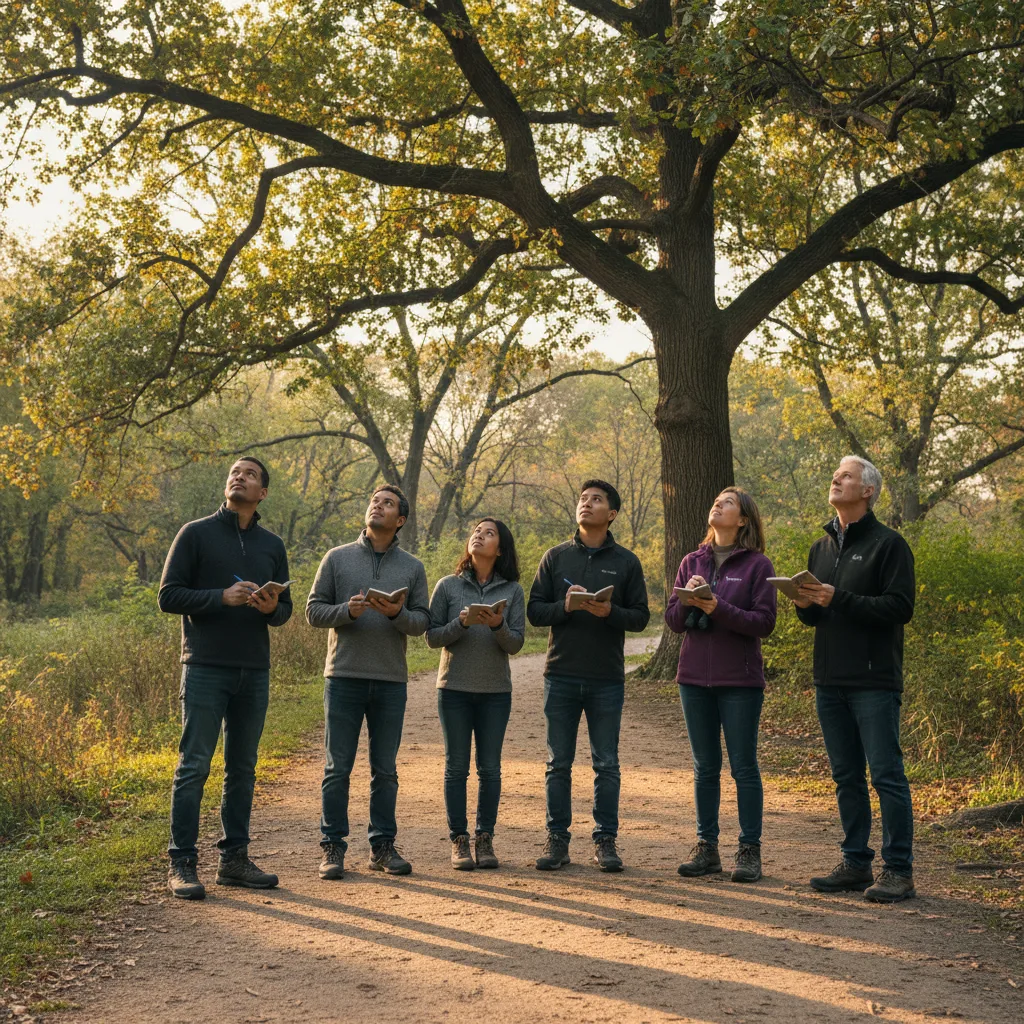
Central Park Event Calendar Features Climate Week Activities September 27
Central Park's event calendar for September 27, 2026, included a Climate Week-aligned "Journal, Meditation, + Bird Walk," promoting environmental awareness.
Wildlife Conservation Society Awards Lovejoy Prize at Central Park Zoo
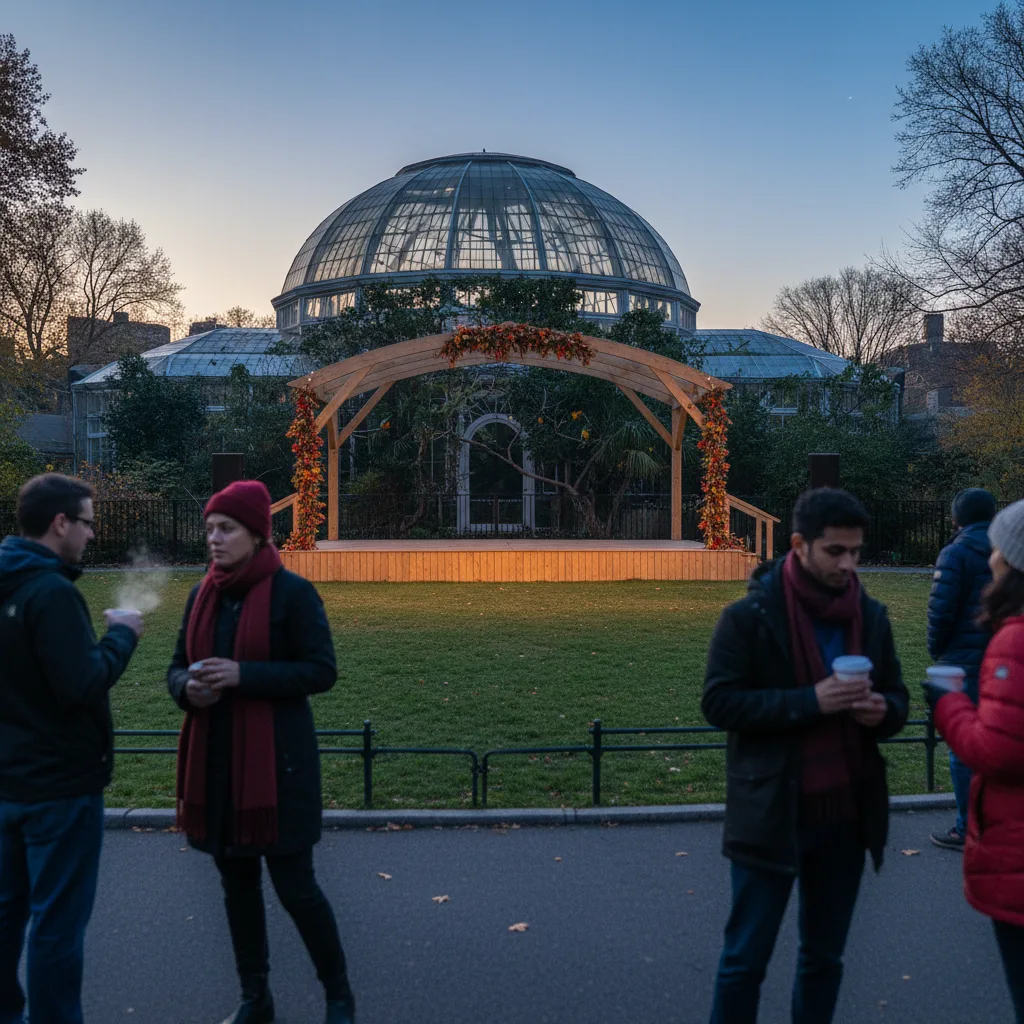
Wildlife Conservation Society awards 2026 Thomas E. Lovejoy Prize today at Central Park Zoo during Climate Week in New York City.
Central Park Mourns Loss of Beloved Birding Artist After Fatal Attack
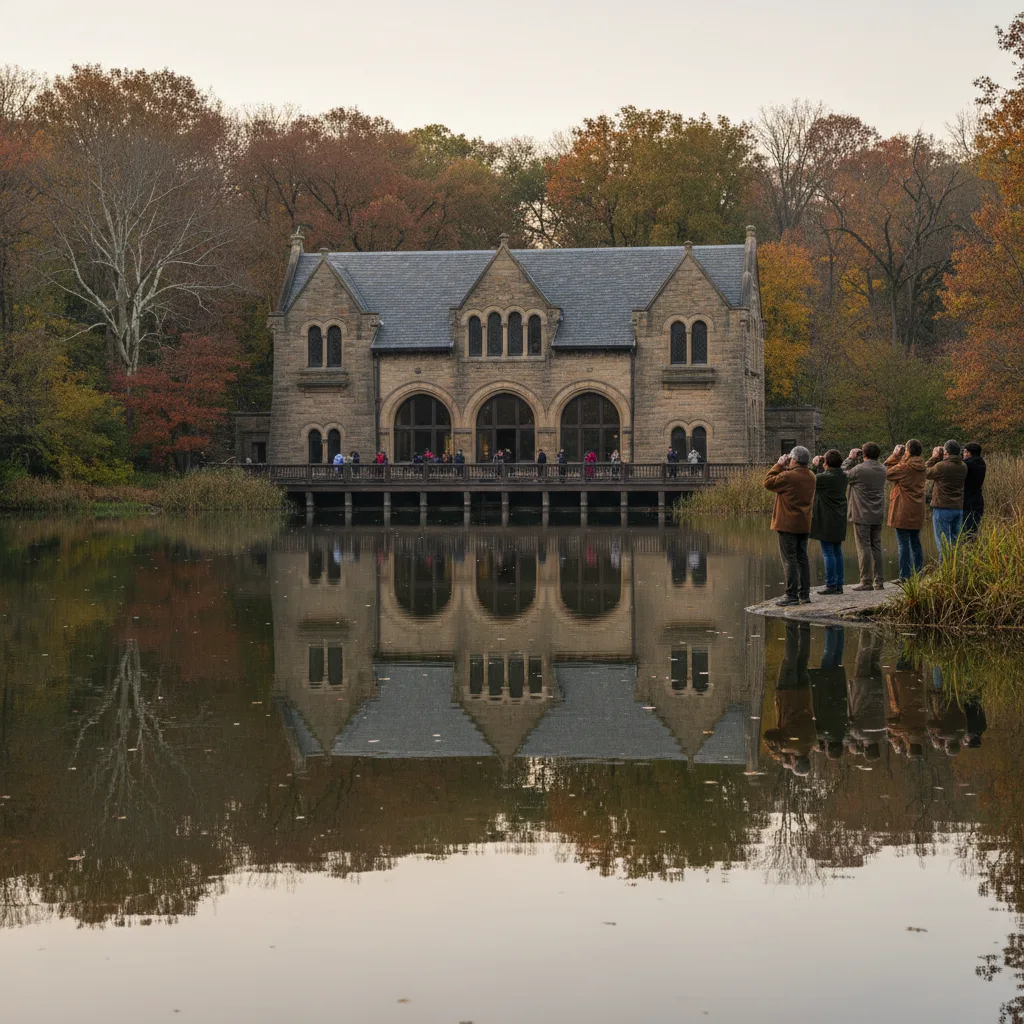
Central Park's birding community is mourning the loss of a 63-year-old beloved homeless artist, found beaten to death in the Ramble.

NYPD Arrests Suspect in Central Park Beating Death of 63-Year-Old Woman
NYPD arrested a 36-year-old suspect in the fatal beating of a 63-year-old woman in Central Park's Ramble. The incident has led to increased safety concerns for park-goers.
Central Park Homicide Victim Identified as Beloved Homeless Artist
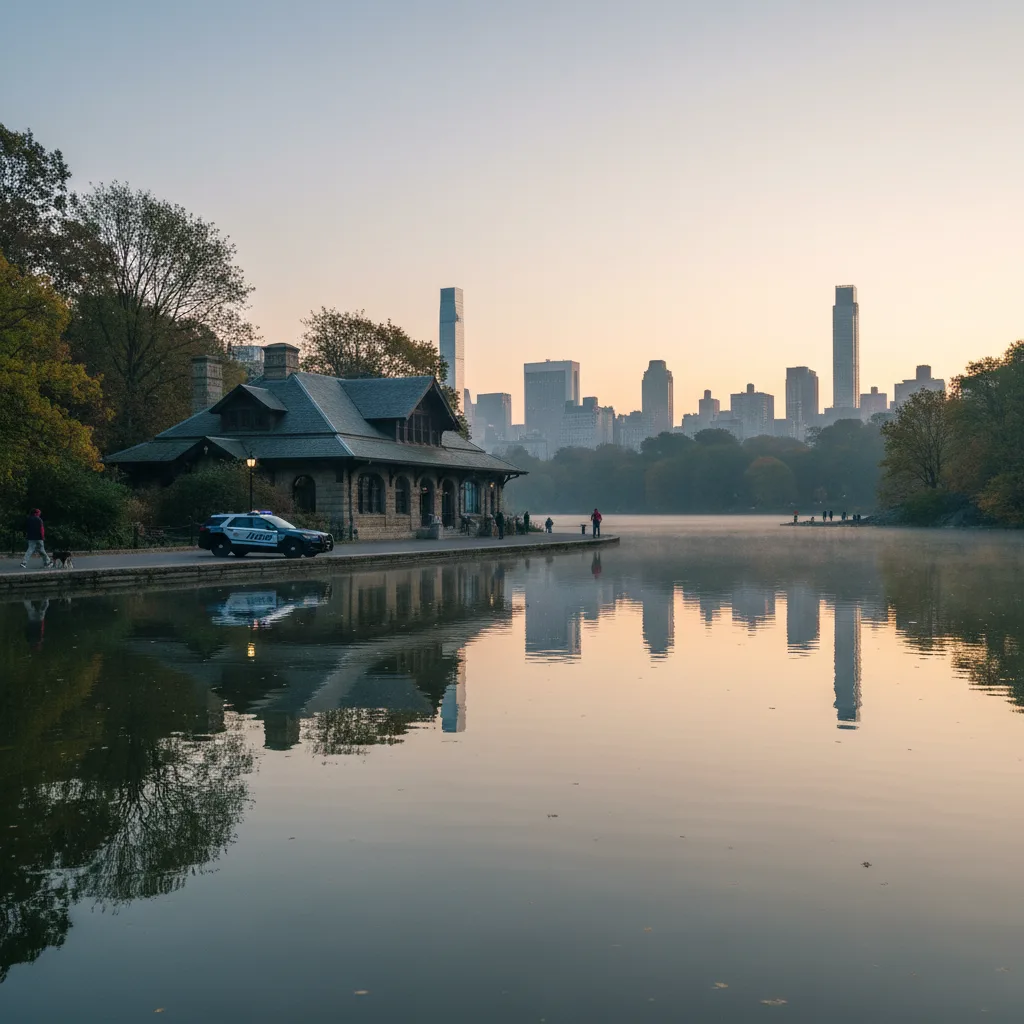
A beloved homeless artist famed for painting birds was identified as the Central Park homicide victim. Her death near the Boathouse sparks community grief and police investigation.
Pedestrian Fatally Struck by Cyclist in Central Park Collision
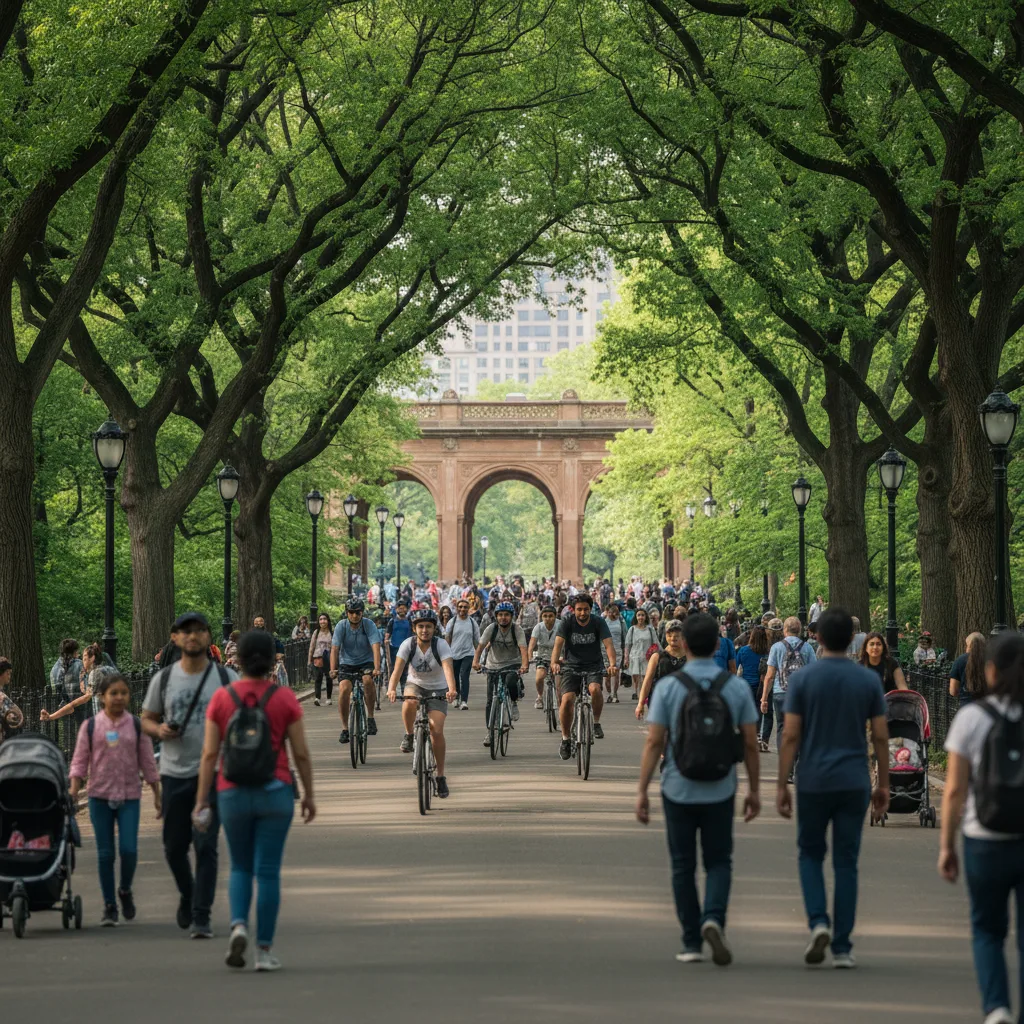
A pedestrian died after being struck by a cyclist in Central Park, raising urgent concerns about shared pathway safety. This tragic event reignites calls for stricter regulations.