


A Guide to Central Park's Obelisk Trellis: What to Know in 2026
Enjoying the coverage?
Plan your next visit: park news and seasonal updates every Friday. Free; unsubscribe in one click.
Sent every Friday. By subscribing, you agree to our Terms of Use and Privacy Policy.
Central Park offers countless hidden gems and lesser-known historical features that enhance its natural beauty and rich past. Among these, the obelisk trellis, often referred to as a garden support structure, plays a subtle yet significant role in various park landscapes, providing vertical interest and aiding climbing plants. Understanding these elements can deepen your appreciation for the park's meticulous design and ongoing horticultural efforts.
What is an Obelisk Trellis in Central Park?
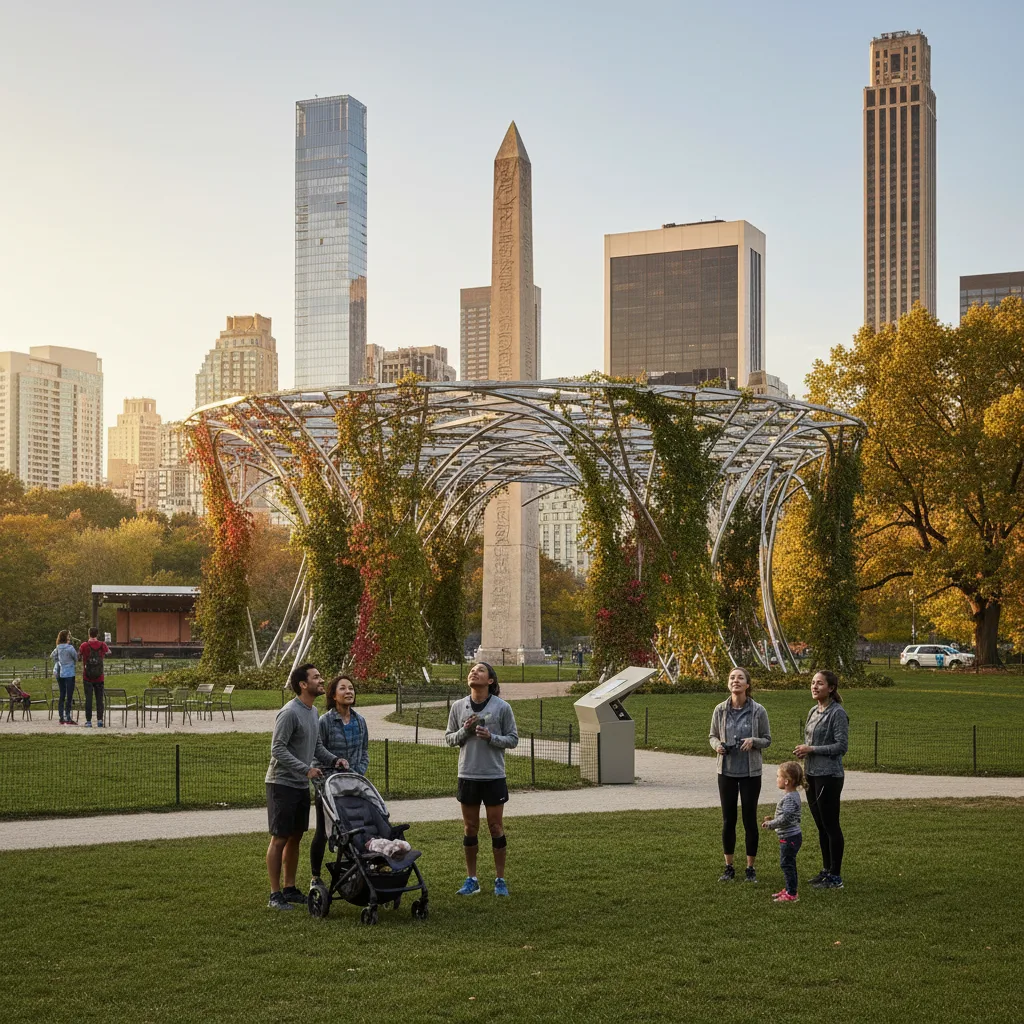
An obelisk trellis is a decorative and functional garden structure shaped like a tapering four-sided pillar, resembling a miniature obelisk. In Central Park, these trellises are primarily used to support climbing vines and flowers, guiding their growth upwards and adding an architectural element to planting beds and gardens. While not as grand as the ancient Egyptian obelisk known as Cleopatra's Needle (which you can learn more about in A Guide to What to Know About the Vatican Obelisk in Central Park 2026), these smaller obelisk trellises contribute to the park's intricate landscape design. They help create visual height, define garden spaces, and ensure the healthy development of many plant species throughout the park. Knowing where to spot an obelisk trellis can be a fun activity during your next visit.
The Central Park News Friday Briefing
Plan your next visit: park news and seasonal updates every Friday. Free; unsubscribe in one click.
Sent every Friday. By subscribing, you agree to our Terms of Use and Privacy Policy.
Where to Find Obelisk Trellis Structures in Central Park
While Central Park is vast, obelisk trellises are typically found in more cultivated and formal garden areas rather than wilder landscapes. Key locations where you might encounter an obelisk trellis include:
- The Conservatory Garden: This six-acre formal garden on the east side of Central Park (between 104th and 106th Streets) is a prime spot for such structures. Its three distinct styles—French, Italian, and English—often feature trellises, including the obelisk design, to support roses, clematis, and other climbing plants, particularly in the perennial borders.
- Shakespeare Garden: Located near the Delacorte Theater, this charming four-acre garden contains plants mentioned in Shakespeare's works. You'll often find trellises here, including the obelisk type, helping to shape the naturalistic yet organized plantings.
- Other Formal Plantings: Throughout the park, smaller, more discreet obelisk trellis installations can appear in perennial beds or decorative corners maintained by the Central Park Conservancy. These are often used to showcase specific flowering vines or to add an element of verticality to a flat planting.
Exploring these areas is one of the many best things to do in Central Park, offering a chance to appreciate both horticulture and design.
The Purpose and Design of the Obelisk Trellis
The primary purpose of an obelisk trellis is to provide structural support for climbing plants. Many vines and certain roses require something to cling to as they grow, and an obelisk trellis offers an aesthetically pleasing solution. Beyond functionality, these structures also serve a significant aesthetic role, adding a classical, elegant touch to garden design. Their tapering form draws the eye upward, creating a sense of height and grandeur even in a small garden bed. They can act as focal points or subtle accents, blending seamlessly into the surrounding flora. The materials used for an obelisk trellis vary, but in Central Park, they are typically made from durable, weather-resistant materials such as treated wood, metal, or fiberglass, designed to withstand New York's changing seasons.
Maintaining Central Park's Obelisk Trellis Structures in 2026
The Central Park Conservancy is responsible for the meticulous care and maintenance of all structures and plantings within the park, including the obelisk trellis. This involves regular inspections for structural integrity, repainting or repair as needed, and careful integration with horticultural practices. Gardeners carefully train climbing plants onto the trellises, ensuring healthy growth and optimal display. This ongoing effort ensures that these garden features remain both beautiful and functional for years to come. In 2026, visitors can expect the same high standards of maintenance, contributing to the overall beauty of Central Park. The Conservancy's work on features like the obelisk trellis is part of a broader commitment to preserving and enhancing the park's diverse offerings, from its historical monuments to its vibrant plant life.
Planning Your Visit to See Central Park's Obelisk Trellis
To best experience the beauty of the obelisk trellis and other garden features, plan your visit during the blooming seasons, typically late spring through early autumn, when climbing plants are at their most vibrant. The Conservatory Garden, in particular, offers breathtaking displays. Check the Central Park Conservancy's official website for seasonal events and guided tours that might highlight specific garden areas. Wear comfortable shoes, bring water, and allow ample time to explore. Remember that Central Park is a large urban oasis, and appreciating its smaller details, like an obelisk trellis, adds another layer to your experience of this iconic New York City landmark. Consider joining a walking tour focused on the park's horticulture or historical garden areas to gain deeper insights into the design principles at play.
Frequently Asked Questions
What is the difference between an obelisk trellis and Cleopatra's Needle in Central Park?
An obelisk trellis is a smaller, decorative garden structure designed to support climbing plants, while Cleopatra's Needle is the massive, ancient Egyptian obelisk, a historical monument, located in Central Park, which you can learn about in A Guide to What to Know About the Vatican Obelisk in Central Park 2026.
Can I find an obelisk trellis in any part of Central Park?
While not everywhere, obelisk trellises are predominantly found in the more formal and cultivated garden areas of Central Park, such as the Conservatory Garden and the Shakespeare Garden, where climbing plants are a key feature of the landscape design.
What kinds of plants typically grow on an obelisk trellis in Central Park?
Common plants supported by an obelisk trellis in Central Park include various climbing roses, clematis, wisteria, and other ornamental vines chosen for their aesthetic appeal and ability to thrive in New York's climate.
Are the obelisk trellis structures in Central Park new installations?
Many of the obelisk trellis structures in Central Park have been part of the landscape design for decades, though they undergo regular maintenance, repair, and occasional replacement by the Central Park Conservancy to ensure their longevity and beauty.
The Central Park News Friday Briefing
Plan your next visit: park news and seasonal updates every Friday. Free; unsubscribe in one click.
Sent every Friday. By subscribing, you agree to our Terms of Use and Privacy Policy.
Related Articles
More in Visitor Guide →
A Guide to Central Park's Speed Dating Events in New York 2026
Discover how to find and navigate speed dating events in New York near Central Park. This guide covers what to expect, tips for success, and safety.
Central Park Lower Section Walking Tour Explores Landmarks
A Central Park Lower Section Walking Tour departs from Grand Army Plaza on November 15, 2026, exploring southern park landmarks.

Upper West Side Residents Invited to Free Medicare Puzzle Seminar
Upper West Side residents are invited to a free Zoom seminar on Thursday, November 12, 2026, featuring expert Medicare adviser Robert Remin.

Empire State Building Highlights Best Things to Do in NYC in November 2026
Empire State Building advises on best things to do in NYC in November 2026, from holiday markets to the Thanksgiving parade, maximizing visitor experience.

NYC Officials Host Postponed Macy's Parade with 100 Inflatables
New York City officials hosted the 100th Macy's Thanksgiving Day Parade on Saturday, November 28, 2026, after a postponement, featuring 100 inflatables.
Central Park Records 2.18 Inches Rain, Storm Causes Outages
NEW YORK: NYC News Center reported Saturday, November 28, 2026, that Central Park received a record 2.18 inches of rain on Thanksgiving Day, November 26, 2026,…