


A Guide to Central Park's Wildlife and Nature
Enjoying the coverage?
Birds, trees and wildlife stories from the park, every Friday. Free; unsubscribe in one click.
Sent every Friday. By subscribing, you agree to our Terms of Use and Privacy Policy.
Central Park, an urban oasis in the heart of Manhattan, is a surprising haven for a diverse array of wildlife and a vibrant ecosystem. Far more than just manicured lawns and pathways, the park's woodlands, meadows, and water bodies support hundreds of species, offering unique opportunities for nature observation right within New York City. This guide will help you discover the rich natural world thriving in Central Park, from resident birds to migrating species and native plant life.
Exploring Central Park's Diverse Ecosystems
Central Park's design intentionally incorporates various habitats, mimicking natural landscapes to support its diverse wildlife and nature. From the dense woodlands of The Ramble to the open waters of the Reservoir, each area provides unique conditions for different species. Understanding these distinct zones enhances your appreciation of the park's ecological complexity.
The Ramble: A Birdwatcher's Paradise
The Ramble, a 38-acre woodland area located between 73rd and 79th Streets, is renowned as one of the best birdwatching spots in New York City. Its winding paths, dense vegetation, and diverse tree canopy attract a vast number of migratory birds, especially during spring and fall migration. Over 230 bird species have been recorded here, making it a prime location for observing warblers, vireos, thrushes, and many other avian visitors.
The Central Park News Friday Briefing
Birds, trees and wildlife stories from the park, every Friday. Free; unsubscribe in one click.
Sent every Friday. By subscribing, you agree to our Terms of Use and Privacy Policy.
The Conservatory Garden: Flora and Fauna
While primarily known for its formal gardens and seasonal blooms, the Conservatory Garden also contributes to the park's wildlife and nature by providing food sources and shelter. Its meticulously maintained landscapes, divided into French, Italian, and English styles, attract various pollinators like bees and butterflies. The surrounding trees and shrubs offer nesting sites for smaller birds and squirrels.
The Lake and Harlem Meer: Aquatic Life
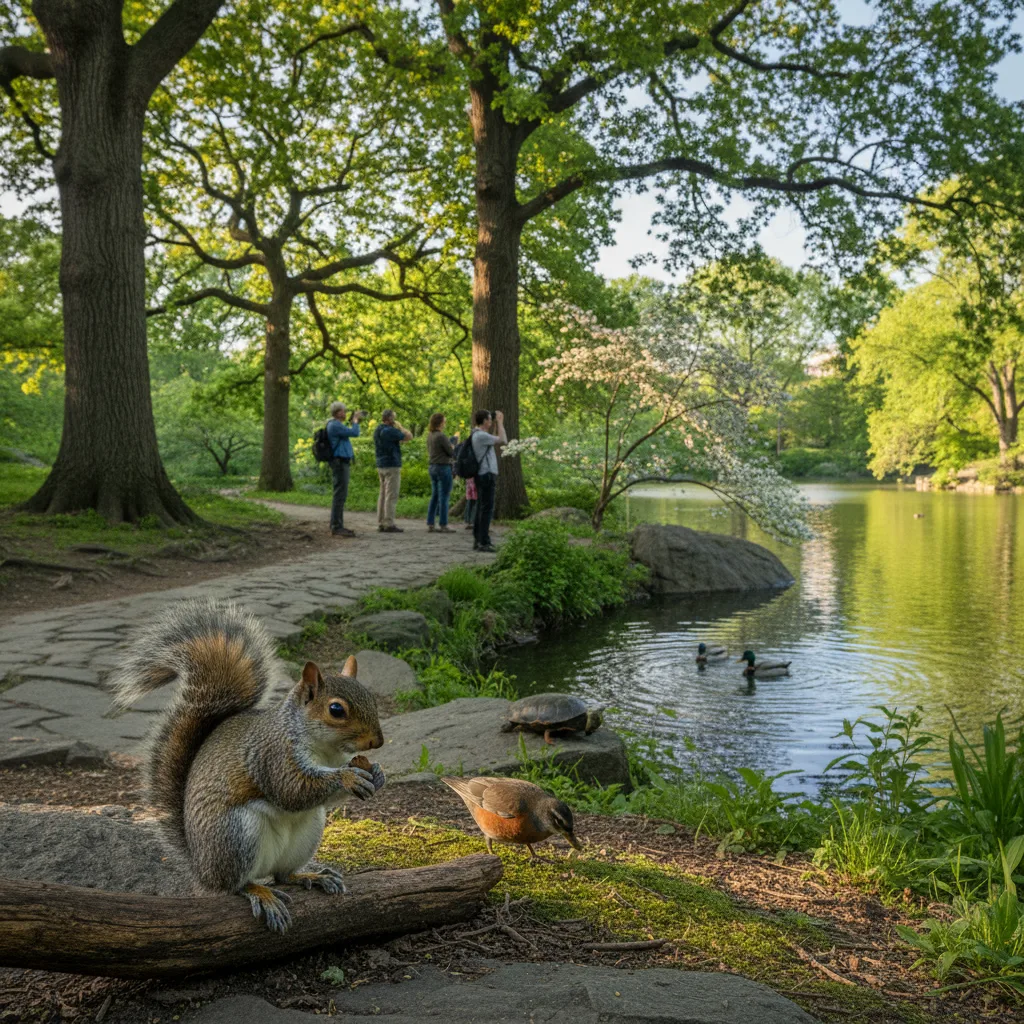
The park's water bodies, including The Lake and the Harlem Meer, are vital ecosystems. These areas support a variety of fish species, turtles (such as painted turtles and snapping turtles), and amphibians. Waterfowl are abundant, with resident mallards, Canada geese, and various duck species frequently observed. Herons, egrets, and kingfishers also frequent these waters, hunting for fish and insects. Observing the aquatic wildlife and nature around these water bodies can be a peaceful and rewarding experience.
Common Wildlife Encounters in Central Park
Visitors to Central Park are likely to encounter several species regularly. Knowing what to look for can enrich your experience and provide insights into the park's biological health. Always remember to observe wildlife from a respectful distance and avoid feeding animals.
Mammals of the Park
The most commonly seen mammals are eastern gray squirrels, often seen foraging near park benches and trees. Raccoons, though mostly nocturnal, are also residents and can occasionally be spotted, particularly around dusk or dawn. Opossums and various species of bats also call the park home, though they are much less frequently observed by casual visitors.
Bird Species to Spot
Beyond the migratory marvels of The Ramble, Central Park hosts a variety of year-round bird residents. You can expect to see American robins, blue jays, cardinals, pigeons, and house sparrows almost daily. Keep an eye out for red-tailed hawks, which often perch on high buildings surrounding the park or within the park's larger trees, hunting for squirrels and smaller birds. For those interested in avian life, the diversity of wildlife and nature in Central Park's bird population is truly remarkable.
Reptiles and Amphibians
While more elusive, several species of reptiles and amphibians inhabit Central Park. Turtles are most commonly seen basking on rocks in sunny areas around The Lake, Turtle Pond, and the Harlem Meer. Frogs and salamanders, though present, tend to be more hidden in damp, shaded areas, especially near the various streams and smaller ponds throughout the park.
Essential Tips for Observing Central Park's Wildlife
To make the most of your wildlife and nature exploration in Central Park, consider these practical tips. Respecting the park's rules and its inhabitants ensures a positive experience for both visitors and wildlife.
Best Times for Wildlife Viewing
Early morning and late afternoon are generally the best times to observe wildlife. Many animals are most active during these periods, foraging for food or preparing for rest. Bird migration periods (April-May and September-October) offer the most spectacular avian displays.
What to Bring
Binoculars are highly recommended for birdwatching and observing smaller, more distant animals. A field guide to local birds and flora can also enhance your understanding. Comfortable walking shoes are a must, as exploring the park's natural areas involves significant walking. Consider bringing a camera to capture your discoveries, but remember to be discreet and avoid disturbing the animals.
Respecting Wildlife and Park Rules
Never feed wild animals. Human food is often unhealthy for them and can lead to dependency and aggressive behavior. Keep a safe distance from all animals, especially those with young. Stay on marked paths to avoid disturbing delicate habitats and plants. Dog owners should keep pets leashed in designated areas, as unleashed dogs can disturb wildlife. The Central Park Conservancy works to maintain these delicate ecosystems, and adherence to park regulations helps preserve the wildlife and nature for everyone.
Seasonal Changes and Their Impact on Wildlife
Central Park's wildlife and nature experiences significant shifts with the changing seasons, offering different observations throughout the year.
Spring: Rebirth and Migration
Spring brings a burst of activity. Migratory birds return, filling the trees with song. Many species begin nesting and raising their young, making it a prime time to see baby birds and other young animals. The park's flora also awakens, with trees budding and flowers blooming, providing ample food for insects and herbivores.
Summer: Abundance and Growth
Summer sees the park in full foliage, providing dense cover for wildlife. While some birds become less conspicuous as they raise their young, dragonflies and butterflies are abundant. Mammals like squirrels and raccoons are active, and the park's ponds are bustling with turtles and waterfowl. This is also a great time to appreciate the lush plant life.
Fall: Southern Migration and Preparation
Autumn is another peak migration season for birds heading south. The changing leaves create a stunning backdrop for viewing these travelers. Animals begin to prepare for winter, foraging more intensely to build up fat reserves. You might see squirrels burying nuts and birds flocking together.
Winter: Resilience and Quiet Beauty
Winter transforms Central Park into a quiet, often snow-covered landscape. While many birds have migrated, hardy resident species remain, such as cardinals and blue jays, easily spotted against the white snow. Mammals like squirrels are still active on warmer days. The bare trees offer clearer views for spotting nests and sometimes even owls that may pass through or reside in the park.
Sources
Compiled by the Central Park News Desk from the references listed below with AI assistance. Check the official sources for current details.
- [Official] Central Park Conservancy: Central Park Conservancy
- [Official] NYC Parks: New York City Department of Parks & Recreation
- [Reference] Central Park: Central Park
Frequently Asked Questions
What kind of wildlife can you see in Central Park?
Central Park is home to a surprising variety of wildlife, including over 230 bird species (resident and migratory), eastern gray squirrels, raccoons, opossums, several types of turtles (painted, snapping), fish, and various amphibians. Red-tailed hawks are also a common sight, often seen circling above or perched on trees.
Where is the best place to see birds in Central Park?
The Ramble, located between 73rd and 79th Streets, is widely considered the best spot for birdwatching in Central Park. Its dense woodlands and varied terrain attract a wide array of species, especially during the spring and fall migration periods. The Conservatory Garden and areas around The Lake also offer good birdwatching opportunities.
Are there dangerous animals in Central Park?
Generally, the wildlife in Central Park poses no danger to humans if observed respectfully from a distance. While raccoons and opossums are present, they typically avoid human interaction. The most common caution is to avoid feeding any wild animals, as this can make them reliant on humans and potentially aggressive. It's always best to keep a safe distance from all wildlife.
Can you feed squirrels or birds in Central Park?
No, it is generally advised not to feed any wildlife in Central Park. Feeding wild animals can disrupt their natural foraging behaviors, make them dependent on human food (which is often unhealthy for them), and can lead to overpopulation or aggressive behaviors. Enjoy observing the wildlife and nature but allow them to find their own food sources.
What are some common plants and trees in Central Park?
Central Park boasts a rich botanical collection. Common trees include oaks, maples, American elms, and London plane trees. The park features diverse flora, from native wildflowers in areas like the Hallett Nature Sanctuary to cultivated beds in the Conservatory Garden, providing varied habitats and food sources that support the park's overall wildlife and nature.
The Central Park News Friday Briefing
Birds, trees and wildlife stories from the park, every Friday. Free; unsubscribe in one click.
Sent every Friday. By subscribing, you agree to our Terms of Use and Privacy Policy.
Related Articles
More in Wildlife & Nature →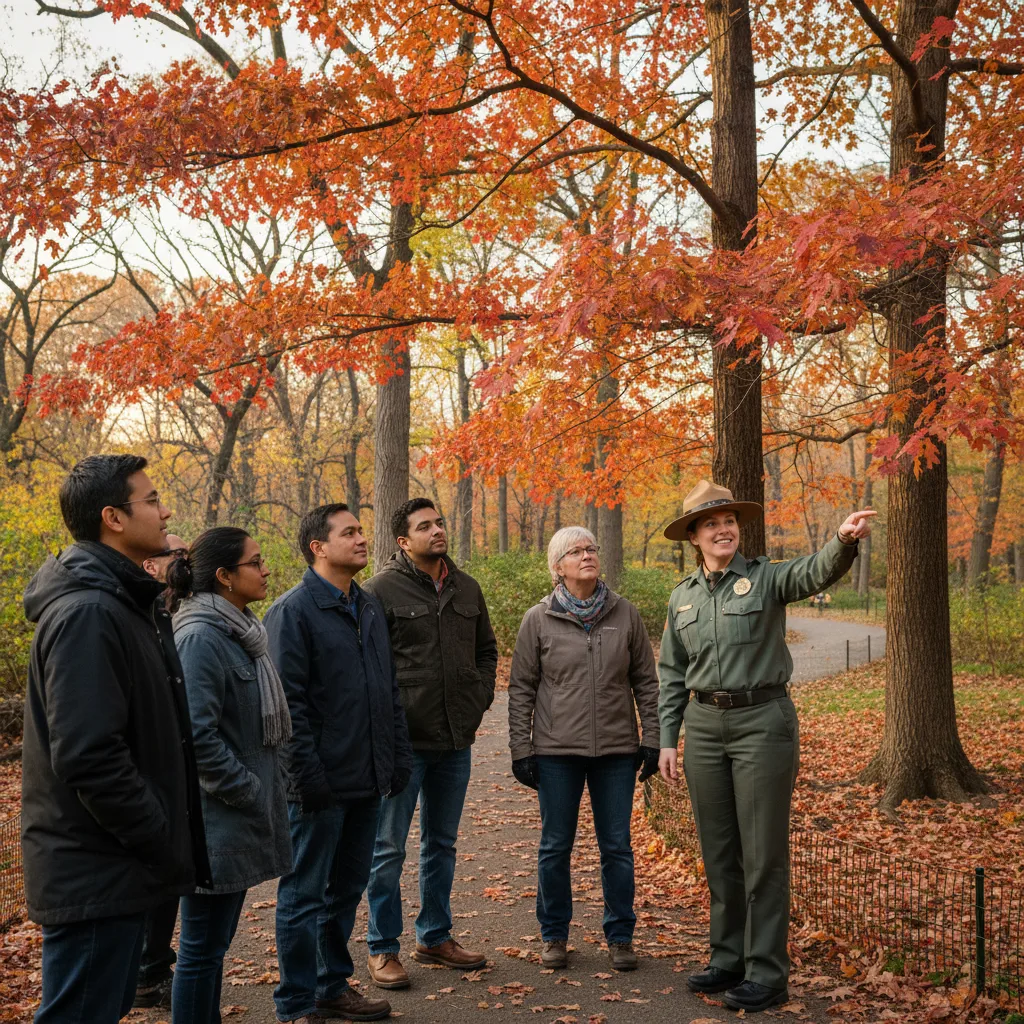
Urban Park Rangers Host Autumn Nature Walk in Conference House Park
Urban Park Rangers led a guided nature walk through Conference House Park on Saturday, November 14, 2026, celebrating late autumn's beauty.

Jones County Central Park Nature Center Hosts Autumn Open House
The Central Park Nature Center in Jones County, Iowa, will host its Autumn Open House on November 14, 2026.
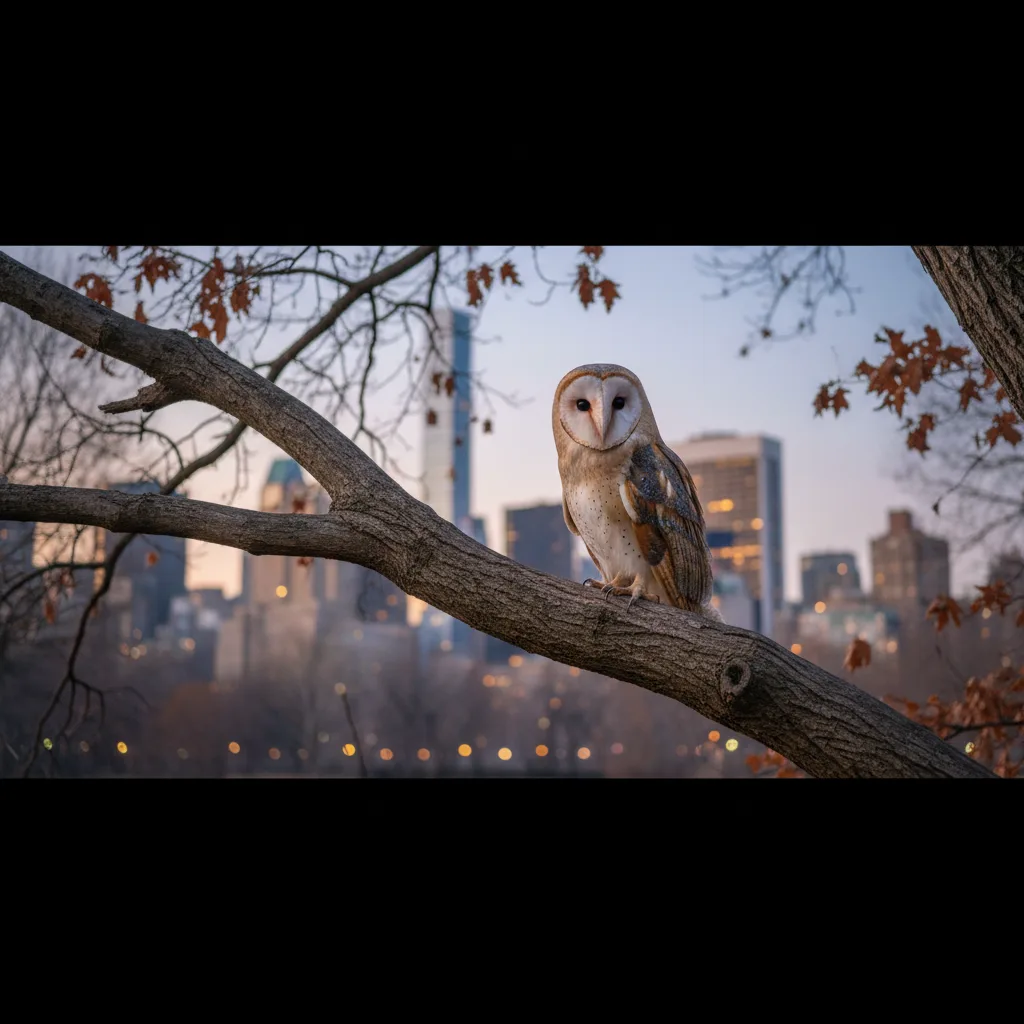
UWS Barn Owls Accounted For Amid Cyclist Scofflaw Discussions November 9
UWS barn owls are accounted for, providing relief to wildlife observers on November 9, 2026. This comes amid ongoing debates over scofflaw cyclists and other city news.
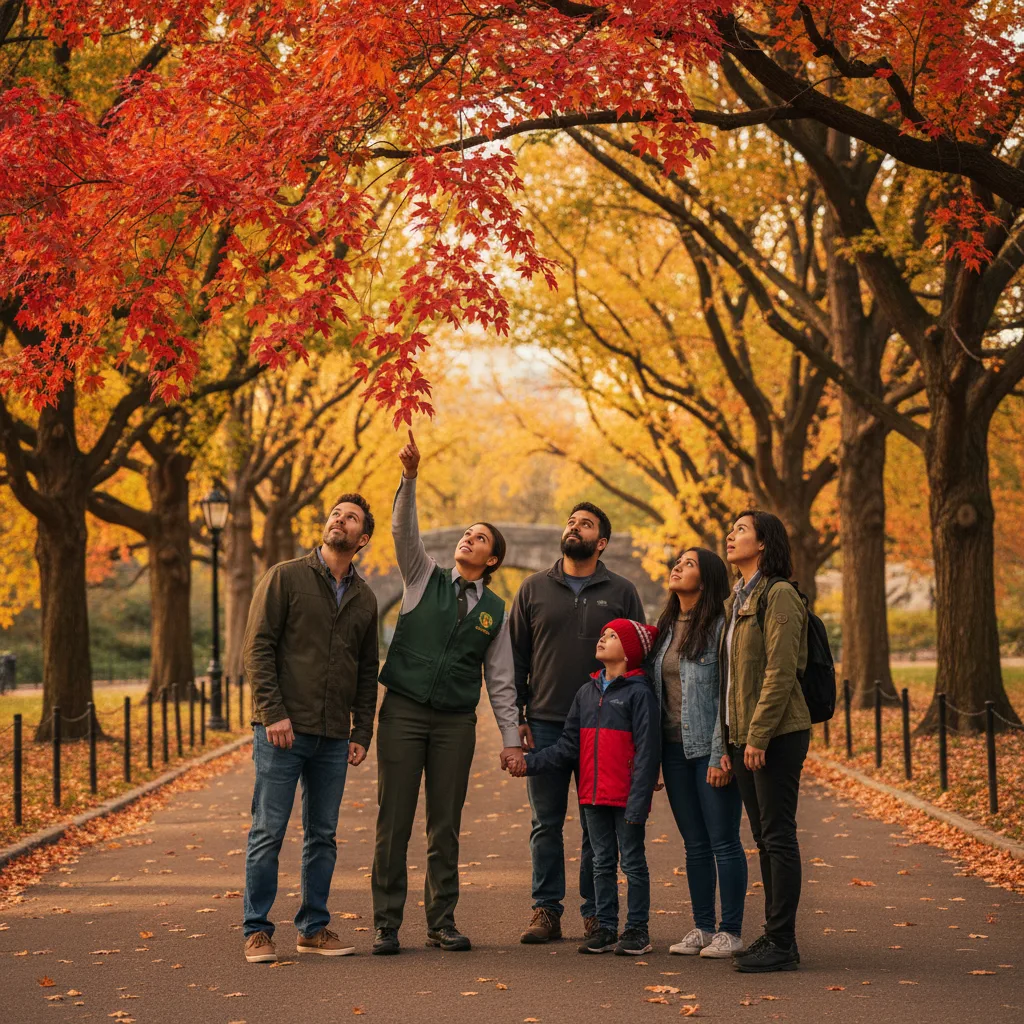
NYC Parks Announces Falling for Nature Hike on November 10 at West 81st Street
NYC Parks announces "Falling for Nature Hike" on November 10, 2026, at Central Park's West 81st Street entrance. Explore autumn flora, promoting urban nature awareness.
NYC Parks Announces 196 Nature Events Through June 2027
NYC Parks announced 196 nature events from November 9, 2026, to June 6, 2027, including many in Central Park. Engage with urban nature and promote stewardship.
Dr. Robert DeCandido to Lead Central Park Bird Watching Tour
Dr. Robert "Birding Bob" DeCandido will lead a bird watching tour from the Central Park Boathouse on November 8, 2026. Explore unique park areas and avian life.