


AIDS Walk New York 2026 Unites Thousands in Central Park

NEW YORK — Thousands of New Yorkers and supporters from across the region converged on Central Park this past Sunday, May 17, 2026, for the annual AIDS Walk New York. This landmark event, the largest HIV/AIDS fundraiser in the United States, brought together individuals, families, and organizations to raise crucial funds and awareness for the ongoing fight against HIV/AIDS.
The early morning hours saw participants gathering near Sheep Meadow, their energy palpable as they prepared for the walk through the park's scenic pathways. Organizers reported a robust turnout, underscoring the community's enduring commitment to the cause more than four decades after the epidemic first emerged.
Unwavering Community Support for AIDS Research
Participants began streaming into Central Park well before the 10:00 AM kickoff, assembling near the iconic Naumburg Bandshell. The event's route wound through various parts of the park, including along the Mall and past Bethesda Terrace, offering picturesque views while promoting a shared sense of purpose.
"The sheer volume of support we witness each year is truly inspiring," said Mary Johnson, Executive Director of Gay Men's Health Crisis (GMHC), the event's beneficiary. "Every step taken and every dollar raised directly translates into vital services, advocacy, and a continued push for a cure. We are deeply grateful to everyone who walked with us today."
Local businesses and community groups also sponsored teams, contributing significantly to the fundraising efforts. Their presence highlighted the broad-based support system that sustains GMHC's comprehensive programs, ranging from prevention education to direct patient care.
Impact on HIV/AIDS Services in New York
The funds generated by AIDS Walk New York 2026 are critical for sustaining and expanding essential services for individuals living with HIV/AIDS and for prevention initiatives. GMHC provides a wide array of programs, including testing, counseling, legal assistance, and housing support.
Last year's walk raised over $4.5 million, a figure organizers anticipate matching or exceeding this year. These contributions ensure that individuals facing the challenges of HIV/AIDS receive the care and resources they need, often without cost.
Dr. Anthony Fauci, former Director of the National Institute of Allergy and Infectious Diseases, has often emphasized the importance of community-led initiatives in the fight against infectious diseases. Events like the AIDS Walk continue to play an outsized role in filling funding gaps and keeping public attention focused on prevention and treatment advancements.
Historical Significance and Future Outlook
AIDS Walk New York boasts a rich history, with its origins tracing back to the nascent stages of the AIDS crisis in the 1980s. What began as a grassroots effort has evolved into a formidable annual tradition, symbolizing resilience and collective action in the face of adversity.
The event serves as a powerful reminder of the thousands of lives lost to AIDS and the ongoing need for vigilance and compassion. It also celebrates the advancements in treatment that have transformed HIV from a death sentence into a manageable chronic condition for many.
However, health officials consistently caution against complacency. "While treatment has made incredible strides, the fight is far from over," stated Dr. Lena Khan, a public health expert affiliated with Mount Sinai Hospital, during an interview with CBS News. "New infections continue, and disparities in access to care persist, particularly in underserved communities." Readers can find more local news updates regarding public health on CBS News' New York local page.
Participant Stories and Public Engagement
Many participants shared personal stories of how HIV/AIDS has touched their lives, marching in honor of loved ones or as individuals living with the virus. Banners bearing names and messages of hope dotted the procession, adding a deeply personal dimension to the collective endeavor.
The event's festive yet solemn atmosphere drew onlookers from all corners of Central Park, many stopping to cheer on walkers or inquire about how to contribute. Information booths provided educational materials on HIV prevention and local support services, enhancing public awareness.
The visibility of such a large-scale event in a prominent public space like Central Park helps to normalize conversations around HIV/AIDS and combat stigma. It reaffirms the park's role not just as a recreational space but as a venue for significant social and community movements. For details on upcoming Central Park events, refer to the Central Park News portal.
The Role of Central Park in Major Charity Events
Central Park consistently serves as the backdrop for numerous large-scale charity and community events throughout the year. Its expansive pathways, iconic landmarks, and accessibility make it an ideal location for gatherings of this magnitude.
City officials often collaborate with event organizers to ensure smooth logistics and public safety. The New York City Department of Parks & Recreation coordinates closely with groups like GMHC to manage crowd flow, sanitation, and medical support across the park grounds.
This partnership ensures that events like AIDS Walk New York can proceed safely and effectively, maximizing their impact. The park's natural beauty also provides a poignant setting for reflection and solidarity.
Frequently Asked Questions About AIDS Walk New York
What is AIDS Walk New York? AIDS Walk New York is the largest fundraising event in the United States dedicated to combating HIV/AIDS. It brings together thousands of participants annually to raise money for critical services, education, and advocacy efforts. The walk supports GMHC and other local AIDS service organizations.
Where does the AIDS Walk take place? The event typically begins and ends in Central Park, often utilizing areas around Sheep Meadow and the Naumburg Bandshell. The route typically covers several miles of scenic park pathways, providing a visible demonstration of support across the heart of Manhattan.
How can I get involved or donate? Individuals interested in participating in future walks can register as walkers, create a team, or volunteer for the event. Donations can also be made directly through the GMHC website or the official AIDS Walk New York portal. Information on advocacy and year-round support is also available.
Related Articles
More in Community & Philanthropy →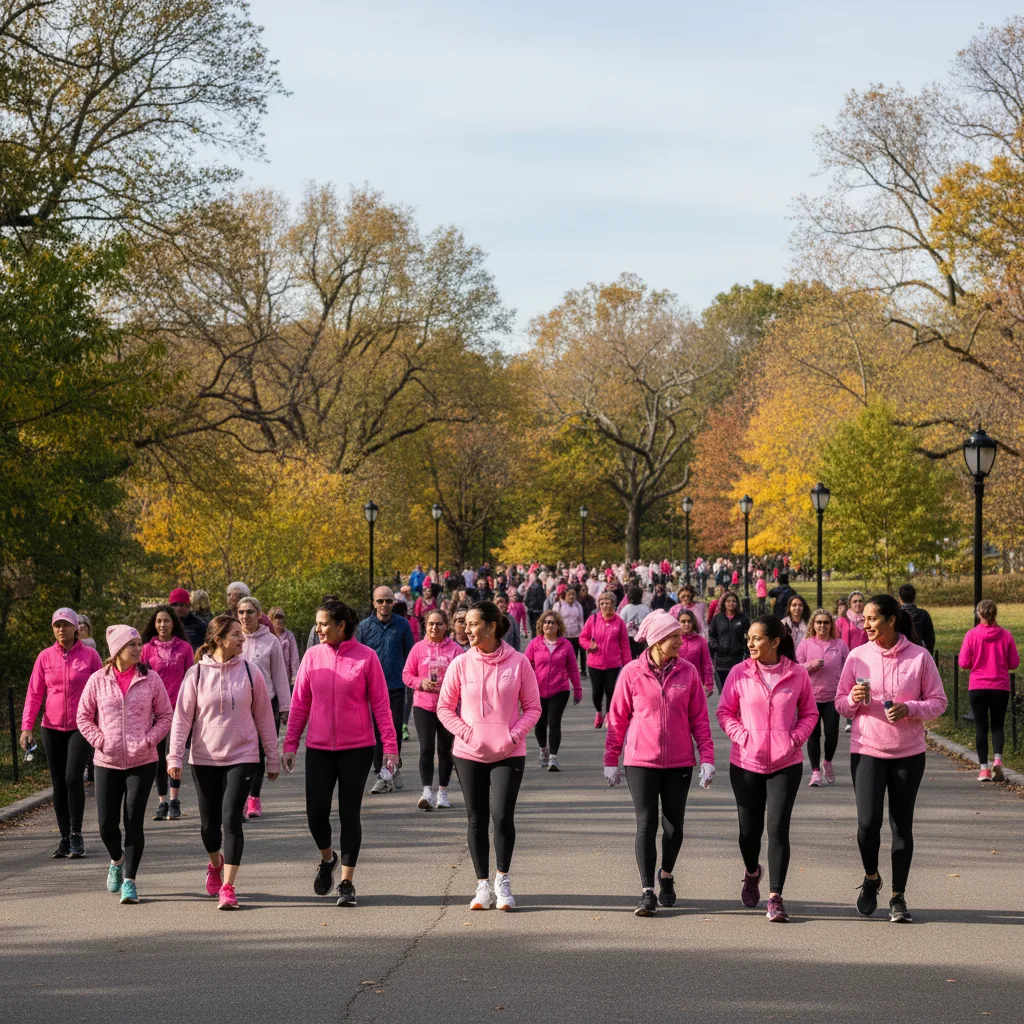
50,000 Expected to Rally in Central Park for Making Strides Walk
An estimated 50,000 participants are expected to rally in Central Park this month for the iconic Making Strides Against Breast Cancer walk. The event highlights community support for research and patient services.
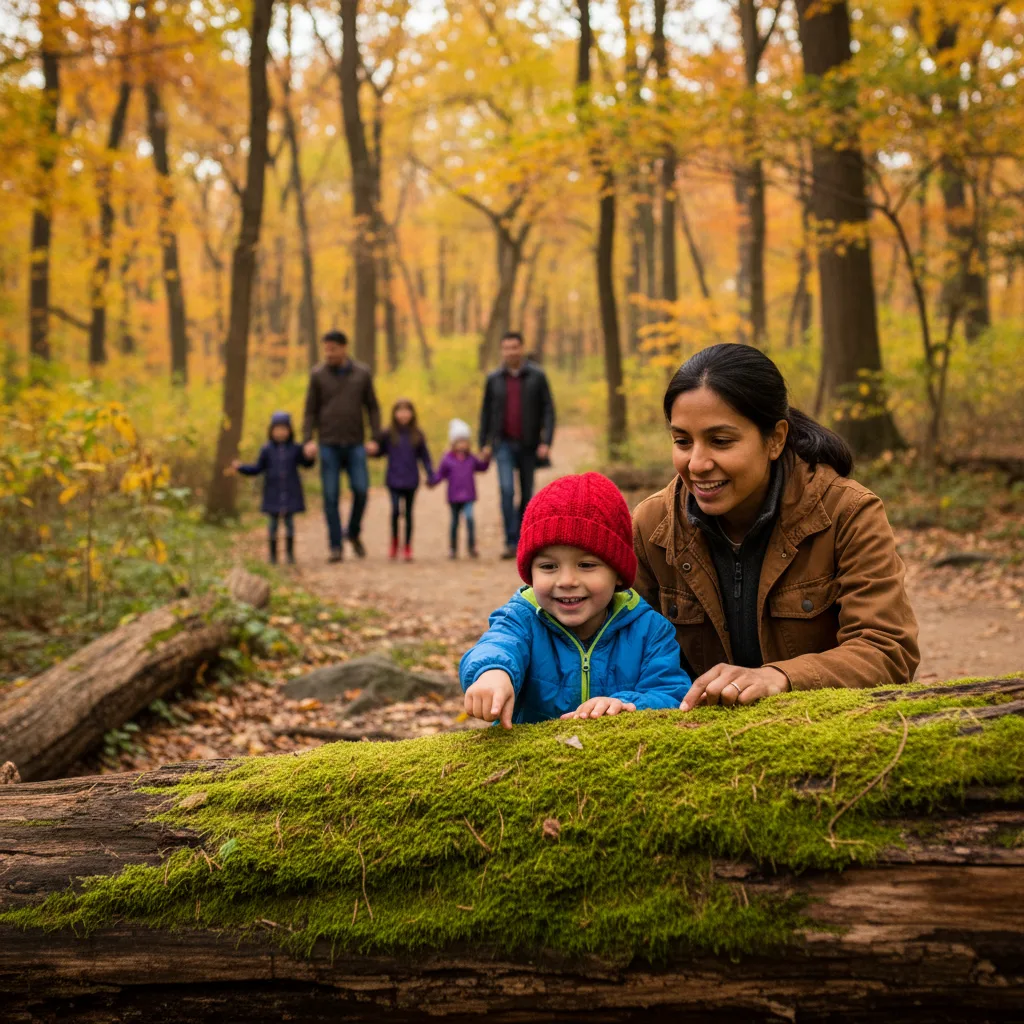
Central Park Kids Celebrate Forest Day with Wonder in the Woods
Central Park hosts "Wonder in the Woods" on October 3, 2026, a free family scavenger hunt in the North Woods. Children can celebrate City of Forest Day, offering an engaging outdoor activity.

Central Park Conservancy Launches Free Fall Scavenger Hunt
Central Park Conservancy launches a free fall scavenger hunt for families next month, encouraging outdoor exploration. This self-guided tour through wooded areas offers a chance to unplug and enjoy autumn beauty.
Central Park Friday Play Club Continues for Children in October 2026
Central Park's Friday Play Club, a free, parent-led initiative, continues through winter recess, offering children outdoor recreation on October 2, 2026, and subsequent Fridays.
Patch Calendar Highlights Central Park 'Party On Park 2026' September 27
The Upper East Side Patch calendar featured "Party On Park 2026" for Sunday, September 27, at 12:00 PM, opening Park Avenue Viaduct spaces for recreation near Central Park.
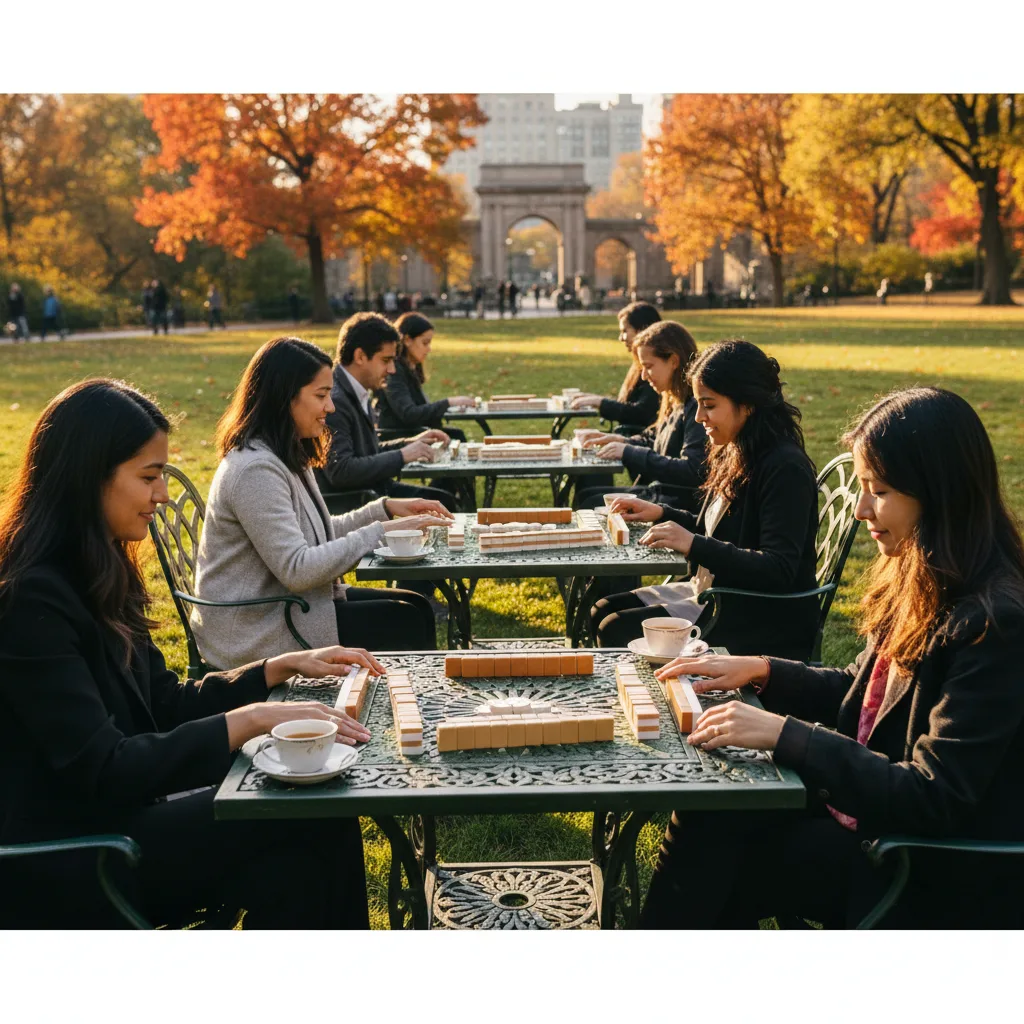
Central Park Conservancy Announces 2026 Fall Mahjong Social
The Central Park Conservancy announced its 2026 Fall Central Park Mahjong Social, hosted by the Women’s Committee and Playground Partners. This event supports park initiatives and follows the Play for the Park Tennis Tournament, inviting community involvement.