


Bill Ritter Honored as Horse Carriage Incident Under Investigation in Central Park

NEW YORK — Veteran journalist Bill Ritter received a Lifetime Achievement Award while emceeing the YAI Central Park Challenge last week, celebrating his extensive career and dedication to community. This celebratory event coincided with news of a horse carriage overturning in Central Park, prompting a multi-agency investigation and renewed calls for safety reviews. The contrasting events highlight both the vibrancy and ongoing challenges facing the iconic urban oasis.
The YAI event brought thousands to the park to support individuals with intellectual and developmental disabilities. Meanwhile, the incident with the horse carriage has raised questions about public safety and animal welfare, according to ABC7 New York.
Ritter's Distinguished Career and Community Engagement
Bill Ritter, the esteemed anchor for WABC-TV, was celebrated for his decades of journalistic integrity and unwavering commitment to public service. His role as emcee for the YAI Central Park Challenge is one of many instances where he lends his voice to important causes. The Lifetime Achievement Award recognized his impact on local news and his active participation in community initiatives throughout New York City.
Ritter expressed gratitude for the honor, telling attendees, “It’s humbling to be recognized, but the real heroes are the people of YAI and those they serve.” The YAI Central Park Challenge, held annually near the Naumburg Bandshell, typically draws over 2,000 participants and raises hundreds of thousands of dollars for vital programs. His presence amplified the event's reach and impact, ensuring more people learned about YAI's crucial work.
Horse Carriage Overturns: Investigation Underway
Separately, a horse carriage overturned near the Pond at the park’s southeast corner on Tuesday afternoon, resulting in minor injuries to passengers and the driver. The incident, which occurred around 2:30 p.m. near Grand Army Plaza, immediately drew attention from emergency services and park officials. Two tourists from Ohio sustained scrapes and bruises but declined hospitalization, according to an NYPD spokesperson.
The horse involved, a 12-year-old mare named Rosie, appeared shaken but sustained no serious injuries, as confirmed by veterinarians from the American Society for the Prevention of Cruelty to Animals (ASPCA) who responded to the scene. The carriage operator, Samuel Rodriguez, stated that a sudden traffic swerve caused the carriage to tilt, telling police, “It happened so fast, I couldn’t correct it.” The incident prompted a temporary closure of the carriage route along Central Park South for several hours.
Calls for Enhanced Safety and Regulations
This incident has reignited long-standing debates surrounding the safety and ethics of horse-drawn carriages in Central Park. Animal rights activists immediately renewed their calls for a complete ban on the industry. “This is exactly why these carriages should be off our streets,” stated Sarah Jenkins, a spokesperson for New Yorkers for Animal Rights, in a press conference outside the park. “It’s not just about animal welfare; it’s about public safety.”
Conversely, the Horse and Carriage Association of New York argued that such incidents are rare, emphasizing the industry’s safety record. D.J. Singh, president of the association, defended the safety protocols, telling a local reporter, “Our drivers are licensed, our horses are regularly inspected, and we prioritize safety above all else. This was an unfortunate accident.” The Department of Consumer Affairs, which regulates the industry, announced a full investigation into the cause of the overturning, examining both the driver's conduct and the carriage's mechanical integrity.
Central Park: A Hub of Activity and Oversight
Central Park remains a focal point for a myriad of activities, from charity runs and cultural events to daily recreation and tourist attractions. The park’s diverse usage necessitates robust oversight from multiple agencies, including the Central Park Conservancy, NYPD, and NYC Parks Department. Maintaining safety and balance among these varied interests is a continuous challenge. Explore additional Central Park news and incidents.
The incident serves as a stark reminder of the complexities involved in managing a world-class urban park that serves both local residents and millions of tourists annually. Officials are reviewing current safety protocols for all park activities to prevent similar occurrences in the future. The carriage horses operate primarily along the perimeter roads and designated routes, particularly around Sheep Meadow and the Dairy Visitor Center.
Frequently Asked Questions About Central Park Carriages
Many visitors and residents frequently inquire about the horse carriages, their routes, and regulations. Horse-drawn carriages operate within Central Park daily, typically from mid-morning until late evening, weather permitting. Their routes are strictly regulated, generally confined to designated roadways, and they are prohibited from entering pedestrian-only zones. Carriages usually pick up passengers at Grand Army Plaza and along Central Park South. The Department of Health and Mental Hygiene oversees the welfare of the horses, ensuring they receive proper care, rest, and veterinary attention. Drivers must be licensed by the Department of Consumer Affairs, and carriages undergo regular inspections for safety. Debates about their continued presence are ongoing, balancing tradition, tourism, animal welfare, and safety concerns.
Related Articles
More in Safety & Crime →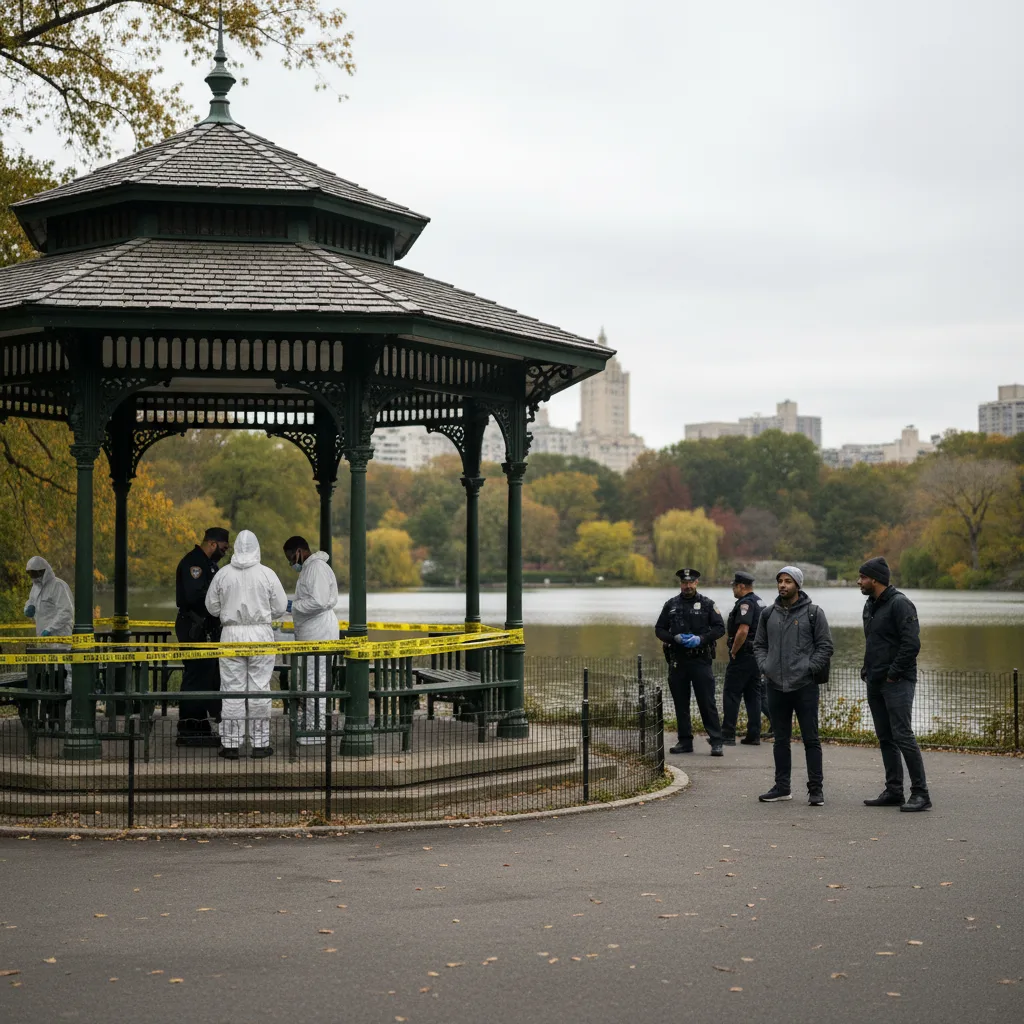
Central Park Woman Found Dead Near Boathouse Gazebo
A woman was found stabbed to death in a Central Park gazebo near the Boathouse on Sunday, prompting an active NYPD homicide investigation.
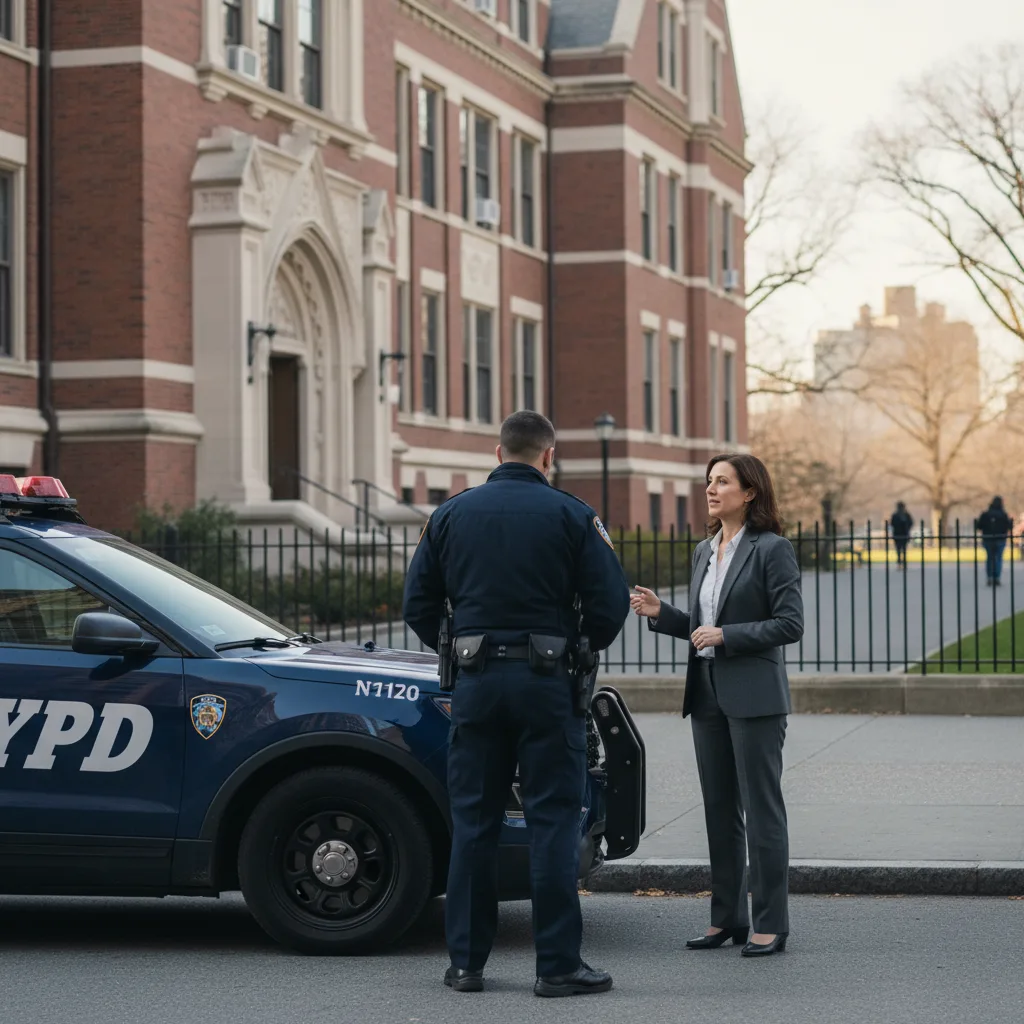
Queens Student Arrested for Bringing Gun to High School
A Queens student was arrested for bringing a gun to high school, prompting immediate law enforcement action and raising school safety concerns.
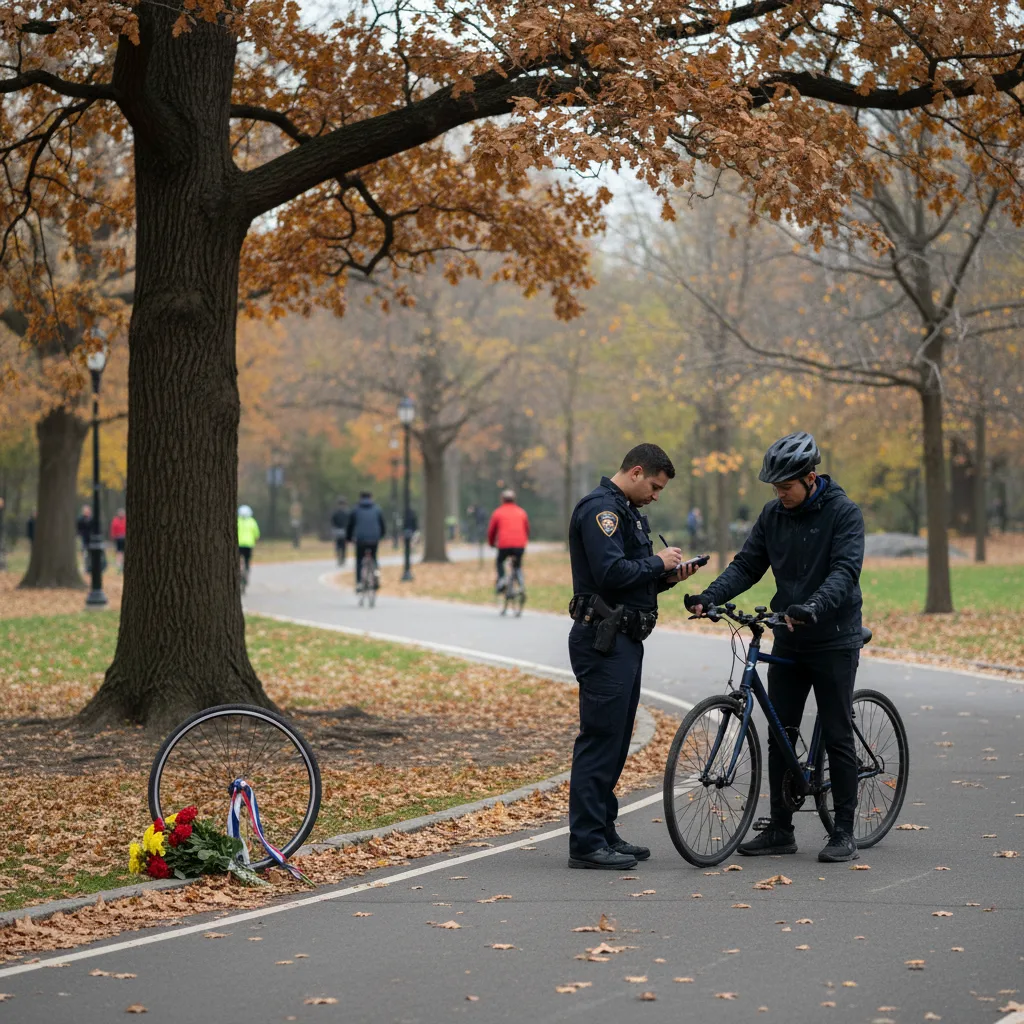
NYC Cyclist Death Prompts NYPD Ticketing Near Fatal Crash Site
NYPD stepped up cyclist ticketing near a recent fatal crash site in Central Park after a cyclist died Monday morning. Local groups demand safety reforms.
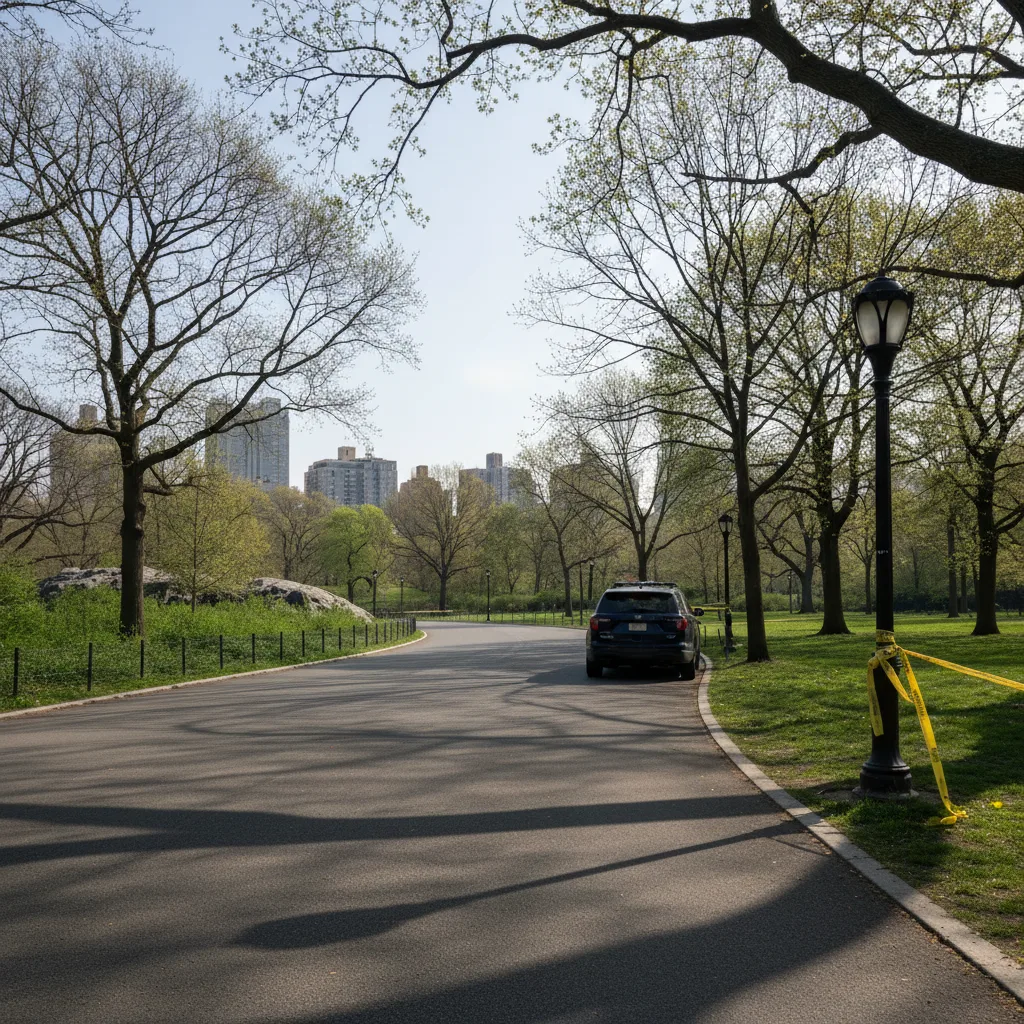
NYPD Confirms 71-Year-Old Cyclist Dies After Dog Collision in Central Park
NYPD confirms a 71-year-old cyclist died after colliding with a dog on Central Park's East Drive, near East 84th Street. The investigation is ongoing.
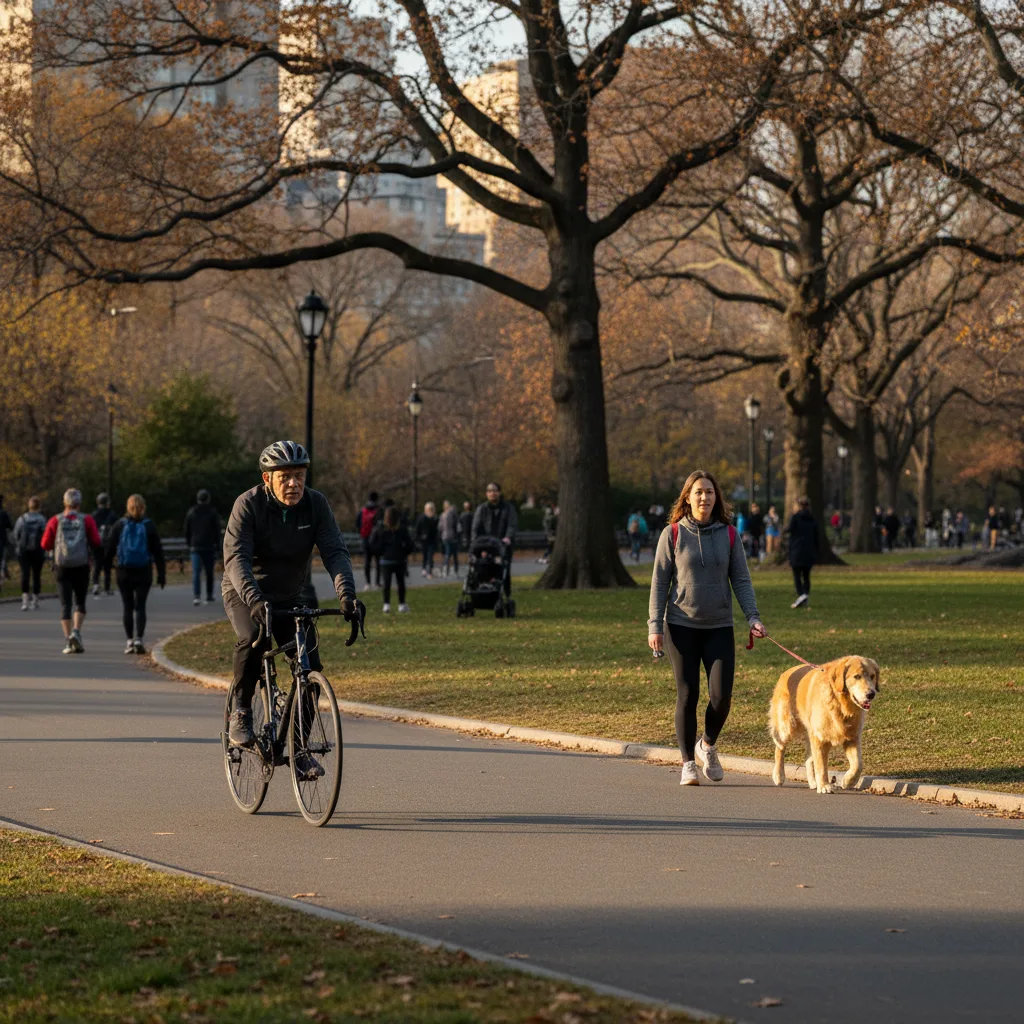
NYPD Investigates Central Park Cyclist Death After Dog Collision
NYPD confirms a 71-year-old cyclist died after colliding with a dog on Central Park's East Drive, near 84th Street. Investigation ongoing.
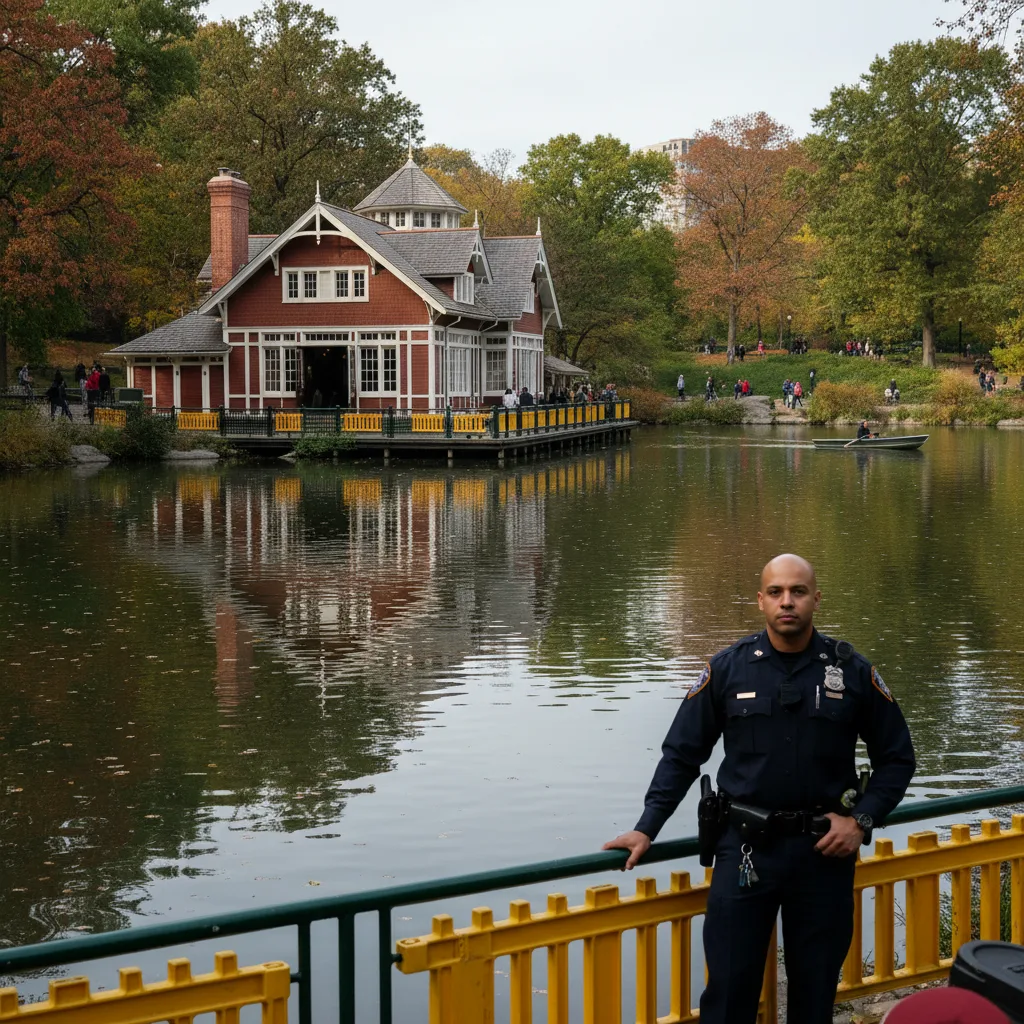
Man Charged in Central Park Beating Death of 63-Year-Old Woman
A 36-year-old man was charged with murder after a 63-year-old woman was found dead with head trauma in Central Park, NYPD confirmed.