


Billion-Dollar Tower: Engineering Flaws Raise Concerns Near Central Park

NEW YORK — "The idea of a $2 billion skyscraper having such fundamental engineering flaws is deeply unsettling for both residents and the future of our city’s skyline," stated structural engineer Dr. Lena Gupta, a faculty member at New York University’s Tandon School of Engineering. This sentiment captures the growing alarm over a luxury residential tower situated just blocks from Central Park, which is reportedly experiencing significant structural problems.
The building, whose precise address has not been publicly identified by city officials citing proprietary information concerns, is a prominent fixture on the Midtown skyline, offering residents unparalleled views of Central Park and the Hudson River. Reports of its structural issues, including noticeable leaning and internal stresses, have circulated quietly for several months among construction professionals and city inspectors. The issues are now coming to light, prompting serious questions about oversight and construction standards.
Developer Faces Scrutiny Over Construction
Sources close to the project indicate that the developer, a prominent international firm, has been aware of the structural anomalies for at least a year. Initial reports suggest inconsistencies in the foundation work and challenges related to the building’s extremely slender design, a trend seen in several new ultra-luxury towers in Manhattan. These design choices aim to maximize views and property value over smaller footprints.
The Department of Buildings (DOB) confirmed it has been in communication with the developer regarding "ongoing structural assessments." "We are actively monitoring the situation," a DOB spokesperson told reporters, declining to elaborate further given the sensitivity of the case. The DOB has issued several stop-work orders on specific internal components of the building over the past six months, according to public records. This situation could set a precedent for future tall building construction.
Impact on Adjacent Central Park Views
While the tower itself is not within Central Park, its proximity means its structural integrity and potential visual impact are significant concerns for the park and its surrounding properties. A leaning tower, especially one that dominates the midtown view corridor from places like the Pond or Wollman Rink, could become a permanent visual blight.
Property values in the immediate vicinity, particularly those with direct park views, could also be affected if public perception of the building’s stability deteriorates. Residents in nearby co-ops and condos have expressed anxieties, though official statements from their boards have yet to emerge. The building stands at an estimated 1,400 feet, making any structural issue a major urban planning concern.
Engineering Challenges of Super-Slender Towers
New York City has seen a proliferation of super-slender residential towers, often dubbed "pencil towers," particularly along Billionaires' Row. These structures push the boundaries of modern engineering. They require innovative solutions to counteract wind sway and ensure stability, often employing complex damping systems and robust foundation designs. The building in question embodies these challenging construction techniques.
Failures or significant issues in one such high-profile project can cast a shadow on the entire segment of ultra-luxury development. The incident is currently the subject of an investigative documentary by the "Broken Tower Archive" on YouTube, providing a detailed visual account of such engineering challenges, as seen at This $2 Billion Tower Has a Serious Problem (And Is Not ... - YouTube.
Calls for Increased Regulatory Oversight
City Council members and urban planning advocates are calling for a thorough review of the approval processes and inspection protocols for mega-developments. The potential for such significant structural issues, particularly in a building of this scale and cost, raises questions about the adequacy of current regulatory frameworks. The last major regulatory review of high-rise construction was conducted in 2018.
"We need to ensure that our building codes and enforcement mechanisms are keeping pace with these ambitious designs," asserted Council Member Mark Reynolds, chair of the Land Use Committee. "The safety of our city's residents and the integrity of our skyline are paramount." He pledged to hold public hearings on the matter in late February 2026. For information on other park-related news, refer to Central Park News.
Frequently Asked Questions
What is the problem with the billion-dollar tower near Central Park? The luxury residential tower is reportedly experiencing significant engineering flaws, including structural anomalies and leaning. These issues have led to several stop-work orders from the Department of Buildings and raised concerns among structural engineers and residents.
How does this tower impact Central Park? While not directly in Central Park, the tower's proximity and height mean its structural issues could visually impact the park’s viewsheds and potentially affect surrounding property values. Any significant structural instability in such a prominent building could have broader urban planning implications for the area adjacent to the park.
What actions are being taken by city officials? The Department of Buildings is actively monitoring the situation and has issued stop-work orders on specific components of the building. City Council members are calling for a review of regulatory oversight and inspection protocols for large-scale developments, with public hearings expected in late February 2026. The developer is also reportedly engaging in ongoing structural assessments.
Related Articles
More in Urban Policy & Development →
NYC Mayor Mamdani Booed at Union Square October 7 Vigil
Mayor Mamdani faced boos and protests at a Union Square vigil Thursday marking the Oct. 7 attacks, highlighting deep community divisions in NYC.
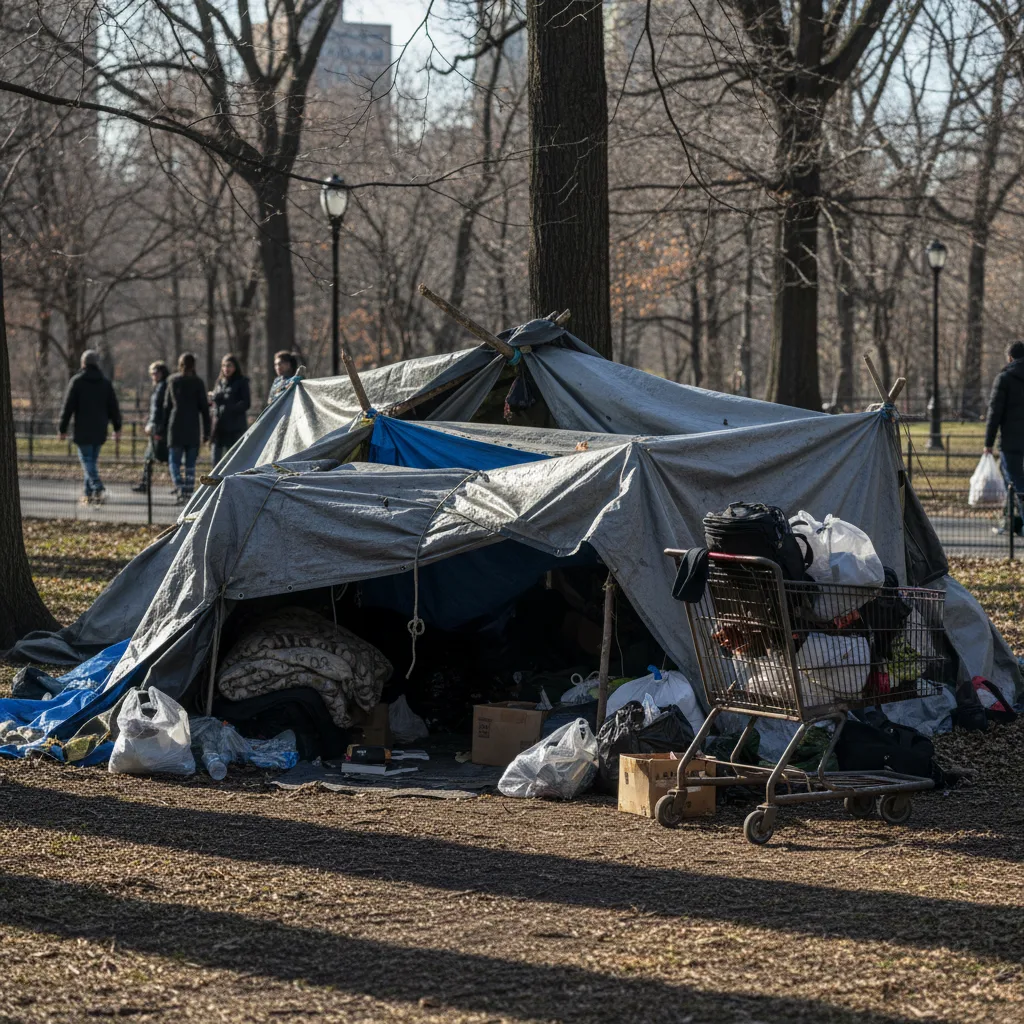
NYC Homeless Encampments Spotted Across Manhattan, Raising Concerns
Multiple homeless encampments have been spotted across Manhattan, raising significant concerns about urban policy and public safety. City officials are under pressure to address the growing homelessness crisis.
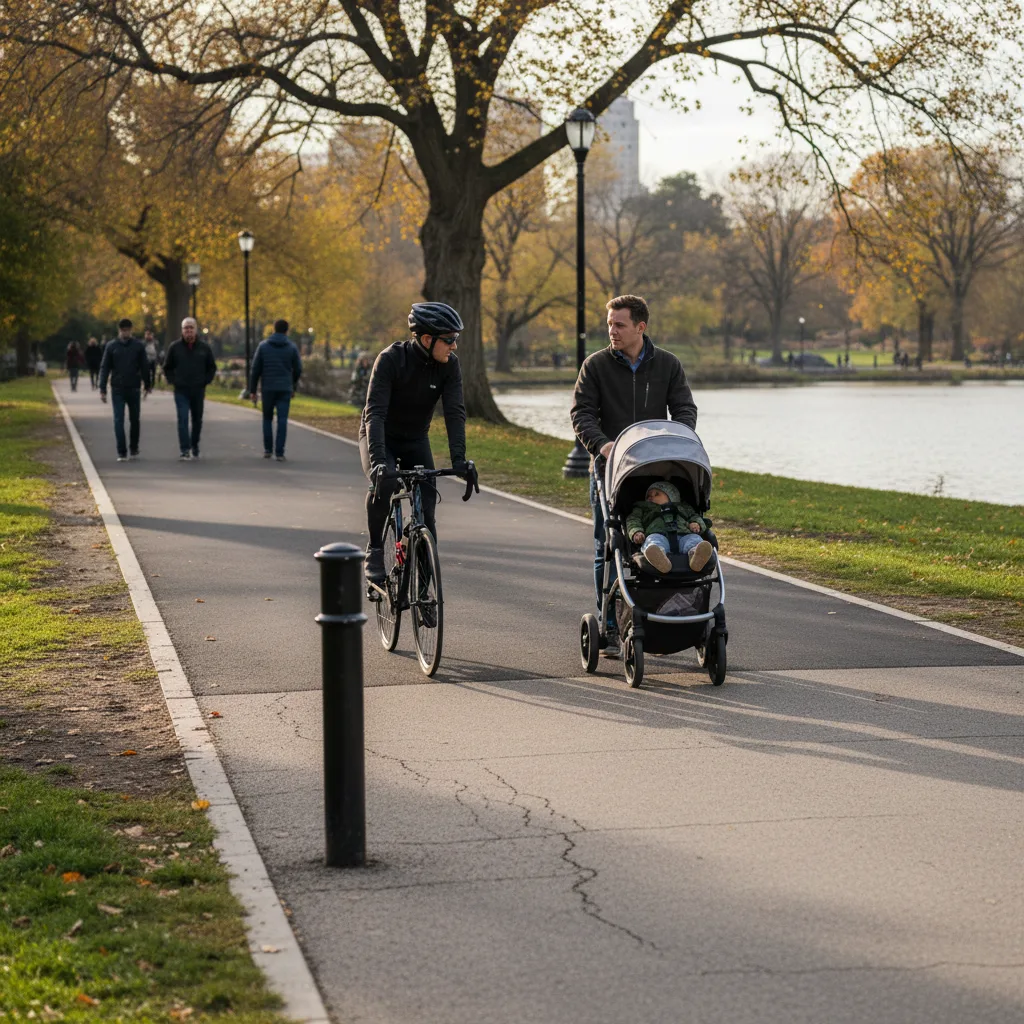
Safety Advocate Blames Park Redesign for Rising Central Park Cyclist Crashes
Safety advocates blame recent Central Park redesigns for a pedestrian's death and rising cyclist crashes, calling for urgent review of infrastructure.
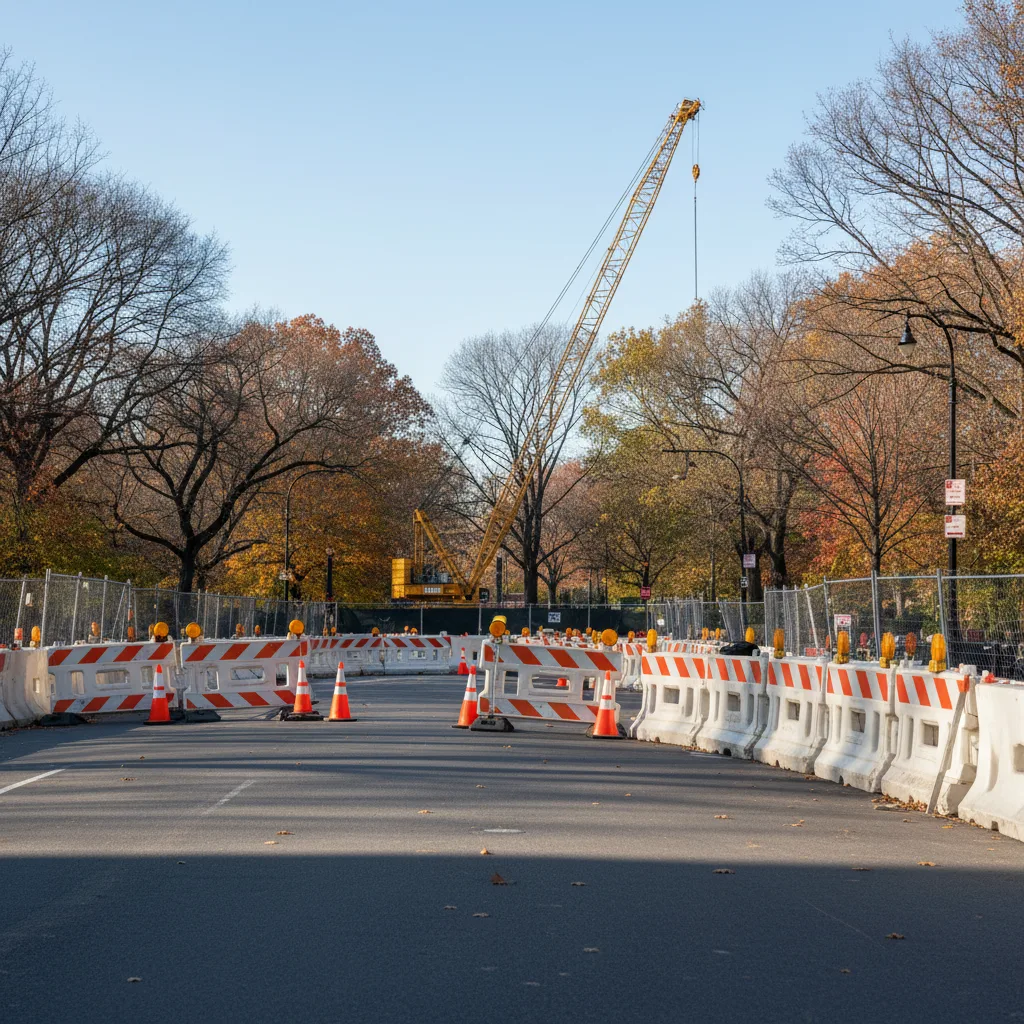
NYC DOT Advises Central Park Area Traffic Disruptions September 27
NYC DOT issued advisories for major traffic disruptions near Central Park on September 27, 2026, due to a parade and crane operations. Expect delays.

Davis Center at Harlem Meer Unveils State-of-the-Art Facilities
The new Davis Center at the Harlem Meer in Central Park's north end now features a state-of-the-art pool, ice rink, and multi-use turf field, enhancing community recreational options.

NYC City Record Confirms September 21, 2026, Publication Schedule
The NYC City Record confirmed its September 21, 2026, publication schedule, detailing administrative notices, procurement, and public hearings. This ensures transparency for municipal operations and public access to vital city information.