


Billionaire Ken Griffin's Miami Move Sparks NYC Tax Policy Debate

NEW YORK — "Well, today we're taxing the rich." This statement, reportedly from Mayor Mamdani last month, has fueled a heated debate over New York City's tax policies and their potential impact on wealthy residents, exemplified by billionaire Ken Griffin's recent relocation to Miami. While Griffin’s move doesn’t directly relate to Central Park, the broader conversation about wealth exodus and tax revenue has significant implications for city services, including the park’s funding.
Griffin, founder of Citadel, publicly stated he is "doubling down on Miami" after expressing concerns about New York's tax environment. His departure, and that of other high-net-worth individuals, raises questions about the long-term financial health of New York City and its ability to fund critical public assets like Central Park. This financial dynamic directly affects conservation efforts and public amenities.
The Fiscal Impact of High-Net-Worth Departures
Ken Griffin's personal net worth is estimated at over $35 billion, and his firm, Citadel, has been a significant presence in New York's financial sector. The departure of such a high-profile, high-income taxpayer could translate into a substantial loss of personal and corporate tax revenue for the city and state. Economists at the New York Fiscal Policy Institute estimate each billionaire departure could cost the city tens of millions annually in various taxes.
Such a revenue shortfall could impact budgets across numerous city departments, including the Department of Parks and Recreation, which partially funds Central Park operations. While the Central Park Conservancy relies heavily on private donations, public funds often cover crucial infrastructure projects and security services within the 843-acre park. A reduction in city support would necessitate greater reliance on philanthropic contributions.
Mayor Mamdani's "Tax the Rich" Stance
Mayor Mamdani's comments, which quickly went viral, reflect a growing political sentiment in some quarters to increase taxes on the wealthiest New Yorkers to fund social programs and city improvements. Proponents argue that higher taxes are necessary for equitable resource distribution and to address societal inequalities. The Mayor's office defended the stance, asserting it aligns with the needs of working-class families.
However, critics, including some business leaders, argue that such policies risk driving away major employers and wealthy residents, ultimately harming the city's economic competitiveness. The debate centers on finding a balance between progressive taxation and maintaining an attractive business climate. The outcome of this policy discussion could shape the future of urban development and public space funding.
Central Park Funding: A Hybrid Model
Central Park operates under a unique public-private partnership. The Central Park Conservancy, a non-profit organization, manages the park under a contract with the City of New York. The Conservancy raises over 75% of the park's annual operating budget, which typically exceeds $100 million. This covers everything from horticultural maintenance to public programming near the Naumburg Bandshell.
City contributions, often for capital projects or specific services like NYPD presence, make up the remaining percentage. Any decrease in municipal revenue from tax policies could therefore place a greater burden on the Conservancy's fundraising efforts. This delicate balance highlights the park's vulnerability to broader economic and political shifts. You can learn more about the Conservancy’s funding initiatives on the Central Park Conservancy’s official site.
The Broader Impact on NYC's Public Amenities
The "tax the rich" debate and subsequent high-profile departures extend beyond Central Park. Public libraries, schools, infrastructure projects, and social services throughout the five boroughs also rely on city tax revenues. A significant reduction in the tax base could lead to cuts in these vital services, affecting millions of New Yorkers.
This ongoing discussion underscores the interconnectedness of urban planning, fiscal policy, and quality of life. The departure of wealthy individuals, and the broader debate around tax policy, will undoubtedly remain a central theme in New York City politics for the foreseeable future. How the city navigates this challenge will determine the future of its public spaces and services.
FAQ: Tax Policy and Central Park Funding
How does New York City's tax policy affect Central Park? Central Park receives a portion of its funding through the New York City budget, particularly for certain capital projects and city services like public safety. Changes in city tax policy, especially those impacting overall revenue, can indirectly affect the amount of municipal support available for the park.
Who primarily funds Central Park's operations? The Central Park Conservancy, a private non-profit organization, is the primary funder, raising over 75% of the park's annual operating budget through donations, endowments, and earned income. The remaining portion comes from the City of New York.
What are the concerns about wealthy residents leaving New York City? Concerns revolve around a potential decrease in the city's tax base, as high-net-worth individuals contribute significantly to income, property, and sales tax revenues. A substantial exodus could lead to revenue shortfalls for city services, including parks.
What is the "tax the rich" debate in New York City? This refers to ongoing political discussions about increasing taxes on high-income earners and corporations within the city to fund public services and address economic inequality. Proponents argue it provides necessary revenue, while critics fear it may drive away businesses and wealthy residents.
How can I contribute to Central Park's funding? Individuals interested in supporting Central Park can make direct donations to the Central Park Conservancy. The Conservancy offers various ways to contribute, from annual memberships to specific project sponsorships, ensuring the park's continued beauty and accessibility.
Related Articles
More in Urban Policy & Development →
NYC Mayor Mamdani Booed at Union Square October 7 Vigil
Mayor Mamdani faced boos and protests at a Union Square vigil Thursday marking the Oct. 7 attacks, highlighting deep community divisions in NYC.
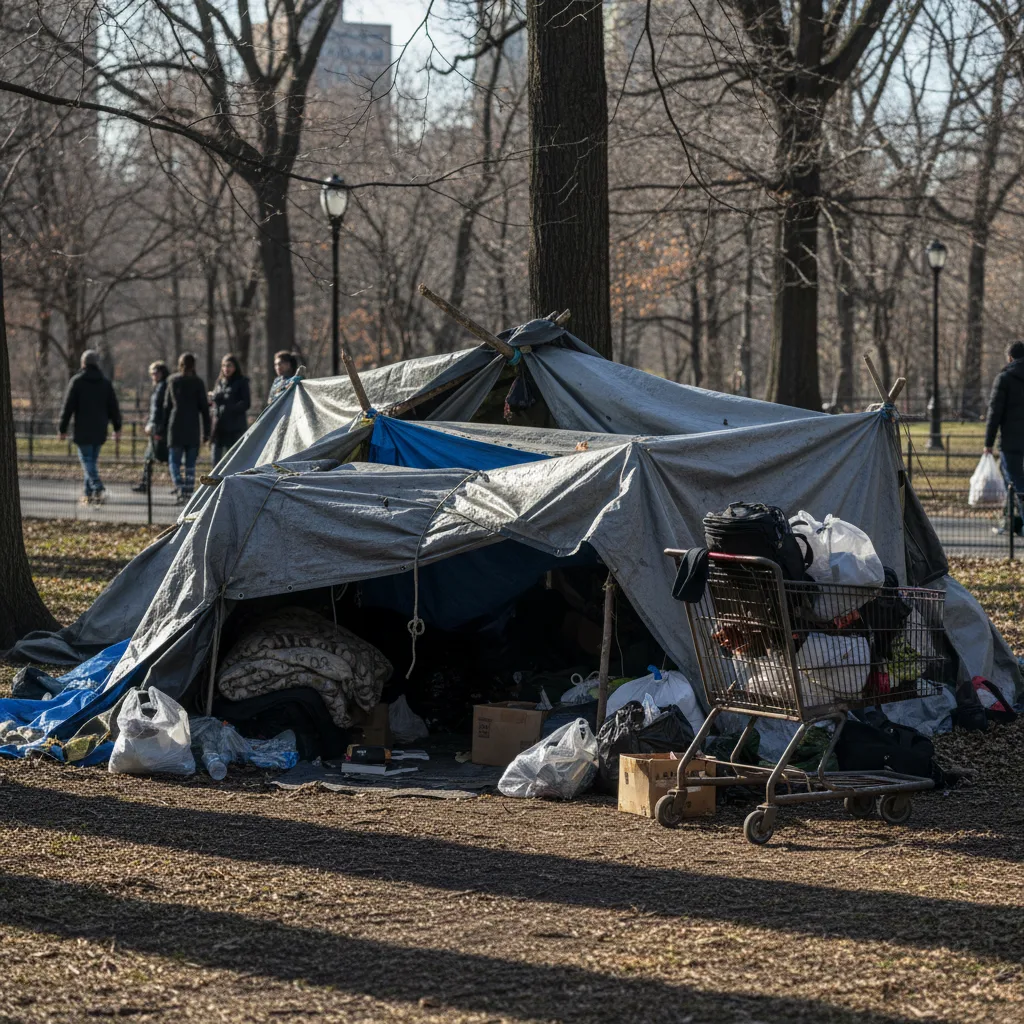
NYC Homeless Encampments Spotted Across Manhattan, Raising Concerns
Multiple homeless encampments have been spotted across Manhattan, raising significant concerns about urban policy and public safety. City officials are under pressure to address the growing homelessness crisis.
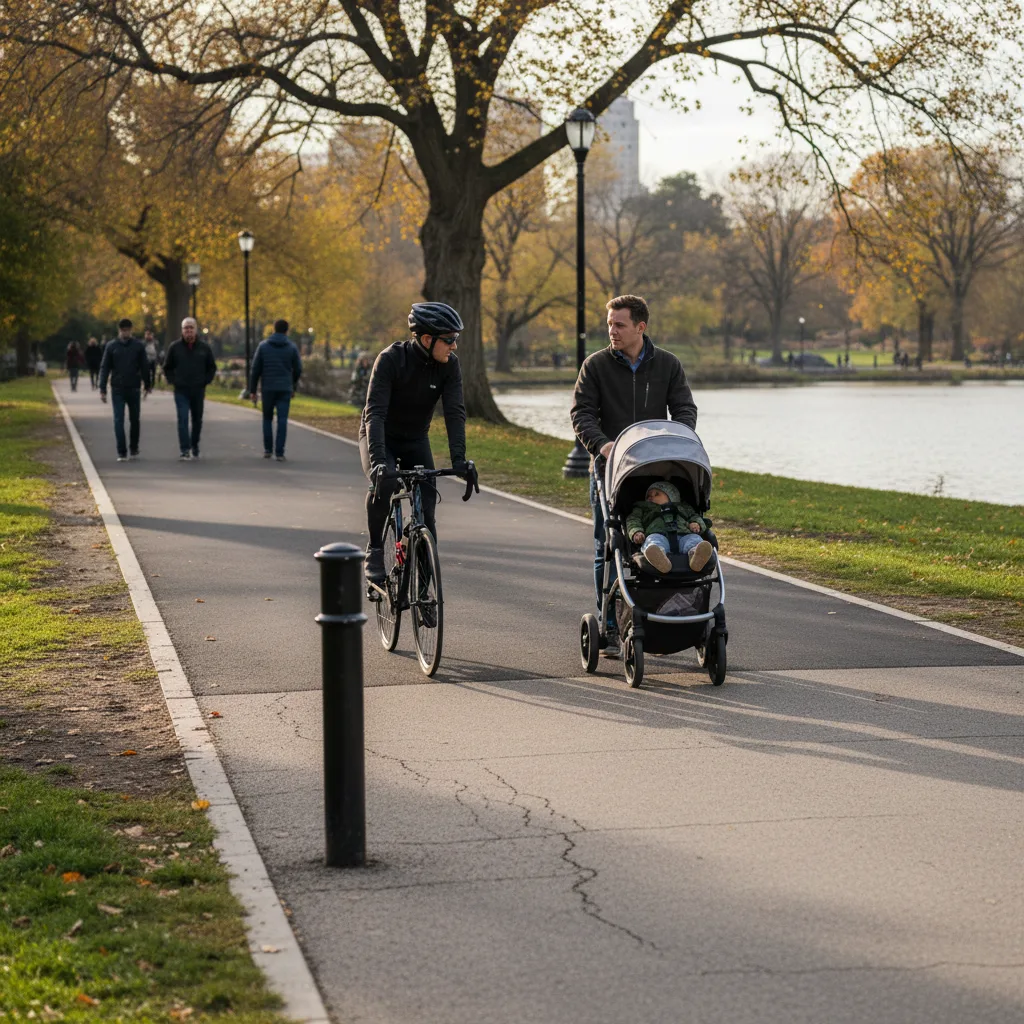
Safety Advocate Blames Park Redesign for Rising Central Park Cyclist Crashes
Safety advocates blame recent Central Park redesigns for a pedestrian's death and rising cyclist crashes, calling for urgent review of infrastructure.
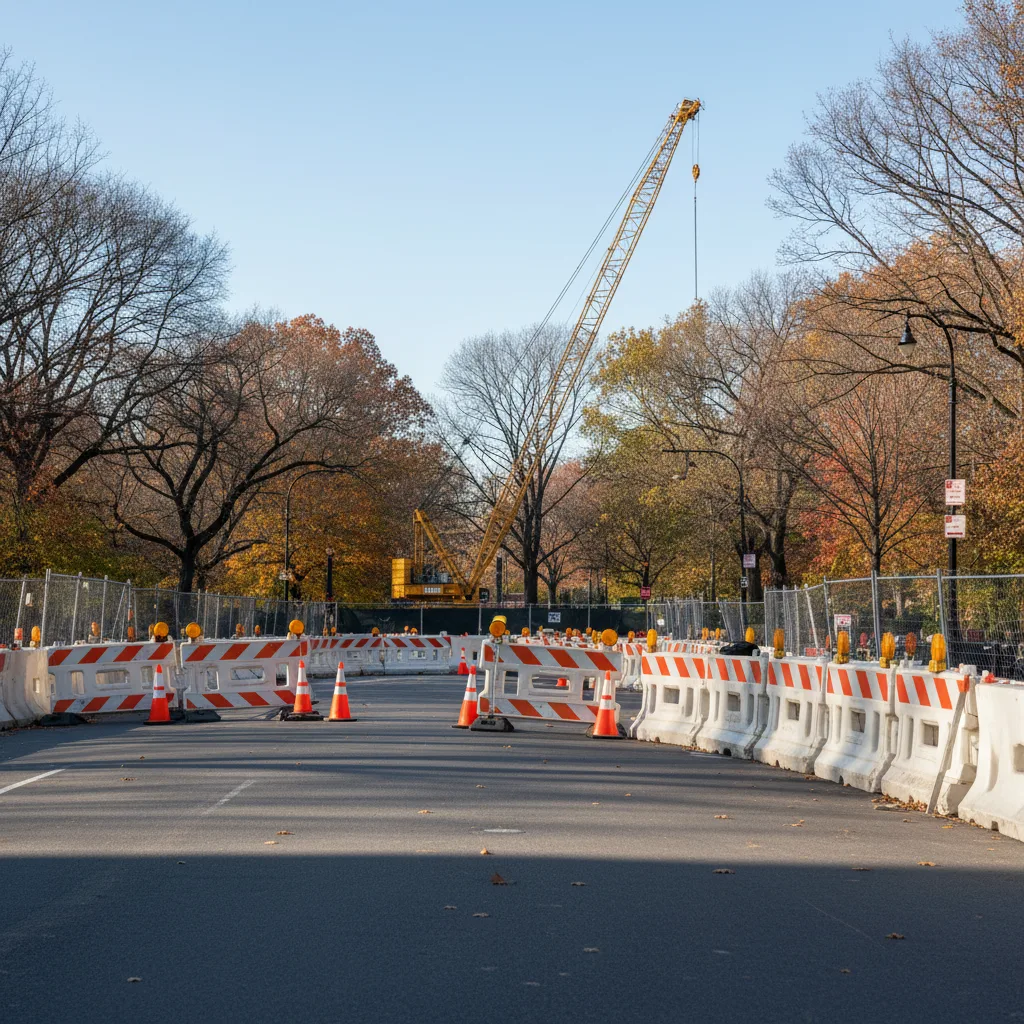
NYC DOT Advises Central Park Area Traffic Disruptions September 27
NYC DOT issued advisories for major traffic disruptions near Central Park on September 27, 2026, due to a parade and crane operations. Expect delays.

Davis Center at Harlem Meer Unveils State-of-the-Art Facilities
The new Davis Center at the Harlem Meer in Central Park's north end now features a state-of-the-art pool, ice rink, and multi-use turf field, enhancing community recreational options.
NYC City Record Confirms September 21, 2026, Publication Schedule
The NYC City Record confirmed its September 21, 2026, publication schedule, detailing administrative notices, procurement, and public hearings. This ensures transparency for municipal operations and public access to vital city information.