


Carriage Horse Collapses Near Park Central Hotel, Sparking Fleet Review
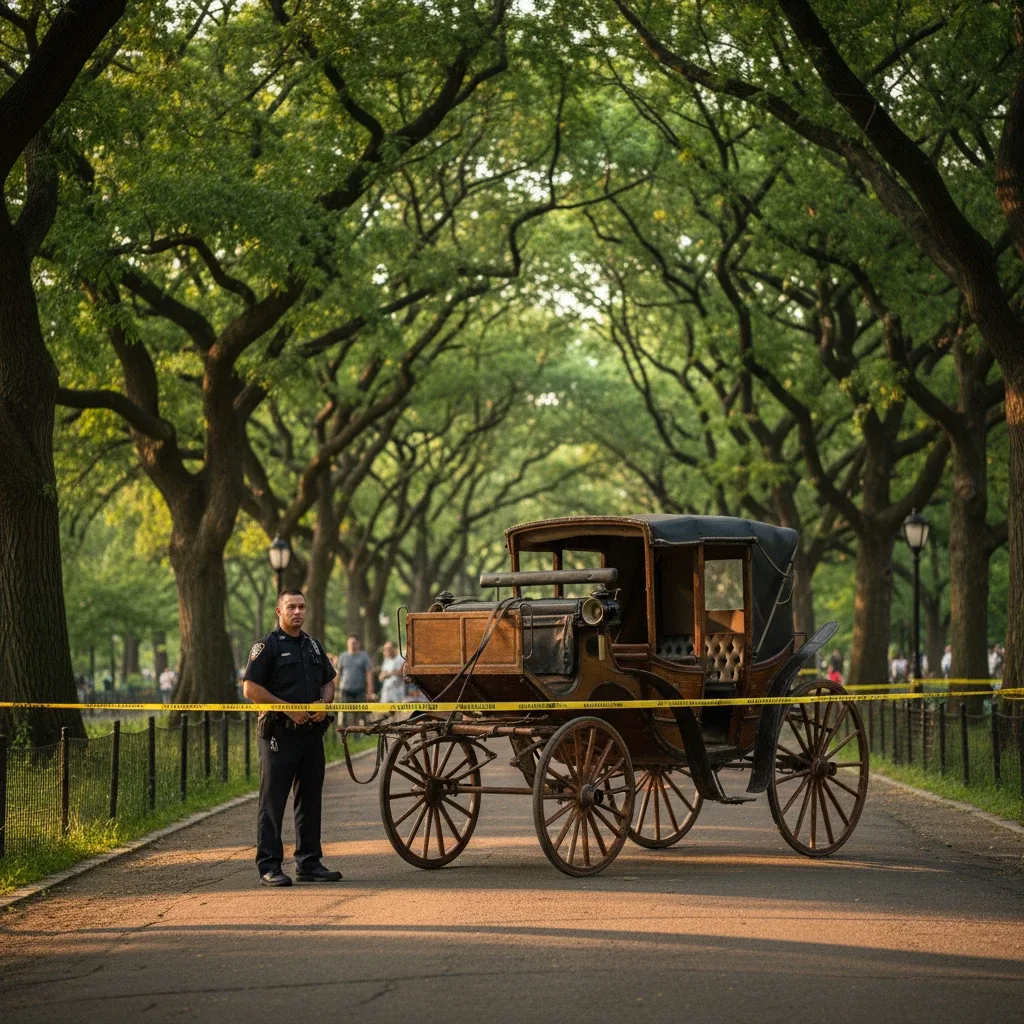
NEW YORK — NYC Parks Commissioner Sue Donoghue ordered an immediate veterinary investigation Wednesday after a carriage horse named Deniz collapsed and died in Central Park near the East 72nd Street entrance, according to ABC7NY. The tragic death, which occurred just blocks away from the bustling carriage stands near the park central hotel, has reignited intense municipal debates over the ethics of urban carriage operations.
Animal advocacy groups converged near the site of the incident within hours of the collapse, demanding immediate structural policy reforms from the city. The late afternoon sun filtered through the elm trees along the Mall, casting long shadows across the pavement where the animal took its final steps.
Tragic Scene Unfolds Near Park Central Hotel Loop
The incident occurred during the busy evening tourist rush when foot traffic along the southern loop was dense. Eyewitnesses reported seeing the animal struggle to pull its carriage before buckling near the paved pathway. Officers from the NYPD's 22nd Precinct responded to the scene to divert onlookers and manage the swelling crowd.
Veterinary emergency responders arrived shortly after the collapse, but the animal could not be revived. Officials from the Central Park Conservancy assisted in transporting the horse from the public path to facilitate a forensic autopsy. The event has focused public attention on carriage horse welfare standards during the humid summer months.
Veterinary Audits Ordered for Midtown Carriage Fleet
"The health of working animals in our municipal parks must be held to the highest standard," Parks Commissioner Sue Donoghue said Thursday morning. Donoghue confirmed that the agency is partnering with veterinary specialists to audit all active horses stationed near Central Park South.
Activists from several animal protection agencies gathered at the park's southern gates to hold an evening vigil. Industry representatives from the historic carriage unions defended their operating guidelines, stating that the animal had received regular veterinary checks prior to the incident. They urged the public to wait for the complete necropsy report before drawing conclusions.
City Council Rekindles Legislative Standoff on Electric Carriages
City Council documents show that a proposed bill to replace horse-drawn carriages with electric alternatives has remained stalled in committee since last fall. Proponents of the legislation argue that modern urban streets present too many physical stressors for equine teams. Opponents cite the potential loss of historical tourism jobs and the cultural legacy of the carriage trade.
Data compiled by the Department of Small Business Services indicates that the carriage industry supports more than 300 local workers and their families. Many operators have worked the Midtown loop for generations, maintaining stable facilities in Hell's Kitchen. The economic impact of a complete ban remains a core point of contention among lawmakers.
Longtime Protests Flare Near Park Central Hotel Boundaries
Demonstrators regularly line the sidewalks across from the plazas near the park central hotel, holding signs and distributing literature to tourists. These local actions have frequently led to verbal confrontations between activists and carriage operators. The tension has prompted calls for a dedicated safety zone to separate protesting groups from working drivers.
Local business owners have expressed concern that the ongoing disputes could discourage international visitors from exploring the Midtown shopping corridor. The Midtown North Precinct has deployed additional foot patrols to monitor the designated carriage boarding areas. Observers hope that clear administrative guidelines will reduce friction on the crowded public walkways.
Safety Regulations and Path Restrictions Under Immediate Review
The Department of Health and Mental Hygiene is reviewing the specific temperature thresholds that dictate when carriage horses must be pulled from service. Under current laws, horses cannot work when temperatures reach 90 degrees Fahrenheit or when the heat index is dangerously high. Advocates are lobbying to lower this operational limit to protect the animals during extreme weather events.
Recent developments in municipal policy have focused on restricting carriage routes to specific low-traffic hours. The Central Park Conservancy is evaluating the wear on interior pathways used by both carriages and maintenance vehicles. For more background on these ongoing city debates, readers can review the recent carriage safety debate in Central Park.
Additional updates on local political demonstrations and their impact on the surrounding hospitality sector are available in the report on carriage protests near Midtown hotels, which examines the broader community response.
Frequently Asked Questions
How are carriage horse health and working conditions monitored in New York City? The Department of Health and Mental Hygiene conducts regular inspections of stable facilities and monitors the working hours of each animal. Licensed veterinarians must examine every horse multiple times a year to certify they are fit for urban environments. Drivers are also required to log daily hours to prevent overworking the equines.
What happens to carriage operations during periods of extreme summer heat? City regulations mandate that carriage operations must cease immediately when the official temperature at the Central Park weather station reaches 90 degrees Fahrenheit. The rules also apply if the wet-bulb temperature reaches a level that indicates dangerous humidity levels. Enforcement agents patrol the boarding zones to ensure all operators comply with these safety suspensions.
Where can visitors access official maps of approved carriage routes in the park? Detailed route maps are provided by the NYC Parks Department and are available at major tourist information kiosks along Central Park South. These designated paths are designed to keep horse-drawn carriages separated from high-density pedestrian walkways and active bicycle lanes. The structural division helps minimize the risk of collisions on the park's shared loop trails.
Related Articles
More in Park Operations & Maintenance →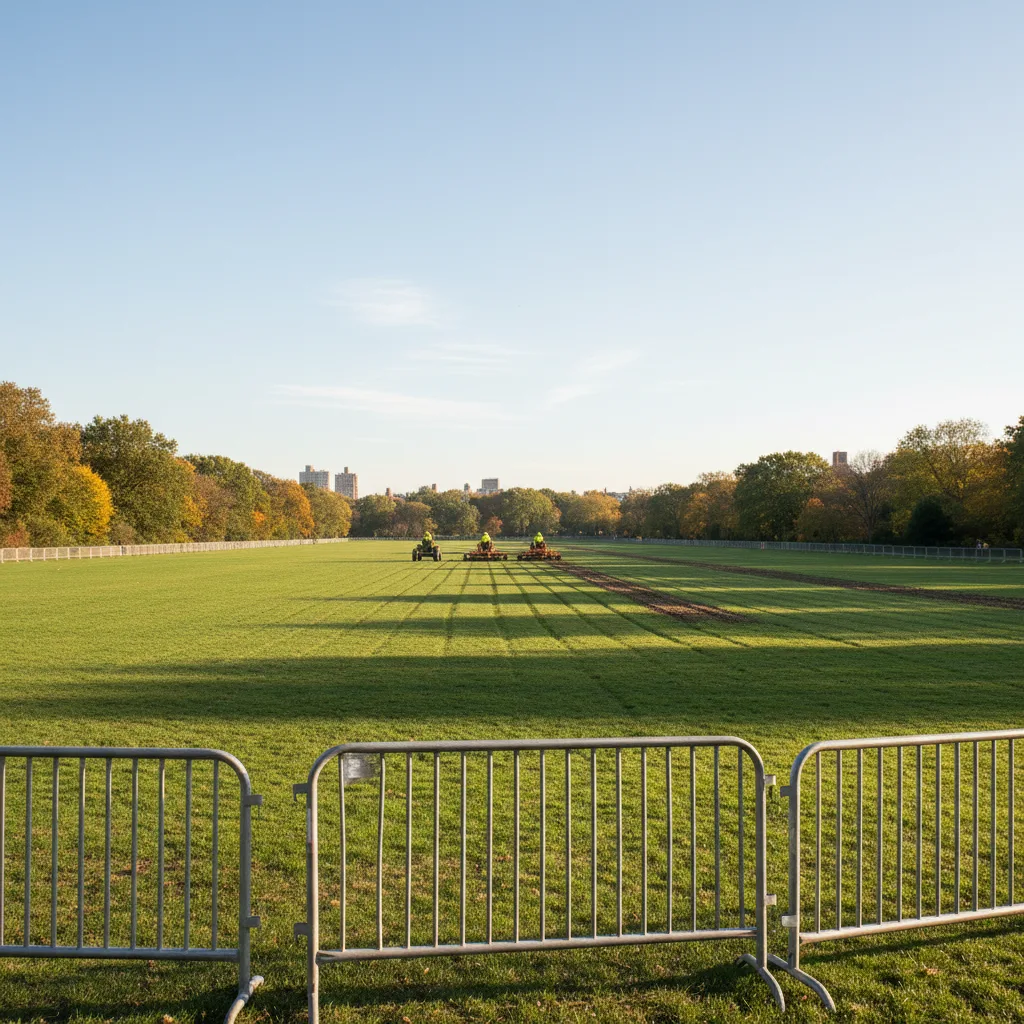
Central Park Conservancy Closes Great Lawn for Scheduled Maintenance
The Central Park Conservancy closed the Great Lawn through October 2, 2026, for scheduled maintenance, impacting weekend activities. Essential upkeep ensures the iconic green space remains vibrant for visitors.
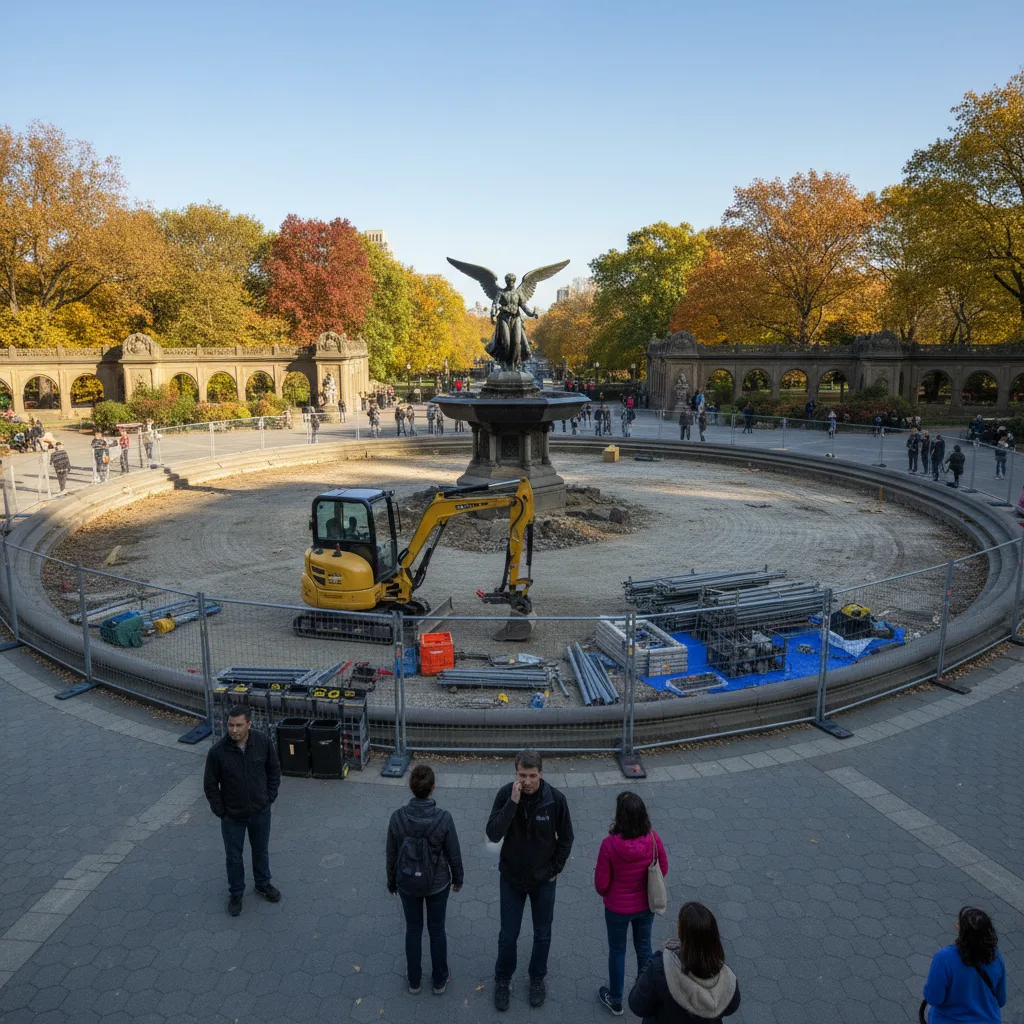
Central Park Conservancy Announces Bethesda Fountain, Great Lawn Closures
Central Park Conservancy announced Bethesda Fountain is off for restoration and the Great Lawn closed through October 2, 2026 for maintenance, affecting visitor access.
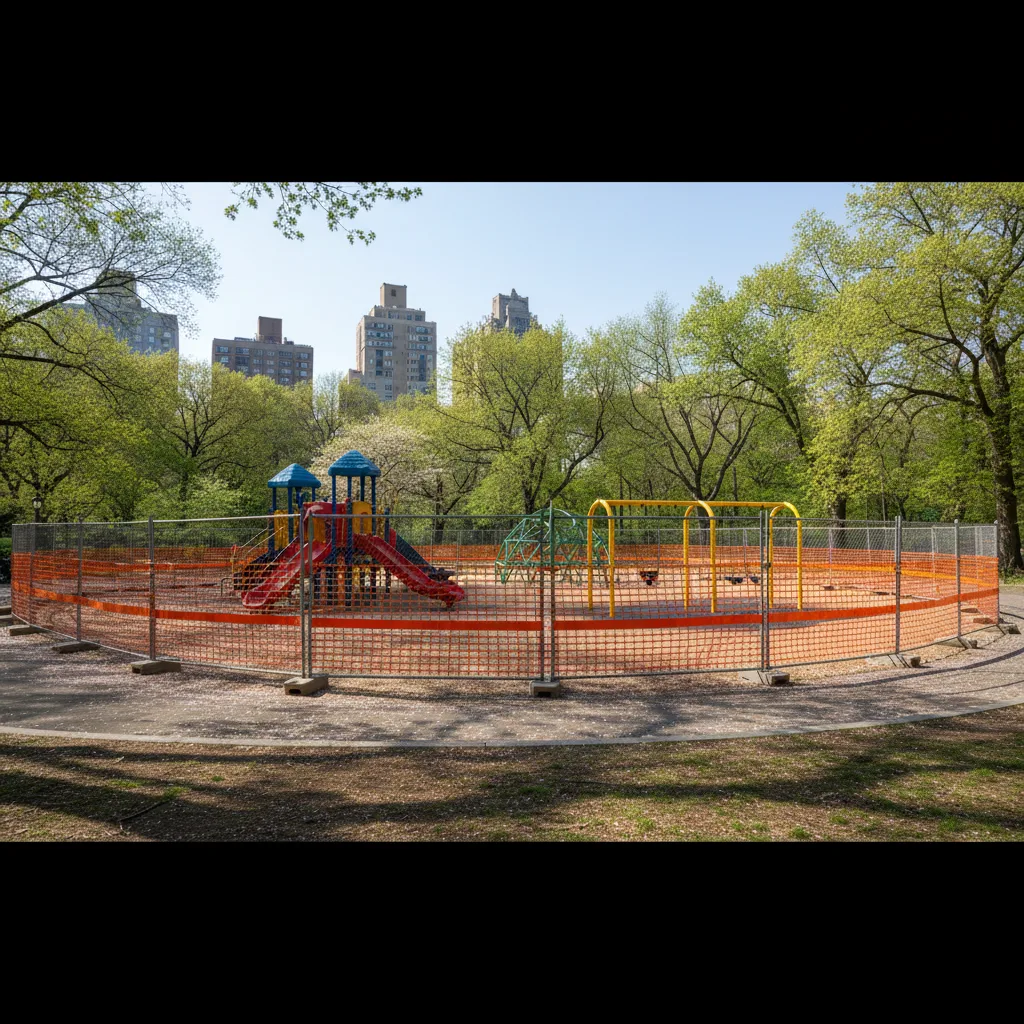
Central Park Conservancy Closes East 110th Street Playground for Restoration
Central Park Conservancy closed the East 110th Street Playground for restoration, while North Meadow and Heckscher ballfields shut due to weather. Plan your visit; check alerts for closures impacting recreation in Central Park.
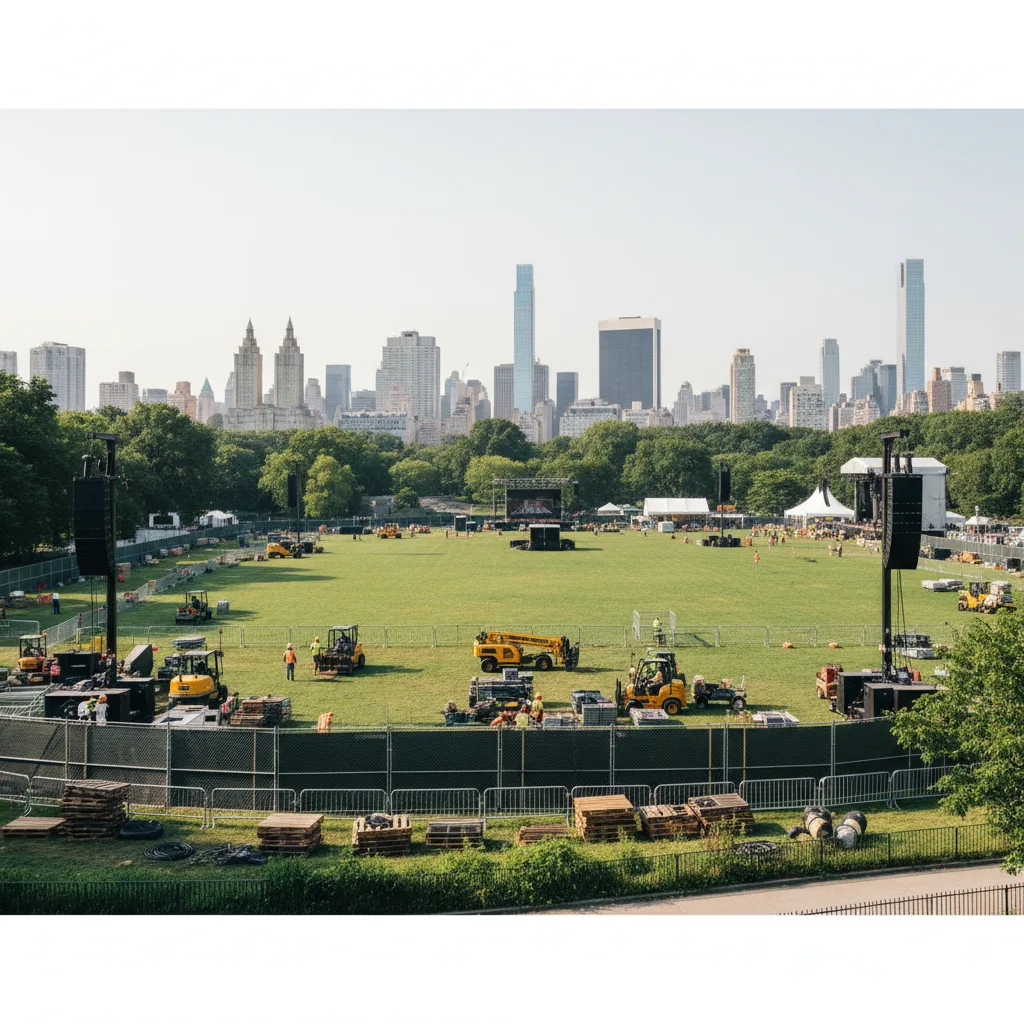
Central Park Conservancy Closes Great Lawn for Global Citizen Festival
Central Park Conservancy confirmed the Great Lawn is closed through September 26, 2026, for the Global Citizen Festival, affecting access to Belvedere Castle and Turtle Pond. Local residents and visitors should plan alternate routes and expect traffic delays around the park's perimeter.
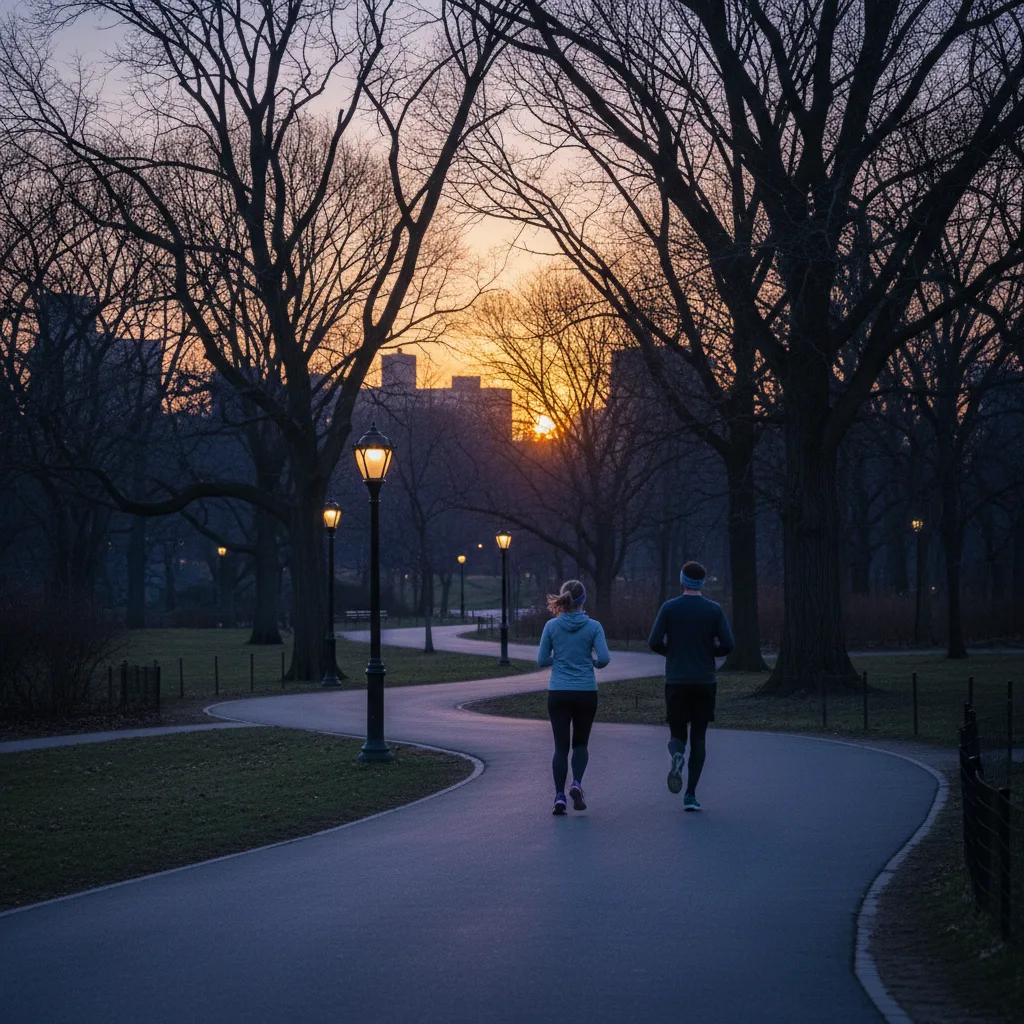
Central Park Conservancy Confirms 2026 Daily Operating Hours
Central Park Conservancy confirms 2026 daily hours: 6:00 a.m. to 1:00 a.m. This notice is for visitor planning, not a change.
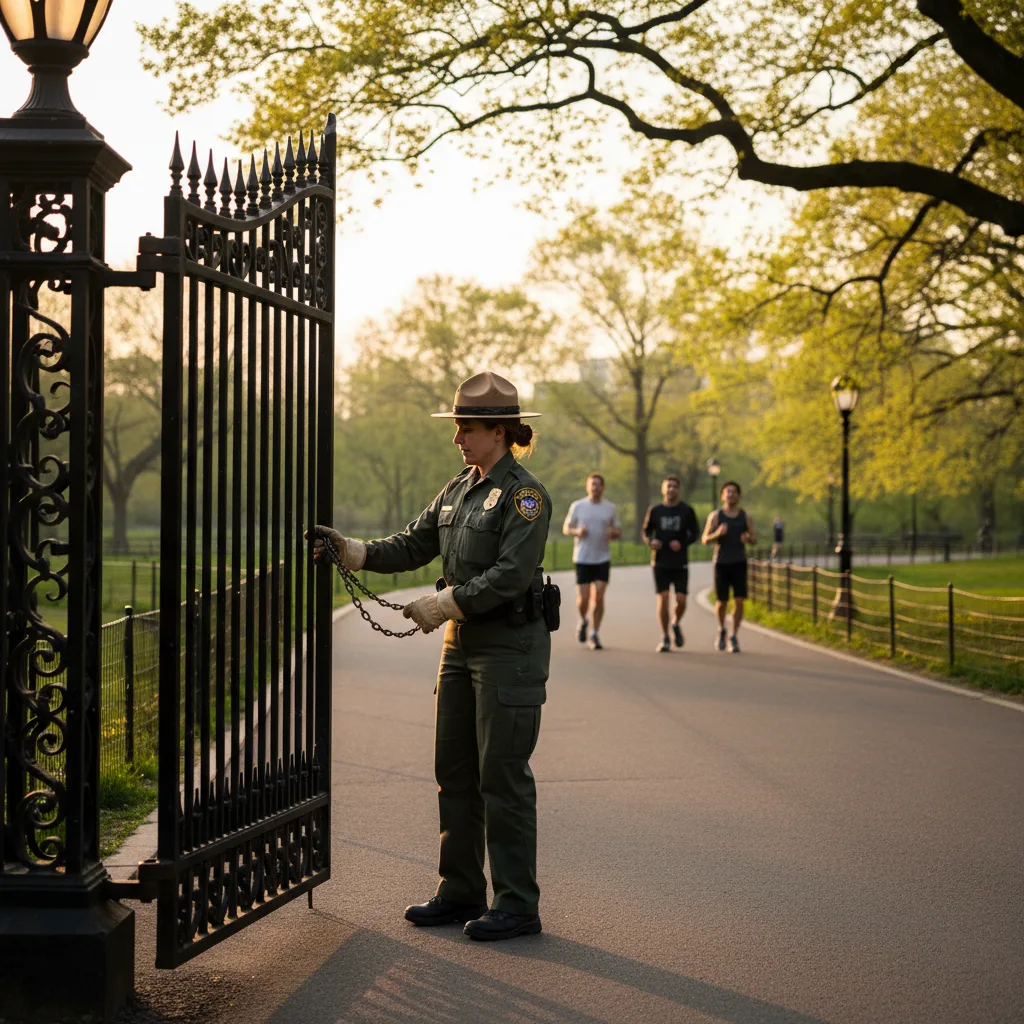
Central Park Conservancy Announces Park Hours Update for 2026
Central Park Conservancy announced updated 2026 park hours, maintaining 6:00 a.m. to 1:00 a.m. access daily. This schedule balances public enjoyment with critical maintenance and security operations.