


Central Park Carriage Horse Dennis Dies, Invoking Dancing Bear History
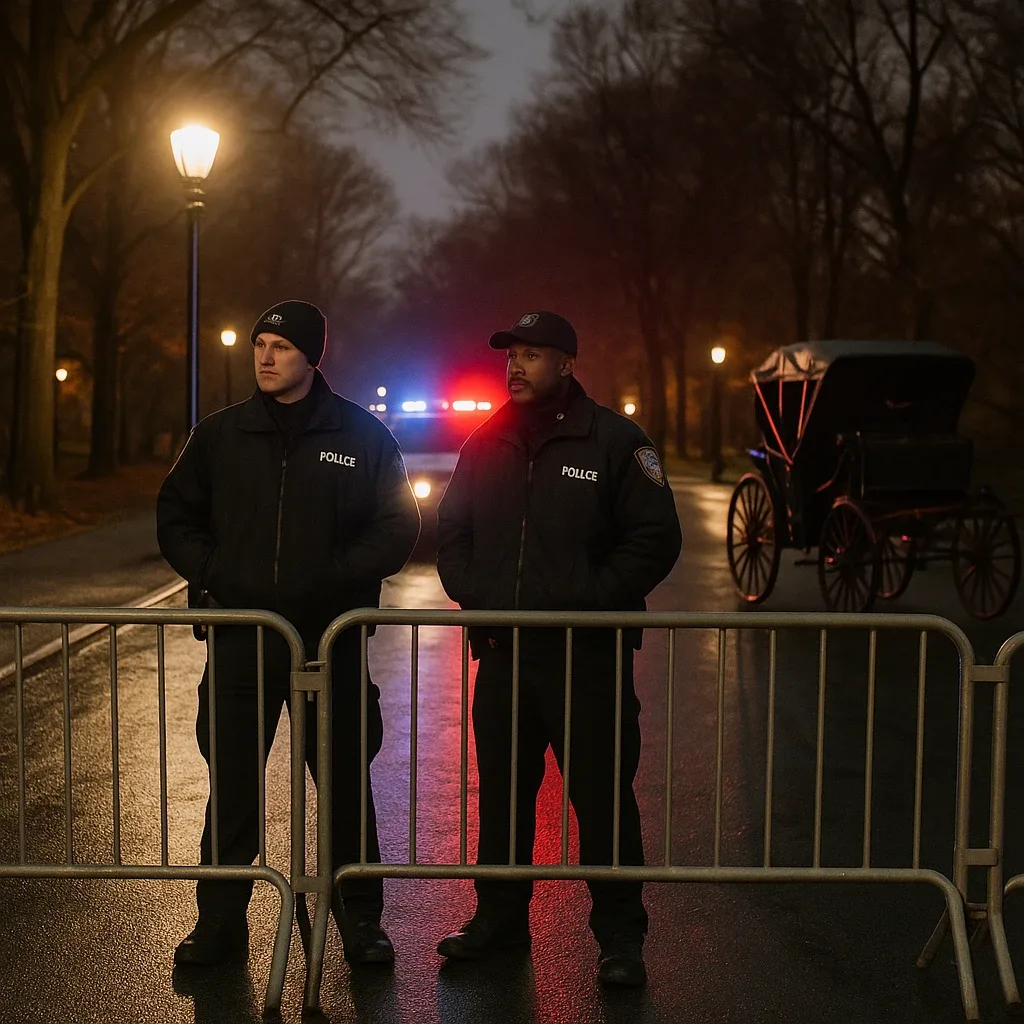
NEW YORK — A carriage horse named Dennis collapsed and died Tuesday night near the 72nd Street entrance, ABC7 New York confirmed. The sudden incident blocked the busy thoroughfare for two hours as emergency veterinary teams responded.
Eyewitnesses Describe Sudden Collapse Near 72nd Street Entrance
The sixteen-year-old gelding was returning from a routine evening route when he suddenly faltered near the paved crossing. Onlookers rushed to assist, but the animal died before medical treatment could be administered.
Near the Bethesda Terrace, the smell of damp earth and the clip-clop of horse hooves filled the air just before the tragic incident unfolded. Local authorities immediately cordoned off the area to manage the gathering crowd.
Animal Welfare Activists Revive Historical Dancing Bear Comparisons
Advocacy groups quickly gathered at the scene to voice their anger over the horse's sudden death. Protesters compared the carriage trade to the outlawed dancing bear spectacles that were banned from the city in the late nineteenth century.
These historical dancing bear street shows were outlawed due to clear animal cruelty concerns. Modern advocates argue that forcing heavy equines to navigate congested Manhattan asphalt is a direct continuation of outdated, exploitative practices.
Veterinary Examiners Launch Investigation Into Cause of Death
City officials have ordered a complete necropsy to determine the exact physiological cause of the animal's collapse. Initial field assessments did not show any immediate signs of physical trauma or heat-related distress.
Veterinary teams are analyzing toxicological screens to rule out botanical poisoning from local ornamental shrubs. The final laboratory results are expected from state investigators within the next two weeks.
Public Protests Erupt Near Jose Marti Plaza
The tragic loss of Dennis has reignited intense political debates regarding the future of horse-drawn carriages in New York. Activists organized major demonstrations at Jose Marti Plaza carriage protests to demand legislative action from the City Council.
"Dennis was a beloved member of our stable," said Christina Hansen, carriage industry representative. Hansen added that the industry adheres to strict veterinary care and rest standards mandated by city law.
Modern Equestrian Laws Mirror Historic Dancing Bear Restrictions
Legal experts note that current legislative proposals to ban carriage operations draw inspiration from historical animal welfare statutes. The early bans on dancing bear performances established a legal precedent for regulating commercial animal acts in public spaces.
As the debate intensifies, city lawmakers are reviewing several compromise bills, including transitioning to electric carriages. A formal public hearing on the proposed carriage regulations is scheduled at City Hall next month.
Frequently Asked Questions
What are the current age and health regulations for Central Park carriage horses?
Under NYC guidelines, carriage horses must be at least five years old and undergo comprehensive veterinary examinations twice a year. They are restricted from working in extreme temperatures below 19 degrees or above 90 degrees Fahrenheit. The Department of Consumer and Worker Protection monitors compliance.
What did historical dancing bear laws actually prohibit in New York City?
The nineteenth-century animal protection laws banned the public exhibition of trained wild animals, including performing bears, on public streets for commercial entertainment. These early statutes laid the groundwork for modern animal welfare enforcement. Today, advocates use these historical precedents to challenge domestic animal labor in urban environments.
When will the official investigation report on carriage horse Dennis be released?
The New York City Department of Health expects to release the final veterinary forensic report by mid-December 2026. This comprehensive document will outline the toxicology findings and cardiovascular analysis. The results will be made available to the public via the agency's official online portal.
Related Articles
More in Park Operations & Maintenance →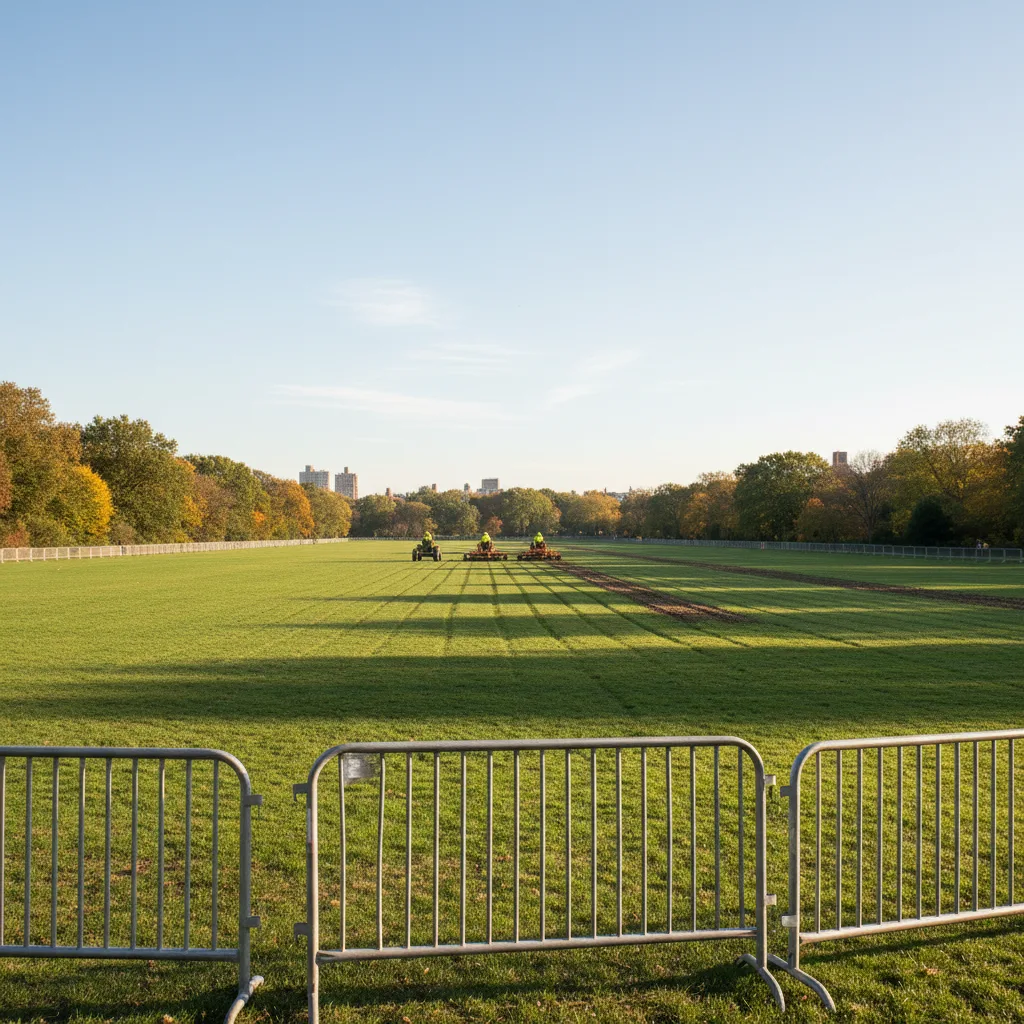
Central Park Conservancy Closes Great Lawn for Scheduled Maintenance
The Central Park Conservancy closed the Great Lawn through October 2, 2026, for scheduled maintenance, impacting weekend activities. Essential upkeep ensures the iconic green space remains vibrant for visitors.
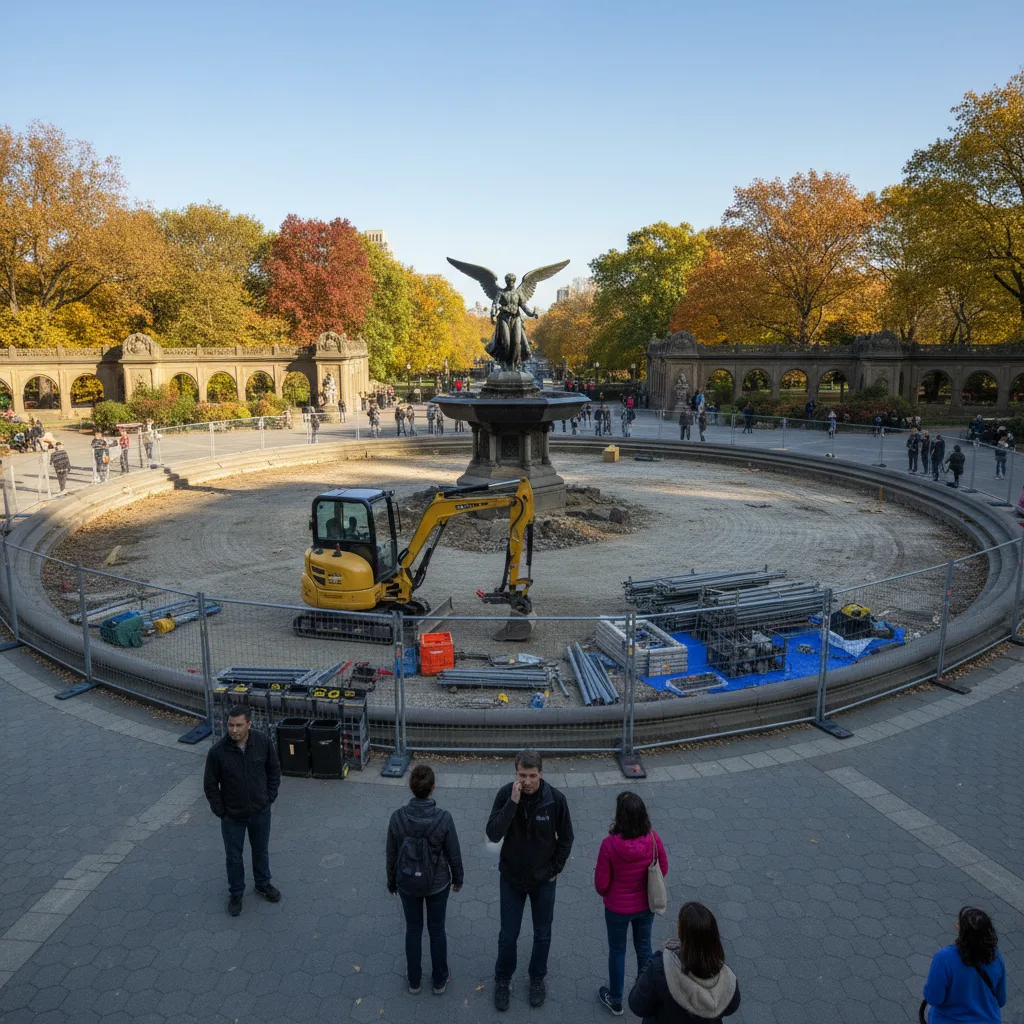
Central Park Conservancy Announces Bethesda Fountain, Great Lawn Closures
Central Park Conservancy announced Bethesda Fountain is off for restoration and the Great Lawn closed through October 2, 2026 for maintenance, affecting visitor access.
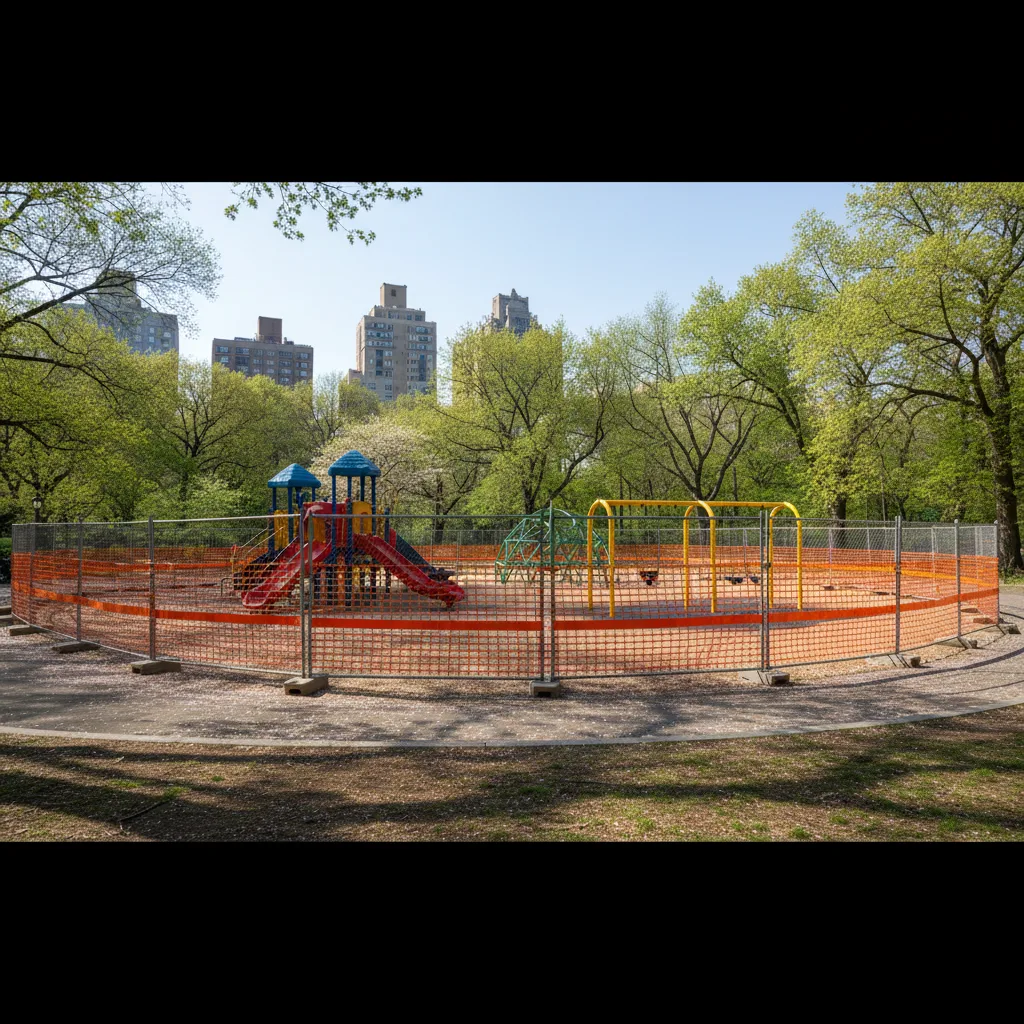
Central Park Conservancy Closes East 110th Street Playground for Restoration
Central Park Conservancy closed the East 110th Street Playground for restoration, while North Meadow and Heckscher ballfields shut due to weather. Plan your visit; check alerts for closures impacting recreation in Central Park.
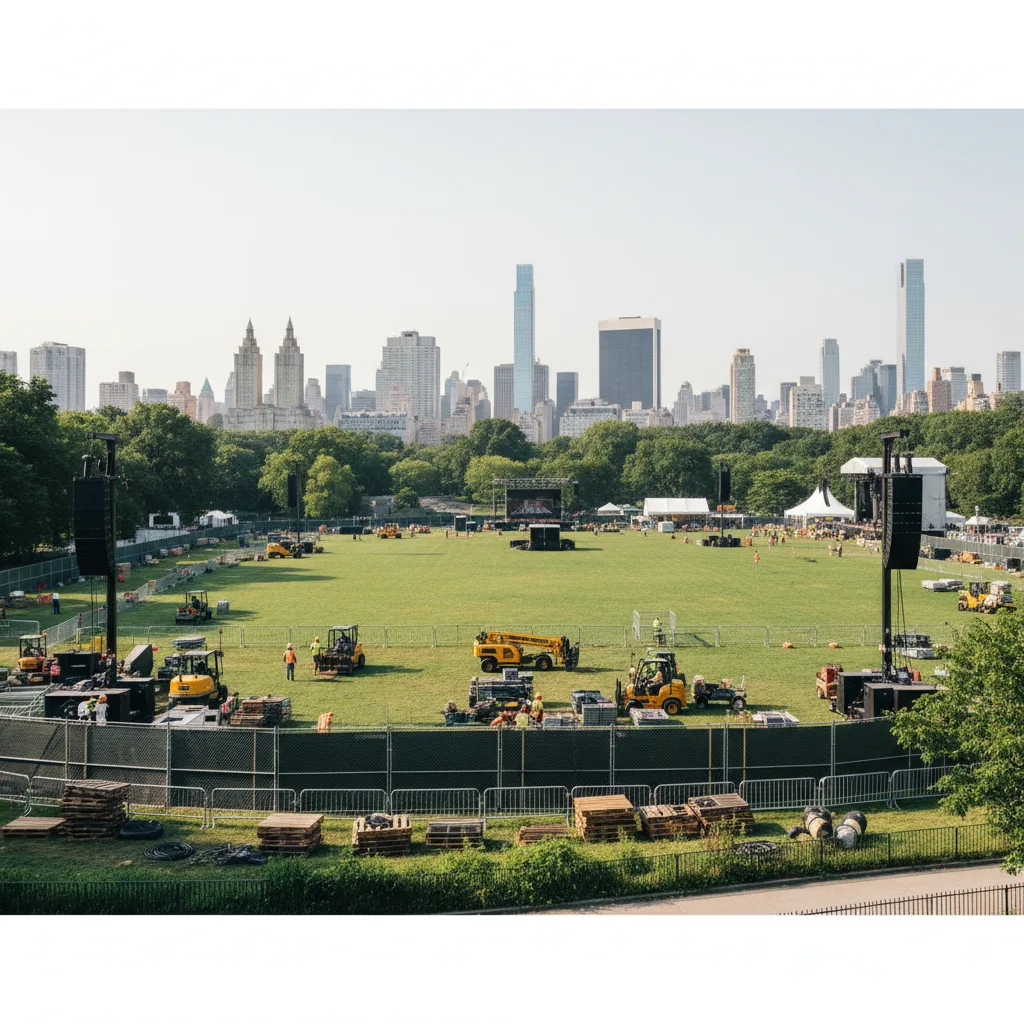
Central Park Conservancy Closes Great Lawn for Global Citizen Festival
Central Park Conservancy confirmed the Great Lawn is closed through September 26, 2026, for the Global Citizen Festival, affecting access to Belvedere Castle and Turtle Pond. Local residents and visitors should plan alternate routes and expect traffic delays around the park's perimeter.
Central Park Conservancy Confirms 2026 Daily Operating Hours
Central Park Conservancy confirms 2026 daily hours: 6:00 a.m. to 1:00 a.m. This notice is for visitor planning, not a change.
Central Park Conservancy Announces Park Hours Update for 2026
Central Park Conservancy announced updated 2026 park hours, maintaining 6:00 a.m. to 1:00 a.m. access daily. This schedule balances public enjoyment with critical maintenance and security operations.