


Central Park's Proposed 15 MPH Speed Limit Overlooks Cycling Infrastructure Deficiencies, 2024 Study Claims
A recent proposal to implement a 15-mile-per-hour (MPH) speed limit on Central Park's drives is being criticized for failing to address the fundamental issue of insufficient cycling infrastructure, according to findings from the 2024 Central Park Drives Safety and Circulation Study. Advocates and park users suggest that while safety is paramount, a speed reduction alone may not resolve the underlying conflicts stemming from a scarcity of dedicated space for various recreational activities within the park.
The debate highlights a persistent challenge within New York City's iconic green space: how to safely accommodate a growing number of walkers, runners, and cyclists on shared pathways and roads. The study contends that current infrastructure limitations are the primary cause of friction among these diverse user groups, rather than speed being the sole determinant of safety issues.
The Root of Conflict: Scarcity of Dedicated Space
Central Park, a vital artery for recreation and transit, sees hundreds of thousands of visitors weekly. Its drives and paths are utilized by a wide array of individuals engaging in activities that require different speeds and spatial needs. Cyclists often share routes with runners and pedestrians, particularly on sections of the park's main loop, leading to unavoidable close encounters and potential hazards. The 2024 Central Park Drives Safety and Circulation Study asserts that this inherent scarcity of separate, dedicated pathways for each user group is the core problem.
Simply lowering the speed limit for cyclists, while potentially mitigating some risks, does not create additional space or reconfigure existing layouts to reduce user overlap. Critics argue that such a measure might address symptoms but overlooks the systemic issue of a park infrastructure that has not fully evolved to meet contemporary usage demands. The increasing popularity of cycling, coupled with the continued growth in pedestrian and running activities, places immense pressure on the existing finite pathways, leading to congestion and conflict.
Comprehensive Solutions Advocated by 2024 Study
To genuinely enhance safety and improve the experience for all park goers, the 2024 Central Park Drives Safety and Circulation Study puts forth several key recommendations focused on infrastructure improvements. These proposals aim to increase capacity and create better separation between different modes of movement. Among the suggestions are:
- New Bikeways on Transverses: Developing dedicated cycling paths along the park's transverse roads (which cut across the park) would provide cyclists with more direct and separate routes, reducing their reliance on the main loop and minimizing interactions with pedestrians and runners.
- Encouraging Pedestrian Use of Arches: Actively directing and encouraging pedestrians to utilize the numerous arches and underpasses throughout the park would help separate foot traffic from vehicular and cycling paths at critical junctions.
- Grade-Separated Crossings: Implementing grade-separated crossings at high-traffic intersections would eliminate direct conflict points between different user groups, significantly enhancing safety and flow.
- Opening the Bridle Path to Cyclists: Allowing cyclists to use the historic Bridle Path, currently primarily used by equestrians and runners, could offer a significant alternative route, thereby distributing cyclist traffic more widely across the park and alleviating pressure on other congested areas.
These infrastructure-focused solutions, proponents argue, offer a more sustainable and effective approach to managing park safety and user experience than speed limit adjustments alone. By addressing the scarcity of dedicated space, Central Park could accommodate its diverse users more harmoniously and safely for years to come.
Key Points:
- The proposed 15 MPH speed limit in Central Park is criticized for not addressing insufficient cycling infrastructure.
- The 2024 Central Park Drives Safety and Circulation Study identifies scarcity of dedicated space as the primary cause of user conflict.
- Study recommendations include new bikeways on transverses, encouraging pedestrian use of arches, grade-separated crossings, and opening the Bridle Path to cyclists.
- Infrastructure improvements are seen as a more effective solution than merely reducing speed limits to improve park safety and user experience.
Related Articles
More in Park Operations & Maintenance →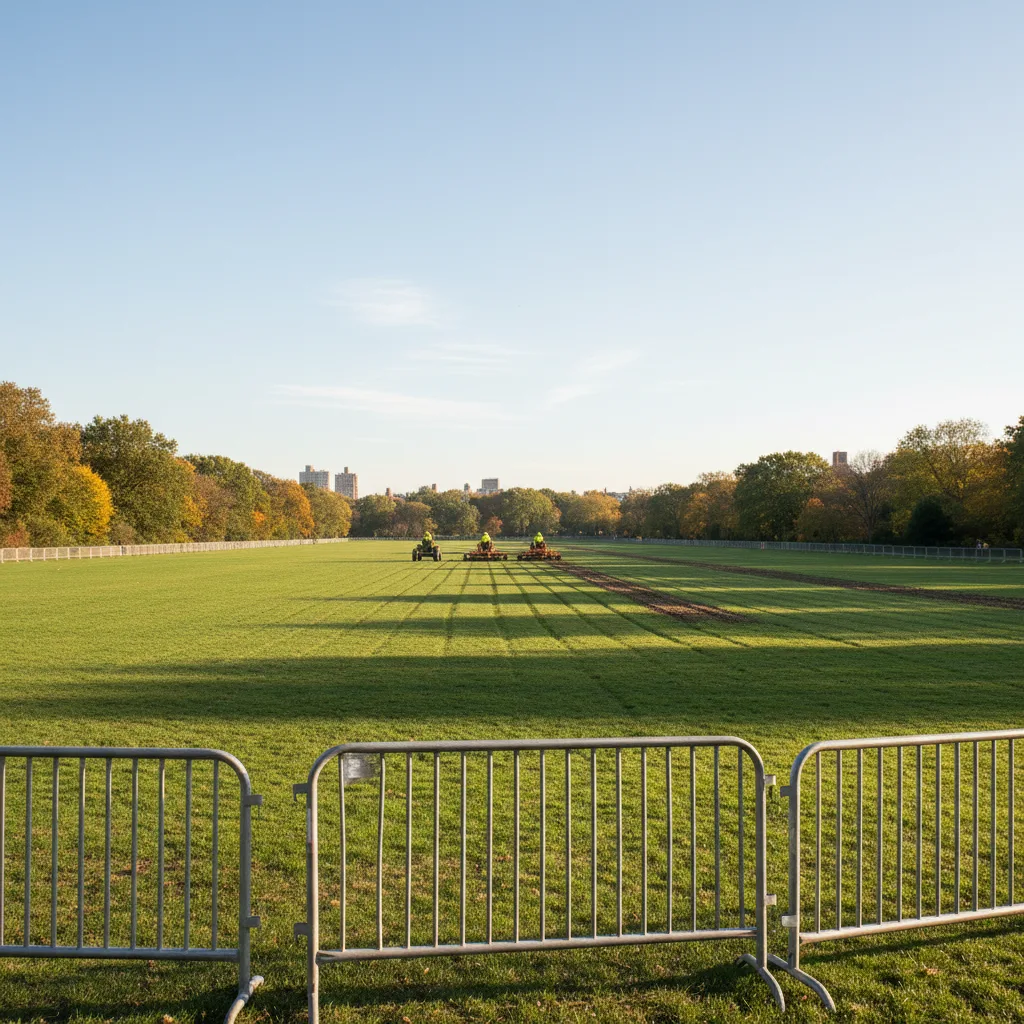
Central Park Conservancy Closes Great Lawn for Scheduled Maintenance
The Central Park Conservancy closed the Great Lawn through October 2, 2026, for scheduled maintenance, impacting weekend activities. Essential upkeep ensures the iconic green space remains vibrant for visitors.
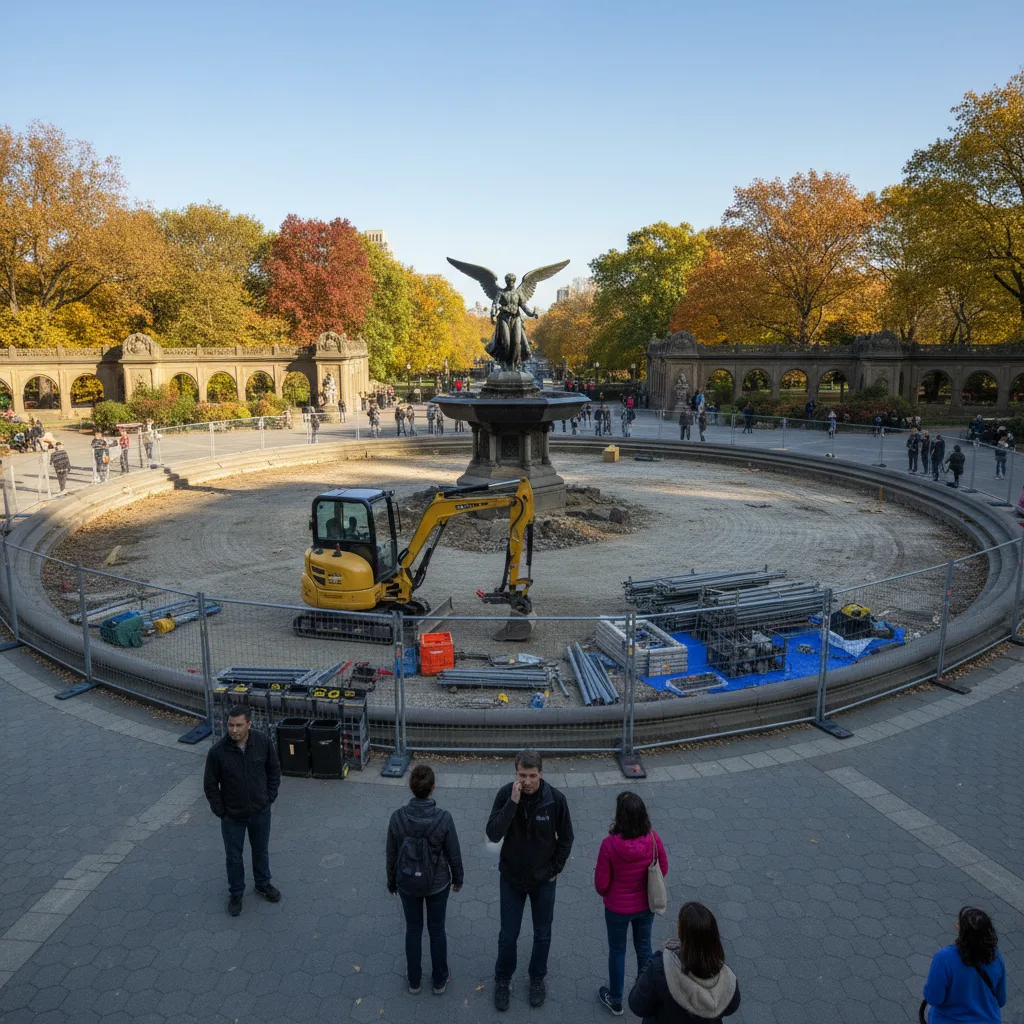
Central Park Conservancy Announces Bethesda Fountain, Great Lawn Closures
Central Park Conservancy announced Bethesda Fountain is off for restoration and the Great Lawn closed through October 2, 2026 for maintenance, affecting visitor access.
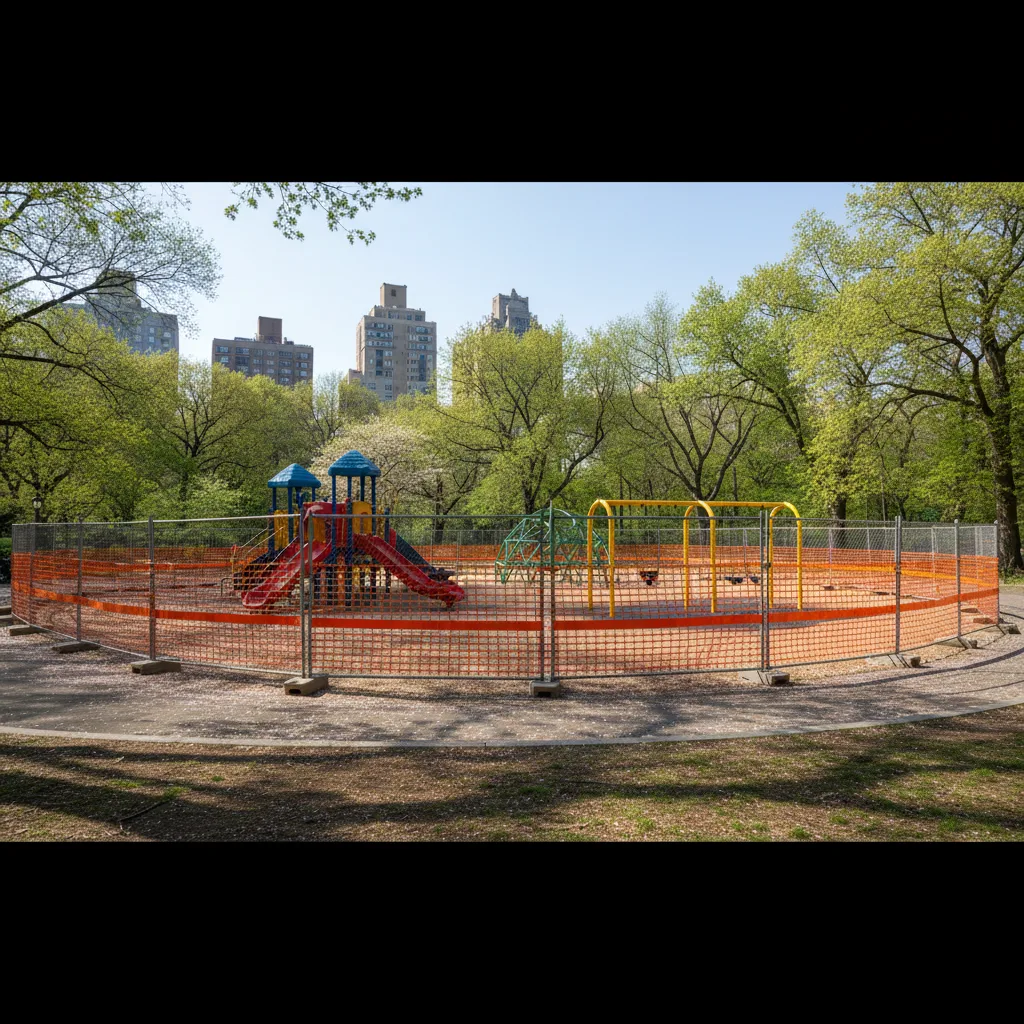
Central Park Conservancy Closes East 110th Street Playground for Restoration
Central Park Conservancy closed the East 110th Street Playground for restoration, while North Meadow and Heckscher ballfields shut due to weather. Plan your visit; check alerts for closures impacting recreation in Central Park.
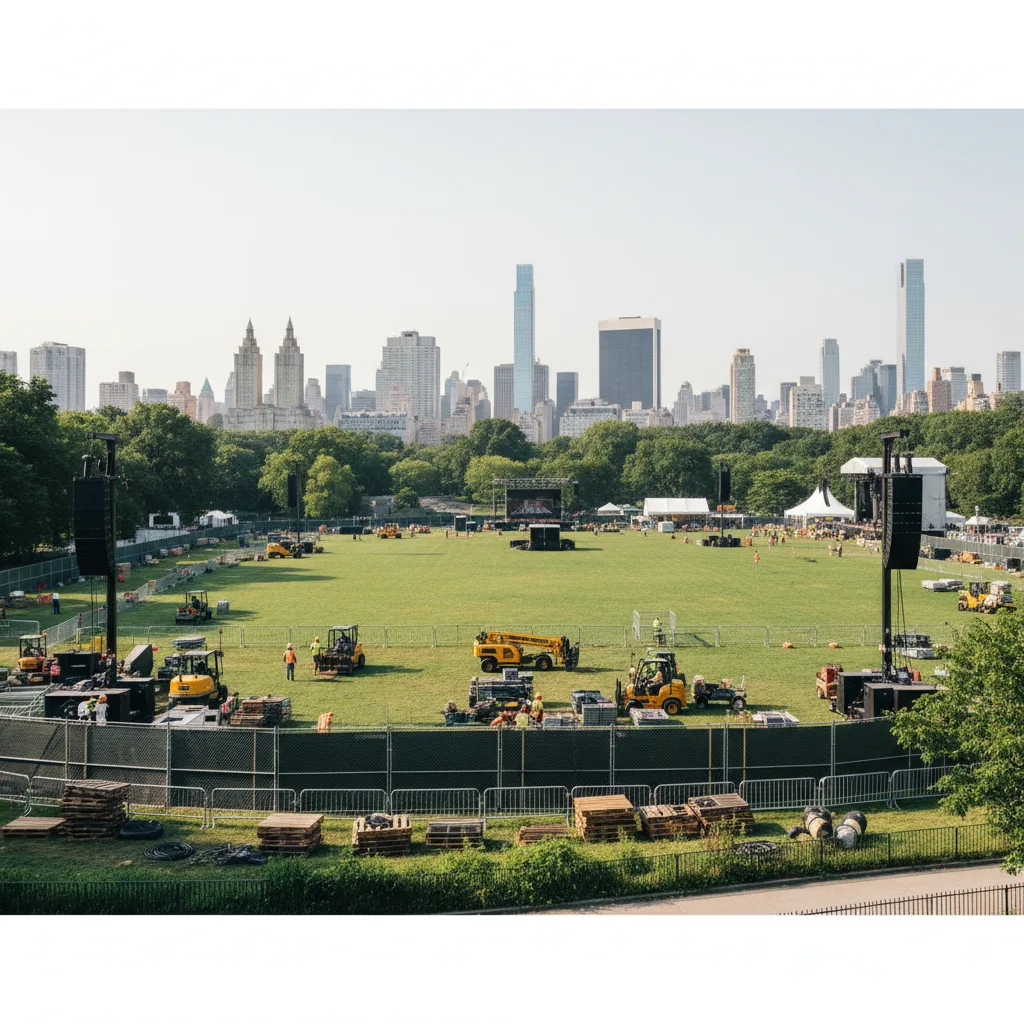
Central Park Conservancy Closes Great Lawn for Global Citizen Festival
Central Park Conservancy confirmed the Great Lawn is closed through September 26, 2026, for the Global Citizen Festival, affecting access to Belvedere Castle and Turtle Pond. Local residents and visitors should plan alternate routes and expect traffic delays around the park's perimeter.
Central Park Conservancy Confirms 2026 Daily Operating Hours
Central Park Conservancy confirms 2026 daily hours: 6:00 a.m. to 1:00 a.m. This notice is for visitor planning, not a change.
Central Park Conservancy Announces Park Hours Update for 2026
Central Park Conservancy announced updated 2026 park hours, maintaining 6:00 a.m. to 1:00 a.m. access daily. This schedule balances public enjoyment with critical maintenance and security operations.