


Central Park Registers 15% Increase in Bird Species by 2026 Report
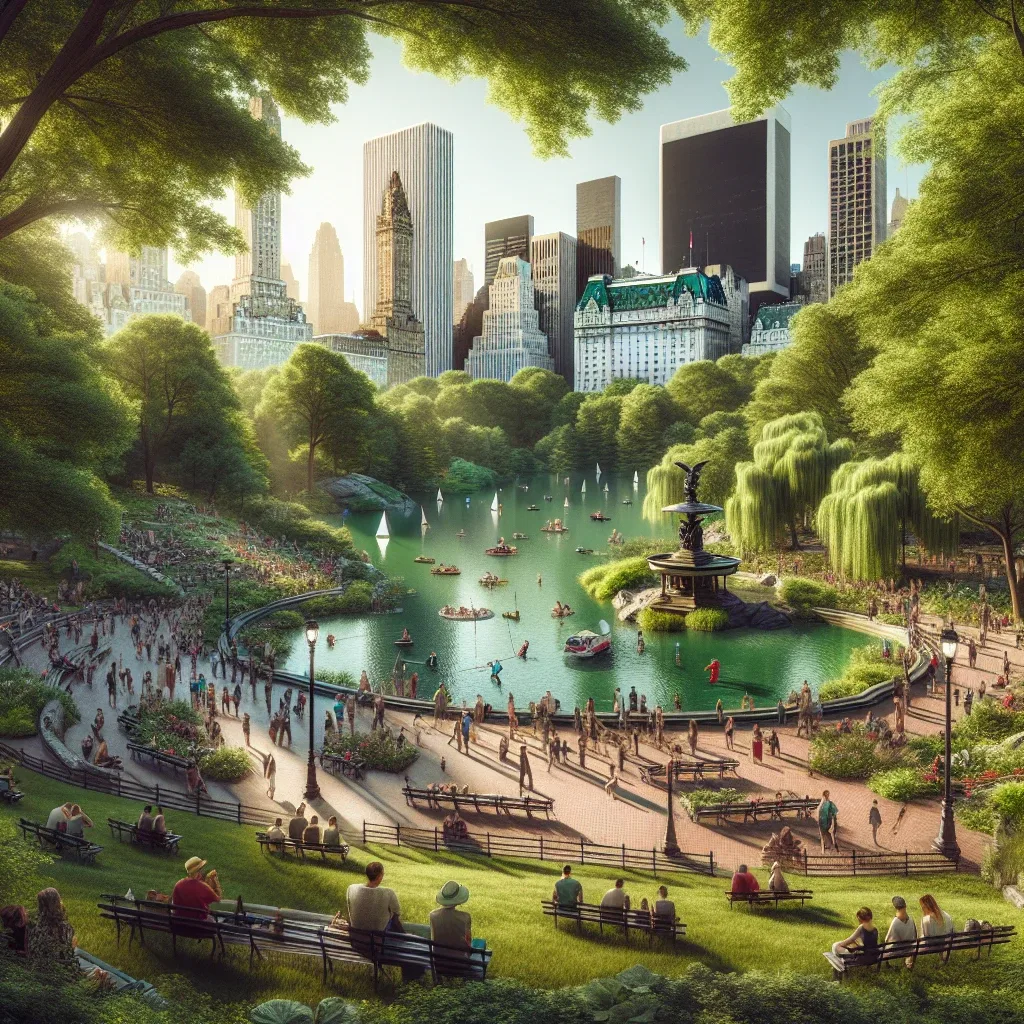
NEW YORK — A comprehensive 2026 biodiversity report released by the Central Park Conservancy indicates a significant 15% increase in avian species observed within the park’s 843-acre expanse over the last five years. This uptick underscores the effectiveness of targeted habitat restoration projects and improved ecological management practices implemented across the urban oasis.
The data, compiled from thousands of volunteer hours and professional surveys, was presented at a press briefing on March 15, 2026, at the Charles A. Dana Discovery Center. Conservancy officials highlighted the collaborative efforts that have contributed to this positive trend in one of the world's most visited urban parks.
Data Reveals Ecosystem Health Improvements
The 2026 Central Park Biodiversity Report, an annual publication, meticulously details the population trends and health indicators of various flora and fauna found within Central Park. Bird species, often considered bio-indicators of environmental quality, showed particularly promising growth, with 12 new species documented since the 2021 assessment.
Among the notable findings, the report cites a robust return of several migratory songbird populations, including the Scarlet Tanager and the Baltimore Oriole, to established nesting sites. These species had shown declining numbers in previous decades due to habitat fragmentation and urban pressures.
Conservation Initiatives Drive Success
Elizabeth Adams, Director of Conservation for the Central Park Conservancy, attributed the positive findings to strategic initiatives focusing on native plant restoration and improved water quality in key areas. "Our long-term commitment to creating diverse microclimates and enhancing the natural resources within Central Park is clearly yielding tangible results," Adams told reporters. "We are witnessing the profound impact that dedicated stewardship can have on urban biodiversity, even in the heart of New York City."
Over the past five years, the Conservancy invested nearly $3.5 million in projects specifically aimed at habitat enrichment, including the planting of over 50,000 native shrubs and trees. These efforts focused heavily on the North Woods and the Ramble, two ecologically sensitive areas critical for avian migratory stopovers.
The Role of Citizen Science and Public Engagement
Much of the granular data informing the report came from a network of over 300 trained citizen scientists who regularly conduct bird counts and ecological observations. Their commitment provides invaluable, real-time insights into the park's changing ecosystems.
According to the report, community engagement programs, including weekly bird walks originating from Belvedere Castle, saw a 25% increase in participation during 2025. This surge in public involvement helps foster a deeper understanding and appreciation for the park's ecological value among local residents.
Challenges Remain for Future Stewardship
Despite the encouraging news, the report also outlines ongoing challenges, primarily related to invasive species management and the continued impact of climate change on migratory patterns. The Conservancy plans to allocate an additional $1.2 million in 2027 towards innovative pest control methods and climate-resilient landscaping.
Ongoing vigilance against non-native plants, such as Japanese knotweed and Tree of Heaven, remains a priority for park maintenance crews. These invasive species can outcompete native flora, thereby reducing food sources and nesting opportunities for local wildlife.
Public Access and Ecological Balance
Maintaining a delicate balance between public access and ecological preservation is a continuous effort within Central Park, which draws approximately 42 million visitors annually. The Conservancy implements designated quiet zones and educational signage to minimize human disturbance in sensitive wildlife habitats.
Visitors are encouraged to follow posted guidelines and stay on marked paths, particularly during peak bird migration seasons in spring and fall. These measures ensure that both wildlife and park-goers can coexist harmoniously within the urban sanctuary. For more details on park activities and conservation efforts, residents can explore the latest Central Park updates on various news outlets.
Future Outlook for Central Park's Wildlife
The positive trends in bird species diversity provide optimism for Central Park's future as a vital urban ecosystem. The Conservancy is exploring partnerships with local universities to expand genetic diversity studies and implement advanced monitoring technologies.
This proactive approach aims to ensure that Central Park not only remains a cherished recreational space but also continues to thrive as a critical haven for wildlife in the sprawling metropolis of New York City. The long-term vision includes expanding native insect populations to further support the avian food web.
Frequently Asked Questions About Central Park's Biodiversity
What makes Central Park so important for bird species in an urban setting? Central Park acts as a crucial migratory stopover point for birds traveling along the Atlantic Flyway, offering essential food and rest in an otherwise developed landscape. Its diverse habitats, from woodlands to wetlands, support a wide array of species.
How can residents contribute to conservation efforts in Central Park? Local residents can participate in volunteer programs, donate to the Central Park Conservancy, or simply practice responsible park use by staying on trails and not littering. Reporting unusual wildlife sightings to park officials also assists monitoring efforts.
Are there any specific areas within Central Park that are designated for wildlife protection? Yes, areas like the Ramble and the North Woods are particularly important for wildlife and are managed with a strong focus on ecological preservation. These zones often have stricter rules regarding visitor behavior to minimize disturbance.
Related Articles
More in Wildlife & Nature →
Central Park Boathouse Bird Watching Tour Offers Educational Experience
Central Park Boathouse offers an educational bird watching tour, providing visitors an opportunity to observe avian species. This experience connects locals with nature, enhancing appreciation for park wildlife.
Central Park Event Calendar Features Climate Week Activities September 27
Central Park's event calendar for September 27, 2026, included a Climate Week-aligned "Journal, Meditation, + Bird Walk," promoting environmental awareness.
Wildlife Conservation Society Awards Lovejoy Prize at Central Park Zoo
Wildlife Conservation Society awards 2026 Thomas E. Lovejoy Prize today at Central Park Zoo during Climate Week in New York City.
A Guide to Central Park's Wildlife: What to Know About the Park's Animals and Ecosystem
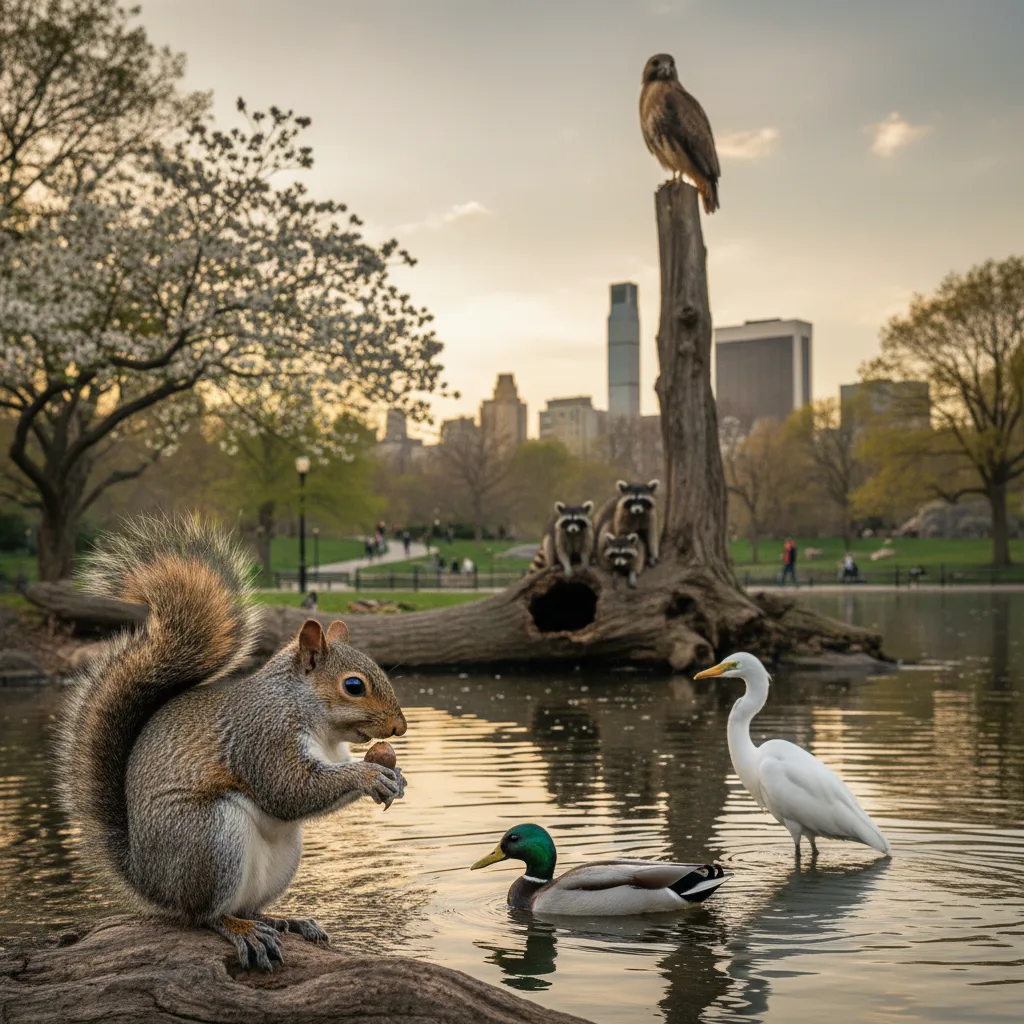
Discover the diverse Central Park wildlife, from birds and mammals to aquatic life. Learn responsible observation tips and conservation efforts for 2026.
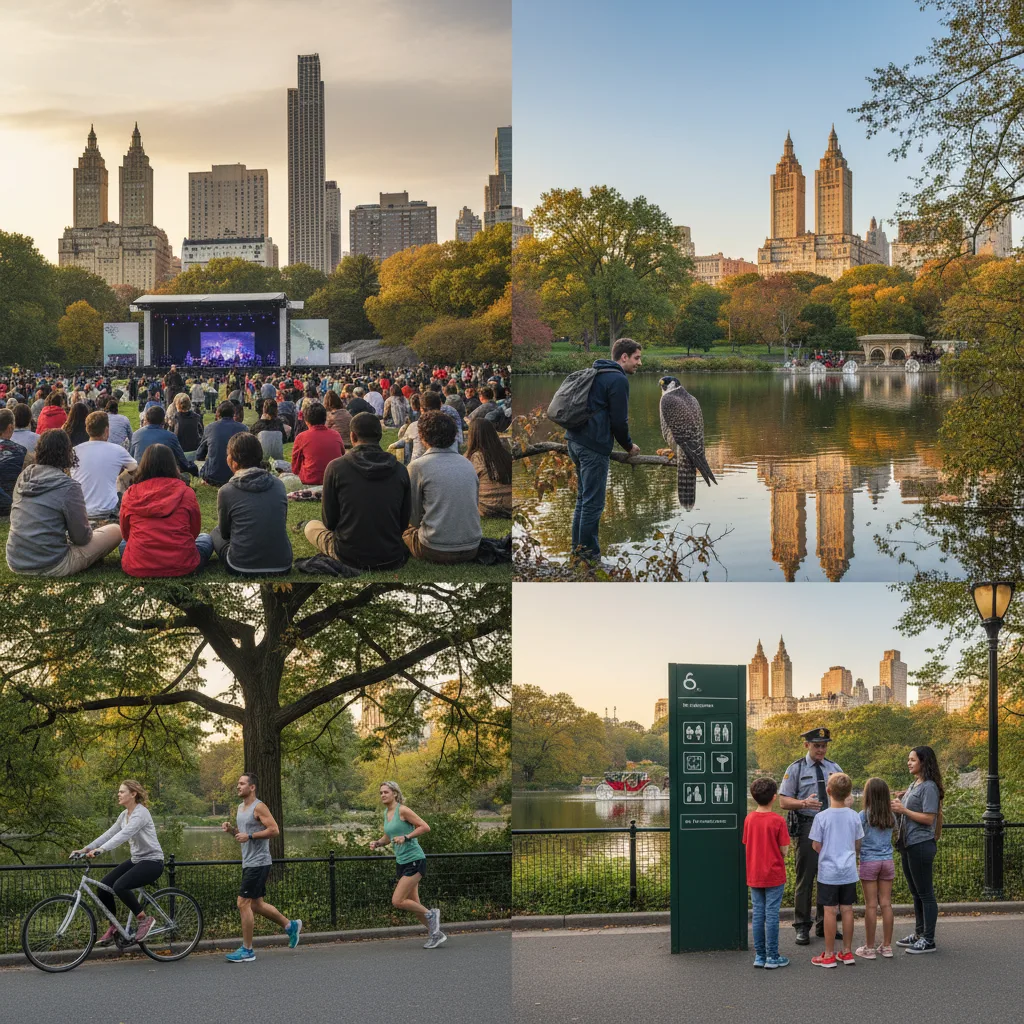
A Guide to Central Park's Top Activities and Best Things to Do in 2026
Discover the best things to do in Central Park, NYC, with our comprehensive 2026 guide to iconic landmarks, activities, and hidden gems for visitors.
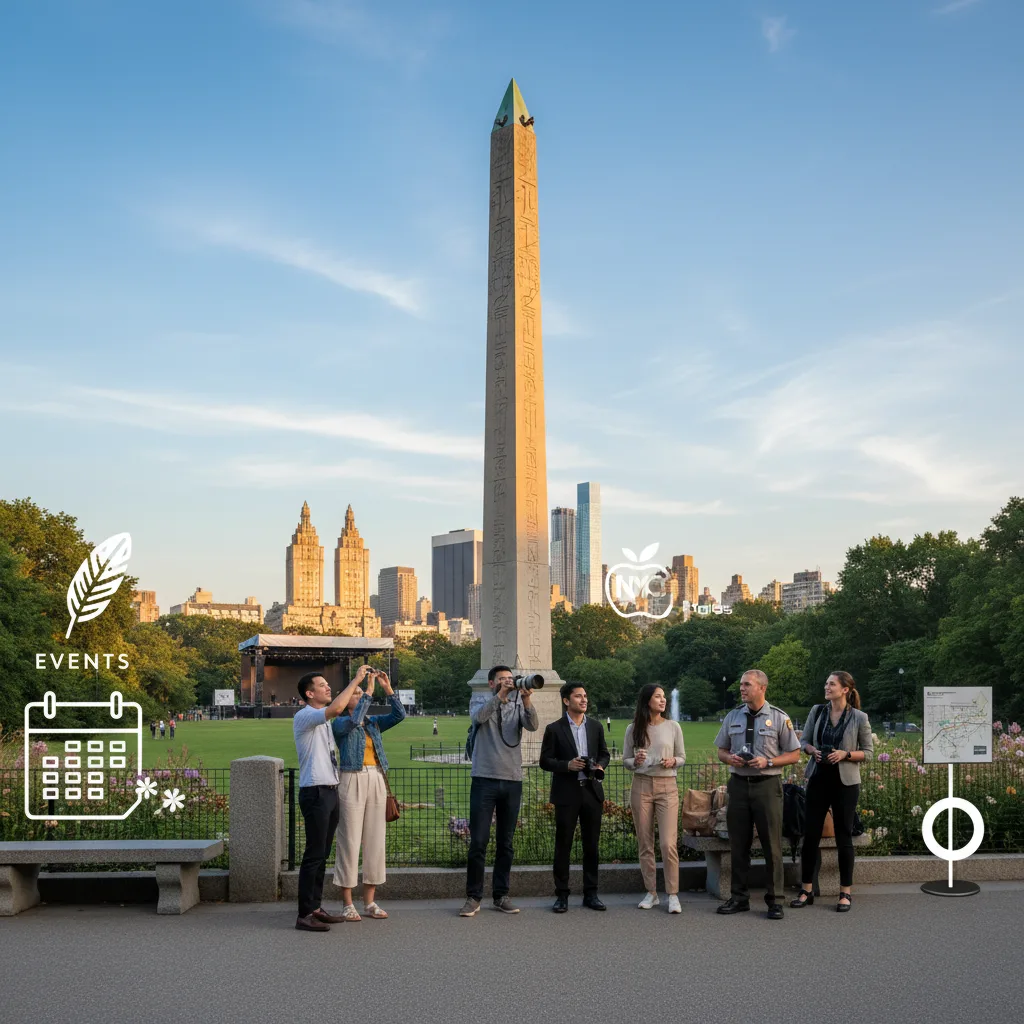
A Guide to What to Know About the Vatican Obelisk in Central Park 2026
Discover what to know about the Vatican Obelisk (Cleopatra's Needle) in Central Park, its history, journey to NYC, and where to find it in 2026.