


Central Park 2026: Balancing Urban Renewal, Community Life, and Conservation
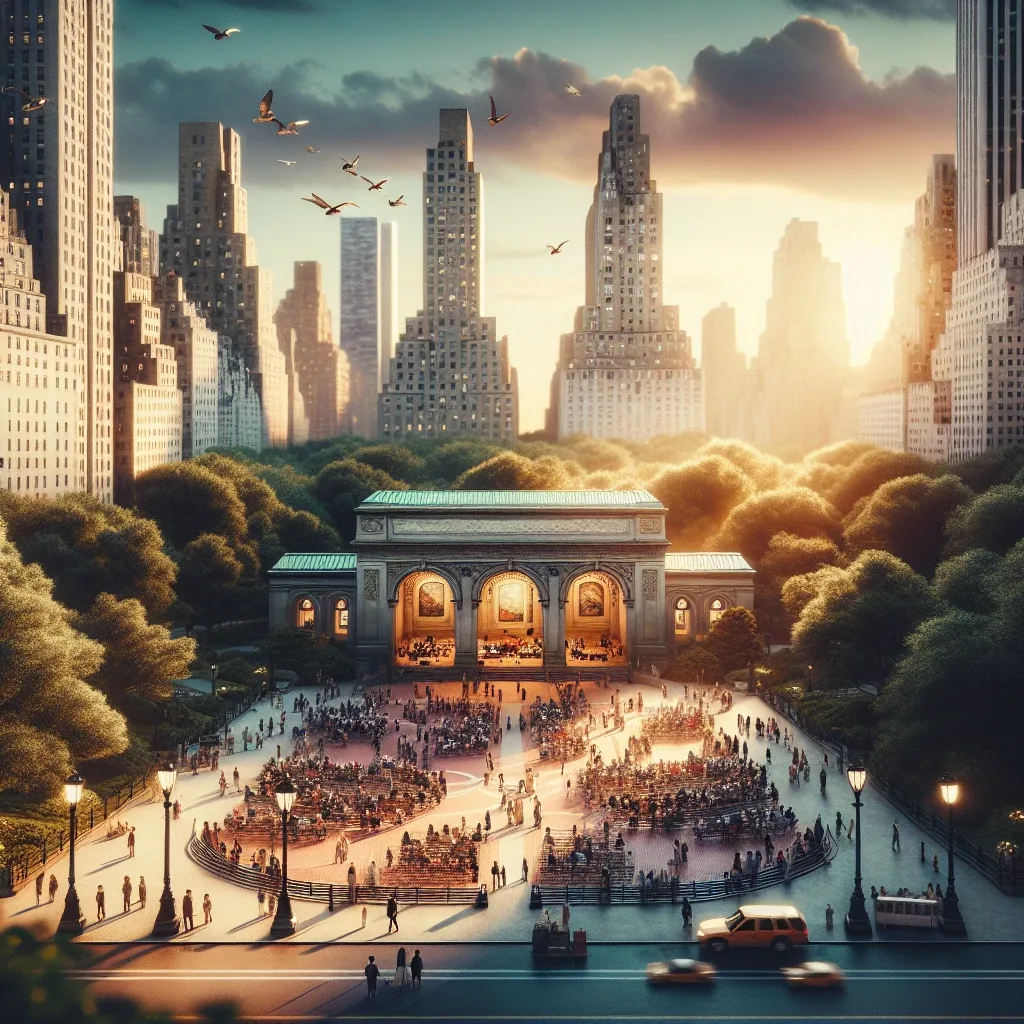
NEW YORK — Central Park, New York City's expansive 843-acre green lung, continues to be a nexus for diverse activities, ranging from vibrant community events to critical conservation efforts. In 2026, the park is navigating a complex landscape of urban renewal, evolving visitor demographics, and the ongoing need to preserve its natural and historical integrity. This iconic space remains a microcosm of the city itself.
The park's management, led by the Central Park Conservancy in partnership with the NYC Department of Parks & Recreation, emphasizes a balanced approach. They aim to foster a dynamic public space while safeguarding its delicate ecosystems and historical landmarks. From the North Woods to the southernmost points of the Pond, careful stewardship is a constant.
Evolving Events and Attractions Calendar
Central Park’s event calendar for 2026 showcases its versatility, featuring a mix of long-standing traditions and new initiatives. These include classical music performances at the Naumburg Bandshell, public art installations, and educational workshops at the Dana Discovery Center. Each event is curated to enhance the visitor experience while respecting the park’s environment.
For example, the annual SummerStage series continues to draw thousands, providing free cultural programming across various genres. "Our events are designed to be inclusive and accessible, celebrating the diverse spirit of New York City," stated Maria Lopez, Director of Public Programs for the Central Park Conservancy, earlier this year. Such events are pivotal in attracting different segments of the city's population to the park's offerings. Readers can find detailed event schedules and programming information through various local news sources on Central Park.
Infrastructure Modernization and Accessibility
Significant investment is being channeled into modernizing Central Park’s infrastructure. Projects include the rehabilitation of aging bridges and pathways, ensuring safer and more accessible routes for all visitors. The Conservancy's 2026 master plan includes upgrades to several key entrances, particularly those along Central Park West and Fifth Avenue, to improve pedestrian flow and accessibility for individuals with disabilities. This includes a major renovation project near the Engineers' Gate at East 90th Street.
Moreover, efforts are underway to enhance digital connectivity within certain areas of the park, providing better access to information and emergency services. These technological improvements are balanced with maintaining the park's natural aesthetic. The goal is to blend modern conveniences with the park's historical charm, preserving its unique character while adapting to contemporary needs.
Ecological Conservation and Biodiversity
Central Park is a crucial habitat for a wide array of wildlife, including over 200 species of birds, numerous mammals, and diverse plant life. Conservation initiatives focus on habitat restoration, invasive species removal, and water quality management for its various lakes and ponds. The park’s ecological team monitors biodiversity closely, often publishing findings in environmental journals.
Special attention is given to areas like the Hallett Nature Sanctuary, a tranquil 4-acre preserve, which recently underwent a multi-year restoration project completed in 2025. This project successfully re-introduced native plant species and improved avian habitats. The Conservancy runs educational programs for the public on sustainable gardening and urban ecology, encouraging civic participation in conservation efforts.
Navigating Public Safety and Community Trust
Public safety remains a critical focus, with ongoing collaboration between the NYPD and the Central Park Conservancy. Enhanced patrol strategies, informed by crime data analytics, are continuously implemented across the park's 843 acres. These efforts aim to deter crime and ensure visitors feel secure at all times, from the bustling Bethesda Fountain to the quieter parts of the North Woods.
The Conservancy also runs public awareness campaigns, advising visitors on best practices for personal safety, especially during evening hours. These campaigns emphasize vigilance and prompt reporting of suspicious activities. Building trust with the community is paramount to effective park management, fostering a shared responsibility for safety. For detailed insights into park attractions, readers can check Central Park's official news section.
FAQs About Central Park's Future
Visitors often inquire about upcoming projects and changes in Central Park. The Central Park Conservancy publishes an annual report and regularly updates its website with details on restoration projects, new installations, and long-term strategic plans. These documents outline the park’s evolving priorities and funding allocations.
Questions about environmental sustainability are also common. The Conservancy emphasizes its commitment to green practices, including waste reduction, composting initiatives, and the use of eco-friendly maintenance equipment. They encourage visitors to participate by utilizing recycling bins and respecting park regulations regarding litter.
Concerns about balancing high visitor numbers with conservation are frequently addressed. Park management employs strategies such as designated pathways, educational signage, and volunteer programs to manage visitor impact. These measures aim to protect sensitive areas while still allowing millions to enjoy the park’s natural beauty and recreational opportunities without compromising its ecological health.
Related Articles
More in Park Operations & Maintenance →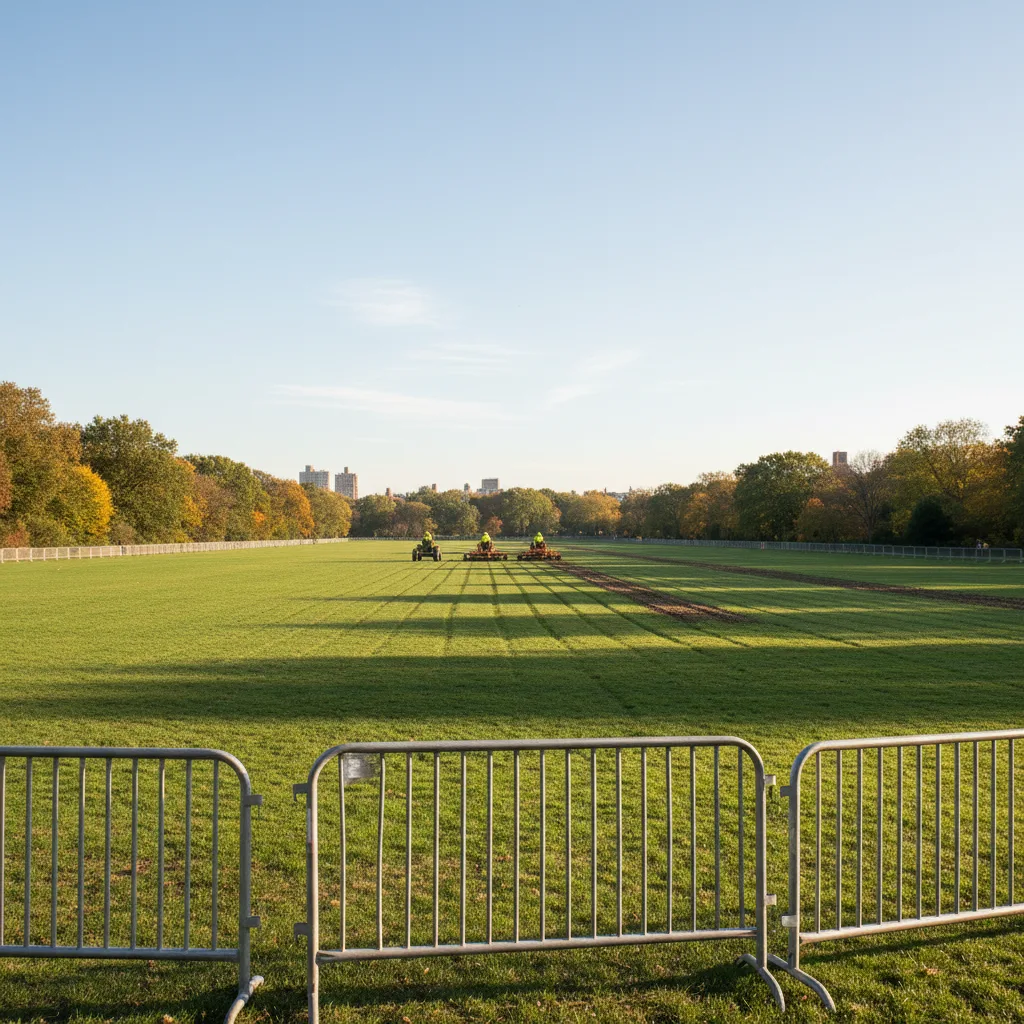
Central Park Conservancy Closes Great Lawn for Scheduled Maintenance
The Central Park Conservancy closed the Great Lawn through October 2, 2026, for scheduled maintenance, impacting weekend activities. Essential upkeep ensures the iconic green space remains vibrant for visitors.
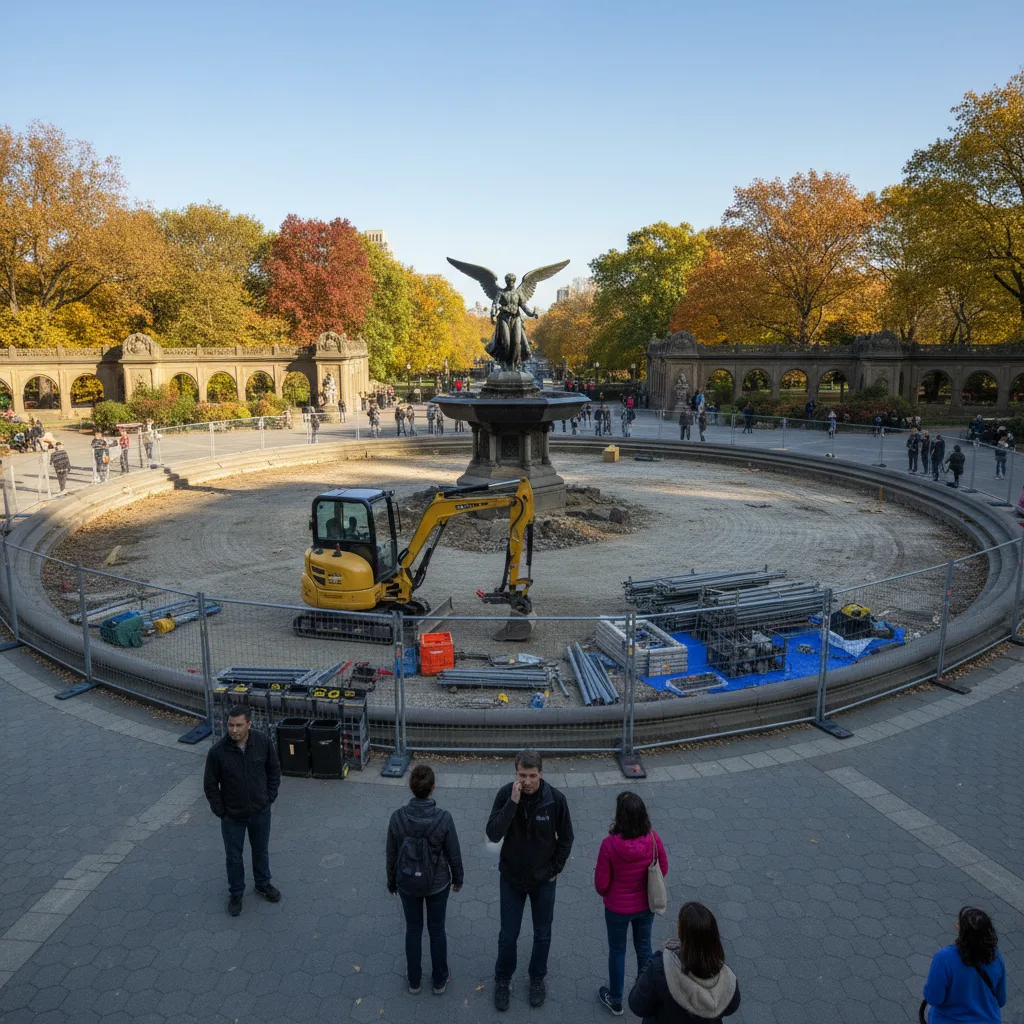
Central Park Conservancy Announces Bethesda Fountain, Great Lawn Closures
Central Park Conservancy announced Bethesda Fountain is off for restoration and the Great Lawn closed through October 2, 2026 for maintenance, affecting visitor access.
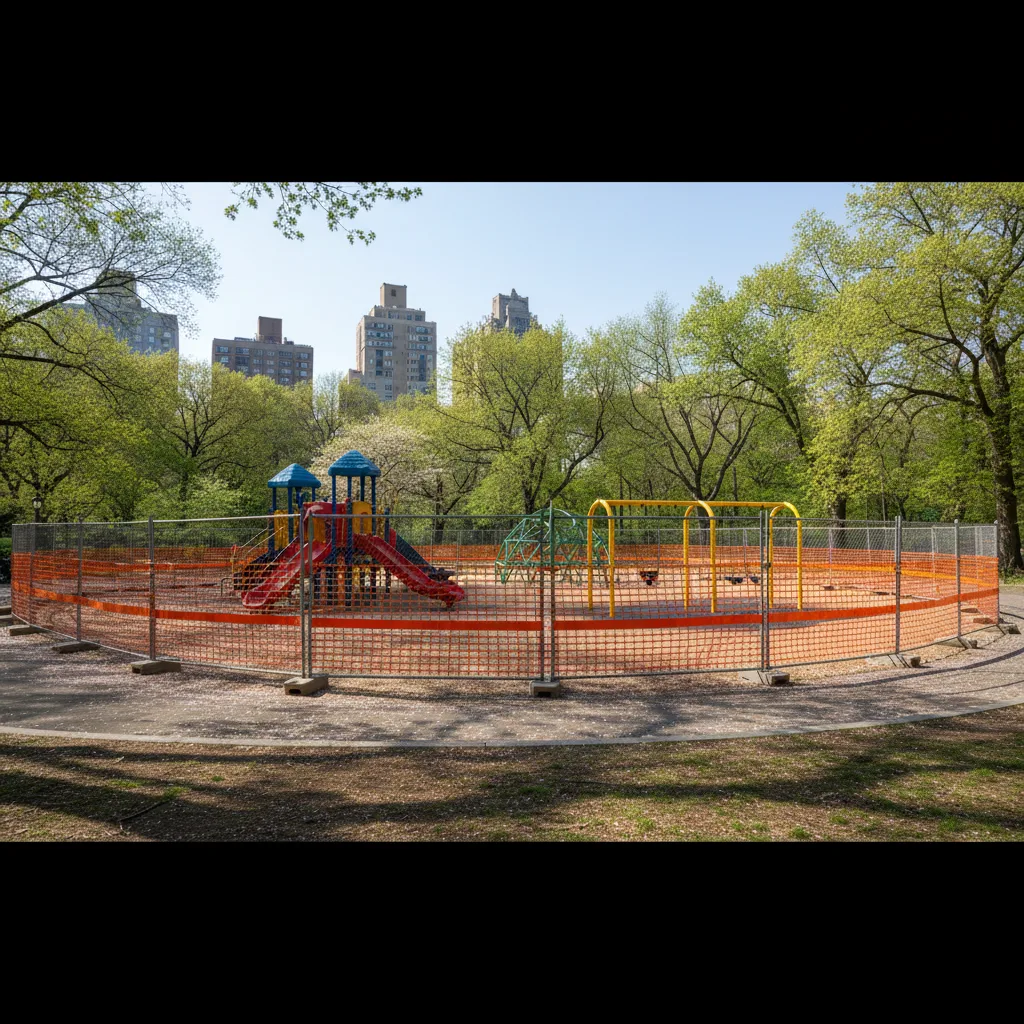
Central Park Conservancy Closes East 110th Street Playground for Restoration
Central Park Conservancy closed the East 110th Street Playground for restoration, while North Meadow and Heckscher ballfields shut due to weather. Plan your visit; check alerts for closures impacting recreation in Central Park.
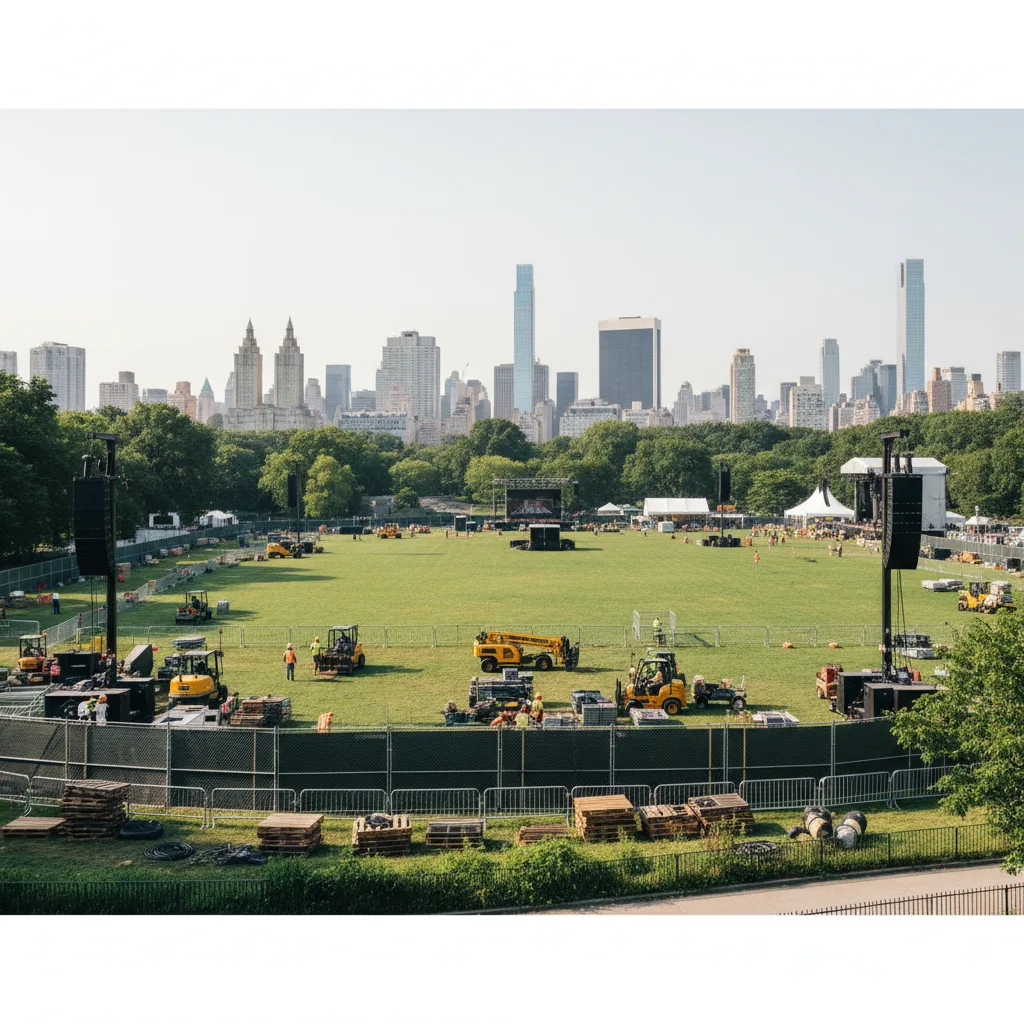
Central Park Conservancy Closes Great Lawn for Global Citizen Festival
Central Park Conservancy confirmed the Great Lawn is closed through September 26, 2026, for the Global Citizen Festival, affecting access to Belvedere Castle and Turtle Pond. Local residents and visitors should plan alternate routes and expect traffic delays around the park's perimeter.
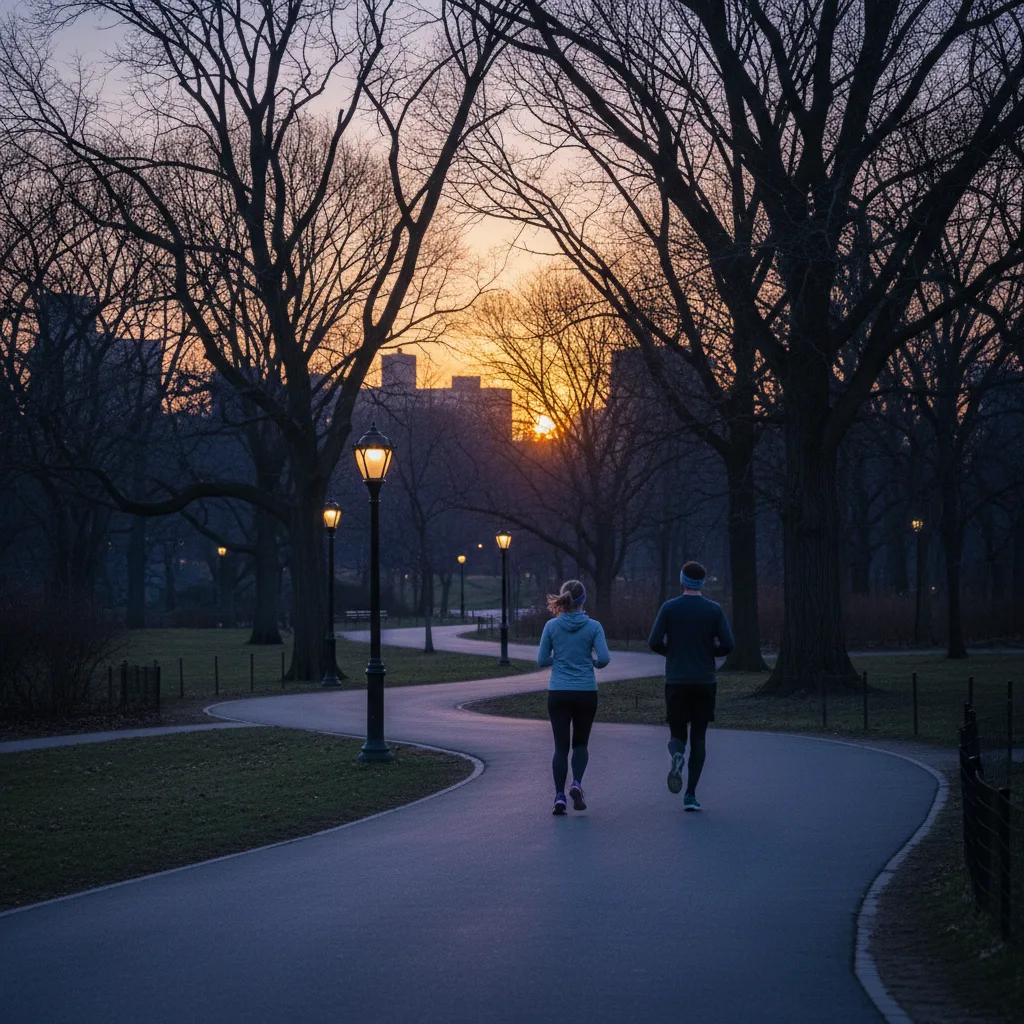
Central Park Conservancy Confirms 2026 Daily Operating Hours
Central Park Conservancy confirms 2026 daily hours: 6:00 a.m. to 1:00 a.m. This notice is for visitor planning, not a change.
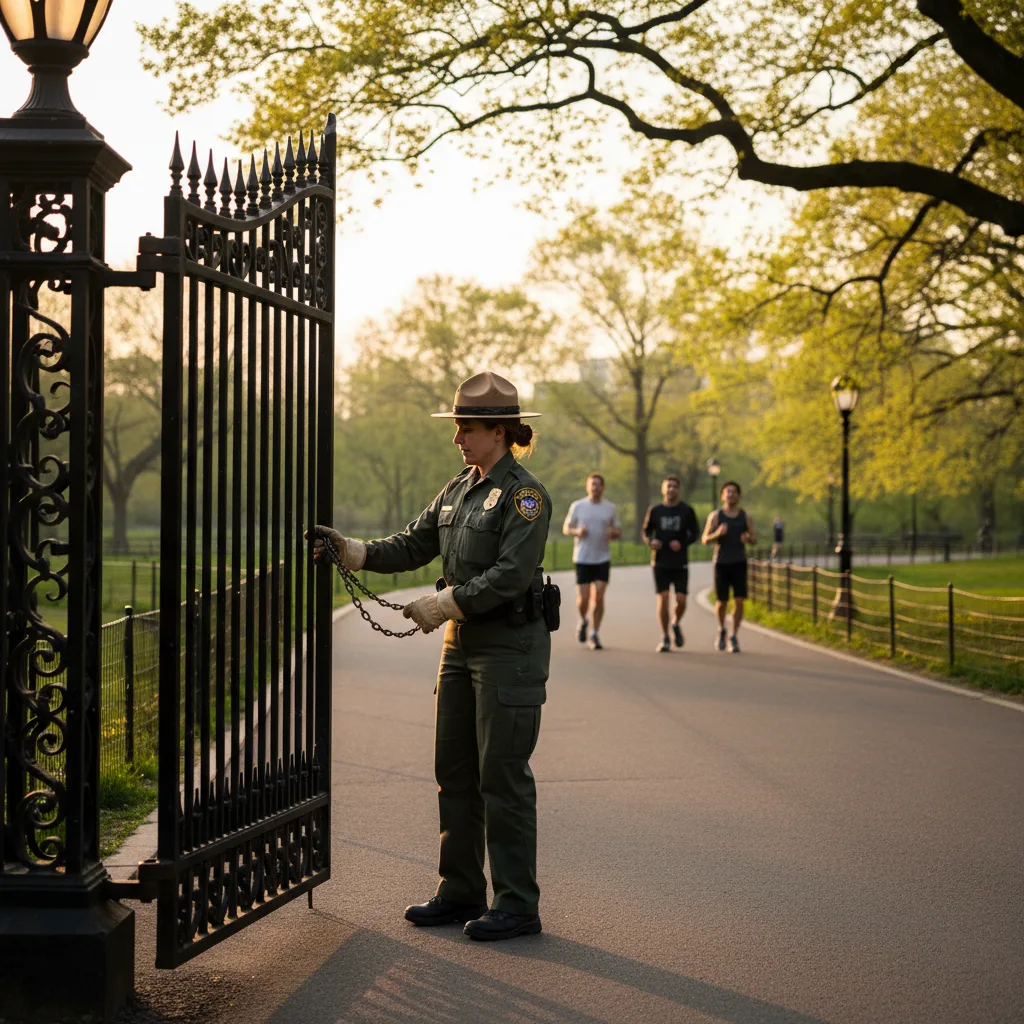
Central Park Conservancy Announces Park Hours Update for 2026
Central Park Conservancy announced updated 2026 park hours, maintaining 6:00 a.m. to 1:00 a.m. access daily. This schedule balances public enjoyment with critical maintenance and security operations.