


Central Park: 843-Acre Oasis Hosts 2026 Programs
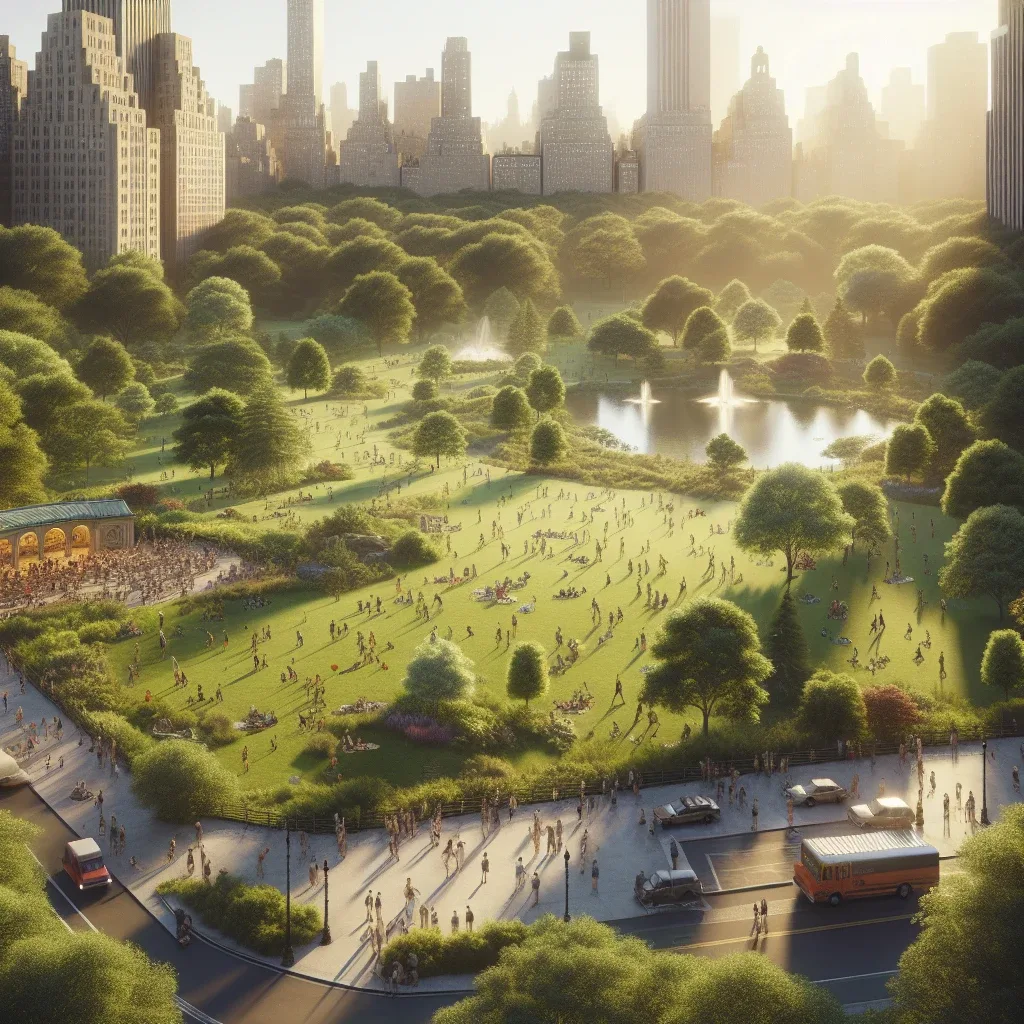
NEW YORK — Central Park, New York City’s sprawling 843-acre urban sanctuary, is set to host a diverse array of public programs and conservation efforts throughout 2026. As an iconic green oasis, the park continues its mission to provide both tranquil natural escapes and vibrant cultural experiences for its millions of annual visitors, according to the Central Park Conservancy.
This year’s calendar underscores the dual commitment to ecological preservation and community engagement that defines the park’s management strategy. Officials detailed plans for enhanced horticultural care, expanded educational initiatives, and a robust schedule of free and low-cost events designed to cater to a wide demographic. These efforts are crucial in maintaining the park's status as a world-class public space.
Sustaining a Natural Legacy
The Central Park Conservancy reports that significant resources will be allocated to landscape maintenance, including the care of over 18,000 trees and hundreds of acres of planted gardens. Efforts will focus on combating invasive species, improving soil health, and ensuring the long-term vitality of diverse ecosystems within the park. This horticultural work is vital for preserving the park’s original vision.
“Our ongoing conservation projects are the backbone of Central Park’s enduring beauty and ecological health,” stated Alex Perez, Chief Landscape Officer for the Central Park Conservancy, during a recent press briefing. “We are committed to innovative sustainability practices that protect this precious resource for future generations of New Yorkers and global visitors alike.” These initiatives ensure that areas like the North Woods and the Ramble continue to thrive as natural habitats.
2026 Event Highlights and Accessibility
Central Park’s 2026 event schedule promises something for everyone, from free outdoor concerts at Rumsey Playfield to guided nature walks and children’s workshops. The iconic Bethesda Terrace will again serve as a focal point for informal gatherings and planned performances. Park management emphasizes accessibility, ensuring that programs and facilities are welcoming to all members of the community.
Details are emerging about a new series of wellness events, including free yoga sessions on the Great Lawn and guided meditation in the serene Shakespeare Garden. The Conservancy is also expanding its volunteer programs, inviting citizens to contribute directly to the park’s upkeep through planting, clean-up drives, and community outreach. Such programs foster a sense of ownership and connection among residents. For those interested in cultural performances, the reopening of the Public Theater's Delacorte stage promises a full summer season. Further information on park programming can be found through various Central Park news sources.
Economic and Social Impact
Beyond its aesthetic and recreational value, Central Park plays a substantial role in New York City's economy and social fabric. It attracts approximately 42 million visits annually, supporting local businesses and enhancing property values in surrounding neighborhoods. The park provides crucial green infrastructure, contributing to air quality improvement and urban temperature regulation.
Studies conducted by the New York City Department of Parks & Recreation frequently highlight the park’s role as a vital social condenser, bringing together people from all walks of life. It serves as a unifying element in a diverse metropolis, offering common ground for exercise, relaxation, and cultural exchange. Its unique design and historical significance draw researchers and urban planners from around the world.
Challenges and Future Outlook
Despite its celebrated status, Central Park faces continuous challenges, including the impacts of climate change, persistent maintenance needs, and the demands of high visitor traffic. The Conservancy works proactively to address these issues, employing advanced ecological methods and engaging in strategic fundraising initiatives. Long-term plans include infrastructure upgrades and technological integrations to enhance visitor experience and operational efficiency.
Future initiatives aim to further integrate educational technology within the park, offering interactive exhibits and digital guides. The goal is to deepen visitors' appreciation for the park's history, ecology, and ongoing preservation efforts. These forward-looking strategies are designed to ensure Central Park remains a vibrant and essential part of New York City for centuries to come. The enduring health of this park is a reflection of the city's commitment to urban green spaces.
FAQ: Central Park Management and Events 2026
Q: What is the primary focus for Central Park management in 2026? A: The Central Park Conservancy is focusing on both ecological preservation and diverse community engagement through enhanced landscape maintenance, expanded educational initiatives, and a robust schedule of public events.
Q: How many acres does Central Park cover? A: Central Park covers 843 acres in the heart of Manhattan.
Q: What kind of events can visitors expect in Central Park this year? A: Visitors can expect a variety of events, including free concerts, guided nature walks, children's workshops, wellness programs like yoga, and various cultural performances, many free or low-cost.
Q: How can I get involved in Central Park’s conservation efforts? A: The Central Park Conservancy offers various volunteer programs, including planting, clean-up drives, and community outreach. Information can be found on their official website.
Q: What challenges does Central Park face? A: Central Park faces challenges such as the impacts of climate change, ongoing maintenance requirements for its vast infrastructure, and managing the demands of its approximately 42 million annual visitors.
Related Articles
More in Park Operations & Maintenance →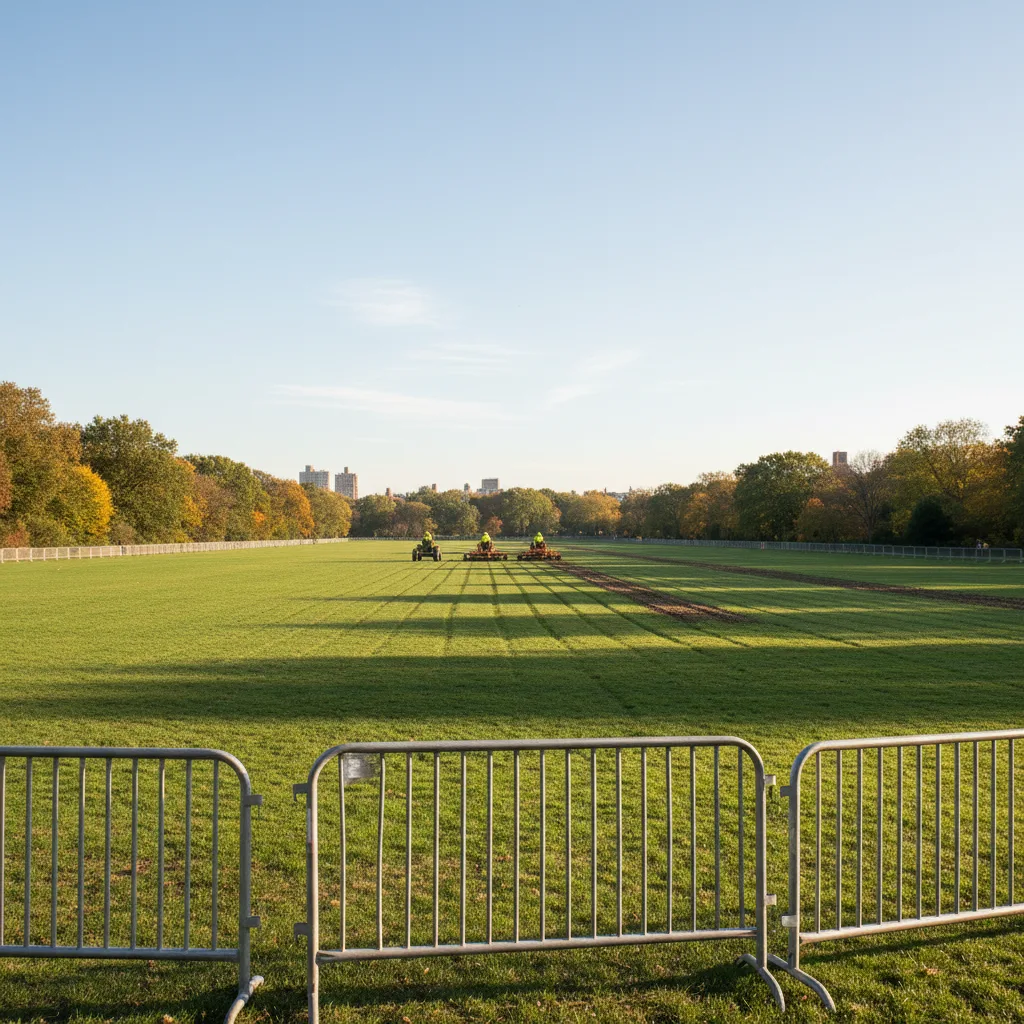
Central Park Conservancy Closes Great Lawn for Scheduled Maintenance
The Central Park Conservancy closed the Great Lawn through October 2, 2026, for scheduled maintenance, impacting weekend activities. Essential upkeep ensures the iconic green space remains vibrant for visitors.
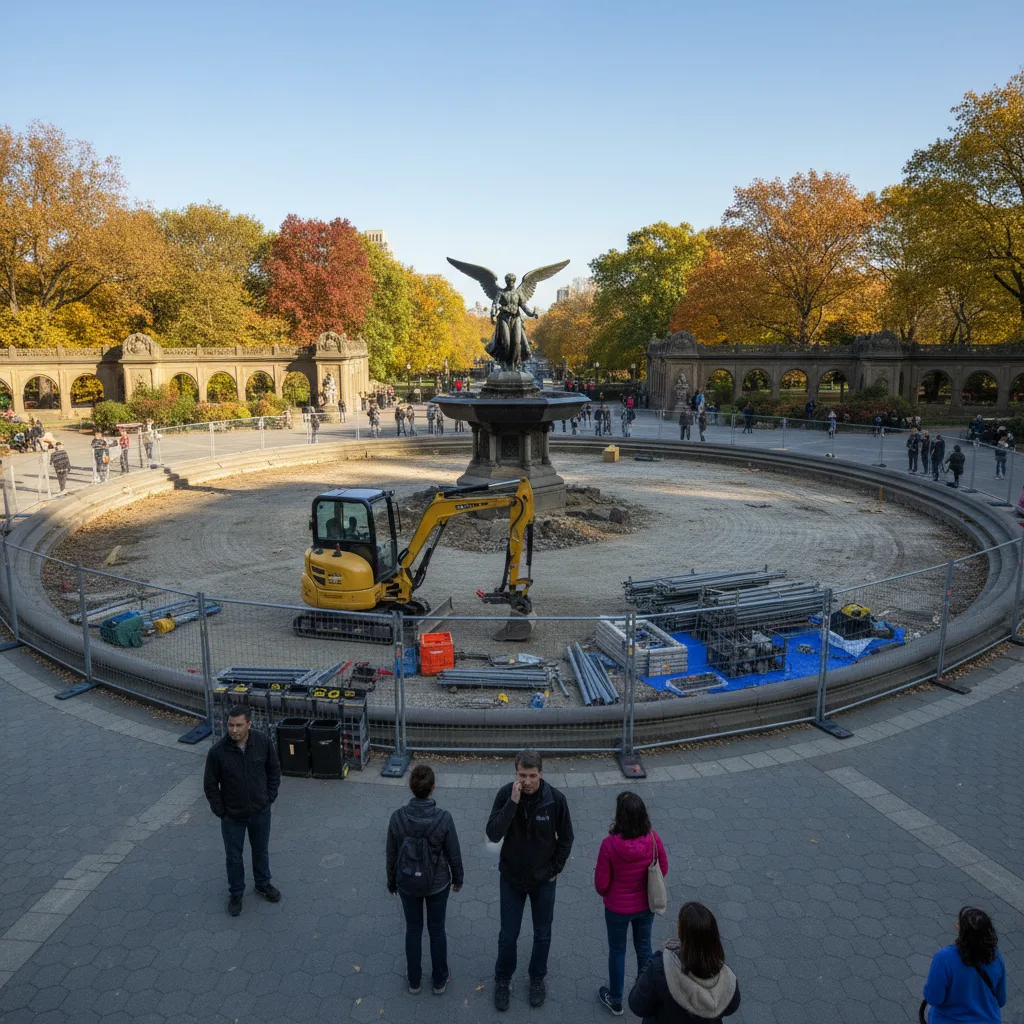
Central Park Conservancy Announces Bethesda Fountain, Great Lawn Closures
Central Park Conservancy announced Bethesda Fountain is off for restoration and the Great Lawn closed through October 2, 2026 for maintenance, affecting visitor access.
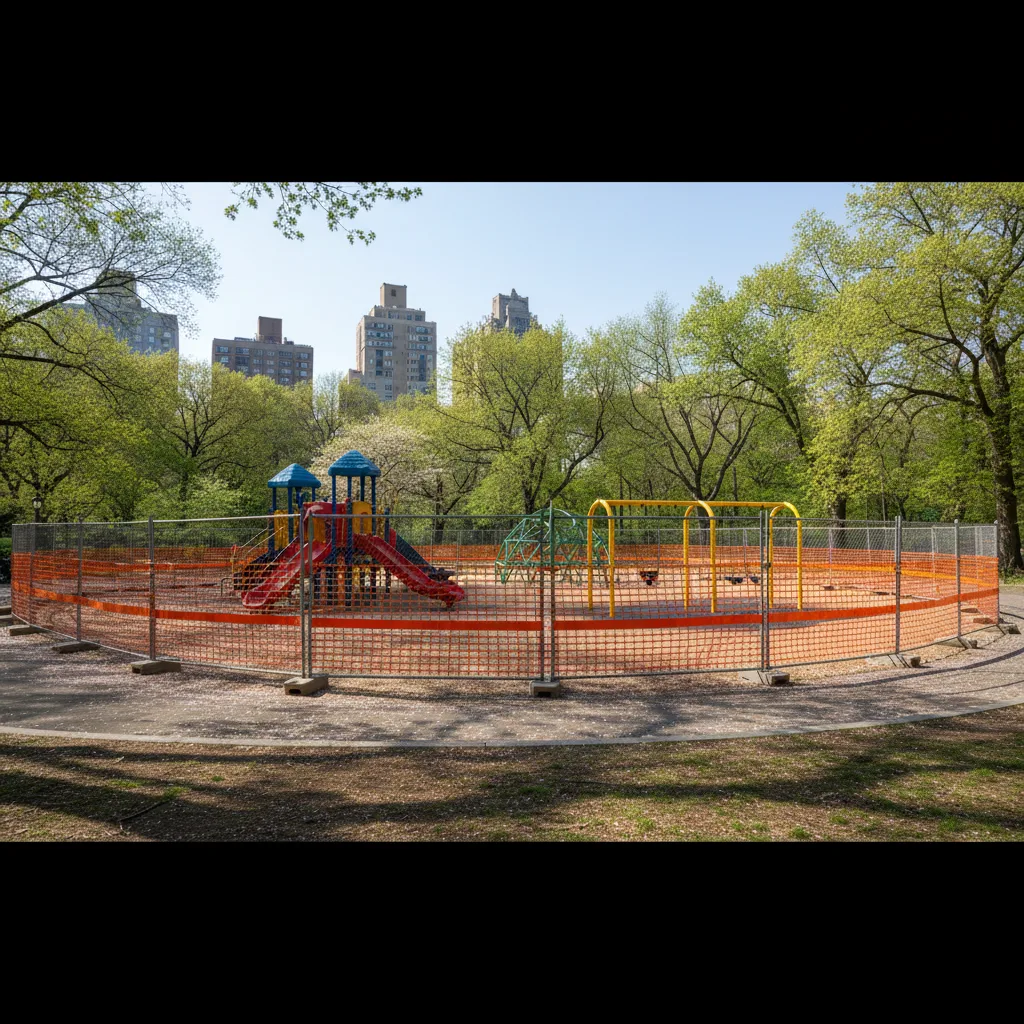
Central Park Conservancy Closes East 110th Street Playground for Restoration
Central Park Conservancy closed the East 110th Street Playground for restoration, while North Meadow and Heckscher ballfields shut due to weather. Plan your visit; check alerts for closures impacting recreation in Central Park.
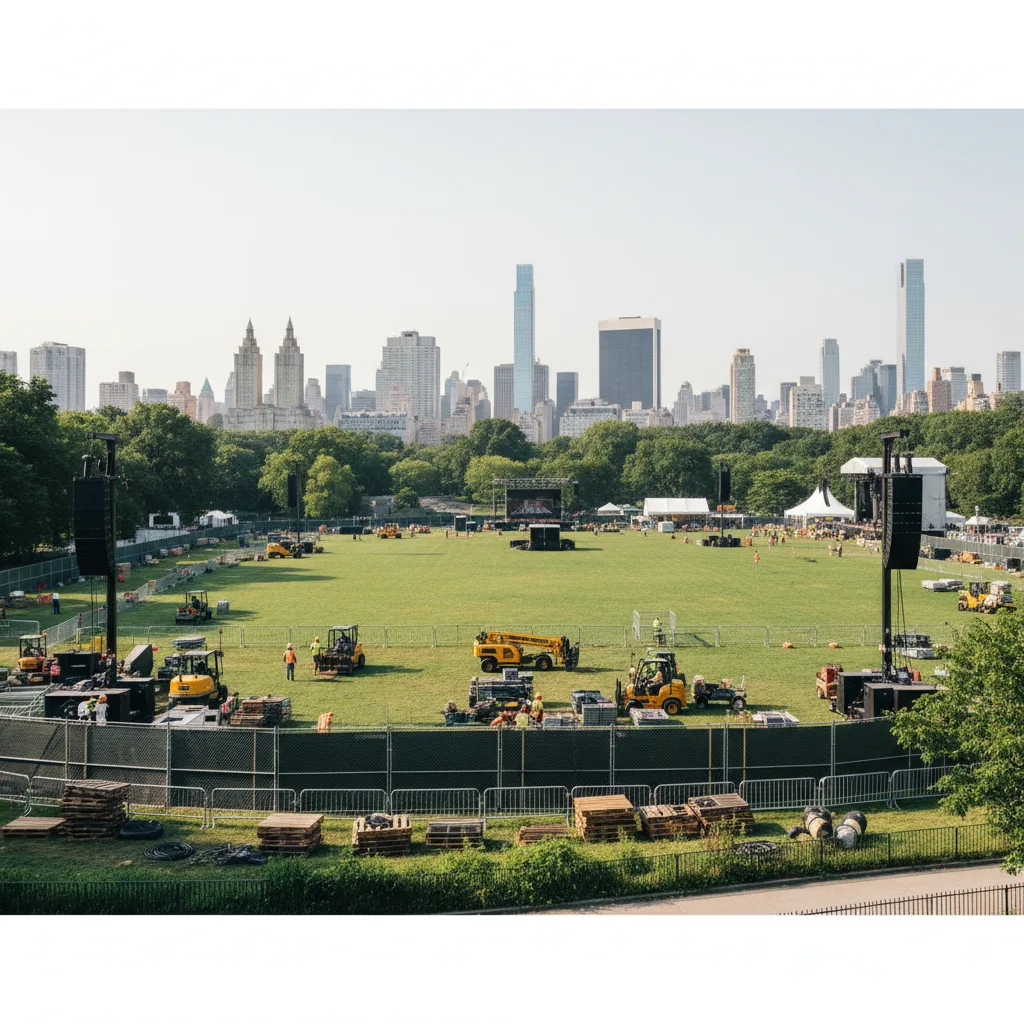
Central Park Conservancy Closes Great Lawn for Global Citizen Festival
Central Park Conservancy confirmed the Great Lawn is closed through September 26, 2026, for the Global Citizen Festival, affecting access to Belvedere Castle and Turtle Pond. Local residents and visitors should plan alternate routes and expect traffic delays around the park's perimeter.
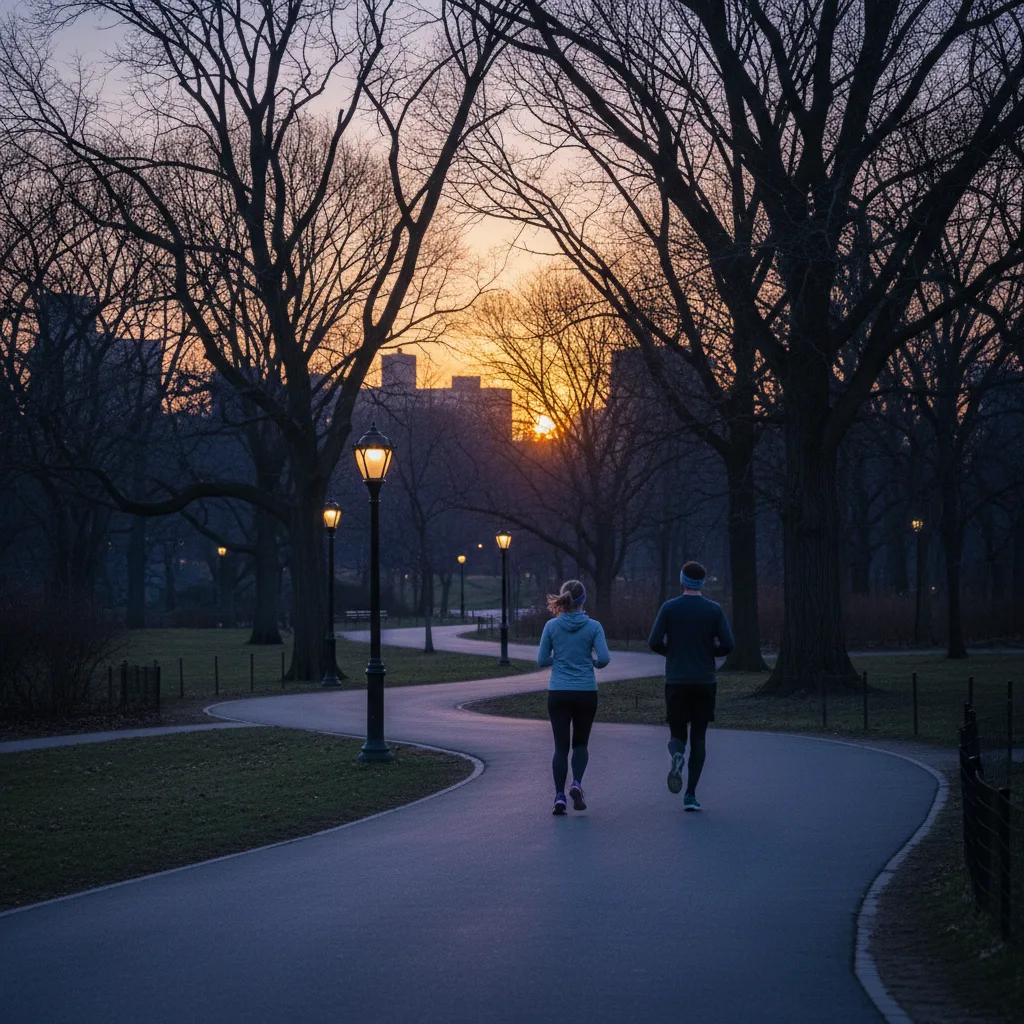
Central Park Conservancy Confirms 2026 Daily Operating Hours
Central Park Conservancy confirms 2026 daily hours: 6:00 a.m. to 1:00 a.m. This notice is for visitor planning, not a change.
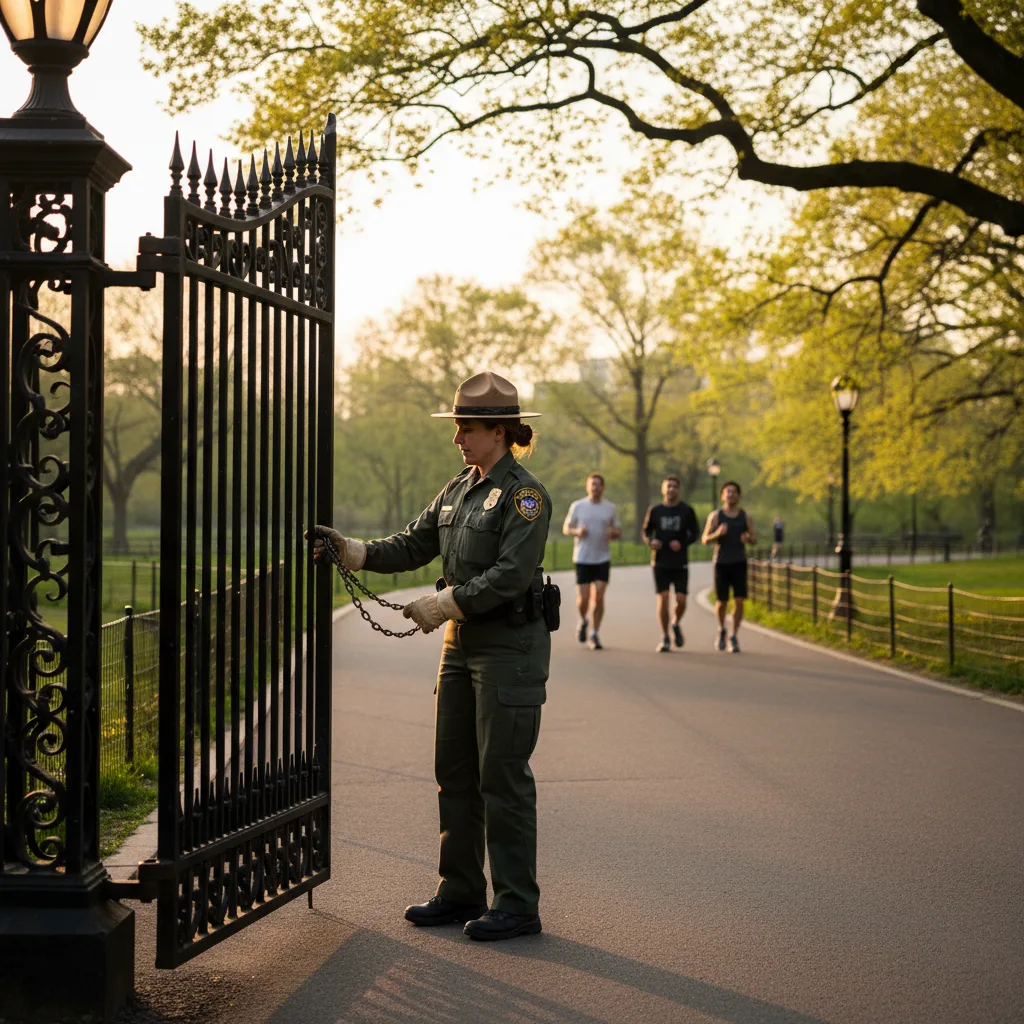
Central Park Conservancy Announces Park Hours Update for 2026
Central Park Conservancy announced updated 2026 park hours, maintaining 6:00 a.m. to 1:00 a.m. access daily. This schedule balances public enjoyment with critical maintenance and security operations.