


Central Park's 843 Acres Host Diverse Wildlife Population in 2026

NEW YORK — Central Park, spanning a remarkable 843 acres across Manhattan, continues to serve as a critical urban wildlife refuge, supporting a surprisingly diverse array of species in 2026. This vast green space provides essential habitat for everything from elusive coyotes to thriving turtle populations, illustrating a delicate ecological balance within the bustling metropolis.
Conservation efforts by the Central Park Conservancy and various wildlife groups are crucial to maintaining these habitats. These initiatives protect over 200 identified bird species and numerous mammal, amphibian, and reptile populations.
Unveiling Central Park's Elusive Residents
Visitors often overlook the vibrant animal kingdom thriving just beyond the main pathways and iconic landmarks. While squirrels and pigeons are ubiquitous, keen observers can spot more exotic creatures, adding a unique dimension to their park experience.
Recent sightings near the Delacorte Theater have confirmed the continued presence of coyotes, prompting advisories from the Central Park Conservancy. These animals, typically nocturnal and shy, play a role in managing rodent populations.
Avian Wonders: A Birder's Paradise
Central Park is a world-renowned destination for birdwatchers, especially during spring and fall migrations. More than 200 species, including warblers, hawks, and even rare owls, use the park as a stopover or breeding ground. The Ramble, a wooded area near 79th Street, is a particular hotspot for avian activity.
The New York City Audubon Society regularly conducts bird counts and educational programs within the park, highlighting its importance for migratory birds along the Atlantic Flyway. Their data confirms a robust and healthy bird population, crucial for local biodiversity.
Aquatic Life in Ponds and Lakes
Turtle Pond, located south of Belvedere Castle, is home to a variety of aquatic species, including several species of turtles and numerous fish. This tranquil body of water provides a vital ecosystem for these creatures, sheltered from the park's more frenetic activity.
Other water bodies, like the Central Park Lake and the Harlem Meer, also support diverse aquatic life. The Central Park Conservancy works diligently to maintain water quality and manage invasive species, ensuring these environments remain hospitable for native wildlife. For an in-depth guide, see Central Park's official news page.
Conservation Challenges in an Urban Ecosystem
Preserving Central Park’s wildlife presents unique challenges in an urban setting, including habitat fragmentation, pollution, and human-wildlife conflict. The park’s ecological team employs strategies like invasive plant removal and native plant restoration to support local flora and fauna.
“Our goal is to create a resilient ecosystem where both people and wildlife can thrive harmoniously,” stated Dr. Eleanor Vance, Lead Ecologist for the Central Park Conservancy. “It requires constant vigilance and the active participation of park visitors to respect these habitats.” She emphasized the impact of litter and off-leash dogs.
Visitor Engagement and Responsible Wildlife Viewing
Park-goers are encouraged to observe wildlife from a distance and avoid feeding animals, which can disrupt natural behaviors and diets. Informational signage and guided nature walks help educate the public on responsible interaction with the park's inhabitants.
The Central Park Conservancy hosts numerous programs throughout the year, such as wildlife photography workshops and conservation volunteer days, promoting deeper engagement with the park’s natural side. Discover more about Central Park's diverse wildlife and how to protect it.
Frequently Asked Questions About Central Park Wildlife
Visitors can significantly contribute to wildlife preservation by adhering to park rules, such as keeping dogs leashed in designated areas and properly disposing of trash. Never feed wild animals, as it can cause them to become dependent on human food and aggressive. Report injured wildlife to the Central Park Conservancy or NYC Parks Enforcement Patrol for appropriate intervention.
Commonly spotted animals include various bird species, squirrels, raccoons, and chipmunks. Rarer sightings might include red-tailed hawks, opossums, and even the occasional coyote, especially in quieter sections like The Ramble or North Woods. Early morning or late evening often offers the best chances for encountering less common species as they are most active during these times.
Related Articles
More in Wildlife & Nature →
Central Park Boathouse Bird Watching Tour Offers Educational Experience
Central Park Boathouse offers an educational bird watching tour, providing visitors an opportunity to observe avian species. This experience connects locals with nature, enhancing appreciation for park wildlife.
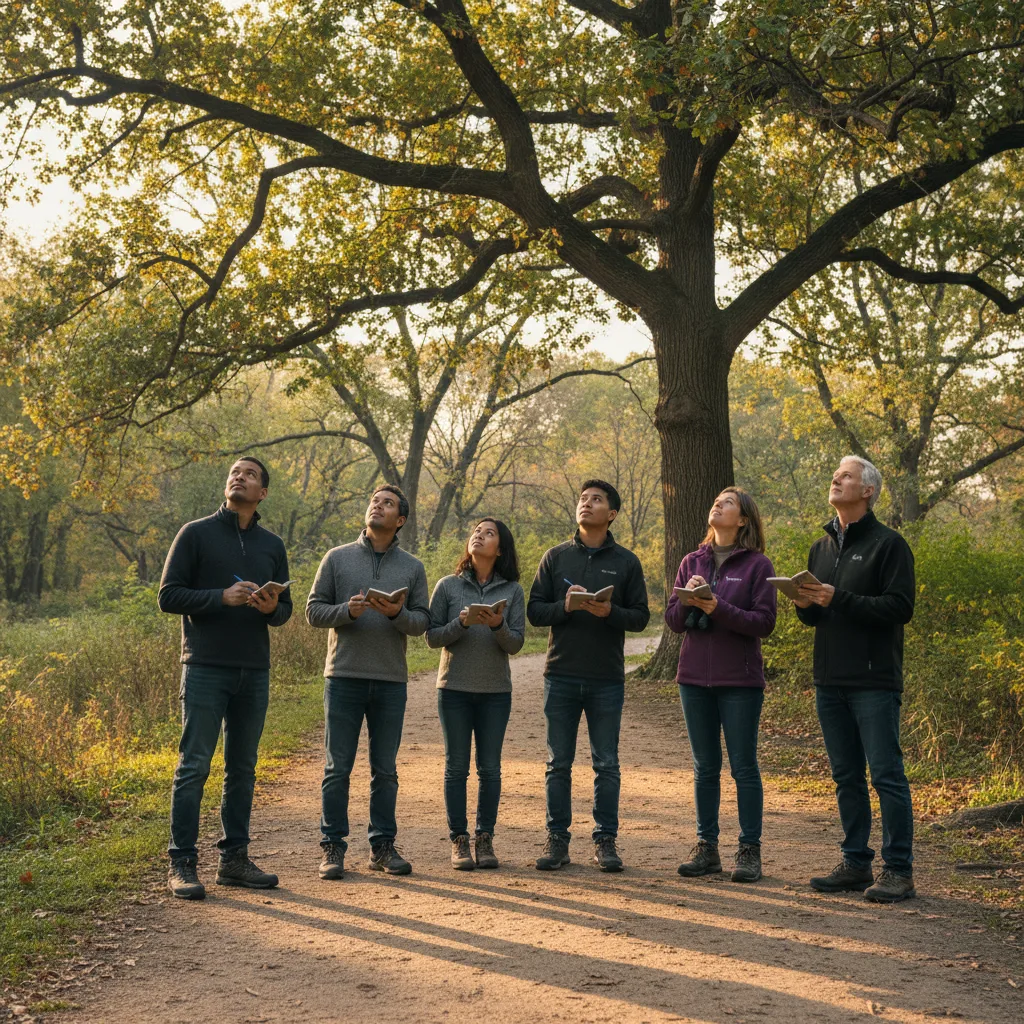
Central Park Event Calendar Features Climate Week Activities September 27
Central Park's event calendar for September 27, 2026, included a Climate Week-aligned "Journal, Meditation, + Bird Walk," promoting environmental awareness.
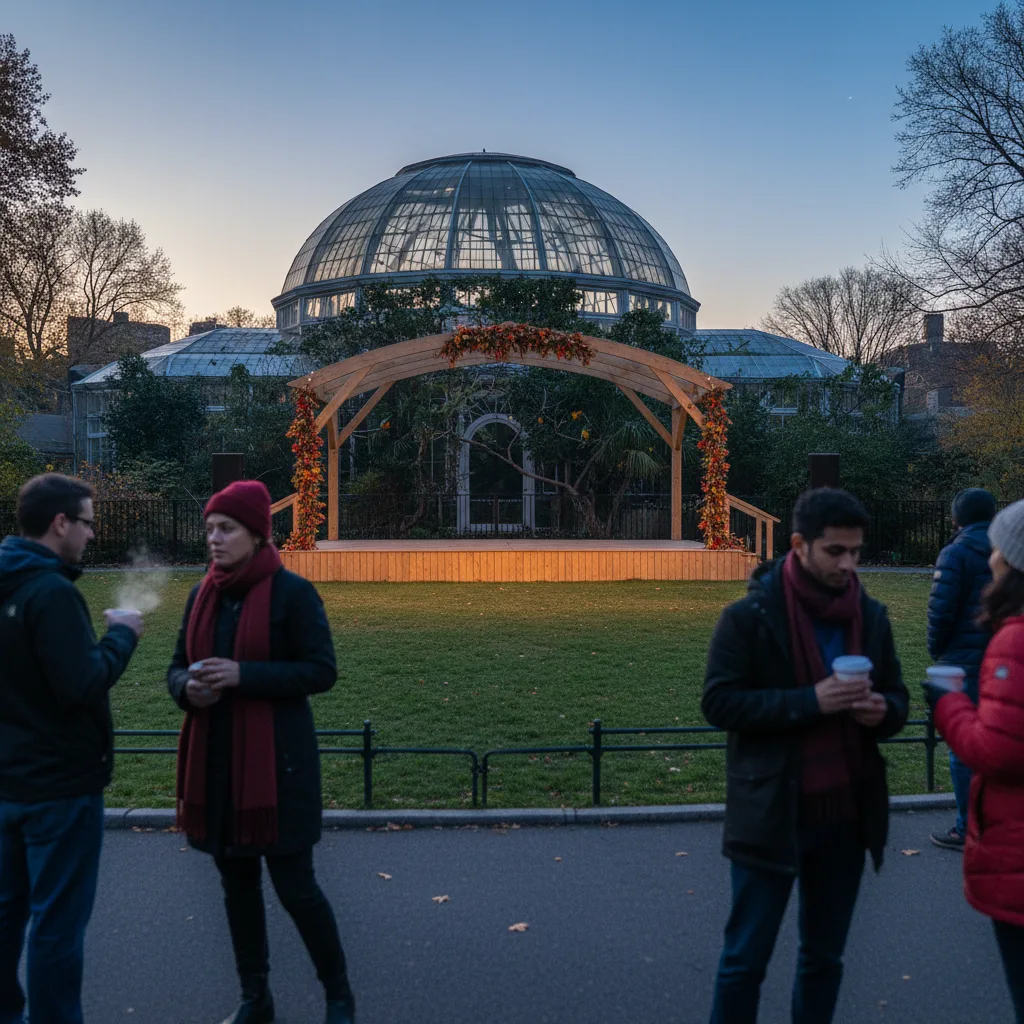
Wildlife Conservation Society Awards Lovejoy Prize at Central Park Zoo
Wildlife Conservation Society awards 2026 Thomas E. Lovejoy Prize today at Central Park Zoo during Climate Week in New York City.
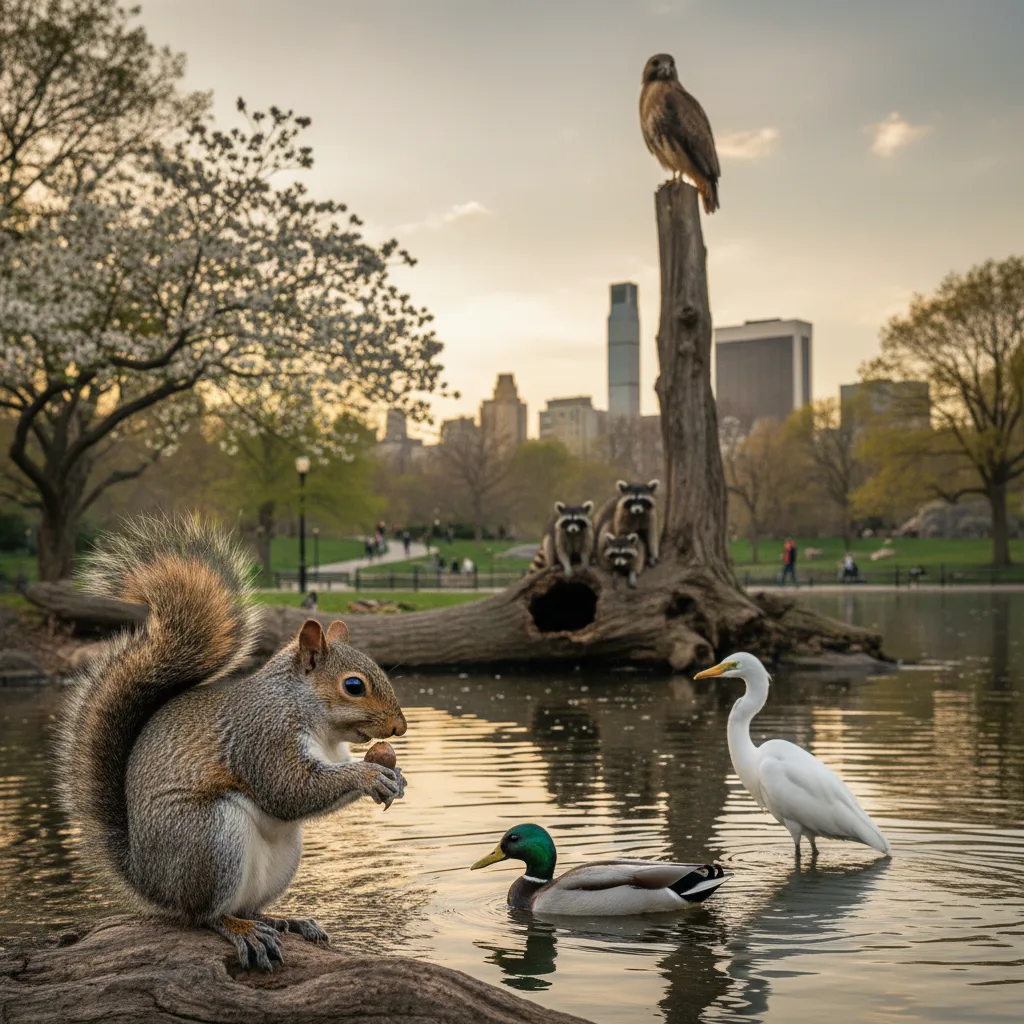
A Guide to Central Park's Wildlife: What to Know About the Park's Animals and Ecosystem
Discover the diverse Central Park wildlife, from birds and mammals to aquatic life. Learn responsible observation tips and conservation efforts for 2026.
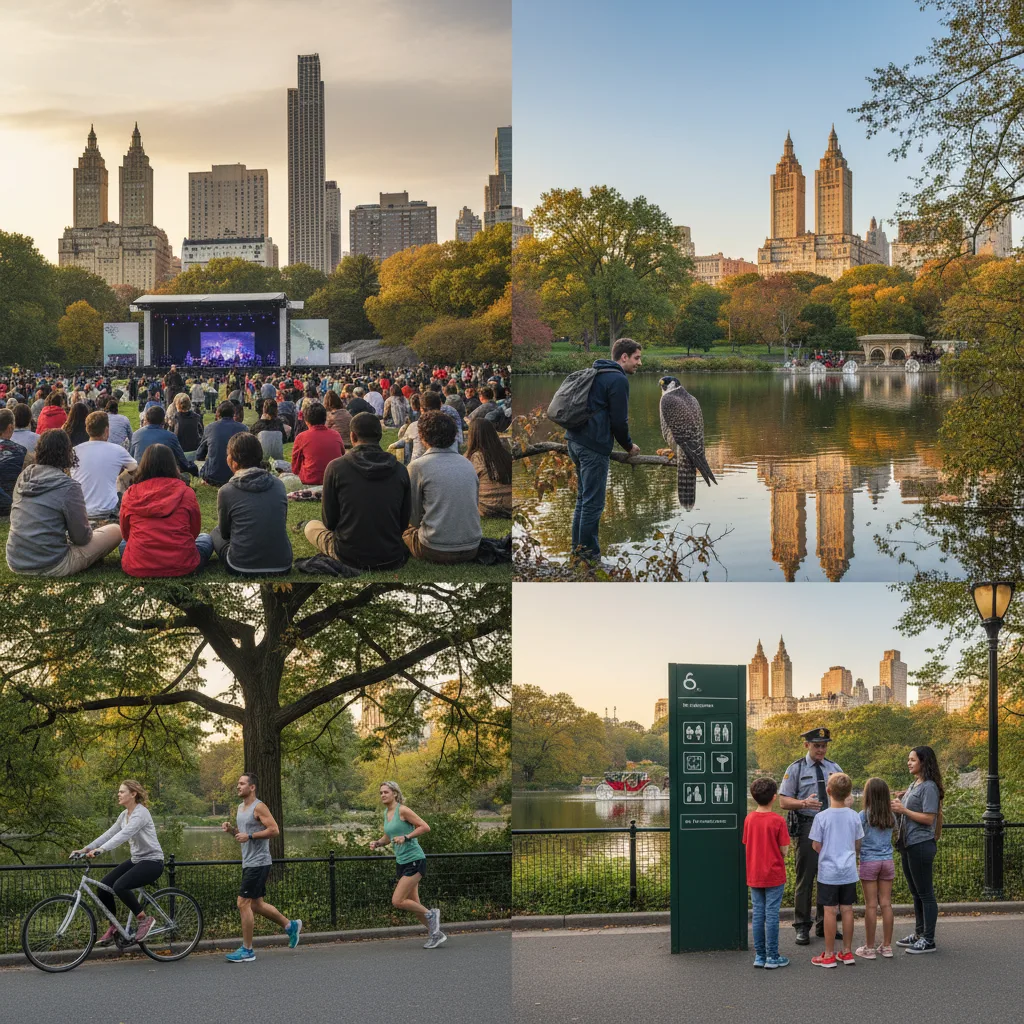
A Guide to Central Park's Top Activities and Best Things to Do in 2026
Discover the best things to do in Central Park, NYC, with our comprehensive 2026 guide to iconic landmarks, activities, and hidden gems for visitors.
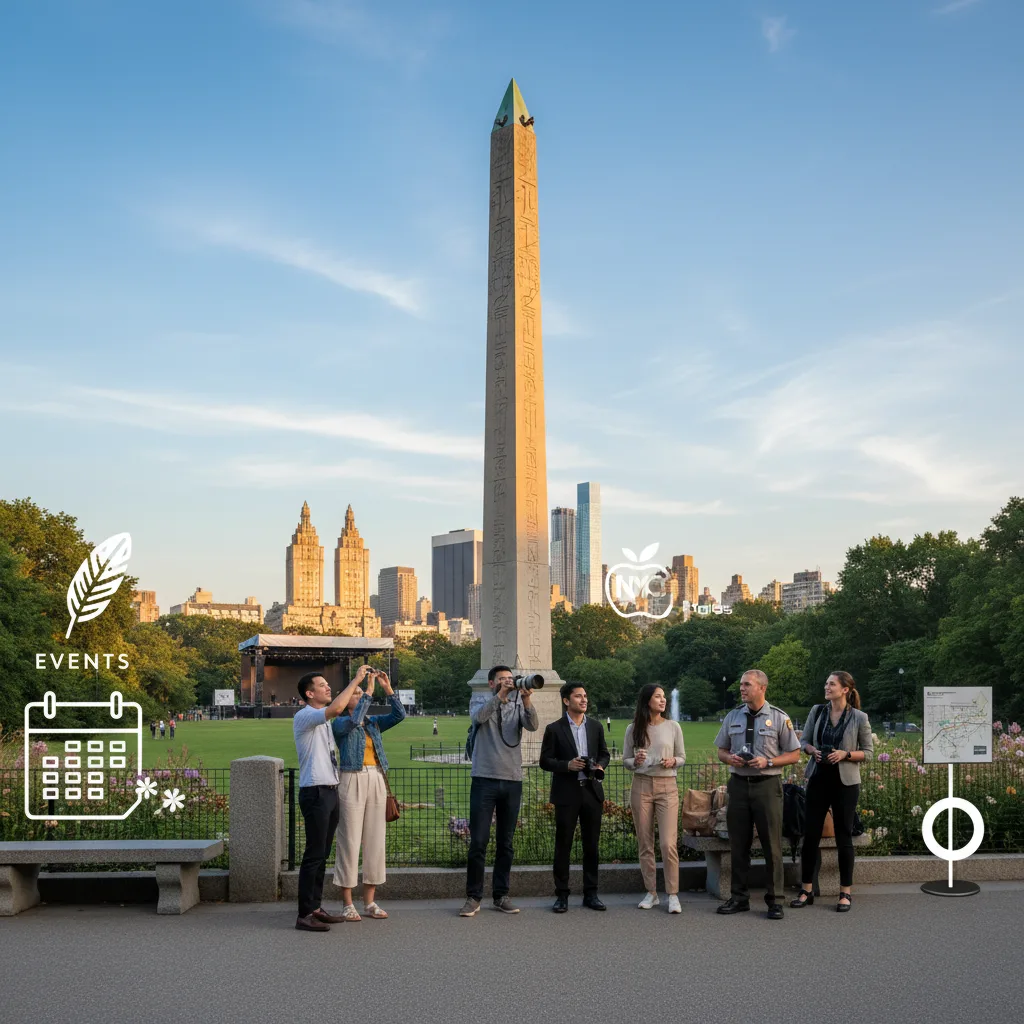
A Guide to What to Know About the Vatican Obelisk in Central Park 2026
Discover what to know about the Vatican Obelisk (Cleopatra's Needle) in Central Park, its history, journey to NYC, and where to find it in 2026.