


Central Park Access Concerns Rise as Congestion Pricing Looms

NEW YORK — New York City's proposed congestion pricing initiative, expected to launch by summer 2026, is drawing significant concern regarding its potential impact on Central Park. Local businesses and park advocates fear the new toll structure could deter visitors and residents from accessing the city's iconic green space, located at the heart of Manhattan.
The Metropolitan Transportation Authority (MTA) plans to implement tolls for vehicles entering Manhattan's central business district, defined as 60th Street and below. This zone encompasses much of Central Park’s southern and central sections, directly affecting vehicular access from multiple directions. The financial implications for regular park-goers and delivery services are substantial, prompting calls for exemptions or alternative solutions.
Economic Repercussions for Local Businesses
Retailers and restaurants bordering Central Park, particularly along Central Park South and Columbus Circle, are voicing worries about diminished customer traffic. Many depend on visitors driving in from other boroughs or outside the city, who might now reconsider their trips due to additional costs. According to a preliminary report by the Central Park Business Alliance, foot traffic could decline by 15-20% on peak days.
“Our entire business model relies on accessibility, and congestion pricing adds another barrier,” stated Maria Rodriguez, owner of a popular cafe near the park’s Columbus Circle entrance, speaking to local reporters on March 12, 2026. “People come to Central Park for a full day experience, and if it becomes too expensive or inconvenient to get here, they will choose other destinations.” This sentiment is echoed by numerous small business owners who fear a noticeable drop in revenue throughout the warmer months.
Tourism and Visitor Experience at Stake
Central Park attracts approximately 42 million visitors annually, a significant portion of whom arrive via ride-shares, taxis, or private vehicles. The impending congestion charge, estimated to be around $15 for passenger vehicles during peak hours, could significantly impact these visitor numbers. International tourists, often unfamiliar with the city’s complex public transportation system, might find the park less appealing as a destination if costs escalate.
Tourism industry representatives have expressed apprehension about the plan's long-term effects on New York City's appeal. They argue that Central Park is a cornerstone of the city’s identity and a primary draw for visitors worldwide. Limiting easy access could inadvertently harm the broader tourism economy, which contributes billions annually to the local coffers. The Manhattan traffic policy aims to reduce gridlock, but critics argue it does so at the expense of cultural access.
Environmental Trade-offs and Public Health
While the primary goal of congestion pricing is to reduce traffic and carbon emissions, there are concerns about unintended environmental consequences. Some park advocates suggest that reduced visitation could lead to decreased financial support for park maintenance and conservation efforts, traditionally funded through tourism-related revenues and local philanthropy. The Central Park Conservancy, a non-profit organization that manages the park, relies heavily on public engagement and donations.
“We understand the need for sustainable urban planning, but it must be balanced with preserving access to vital green spaces like Central Park,” commented David Chen, spokesperson for the Central Park Advocates Network. Chen noted that increased traffic on perimeter roads as drivers attempt to avoid tolls could also concentrate pollution in residential areas adjacent to the park. The full environmental impact study has yet to address these localized concerns comprehensively.
Calls for Exemptions and Mitigating Measures
Public discourse around the congestion pricing plan has intensified, with many local leaders and community groups advocating for specific exemptions or mitigating measures. Suggestions include discounted rates for specific time windows or residents, or direct investments of toll revenue into public transit improvements serving Central Park. Critics also point out that the plan could disproportionately affect lower-income residents who rely on personal vehicles for work or family commitments.
Governor Kathy Hochul has previously expressed commitment to the congestion pricing scheme, citing its potential to generate significant revenue for MTA infrastructure improvements and reduce city-wide traffic. However, pushback from various stakeholders, including those concerned about Central Park’s accessibility, continues to mount. The final implementation details are still under review, with an official decision anticipated before the end of spring 2026. Protecting access to New York City congestion pricing impacts will be a key discussion point.
Community Engagement and Future Outlook
Several public forums and town hall meetings are scheduled throughout April and May 2026 to gather further community feedback on the congestion pricing plan. These sessions, organized by local council members and the MTA, aim to address specific concerns raised by residents, business owners, and park users. The outcome of these discussions could influence minor adjustments to the final policy, though significant changes are considered unlikely at this late stage.
The Central Park Conservancy has indicated it will continue to monitor the situation closely, working with city officials to ensure the park remains a welcoming and accessible retreat for all New Yorkers and visitors. They are exploring initiatives to promote public transportation options more vigorously, potentially mitigating some of the anticipated negative impacts on park attendance and engagement. The long-term effects on urban park visitation will be closely observed as the summer season unfolds.
Frequently Asked Questions About Central Park Congestion Pricing
What is congestion pricing? Congestion pricing is a system where drivers are charged a fee to enter a specific, highly trafficked area during certain hours, aiming to reduce traffic volume and generate revenue for public transit. New York City’s plan targets Manhattan below 60th Street.
When is the congestion pricing expected to start? The MTA anticipates implementing the congestion pricing plan by summer 2026, though specific dates are still subject to final approval and potential legal challenges. An official announcement is expected by late spring.
How much will the congestion charge be? The proposed charge for passenger vehicles entering the zone during peak hours is approximately $15. Rates may vary for different vehicle types, times of day, and for commercial vehicles.
How will this affect visitors to Central Park? Visitors driving personal vehicles or using ride-share services to access Central Park, especially its lower and central sections, will likely incur the congestion charge. This could lead to increased costs for a visit, potentially reducing overall park attendance.
Are there any exemptions for Central Park visitors or residents? Specific exemptions are still under discussion. Community groups are advocating for discounts or waivers for certain residents, disabled individuals, or those using vehicles for essential services, but no final decisions have been made by the MTA.
Where can I find more information on the plan? The Metropolitan Transportation Authority (MTA) website is the primary source for the most up-to-date information, including details on proposed toll rates, zone boundaries, and scheduled public hearings. Local news outlets are also covering ongoing developments.
Related Articles
More in Urban Policy & Development →
NYC Mayor Mamdani Booed at Union Square October 7 Vigil
Mayor Mamdani faced boos and protests at a Union Square vigil Thursday marking the Oct. 7 attacks, highlighting deep community divisions in NYC.
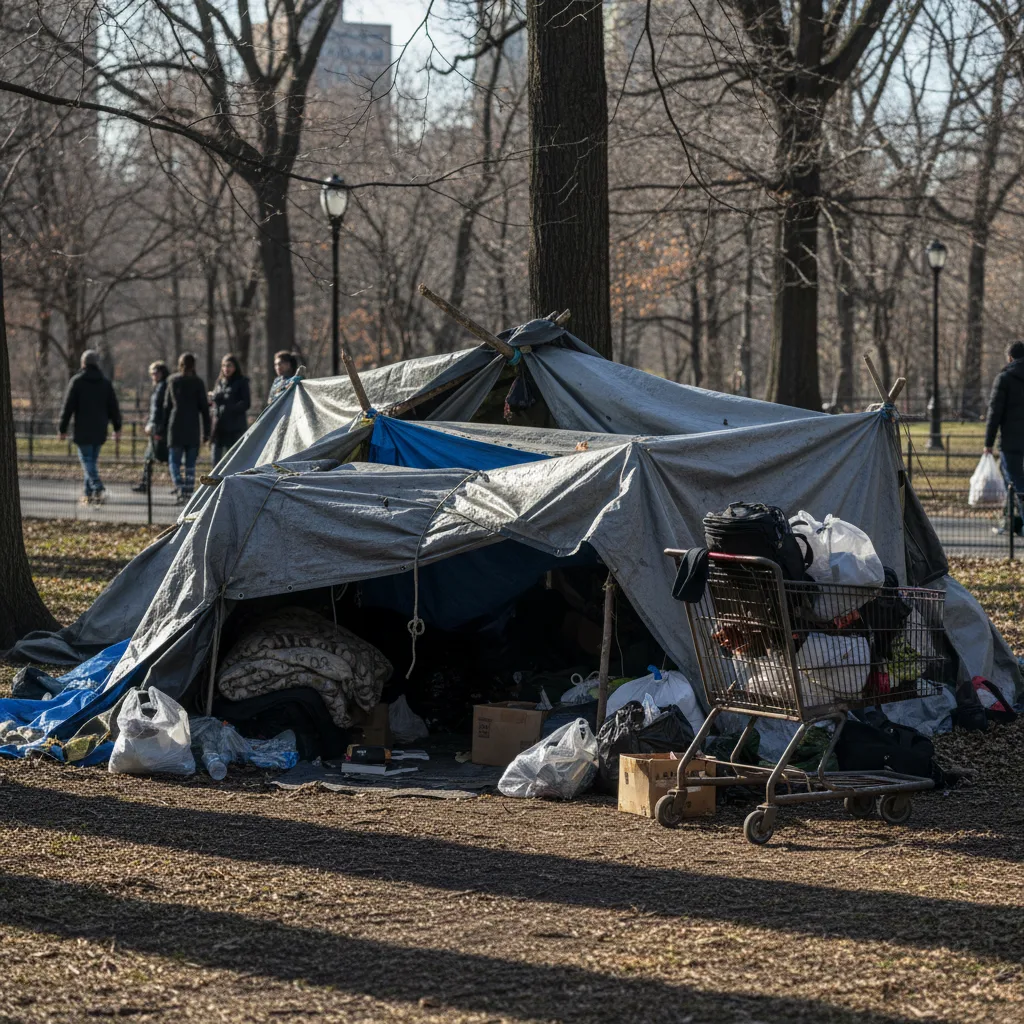
NYC Homeless Encampments Spotted Across Manhattan, Raising Concerns
Multiple homeless encampments have been spotted across Manhattan, raising significant concerns about urban policy and public safety. City officials are under pressure to address the growing homelessness crisis.
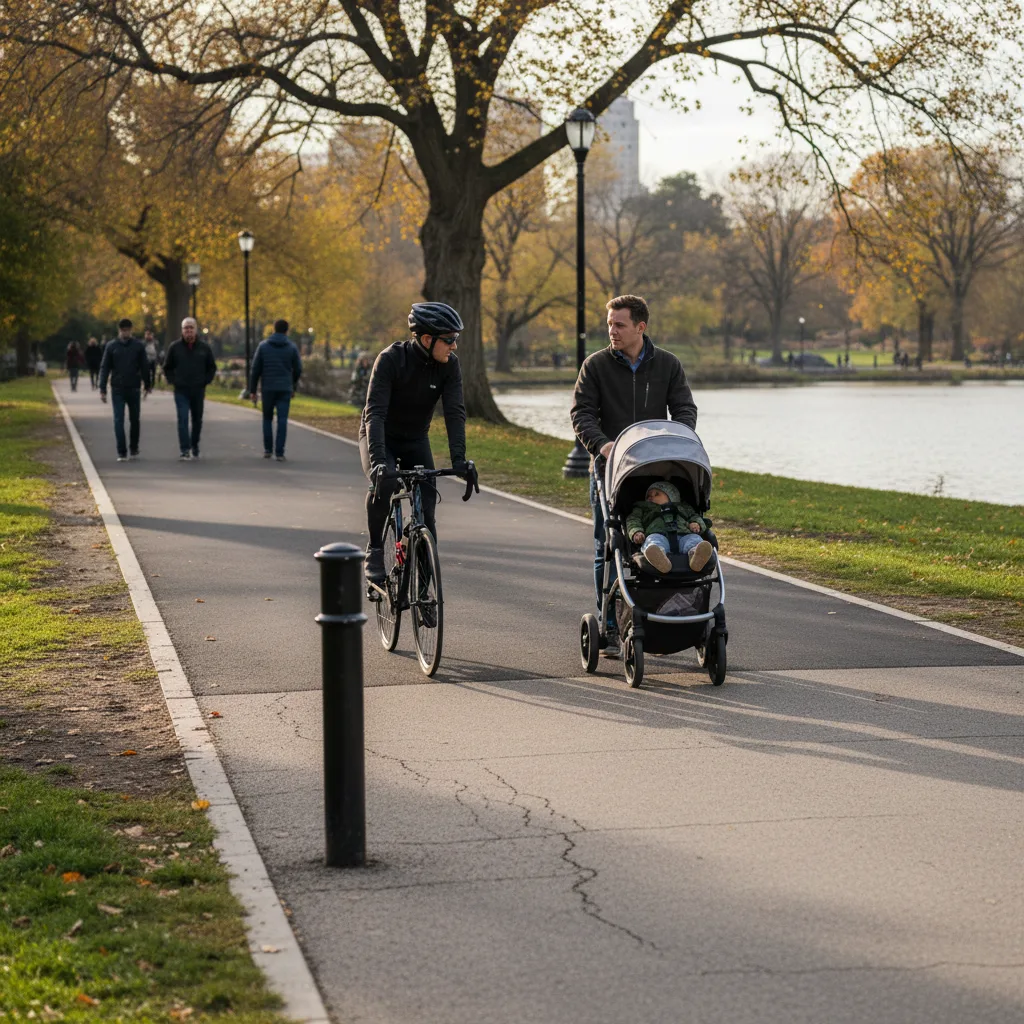
Safety Advocate Blames Park Redesign for Rising Central Park Cyclist Crashes
Safety advocates blame recent Central Park redesigns for a pedestrian's death and rising cyclist crashes, calling for urgent review of infrastructure.
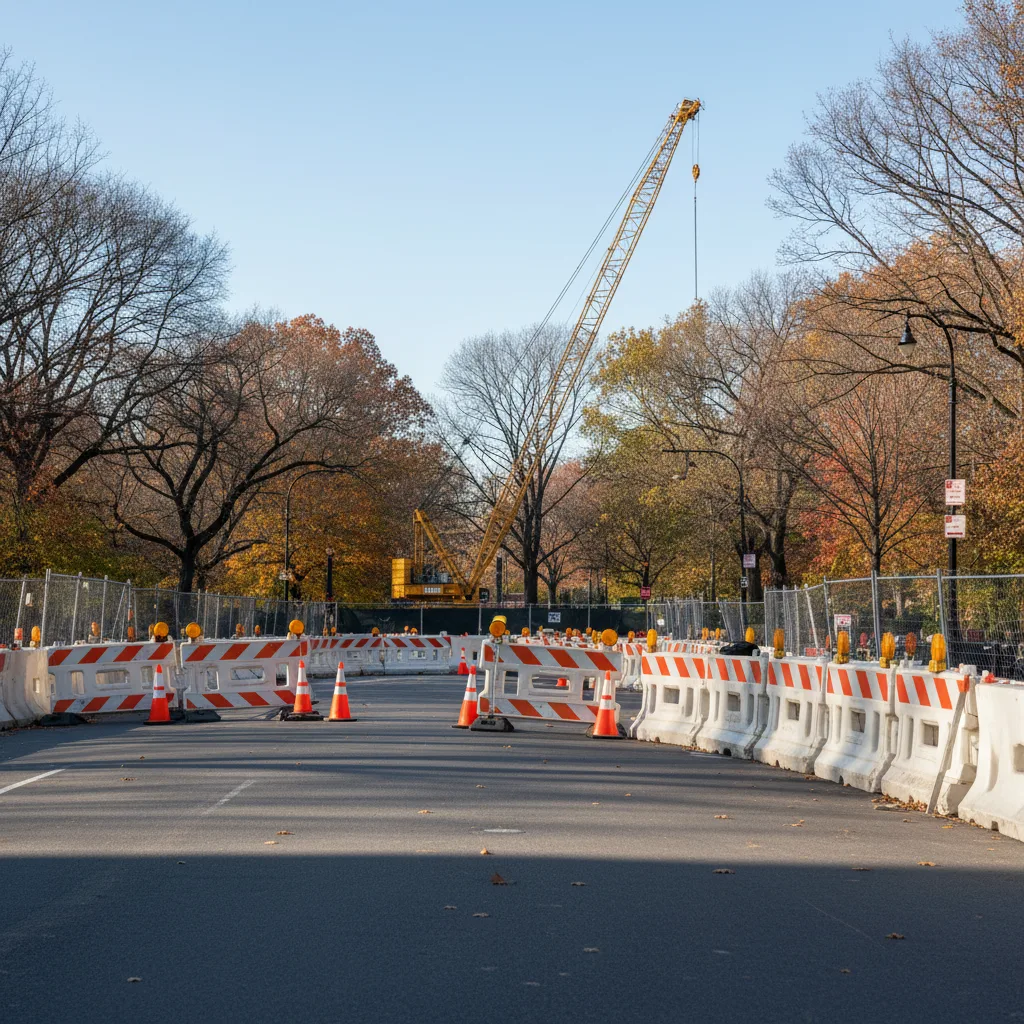
NYC DOT Advises Central Park Area Traffic Disruptions September 27
NYC DOT issued advisories for major traffic disruptions near Central Park on September 27, 2026, due to a parade and crane operations. Expect delays.

Davis Center at Harlem Meer Unveils State-of-the-Art Facilities
The new Davis Center at the Harlem Meer in Central Park's north end now features a state-of-the-art pool, ice rink, and multi-use turf field, enhancing community recreational options.
NYC City Record Confirms September 21, 2026, Publication Schedule
The NYC City Record confirmed its September 21, 2026, publication schedule, detailing administrative notices, procurement, and public hearings. This ensures transparency for municipal operations and public access to vital city information.