


Central Park Access, Pedestrian Safety Eyed in Upcoming City Council Hearings, February 2026
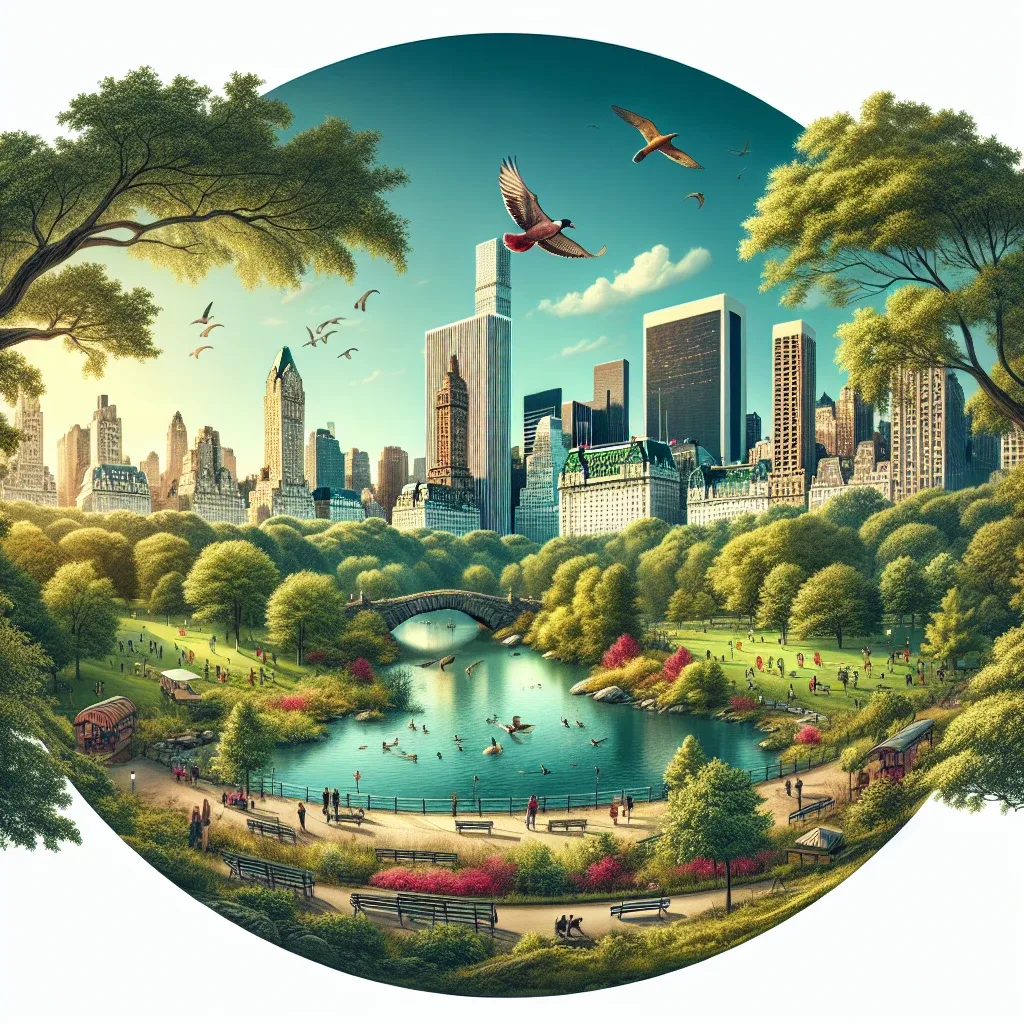
Central Park, NYC — Upcoming City Council hearings, highlighted in Streetsblog NYC's daily news roundup published February 19, 2026, are set to address critical issues concerning pedestrian and transit accessibility across New York City. Among the key areas of focus are the challenges and opportunities for improving access to and around Central Park, a verdant oasis that draws millions of visitors annually. These discussions are expected to bring together city planners, transportation advocates, park conservancy officials, and community representatives to deliberate on solutions that enhance safety, ease of access, and overall park experience for residents and tourists alike.
The specific details emerging from the City Council's agenda indicate a proactive approach to modernizing urban infrastructure, with Central Park serving as a significant case study due to its immense popularity and surrounding dense urban environment. The hearings aim to identify pinch points in pedestrian flow, assess the efficacy of existing transit routes serving the park's perimeter, and explore innovative solutions for future mobility.
Addressing Pedestrian Safety and Connectivity
A central theme of the anticipated hearings revolves around enhancing pedestrian safety at crosswalks and intersections bordering Central Park. High traffic volumes on Fifth Avenue, Central Park West, and other arterial roads pose significant risks for individuals attempting to enter or exit the park. Advocates are expected to present data on accident hotspots and propose interventions such as wider sidewalks, enhanced signaling, and dedicated pedestrian phases at traffic lights. The discussions will also likely delve into the integration of bicycle lanes and micromobility options, ensuring they complement, rather than conflict with, pedestrian movement. Improving connectivity between major transit hubs and park entrances is another priority, aiming to reduce walking distances for subway and bus users.
Strengthening Transit Links to Central Park
Beyond pedestrian concerns, the City Council will also examine the current state of transit services directly impacting Central Park. This includes an evaluation of existing MTA bus routes that encircle the park, considering their frequency, reliability, and coverage in relation to visitor demand. Proposals may include re-routing certain lines or increasing service during peak tourist seasons and major park events. Subway access, particularly for stations within a reasonable walking distance, will also be scrutinized to identify potential for signage improvements, accessibility upgrades, and better integration with surface-level pedestrian paths. The ultimate goal is to foster a more sustainable and equitable transportation ecosystem that supports Central Park's role as a vital urban green space, reducing reliance on private vehicles and mitigating associated environmental impacts.
Key Points:
- City Council hearings in early 2026 will focus on pedestrian and transit accessibility, with specific attention to Central Park.
- Discussions aim to improve safety at park-adjacent intersections and enhance public transport links.
- Advocates will push for wider sidewalks, better traffic signaling, and integrated micromobility solutions.
- MTA bus route efficacy and subway station access around Central Park are on the agenda.
- The initiative seeks to improve the park experience and promote sustainable transportation.
Related Articles
More in Park Operations & Maintenance →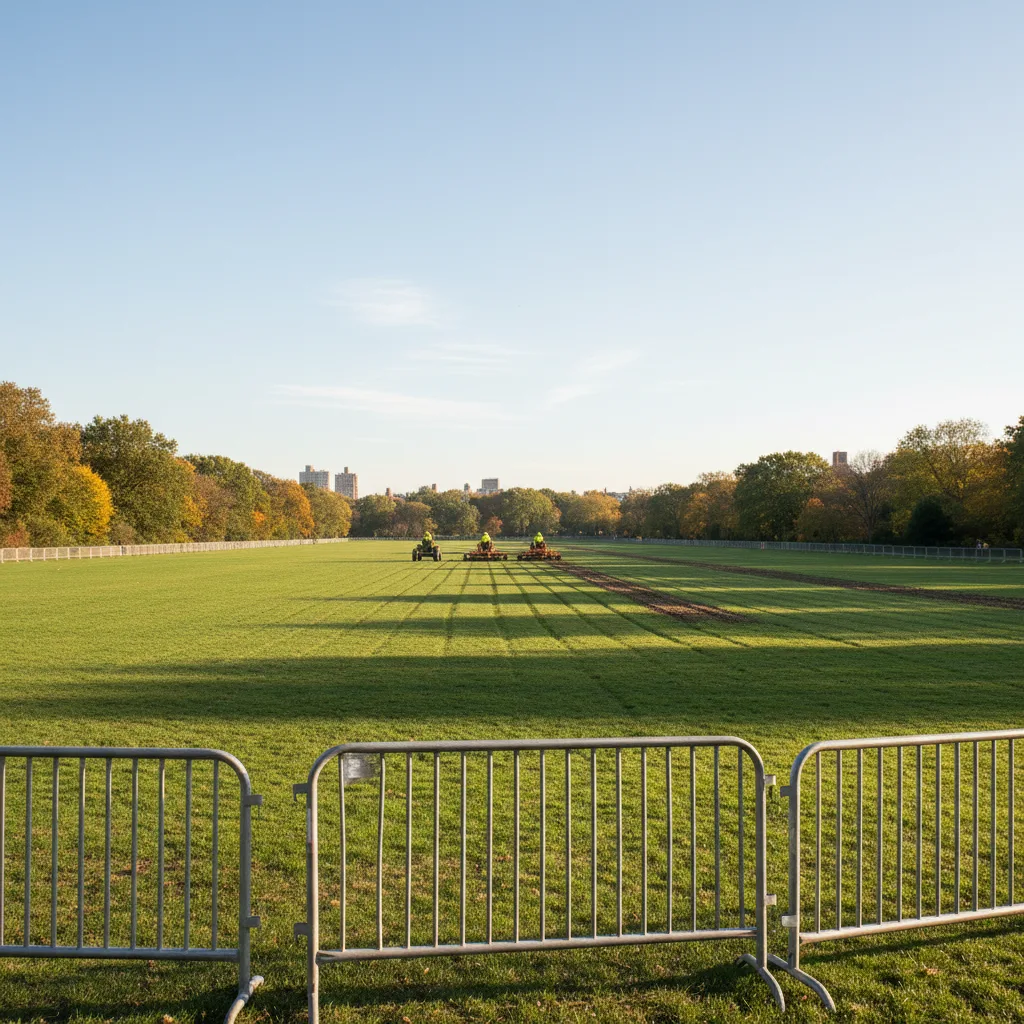
Central Park Conservancy Closes Great Lawn for Scheduled Maintenance
The Central Park Conservancy closed the Great Lawn through October 2, 2026, for scheduled maintenance, impacting weekend activities. Essential upkeep ensures the iconic green space remains vibrant for visitors.
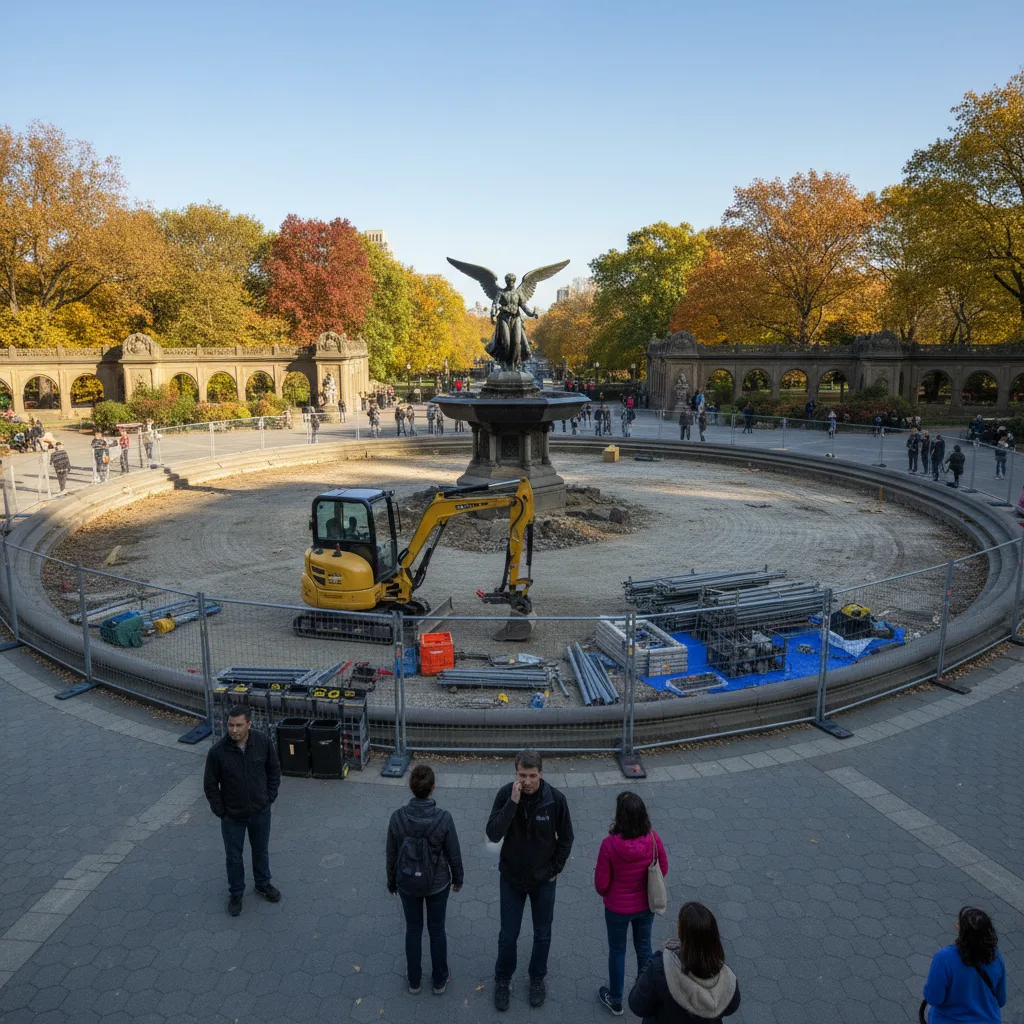
Central Park Conservancy Announces Bethesda Fountain, Great Lawn Closures
Central Park Conservancy announced Bethesda Fountain is off for restoration and the Great Lawn closed through October 2, 2026 for maintenance, affecting visitor access.
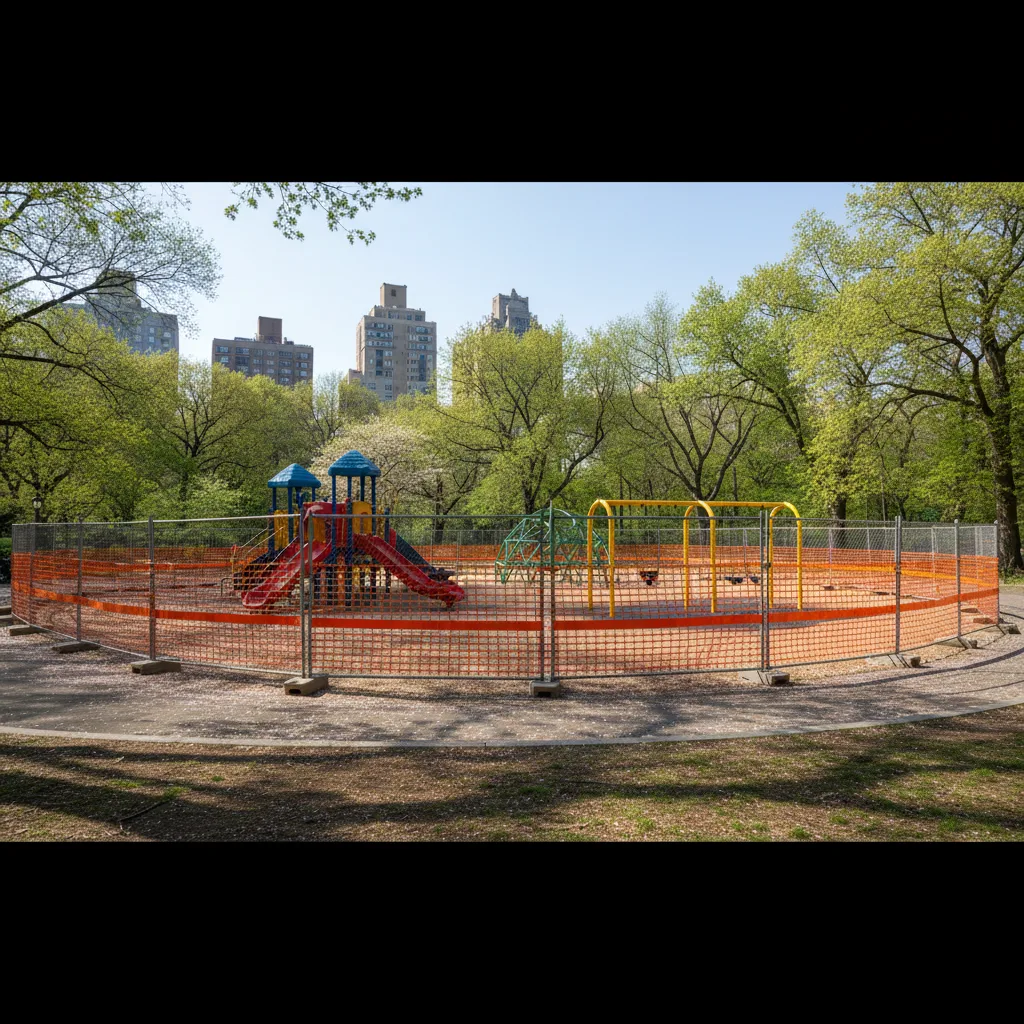
Central Park Conservancy Closes East 110th Street Playground for Restoration
Central Park Conservancy closed the East 110th Street Playground for restoration, while North Meadow and Heckscher ballfields shut due to weather. Plan your visit; check alerts for closures impacting recreation in Central Park.
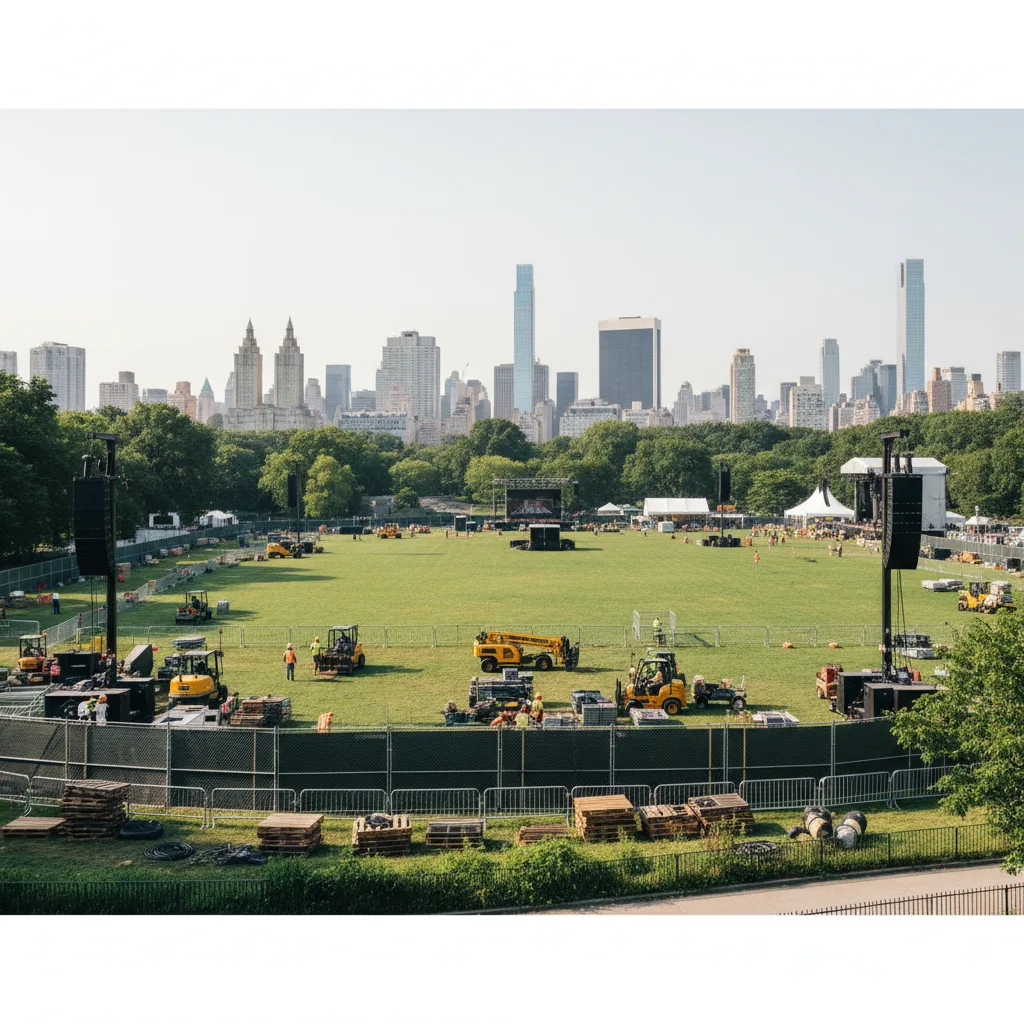
Central Park Conservancy Closes Great Lawn for Global Citizen Festival
Central Park Conservancy confirmed the Great Lawn is closed through September 26, 2026, for the Global Citizen Festival, affecting access to Belvedere Castle and Turtle Pond. Local residents and visitors should plan alternate routes and expect traffic delays around the park's perimeter.
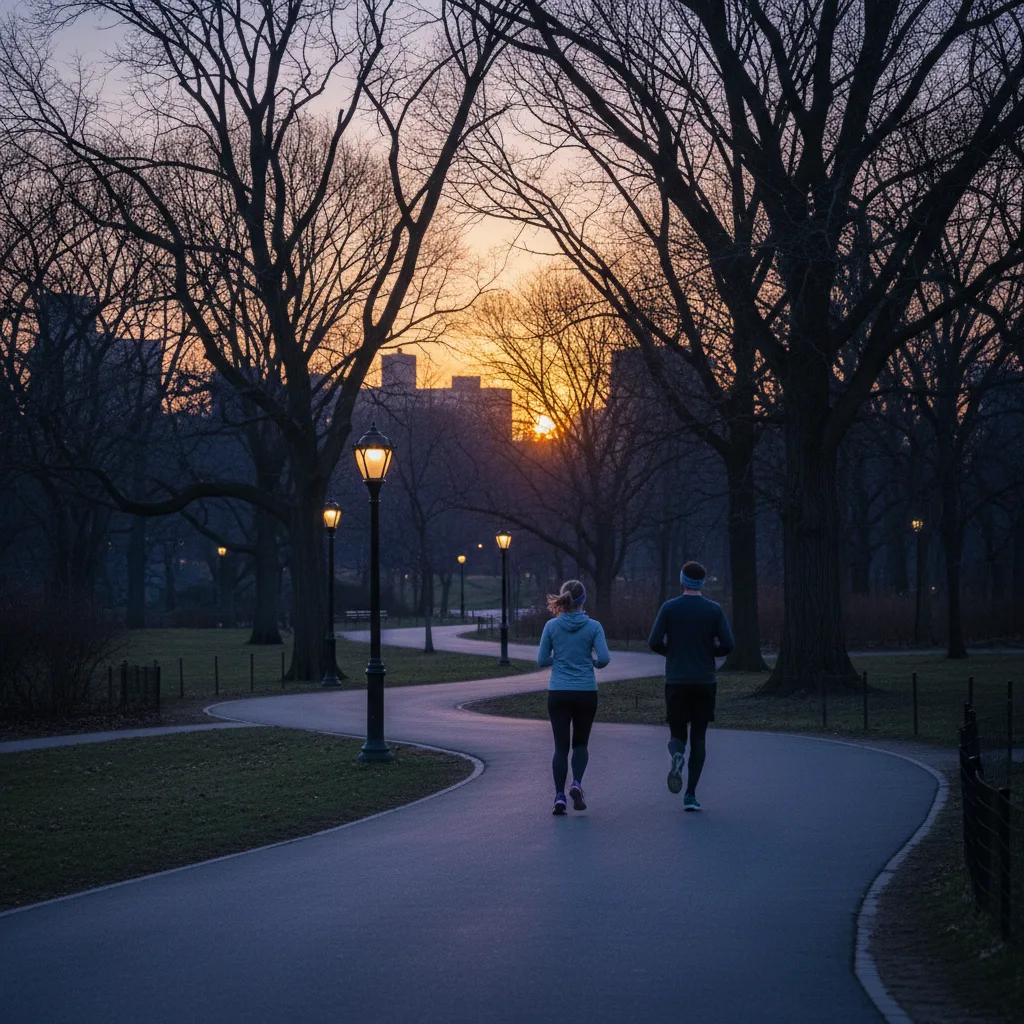
Central Park Conservancy Confirms 2026 Daily Operating Hours
Central Park Conservancy confirms 2026 daily hours: 6:00 a.m. to 1:00 a.m. This notice is for visitor planning, not a change.
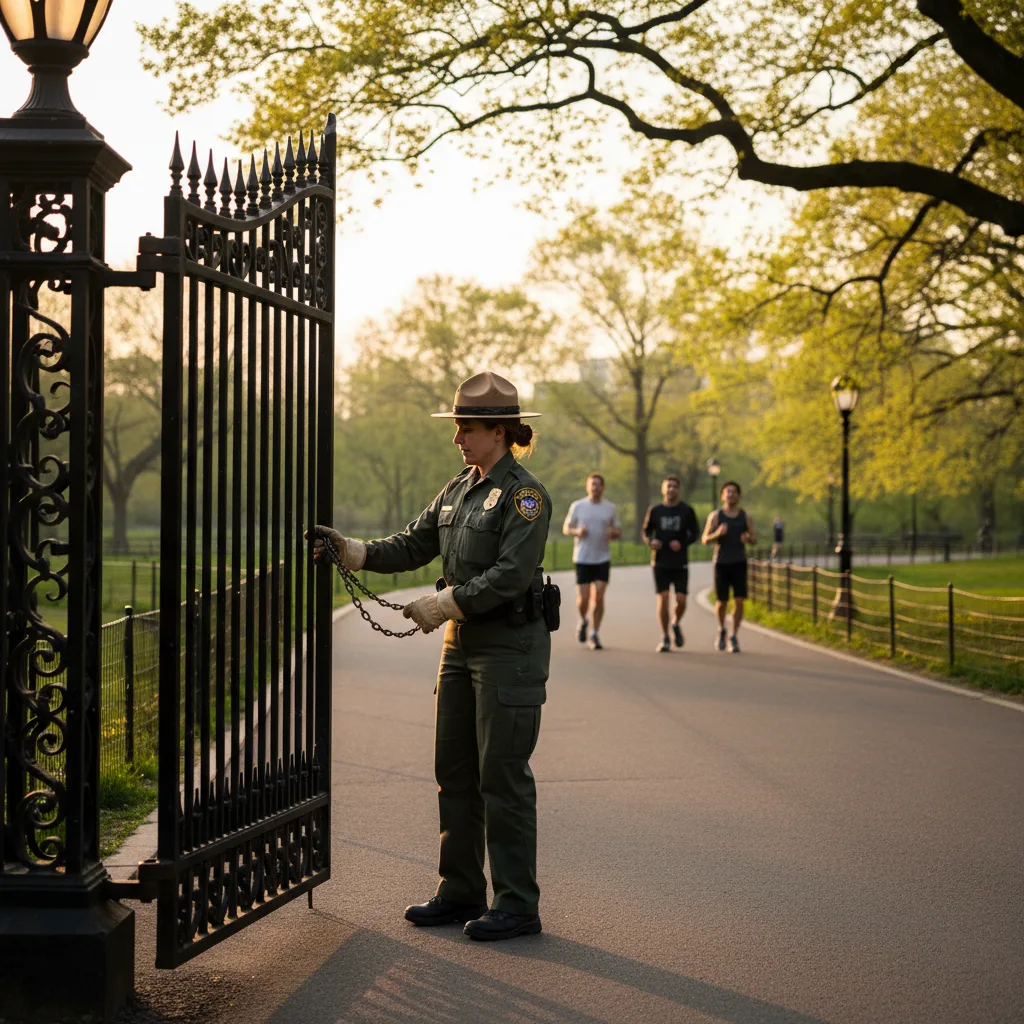
Central Park Conservancy Announces Park Hours Update for 2026
Central Park Conservancy announced updated 2026 park hours, maintaining 6:00 a.m. to 1:00 a.m. access daily. This schedule balances public enjoyment with critical maintenance and security operations.