


Central Park: Advocates Push for Full Car Ban Across All NYC Parks

NEW YORK — "Our parks are for people, not cars, and it's time New York City fully committed to that principle," declared Sarah Chen, President of the advocacy group 'Parks for All NYC,' during a rally outside the West 72nd Street entrance to Central Park. Chen’s impassioned plea, delivered on March 15, 2026, intensified the ongoing push for a complete vehicle ban across all New York City parks, including the entirety of Central Park's Drives.
This movement seeks to eliminate the remaining restricted access for vehicles, arguing for a purely pedestrian and cyclist-focused environment. While Central Park has significantly reduced car traffic over the years, limited vehicular access persists on certain sections of the Central Park Drive during specific hours. Advocates believe a total ban is critical for safety, air quality, and equitable access.
Decades-Long Effort for Car-Free Parks
The campaign to remove cars from Central Park is not new; it represents the culmination of decades of advocacy by environmentalists, urban planners, and safety groups. The park's main loop, the Central Park Drive, has seen its car-free hours gradually expanded over the last 40 years. Mayor Eric Adams' administration has publicly expressed support for prioritizing pedestrian access in public spaces.
In 2018, then-Mayor Bill de Blasio banned cars permanently north of 72nd Street, marking a significant victory for activists. This upcoming push aims to extend that ban to the remaining sections, including segments of the East Drive and West Drive, which currently permit some vehicle access during morning rush hour. The plan involves redirecting service and emergency vehicles through specific controlled entry points, rather than public thoroughfares.
Safety and Environmental Imperatives
Proponents of a full ban highlight compelling safety and environmental imperatives. Data from the NYC Department of Transportation indicates dozens of minor collisions involving cyclists and pedestrians occur annually on park drives that still allow cars. Eliminating vehicular traffic, they argue, would drastically reduce these incidents, creating a safer space for the 42 million annual park visitors.
Environmental advocates further argue that removing cars would significantly improve air quality within the park, reducing exhaust fumes and noise pollution. Dr. Michael O'Connell, an urban health researcher at NYU, published a study in 2025 showing a measurable decrease in particulate matter in car-free zones within urban parks. "Cleaner air benefits everyone, especially the children who play here daily," Dr. O'Connell stated in his findings.
Economic and Logistical Considerations
While the arguments for a car ban are strong, officials also grapple with economic and logistical considerations. Opponents, including some delivery and service providers, express concerns about increased operational costs and access challenges for park maintenance and concessionaire resupply. The Commissioner of Parks and Recreation, Emily Rodriguez, acknowledged these complexities in a recent press briefing.
"We must balance the undeniable benefits of car-free parks with the practical needs of maintaining such a vast and dynamic space," Commissioner Rodriguez told reporters, confirming the Parks Department is conducting feasibility studies. She noted that current traffic flow management for emergency vehicles, like those responding to incidents near the Sheep Meadow, is also a critical factor that needs robust solutions before a full ban can be implemented effectively.
Community Dialogue and Next Steps
'Parks for All NYC' plans a series of public forums and informational sessions throughout spring 2026 to engage residents, gather feedback, and build broad community consensus. They aim to present a unified proposal to the City Council by late summer. The movement is particularly strong among families and local running clubs, who regularly use the park's roadways for recreation.
"The familiar whir of distant traffic from Central Park West often filters into the tranquil pathways, reminding visitors of the urban pulse just beyond the park's embrace," noted a concerned park user. This constant reminder, advocates say, detracts from the park's primary purpose as a natural sanctuary. The Central Park Conservancy's public information channels, including their understanding park management challenges section, provide context on historical traffic management in the park.
The Vision for a Fully Pedestrianized Oasis
The ultimate vision for a fully car-free Central Park is one where visitors can experience the entire 843 acres without the presence of private vehicles. This would further solidify its status as a premier urban oasis, prioritizing human health, environmental protection, and recreational opportunities. The success of partial car bans has already demonstrated significant positive impacts on visitor experience and safety within the park.
This would align Central Park with global trends in urban planning, where cities are increasingly reclaiming public spaces from vehicular dominance. Achieving this full pedestrianization would mark a historic milestone, redefining how New Yorkers interact with their most cherished green space. It's a bold step towards a healthier, quieter, and more accessible park for everyone, all year round.
Frequently Asked Questions
What parts of Central Park still allow vehicle access? Currently, limited vehicular access is permitted on certain sections of the Central Park Drive, specifically segments of the East Drive and West Drive, during morning rush hour. These areas are typically open to cars for a few hours on weekdays, mainly for commuter traffic through the park. Advocacy groups are pushing to eliminate this remaining access.
What are the main arguments supporting a full car ban in Central Park? The primary arguments for a full car ban center on enhancing safety for pedestrians and cyclists, significantly improving air quality within the park, and reducing noise pollution. Advocates also stress the importance of creating a more equitable and universally accessible recreational space, free from the hazards and distractions of vehicular traffic.
Where can I find more information on upcoming park events and policy changes? For the latest information on upcoming park events, policy changes, and community discussions regarding Central Park, interested individuals can consult the future Central Park events schedule. This resource provides timely updates on public forums, park news, and significant policy developments affecting the park's future.
Related Articles
More in Urban Policy & Development →
NYC Mayor Mamdani Booed at Union Square October 7 Vigil
Mayor Mamdani faced boos and protests at a Union Square vigil Thursday marking the Oct. 7 attacks, highlighting deep community divisions in NYC.
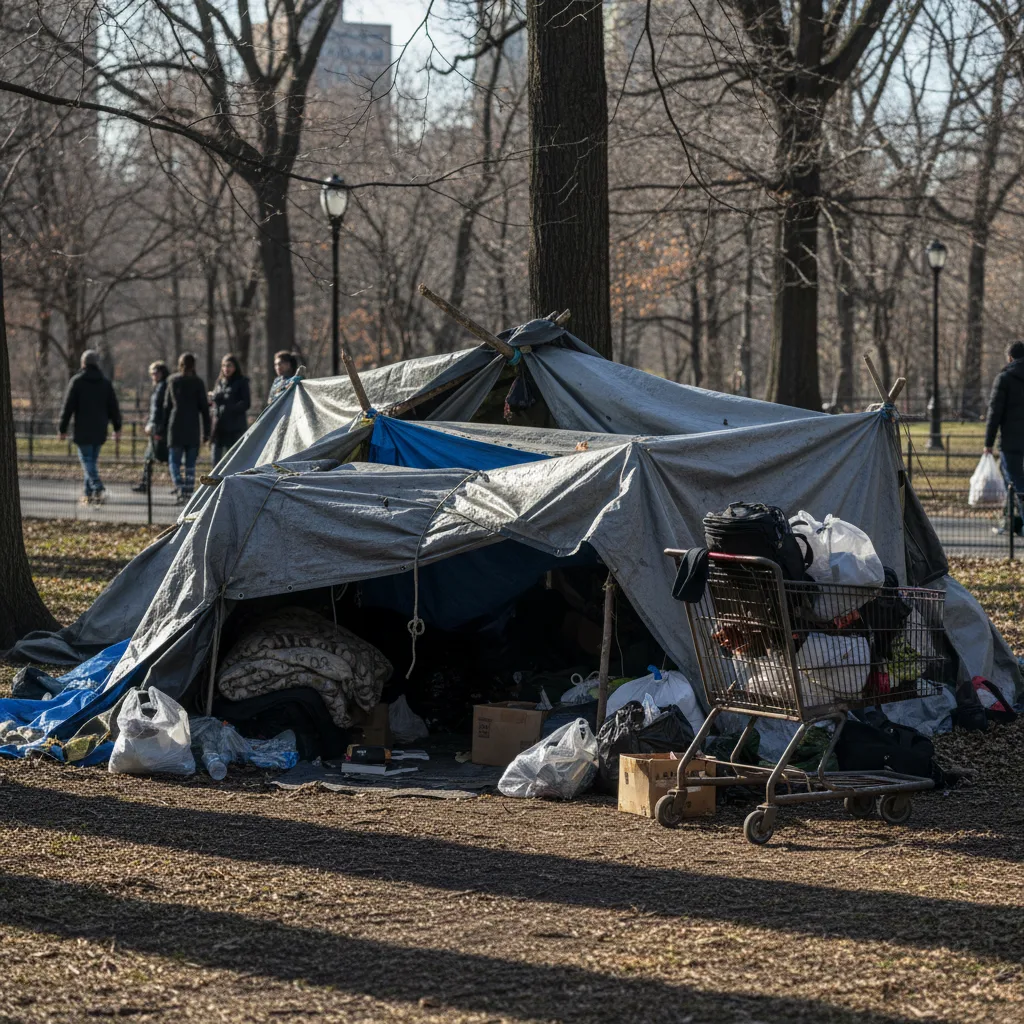
NYC Homeless Encampments Spotted Across Manhattan, Raising Concerns
Multiple homeless encampments have been spotted across Manhattan, raising significant concerns about urban policy and public safety. City officials are under pressure to address the growing homelessness crisis.
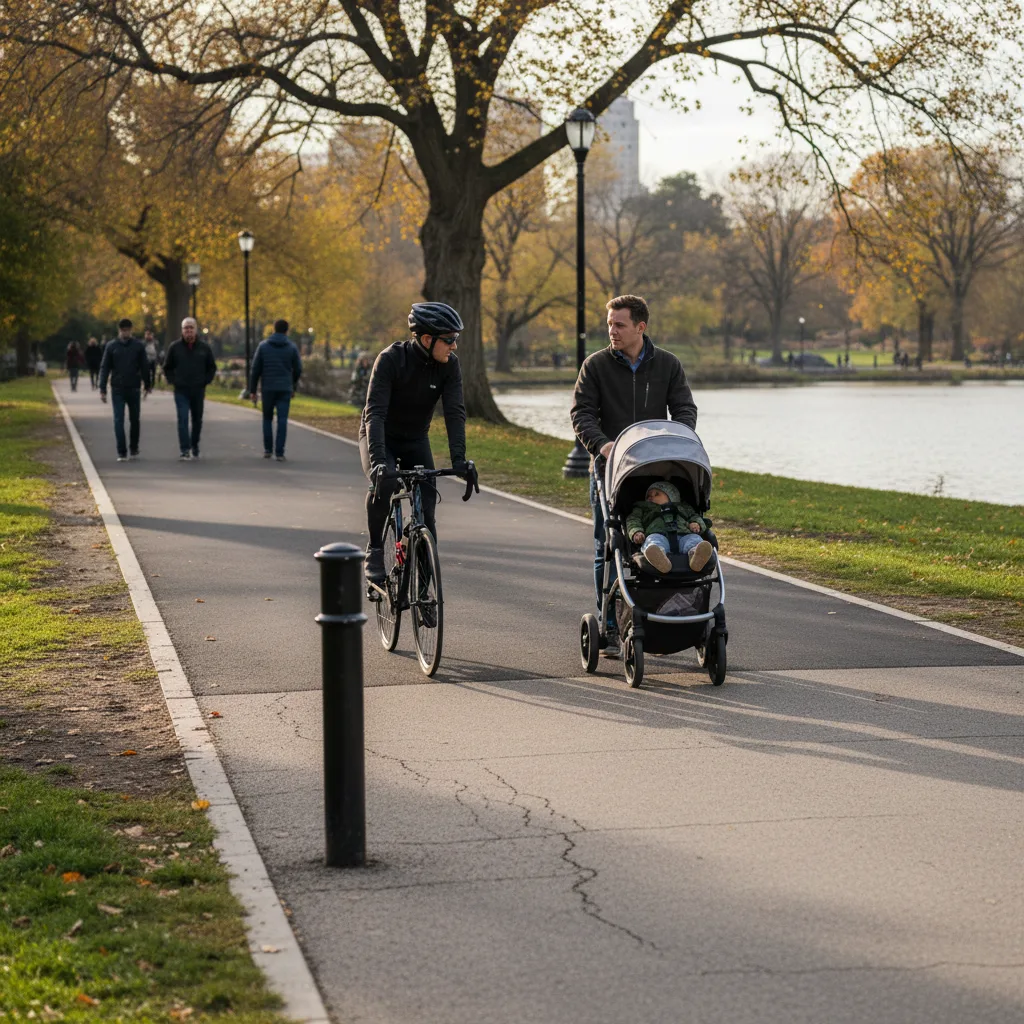
Safety Advocate Blames Park Redesign for Rising Central Park Cyclist Crashes
Safety advocates blame recent Central Park redesigns for a pedestrian's death and rising cyclist crashes, calling for urgent review of infrastructure.
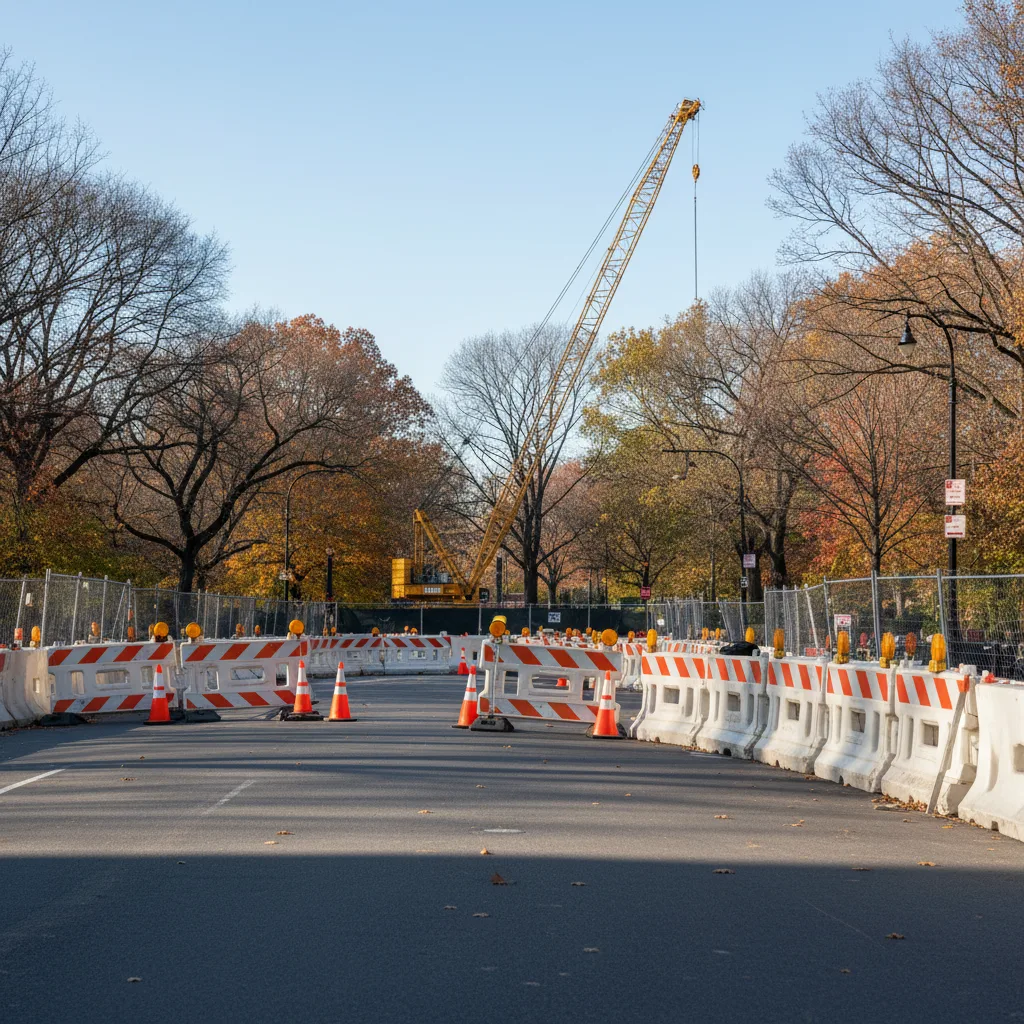
NYC DOT Advises Central Park Area Traffic Disruptions September 27
NYC DOT issued advisories for major traffic disruptions near Central Park on September 27, 2026, due to a parade and crane operations. Expect delays.

Davis Center at Harlem Meer Unveils State-of-the-Art Facilities
The new Davis Center at the Harlem Meer in Central Park's north end now features a state-of-the-art pool, ice rink, and multi-use turf field, enhancing community recreational options.
NYC City Record Confirms September 21, 2026, Publication Schedule
The NYC City Record confirmed its September 21, 2026, publication schedule, detailing administrative notices, procurement, and public hearings. This ensures transparency for municipal operations and public access to vital city information.