


Central Park: Advocates Urge Permanent Ban on Cars Across All City Parks

NEW YORK — “The time has come to completely reclaim our city's green spaces for pedestrians, cyclists, and wildlife,” declared Sarah Jenkins, executive director of Parks for People NYC, during a rally at the Central Park Arsenal.
This powerful statement encapsulated a growing movement advocating for a permanent and complete ban on vehicular traffic in all New York City parks, not just Central Park.
The Push for Car-Free Parks
The renewed push builds on the success of previous initiatives, including the complete ban of cars on Central Park's Drives implemented in 2018.
Advocates argue that while Central Park and Prospect Park have largely become car-free, many smaller parks throughout the five boroughs still contend with significant vehicle presence.
Their proposal, outlined in a detailed white paper presented to the City Council, calls for a phased approach to removing all remaining vehicular routes.
It suggests that park service vehicles and emergency services would be the only exceptions, operating under strict guidelines.
Organizations like Transportation Alternatives and the New York League of Conservation Voters have joined Parks for People NYC in this unified lobbying effort.
Health and Environmental Benefits Cited
Proponents of the car ban highlight numerous benefits, including improved air quality, reduced noise pollution, and enhanced safety for park users.
A recent study from Columbia University's Mailman School of Public Health found a 15% reduction in respiratory illnesses among residents living near Central Park since the 2018 ban.
Dr. Emily Carter, lead researcher on the study, emphasized the positive impact on public health.
“Removing vehicle emissions from these vital green lungs of our city directly translates to healthier communities,” Dr. Carter confirmed during a public health symposium.
Additionally, wildlife experts point to a measurable increase in biodiversity within formerly car-accessible areas of Central Park.
Bird populations, in particular, have shown signs of recovery and expansion into quieter, less disturbed habitats.
Economic and Recreational Gains
The economic arguments for car-free parks focus on increased recreational activity and a boost for local businesses adjacent to these spaces.
Visitor numbers in Central Park have consistently risen by an average of 5% annually since the initial car restrictions, according to the Central Park Conservancy.
This surge in visitors translates into more patronage for cafes, bike rental shops, and cultural institutions surrounding the park.
Central Park Conservancy President Alex Smith noted the enhanced visitor experience, allowing for uninterrupted enjoyment of amenities like the Reservoir running track.
“Our parks are not just thoroughfares; they are destinations for health, culture, and relaxation,” Smith told reporters, advocating for broader car-free policies.
Removing cars further facilitates events and public gatherings without the logistical challenges of traffic rerouting, creating more flexible public space.
Addressing Concerns and Logistics
Critics of a city-wide car ban raise concerns about accessibility for residents with disabilities, service vehicle access, and potential traffic displacement to surrounding streets.
City Council Member Marcus Green acknowledged these valid points but suggested that thoughtful planning could mitigate most issues.
“We must ensure that accessibility for all remains paramount, and alternative transport solutions are well-integrated,” Council Member Green remarked.
He proposed exploring expanded electric shuttle services within parks and designated accessible drop-off points at park perimeters.
The Parks for People NYC coalition has also put forward proposals for increasing bike lane networks around park entrances to ease congestion.
On a crisp autumn morning, the thought of quiet park roads brings a welcome vision for many seeking solace and recreation.
The Road Ahead for Policy Makers
The City Council is expected to hold public hearings on the proposed car ban later in 2026, inviting input from all stakeholders.
The Parks Commissioner, alongside relevant transportation and environmental agencies, will conduct feasibility studies on the logistical challenges and costs.
The Central Park Conservancy's newsroom provides detailed insights into ongoing park policies and initiatives. Stay informed on discussions about central park car ban updates.
The outcome of these discussions could redefine urban park management in New York City, setting a precedent for other major metropolitan areas.
This movement is more than just about cars; it represents a fundamental rethinking of how urban green spaces serve their communities.
FAQ: Car-Free Parks Initiative
What does the "permanent ban on cars" proposal entail? The proposal calls for the removal of all remaining non-essential vehicular traffic from New York City parks, extending the successful car-free policies implemented in Central and Prospect Parks to other green spaces. This means only emergency and park service vehicles would be allowed, under strict regulations.
How would accessibility be maintained for individuals with disabilities? Advocates propose solutions such as expanding electric shuttle services within parks, designating accessible drop-off zones at park entrances, and improving pathways. The goal is to ensure that while cars are banned, access for all individuals, including those with disabilities, is enhanced.
What are the main benefits cited for a city-wide car ban in parks? Proponents highlight improved air quality, reduced noise pollution, enhanced safety for pedestrians and cyclists, increased biodiversity for park wildlife, and a boost in recreational activity and local economic benefits. Studies suggest significant health improvements for nearby residents.
Related Articles
More in Urban Policy & Development →
NYC Mayor Mamdani Booed at Union Square October 7 Vigil
Mayor Mamdani faced boos and protests at a Union Square vigil Thursday marking the Oct. 7 attacks, highlighting deep community divisions in NYC.
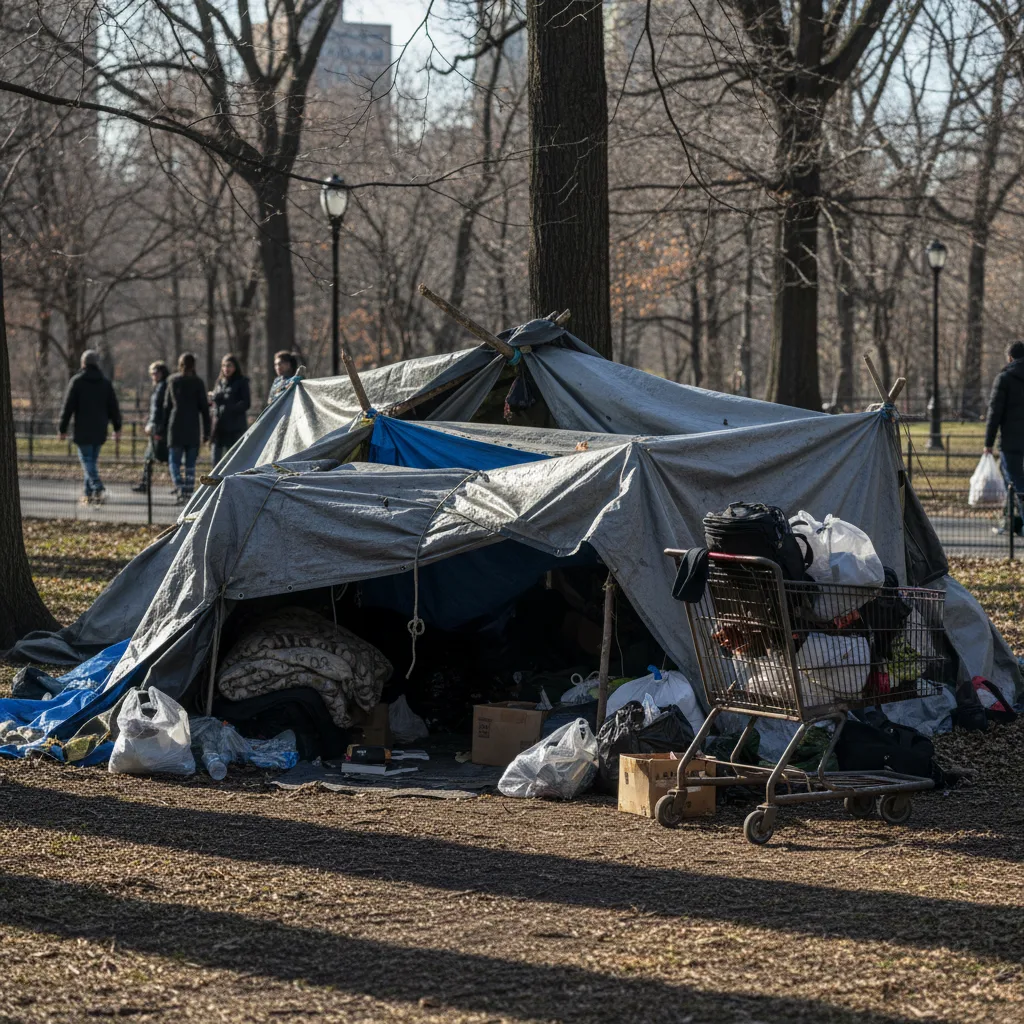
NYC Homeless Encampments Spotted Across Manhattan, Raising Concerns
Multiple homeless encampments have been spotted across Manhattan, raising significant concerns about urban policy and public safety. City officials are under pressure to address the growing homelessness crisis.
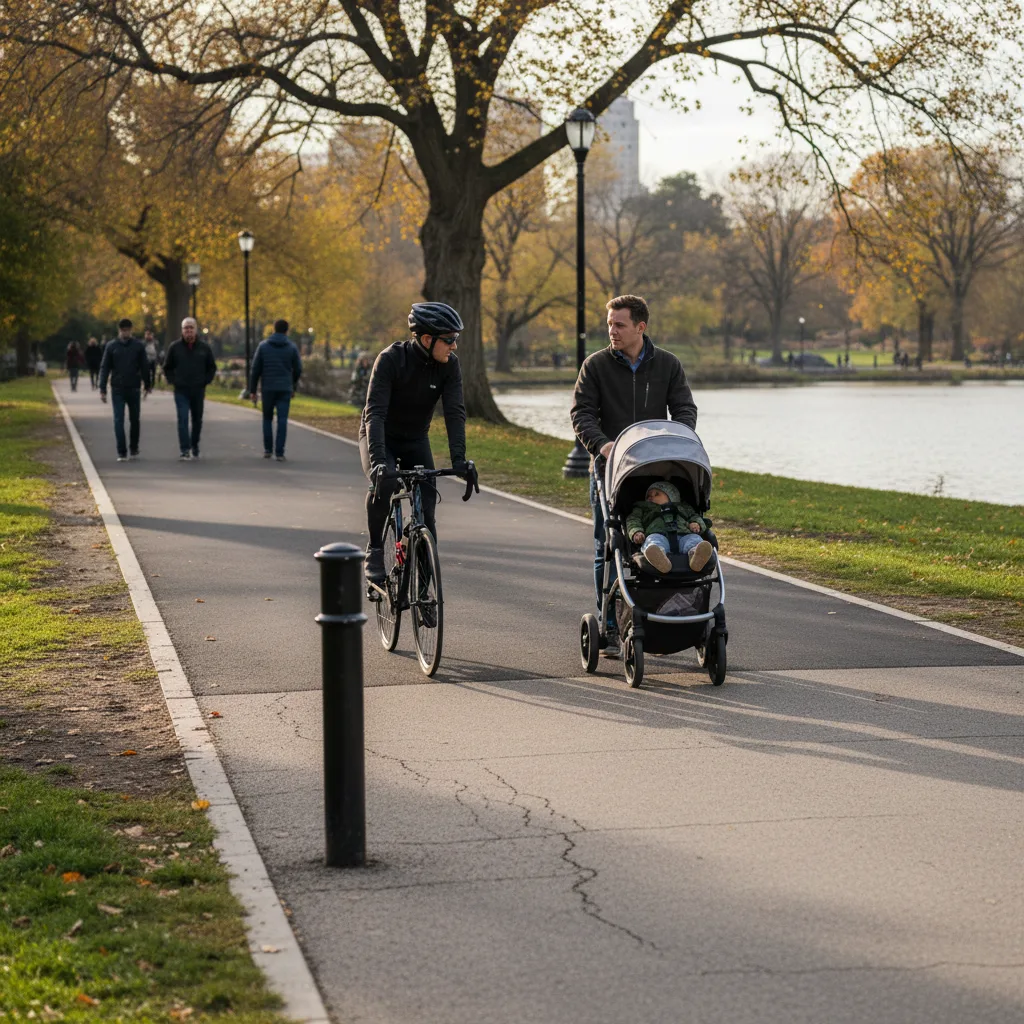
Safety Advocate Blames Park Redesign for Rising Central Park Cyclist Crashes
Safety advocates blame recent Central Park redesigns for a pedestrian's death and rising cyclist crashes, calling for urgent review of infrastructure.
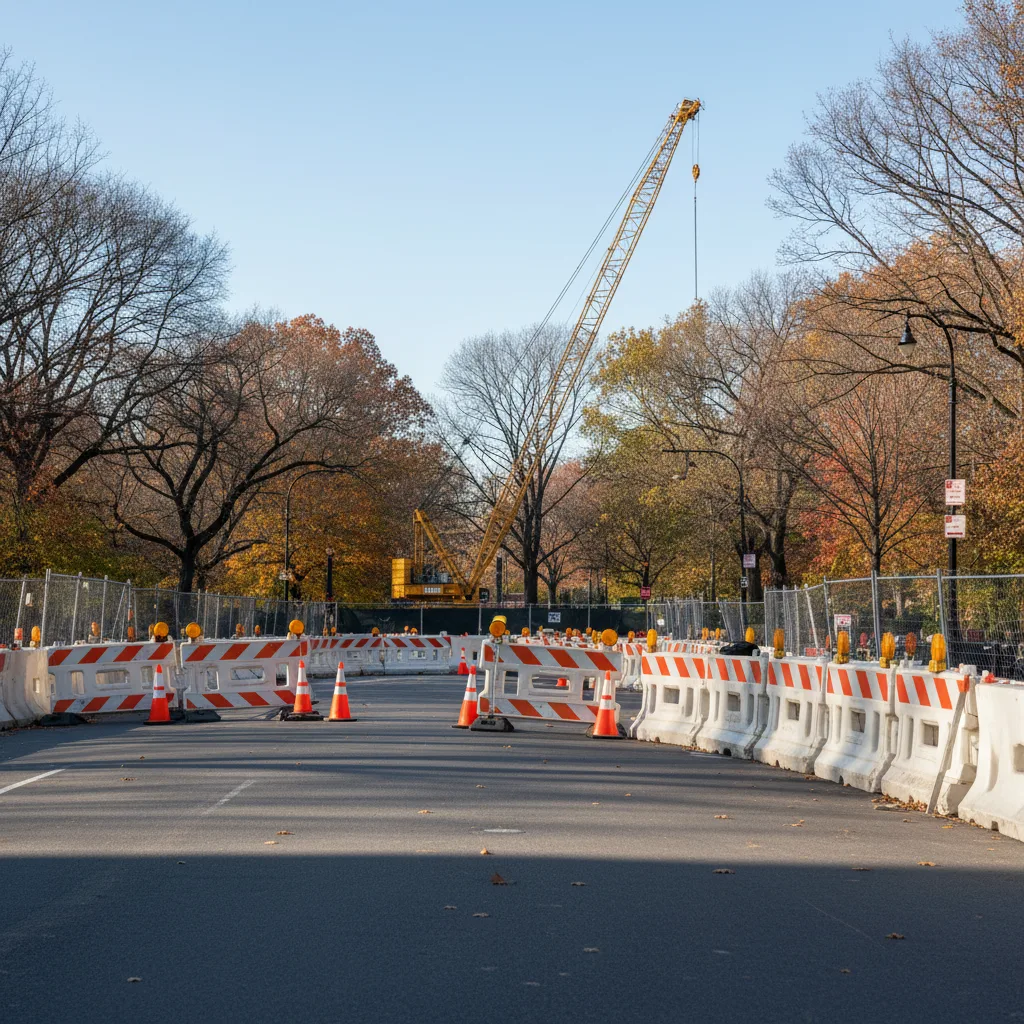
NYC DOT Advises Central Park Area Traffic Disruptions September 27
NYC DOT issued advisories for major traffic disruptions near Central Park on September 27, 2026, due to a parade and crane operations. Expect delays.

Davis Center at Harlem Meer Unveils State-of-the-Art Facilities
The new Davis Center at the Harlem Meer in Central Park's north end now features a state-of-the-art pool, ice rink, and multi-use turf field, enhancing community recreational options.
NYC City Record Confirms September 21, 2026, Publication Schedule
The NYC City Record confirmed its September 21, 2026, publication schedule, detailing administrative notices, procurement, and public hearings. This ensures transparency for municipal operations and public access to vital city information.