


Central Park Boosts Biodiversity Efforts, Targets Habitat Restoration Success
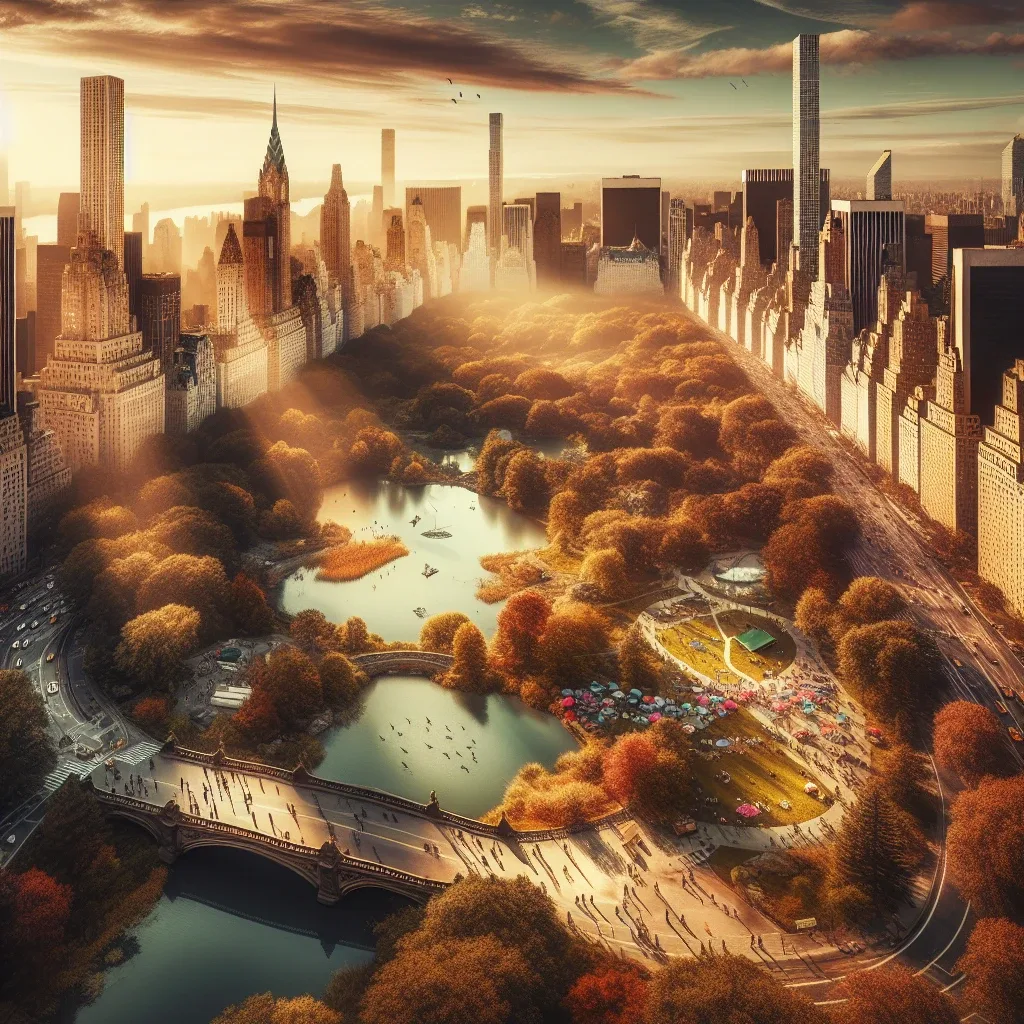
NEW YORK — Central Park, New York City’s 843-acre urban oasis, is intensifying its biodiversity and habitat restoration initiatives, targeting a 15% increase in native plant species by the end of 2026. This ambitious goal aims to bolster the park’s ecological resilience and enhance its role as a crucial sanctuary for migratory birds and local wildlife within the dense metropolitan area.
The Central Park Conservancy, in collaboration with city environmental agencies, launched several new projects this spring focusing on wetland revitalization and invasive species removal. These efforts are particularly concentrated in the Ramble and Hallett Nature Sanctuary, areas known for their rich ecological diversity.
The Urgency of Urban Biodiversity Preservation
Recent ecological surveys indicate a 5% decline in certain insect populations crucial for pollination within the park over the last decade. This data underscores the pressing need for renewed conservation efforts. The Conservancy's new strategic plan addresses these concerns head-on, prioritizing the reintroduction of native flora.
“Central Park is not just a recreational space; it’s a living laboratory and a vital ecological corridor,” stated Dr. Anya Sharma, Director of Conservation for the Central Park Conservancy, during a recent public forum at the Charles A. Dana Discovery Center. “Our goal is to ensure that this green heart of New York City continues to thrive as a diverse ecosystem, supporting a multitude of species.” This long-term vision ensures the park's natural assets remain vibrant for future generations.
Targeted Habitat Restoration Projects
Specific restoration projects are underway across 12 distinct zones within the park. One major initiative involves the replanting of 15,000 native shrubs and perennial flowers, including milkweed for monarch butterflies and various berry-producing plants for avian species, over the next six months. This work is meticulously planned to support specific food webs.
Wetland areas, particularly those around the Loch and the Meer, are undergoing significant rehabilitation. This includes removing accumulated sediment and replanting water-purifying species such as cattails and irises. These efforts aim to improve water quality and create more robust breeding grounds for amphibians and aquatic insects. For more information on these projects, the Central Park news and updates often feature detailed environmental reports.
Community Involvement and Volunteer Programs
The success of these conservation efforts heavily relies on community participation. The Central Park Conservancy has expanded its volunteer programs, inviting residents to assist with planting, invasive species removal, and trail maintenance. Over 300 volunteers participated in cleanup events in March alone, contributing over 1,500 hours of labor.
Educational workshops are also being offered, teaching participants about local ecology, sustainable gardening practices, and the importance of biodiversity in urban environments. These programs are designed to foster a deeper connection between New Yorkers and their most famous park, encouraging a sense of stewardship.
Impact on Migratory Birds and Local Wildlife
Central Park serves as a critical stopover point for over 200 species of migratory birds during their spring and fall migrations. The restoration of native habitats provides essential food sources and shelter, directly impacting the success rates of these arduous journeys. Ornithologists have already noted an increase in certain warbler and thrush species using restored areas.
Beyond birds, the park's diverse habitats support various local wildlife, including raccoons, squirrels, bats, and numerous insect species. Improving these habitats contributes to a healthier, more balanced ecosystem, which in turn enhances the visitor experience. Visitors often report seeing more varied wildlife around the Great Hill and North Woods, areas that have seen early restoration efforts.
Long-Term Vision for Central Park’s Ecosystem
The Conservancy’s long-term vision extends beyond 2026, aiming for a self-sustaining ecosystem that requires minimal human intervention for ecological balance. This involves continuous monitoring, adaptive management strategies, and ongoing research into climate change impacts on urban green spaces. The data collected from current projects will inform future conservation strategies.
Such a holistic approach to park management ensures that Central Park remains not only an aesthetically pleasing landmark but also a scientifically significant ecological resource. This commitment to environmental health sets a high standard for urban park stewardship globally. You can learn more about Central Park's historical preservation efforts and its environmental legacy.
FAQ: Central Park Conservation
What is Central Park's main conservation goal for 2026? Central Park aims to achieve a 15% increase in native plant species by the end of 2026. This objective is part of a broader initiative to enhance the park's biodiversity, strengthen its ecological resilience, and support local and migratory wildlife populations within the urban environment.
Which specific areas of Central Park are targeted for habitat restoration? Restoration efforts are concentrated in ecologically rich areas such as the Ramble, the Hallett Nature Sanctuary, the Loch, and the Meer. These areas are undergoing wetland revitalization, invasive species removal, and extensive replanting of native shrubs and perennial flowers to improve habitat quality.
How can New Yorkers get involved in Central Park's conservation projects? The Central Park Conservancy offers various volunteer programs, including opportunities to assist with planting native species, removing invasive plants, and maintaining park trails. Educational workshops on local ecology and sustainable practices are also available. Information on how to sign up is on the Conservancy's website.
Why is biodiversity important for Central Park? Biodiversity is crucial for Central Park because it ensures a healthy and resilient ecosystem. A diverse range of plants and animals supports essential ecological processes, such as pollination and nutrient cycling. The park also serves as a critical stopover for migratory birds and a refuge for urban wildlife, making its biodiversity vital for regional ecological health.
What impact do these conservation efforts have on visitors? These conservation efforts enhance the visitor experience by creating more vibrant and natural environments within the park. Visitors can observe a wider array of bird species and local wildlife, enjoy healthier plant life, and gain a deeper appreciation for urban ecology. Improved habitats contribute to a more beautiful and engaging park for everyone.
Related Articles
More in Wildlife & Nature →
Central Park Boathouse Bird Watching Tour Offers Educational Experience
Central Park Boathouse offers an educational bird watching tour, providing visitors an opportunity to observe avian species. This experience connects locals with nature, enhancing appreciation for park wildlife.
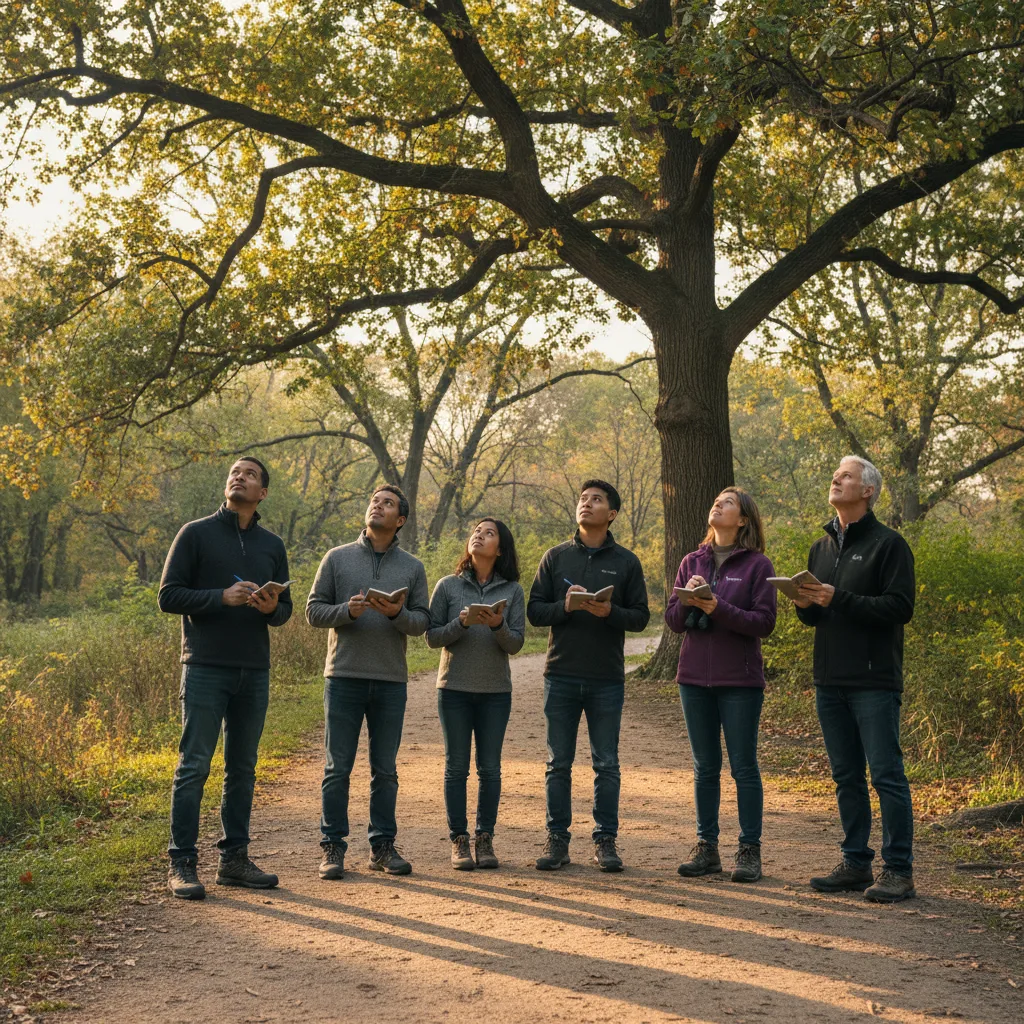
Central Park Event Calendar Features Climate Week Activities September 27
Central Park's event calendar for September 27, 2026, included a Climate Week-aligned "Journal, Meditation, + Bird Walk," promoting environmental awareness.
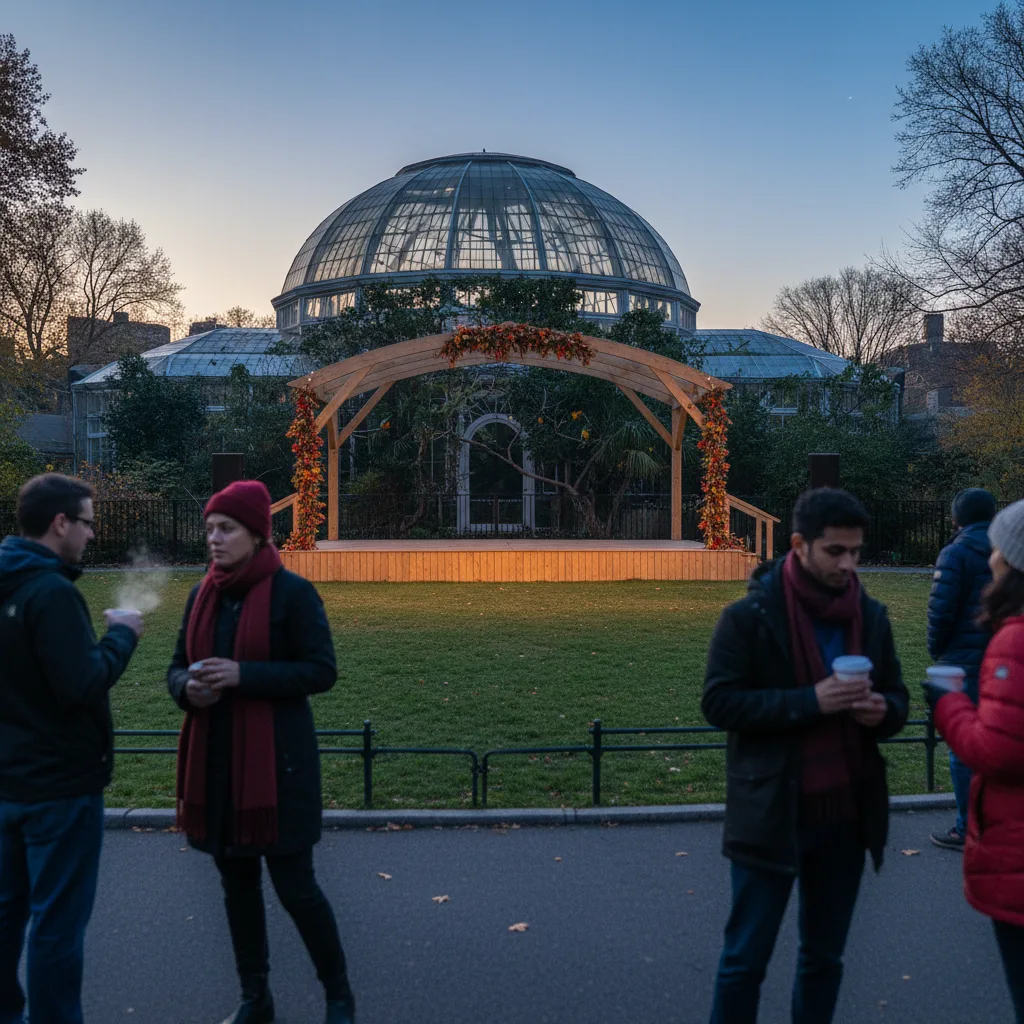
Wildlife Conservation Society Awards Lovejoy Prize at Central Park Zoo
Wildlife Conservation Society awards 2026 Thomas E. Lovejoy Prize today at Central Park Zoo during Climate Week in New York City.
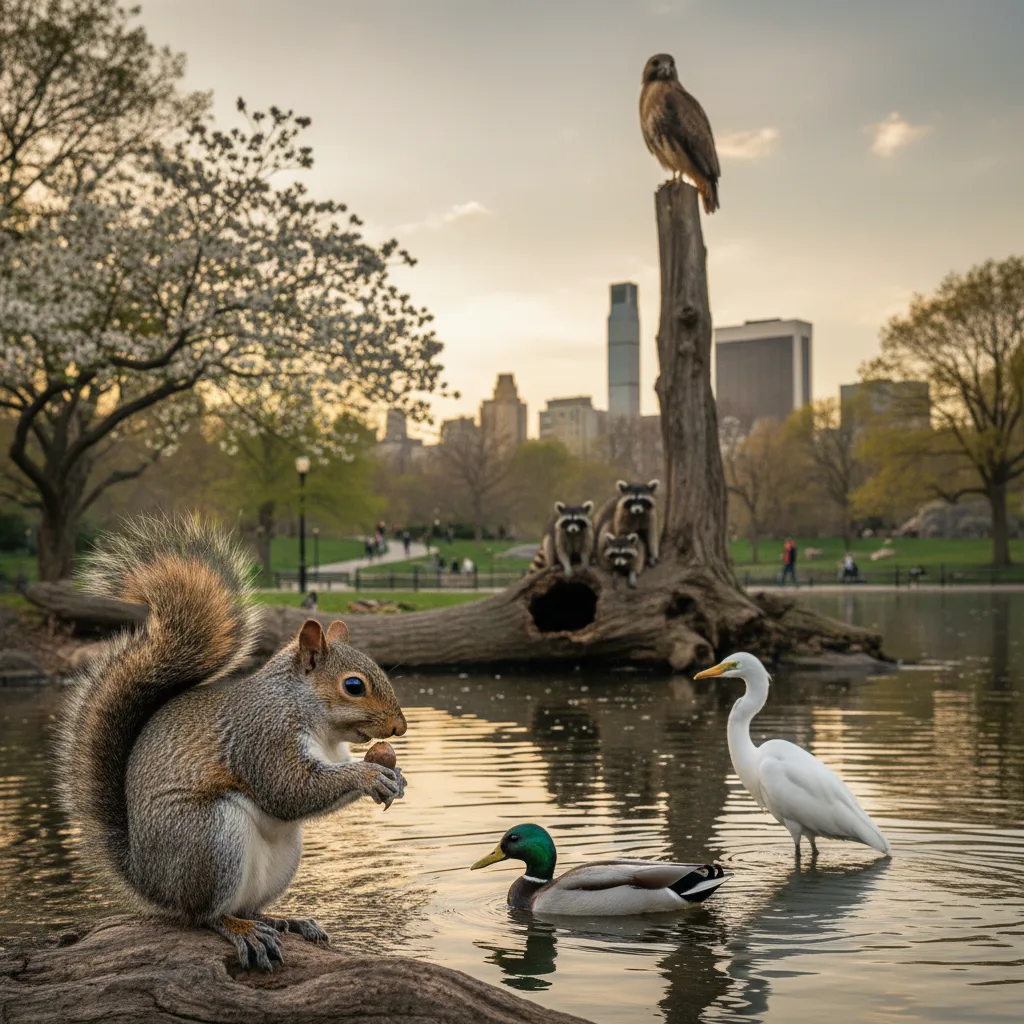
A Guide to Central Park's Wildlife: What to Know About the Park's Animals and Ecosystem
Discover the diverse Central Park wildlife, from birds and mammals to aquatic life. Learn responsible observation tips and conservation efforts for 2026.
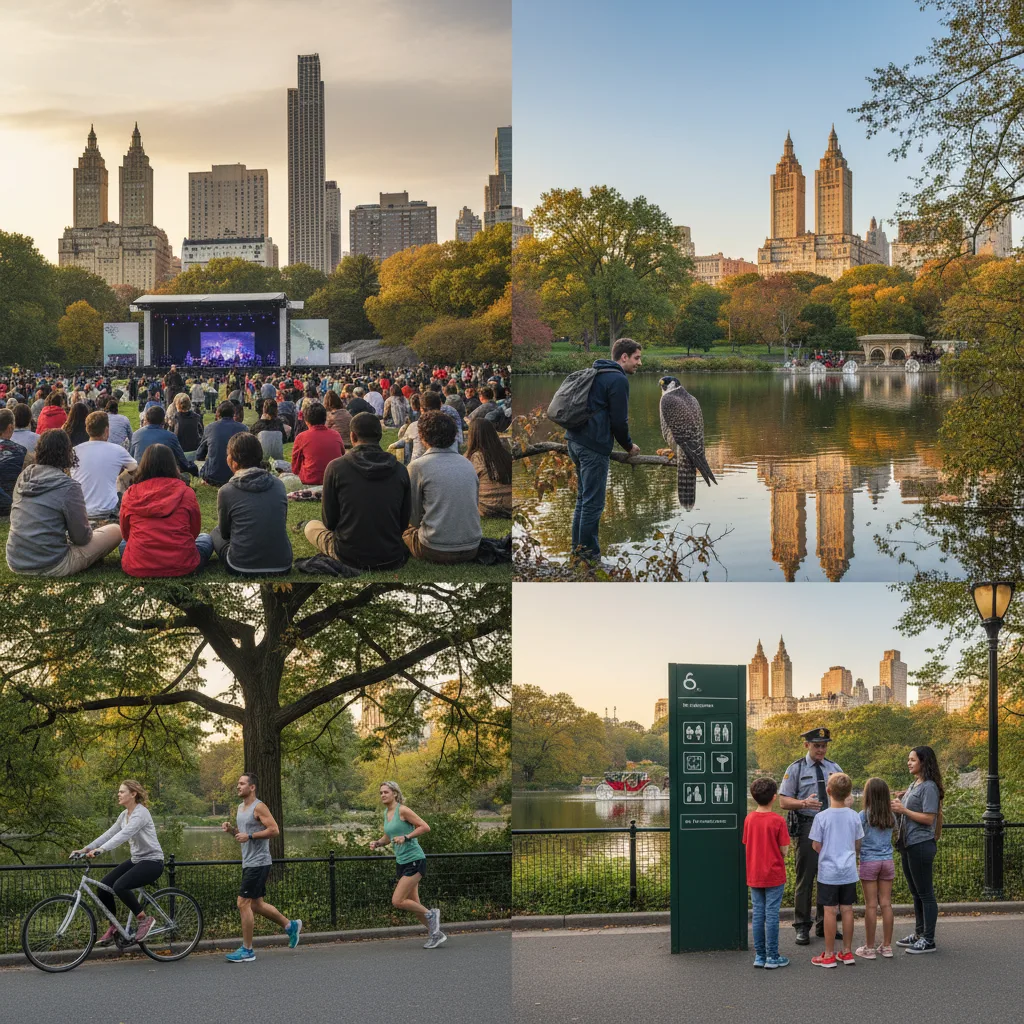
A Guide to Central Park's Top Activities and Best Things to Do in 2026
Discover the best things to do in Central Park, NYC, with our comprehensive 2026 guide to iconic landmarks, activities, and hidden gems for visitors.
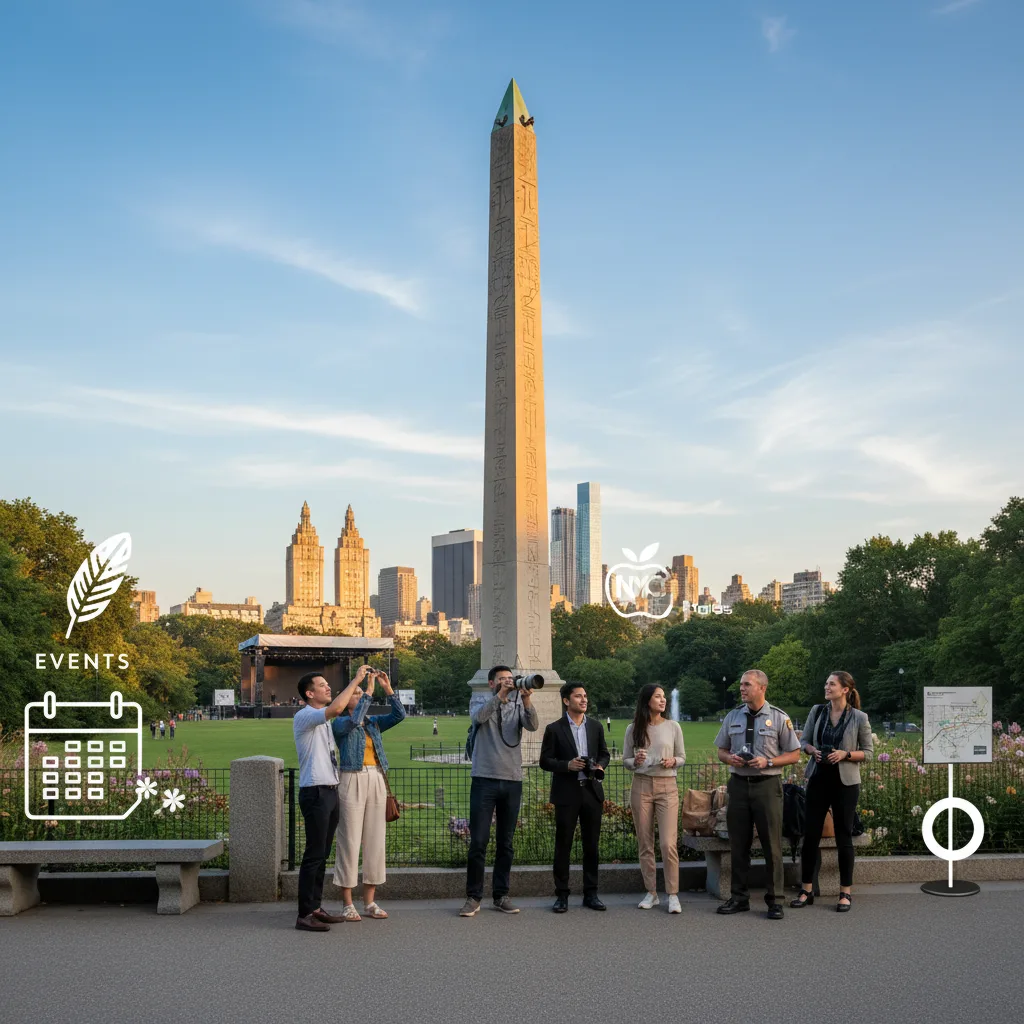
A Guide to What to Know About the Vatican Obelisk in Central Park 2026
Discover what to know about the Vatican Obelisk (Cleopatra's Needle) in Central Park, its history, journey to NYC, and where to find it in 2026.