


Central Park Car Ban Advocacy Intensifies Ahead of City Council Vote

NEW YORK — "The time for cars in Central Park is long past," declared City Council Member Robert Jackson during a passionate rally near the Columbus Circle entrance on March 28th, 2026. His statement reflects growing momentum behind a push to ban private vehicles from all New York City parks, a measure that could profoundly reshape how residents interact with these vital green spaces. Advocacy groups are intensifying their efforts ahead of a crucial City Council vote.
Proponents of the ban argue that eliminating vehicular traffic will enhance pedestrian and cyclist safety, reduce air and noise pollution, and allow parks to fully realize their potential as peaceful urban oases. Central Park, which still permits some vehicle access on its transverse roads and services lanes, is at the forefront of this debate. The Central Park Conservancy supports the measure, citing ecological benefits.
Historical Context of Vehicular Access
Central Park's original design by Frederick Law Olmsted and Calvert Vaux did incorporate transverse roads, specifically to allow cross-town traffic without disrupting the park's pastoral landscapes. However, these were intended to be largely invisible to park users. Over the decades, varying levels of access have been granted and restricted, with significant changes occurring in the late 20th and early 21st centuries.
Today, private vehicles are generally restricted to the four transverse roads (97th, 86th, 79th, and 65th Streets), which cut across the park at grade. Service vehicles, police, and emergency services retain necessary access, even in areas otherwise designated car-free. The discussion now extends to eliminating remaining transverse access for non-essential traffic, focusing on creating truly car-free environments.
Environmental and Safety Arguments
Environmental advocates highlight the significant reduction in carbon emissions and localized air pollution that would result from a complete car ban. Studies by the New York Department of Health and Mental Hygiene have consistently linked vehicle emissions to respiratory illnesses, especially in dense urban areas. Removing cars directly improves air quality for park visitors.
Safety is another primary concern, particularly for the millions of pedestrians, runners, and cyclists who use Central Park annually. While the park's scenic drives are already largely car-free, incidents involving vehicles, especially around transverse intersections, still occur. A comprehensive ban would drastically reduce the risk of accidents and create a safer recreational environment for all park-goers. This move would improve the experience for cyclists who enjoy the park's loop.
Economic and Logistical Challenges
Critics of a full car ban, primarily businesses and some residents in adjacent neighborhoods, voice concerns about traffic displacement onto surrounding city streets. They argue that rerouting thousands of vehicles could exacerbate congestion and pollution in residential areas bordering the park. The Chamber of Commerce for Central Harlem, for instance, has submitted formal opposition based on potential business impact near the 110th Street area.
Logistically, closing all transverse roads to public traffic would require significant investment in traffic management infrastructure on perimeter streets and clear public messaging. The city's Department of Transportation would need to implement new signal timings and potentially reconfigure traffic flows around the park, an undertaking that could cost millions of dollars and take months to execute. Transportation in NYC Parks is a complex issue.
The Central Park Conservancy's Stance
The Central Park Conservancy, the non-profit organization that manages the park in partnership with the NYC Parks Department, has historically supported increased restrictions on vehicular traffic. In a recent press release, the Conservancy reaffirmed its commitment to a greener, safer park experience, stating, "Reducing vehicle presence aligns with our mission to preserve and enhance Central Park as a sanctuary for nature and people. We believe a full ban would significantly improve the park’s ecological health and visitor experience." Their official communications are often available through their Newsroom.
However, the Conservancy acknowledges the need for careful planning to ensure essential service vehicles—such as those for sanitation, maintenance, and emergency response—retain efficient access. They advocate for a phased approach that prioritizes public safety and environmental benefits while addressing legitimate logistical concerns. Their expertise is invaluable in balancing competing demands.
The Path to a Car-Free Future
The City Council is expected to hold public hearings throughout April before a scheduled vote in late May 2026. Public input will be crucial in shaping the final legislation, which could potentially set a precedent for other urban parks across the country. The outcome of this vote will be a landmark decision for Central Park and New York City's environmental policies.
Advocates continue to organize rallies and online petitions, urging citizens to contact their council members. The debate highlights the ongoing tension between urban mobility and the preservation of natural spaces in one of the world's densest cities. This decision carries significant weight for the quality of life for millions. The entire city watches with keen interest.
Frequently Asked Questions About Central Park Car Ban
What parts of Central Park currently allow car access? Currently, private vehicles are allowed to use the four transverse roads that cut across Central Park: the 65th, 79th, 86th, and 97th Street Transverses. These roads are designed to allow cross-town traffic to pass through the park without entering the recreational areas. Service vehicles, NYPD, and emergency vehicles also have access to various internal park roads as needed. The main park drives are generally car-free, especially on weekends.
What are the primary benefits cited by proponents of a full car ban in Central Park? Proponents primarily highlight improved air quality due to reduced emissions, enhanced safety for pedestrians and cyclists by eliminating conflicts with vehicles, and a more peaceful and natural park experience free from traffic noise. They argue that a car-free environment would better fulfill the park's purpose as a green sanctuary in the city. These benefits contribute to overall public health and enjoyment.
What are the main concerns raised by opponents of a complete car ban? Opponents, including some local businesses and residents, mainly worry about increased traffic congestion and air pollution on the streets surrounding Central Park if transverse roads are closed. They also express concerns about access for disabled individuals, potential negative impacts on local commerce due to reduced park accessibility, and the logistical challenges of rerouting cross-town traffic effectively. Addressing these issues is a key part of the ongoing debate.
Related Articles
More in Urban Policy & Development →
NYC Mayor Mamdani Booed at Union Square October 7 Vigil
Mayor Mamdani faced boos and protests at a Union Square vigil Thursday marking the Oct. 7 attacks, highlighting deep community divisions in NYC.
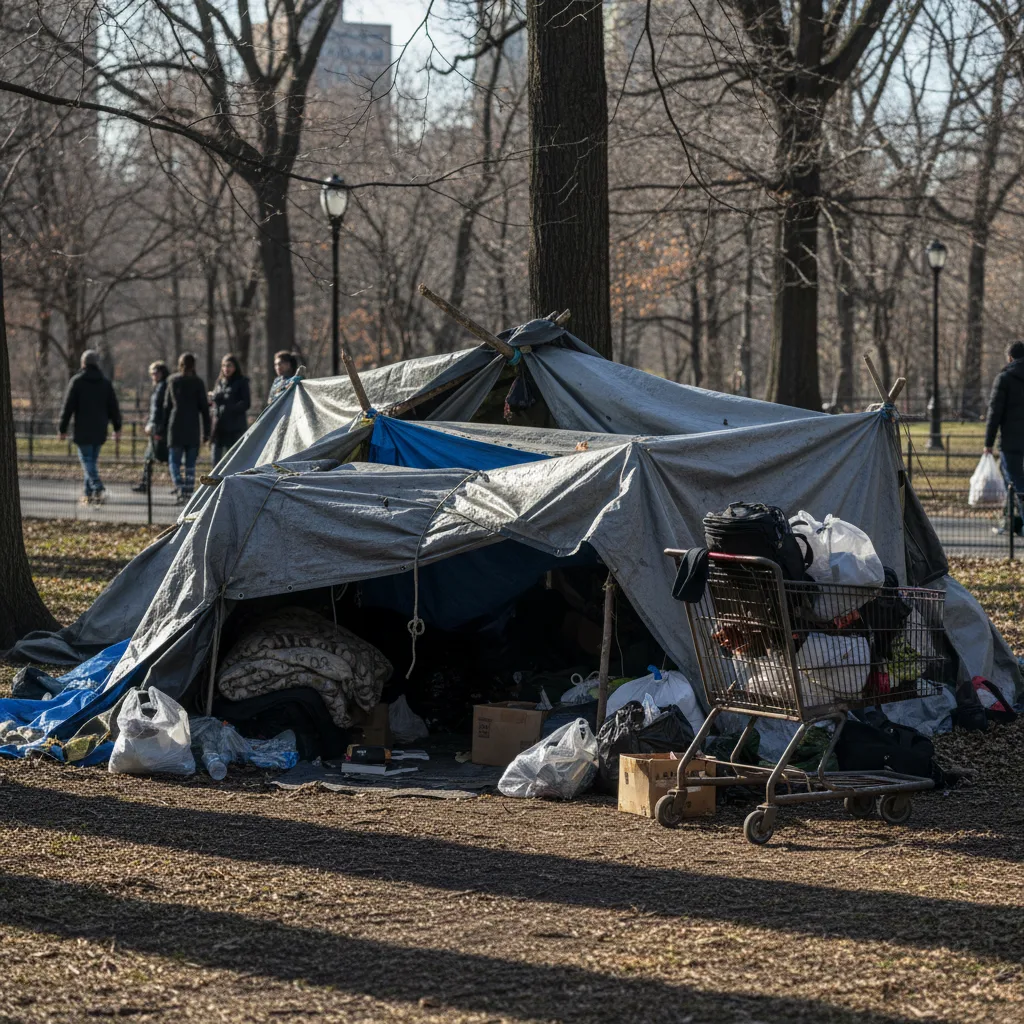
NYC Homeless Encampments Spotted Across Manhattan, Raising Concerns
Multiple homeless encampments have been spotted across Manhattan, raising significant concerns about urban policy and public safety. City officials are under pressure to address the growing homelessness crisis.
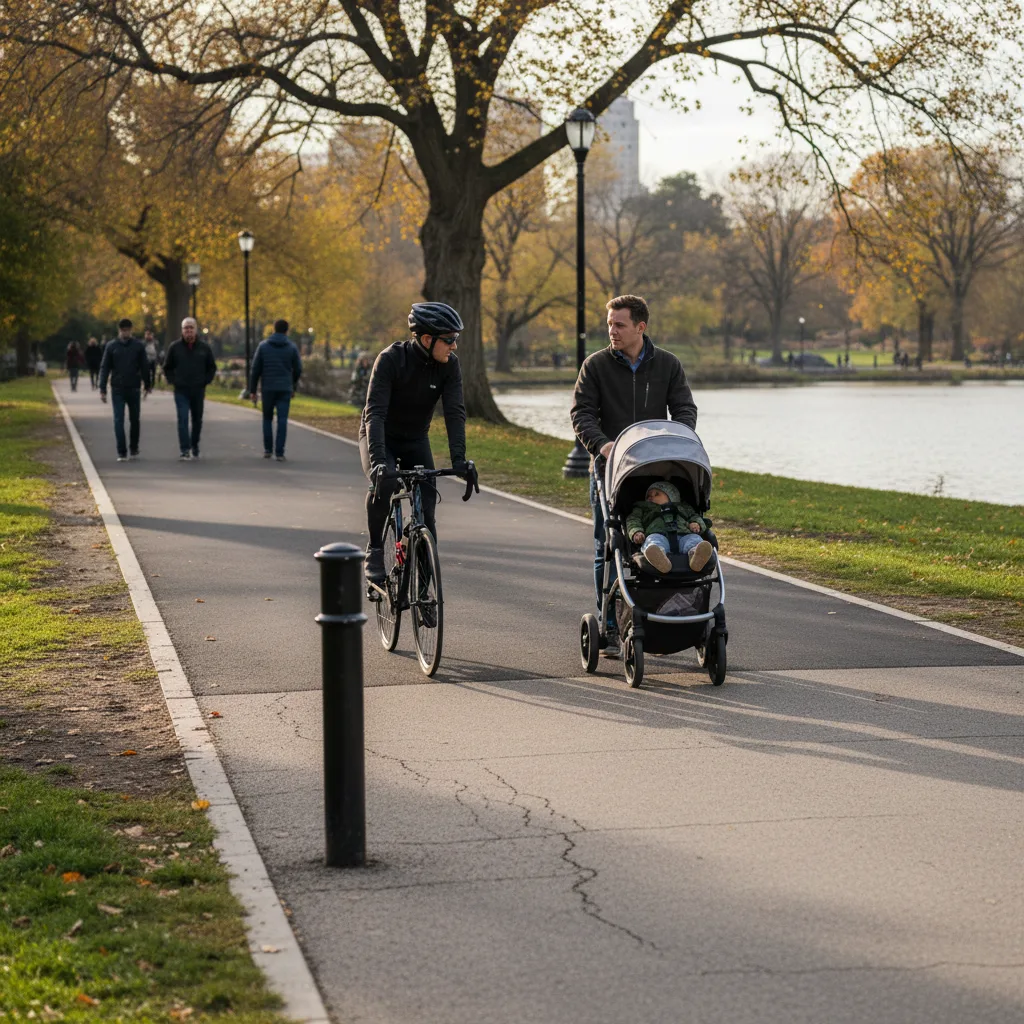
Safety Advocate Blames Park Redesign for Rising Central Park Cyclist Crashes
Safety advocates blame recent Central Park redesigns for a pedestrian's death and rising cyclist crashes, calling for urgent review of infrastructure.
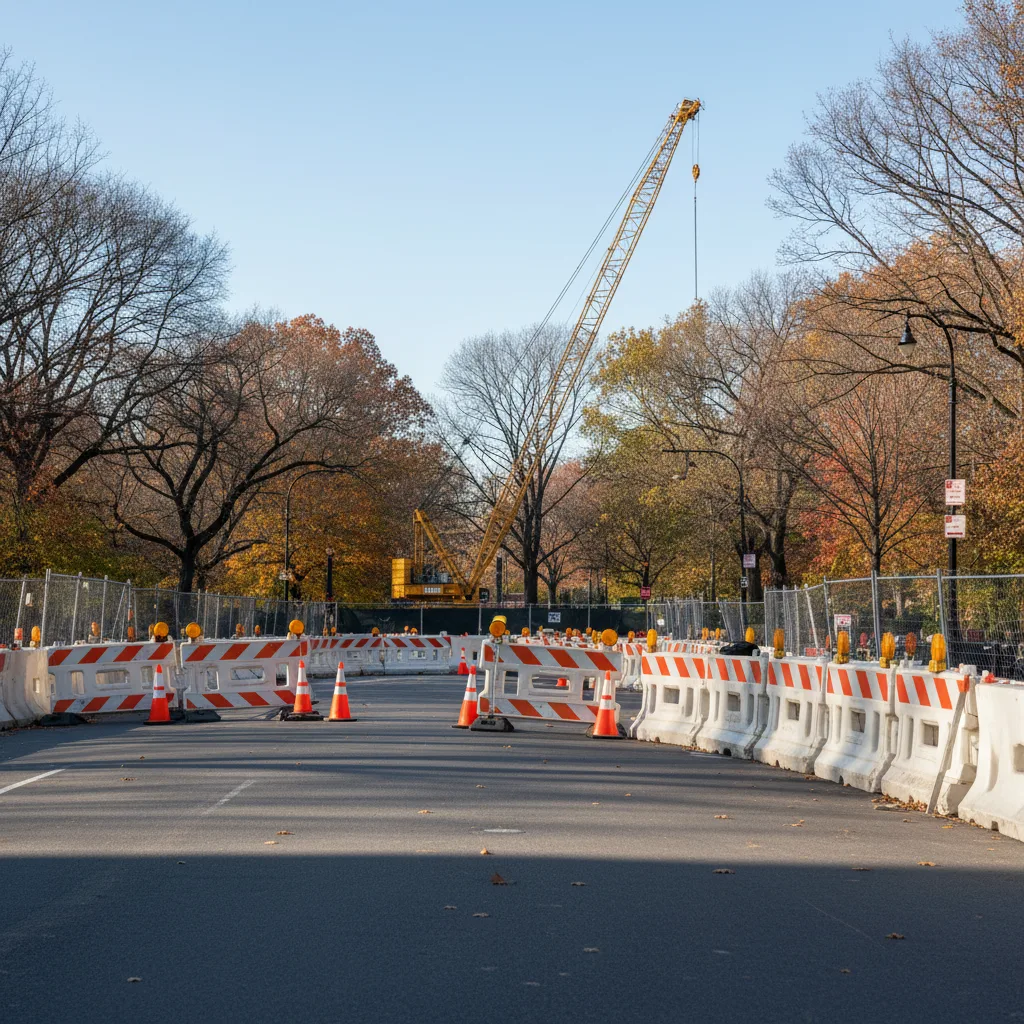
NYC DOT Advises Central Park Area Traffic Disruptions September 27
NYC DOT issued advisories for major traffic disruptions near Central Park on September 27, 2026, due to a parade and crane operations. Expect delays.

Davis Center at Harlem Meer Unveils State-of-the-Art Facilities
The new Davis Center at the Harlem Meer in Central Park's north end now features a state-of-the-art pool, ice rink, and multi-use turf field, enhancing community recreational options.
NYC City Record Confirms September 21, 2026, Publication Schedule
The NYC City Record confirmed its September 21, 2026, publication schedule, detailing administrative notices, procurement, and public hearings. This ensures transparency for municipal operations and public access to vital city information.