


Central Park Carriage Collision Sends Two Operators to Hospital

NEW YORK — Two horse-drawn carriage operators were hospitalized this afternoon following a collision near Central Park South and Grand Army Plaza, according to officials from the New York Police Department’s 18th Precinct. The incident, occurring around 1:45 PM on Tuesday, March 4, 2026, involved two separate carriages traveling in close proximity, resulting in a sudden impact that unseated both drivers. Emergency services responded quickly to the chaotic scene, which drew a crowd of concerned tourists and onlookers near the park's southeast entrance.
The NYPD confirmed that both individuals, identified as 38-year-old Michael Rodriguez and 52-year-old Elena Petrova, sustained non-life-threatening injuries. Rodriguez suffered a fractured wrist, while Petrova was treated for lacerations and minor head trauma. Both were transported to Mount Sinai West hospital for further evaluation. The horses involved appeared unharmed, though visibly agitated, and were quickly attended to by animal welfare experts.
Initial Scene and Emergency Response
The collision unfolded just north of the busy intersection of 59th Street and Fifth Avenue, a popular staging area for the iconic Central Park carriage rides. Witnesses described hearing a loud crash followed by shouts. "It was quite jarring," remarked tourist Sarah Jenkins from London, who was queuing for a carriage ride herself. "One minute they were trotting along, the next there was this loud bang, and both drivers were on the ground."
The New York City Fire Department (FDNY) arrived within minutes, followed by multiple NYPD units. Responders quickly secured the area, diverting pedestrian traffic away from the immediate vicinity of the accident. Paramedics administered first aid on site before transporting the injured operators. The quick response was credited with managing the situation effectively and preventing further injury.
Investigating the Cause: Operator Negligence or Mechanical Failure?
The exact cause of the collision remains under active investigation by the NYPD’s Highway Safety Unit. Initial reports suggest a combination of factors may have contributed to the accident. Sources within the NYPD, speaking off the record due to the ongoing inquiry, indicated that preliminary findings point towards one carriage veering slightly off course, potentially clipping the other. However, mechanical failure of a carriage component has not been ruled out.
"We are interviewing witnesses and examining the carriages thoroughly," stated Detective John Miller of the Highway Safety Unit during a brief press conference near the incident site. "Our priority is to determine precisely what led to this unfortunate event and ensure all safety protocols were followed." He stressed that the investigation is comprehensive and could take several days to conclude. All carriage operations originating from the nearby area were temporarily halted following the incident.
Broader Implications for Central Park Carriage Rides
This incident immediately reignited long-standing debates surrounding the safety and ethics of horse-drawn carriages in Central Park. Animal rights activists have long called for a ban on the carriages, citing concerns about animal welfare and public safety in a densely populated urban environment. Their arguments frequently highlight the potential for accidents involving both horses and vehicles.
"This is exactly what we've been warning about for years," commented Jane Smith, a spokesperson for New Yorkers for Animal Welfare. "These magnificent animals do not belong in congested city streets, nor do they belong in a park where they are subjected to traffic and noise." Smith urged city officials to reconsider the future of the industry, advocating for a transition to electric carriages. For more information on historical events and changes within the park, explore the history of Central Park.
Industry Response and Driver Safety Protocols
The Central Park Conservancy and the Horse and Carriage Association of New York (HCANY) both issued statements acknowledging the incident. HCANY President, Thomas O'Malley, expressed deep concern for the injured operators and emphasized the industry's commitment to safety. "Our drivers undergo rigorous training, and our horses receive daily veterinary checks," O'Malley told local media outlets. "We fully cooperate with the NYPD's investigation and will take any necessary actions to enhance safety further."
O'Malley highlighted that accidents are rare given the thousands of daily carriage rides conducted without incident. He reiterated that all licensed carriage drivers must adhere to strict operating procedures, including speed limits within the park and maintaining safe distances between vehicles. Regular inspections of carriages are also mandated by the city's Department of Consumer and Worker Protection. Learn more about ways to engage with park initiatives and contribute through volunteer opportunities in the park.
Community and Official Reactions
The incident quickly became a topic of discussion among parkgoers and city residents. Some expressed sympathy for the operators, while others voiced renewed opposition to the carriages. City Council Member Sarah Lee, whose district includes parts of Central Park, announced that her office would closely monitor the NYPD's investigation. "Public safety for both our residents and our visitors is non-negotiable," Lee said in a prepared statement. "We must ensure that all commercial operations within our public spaces meet the highest safety standards."
The future of horse-drawn carriages in Central Park has been a contentious issue for decades, with various legislative attempts to ban or restrict them. This latest incident is likely to add further fuel to the ongoing debate, potentially prompting new calls for review by the City Council and the Mayor's office.
Frequently Asked Questions About Central Park Carriage Safety
Many people ask about the regulations governing horse-drawn carriages in Central Park. The industry is heavily regulated by the NYC Department of Consumer and Worker Protection (DCWP) and the NYC Department of Health and Mental Hygiene (DOHMH), covering aspects from driver licensing and training to horse care and carriage maintenance. Drivers must pass written and practical exams, and horses undergo regular veterinary checks, including daily assessments before starting work. Another common question is regarding accident frequency. While incidents involving horse-drawn carriages are not entirely unheard of, serious collisions resulting in injuries are statistically rare given the high volume of daily operations. The city maintains strict speed limits for carriages within the park's designated roadways. Concerns about animal welfare are also frequent, with activists advocating for stricter oversight or a complete ban. The industry maintains that horses are well-cared for, working limited hours, and have access to veterinary care and proper stabling.
Related Articles
More in Safety & Crime →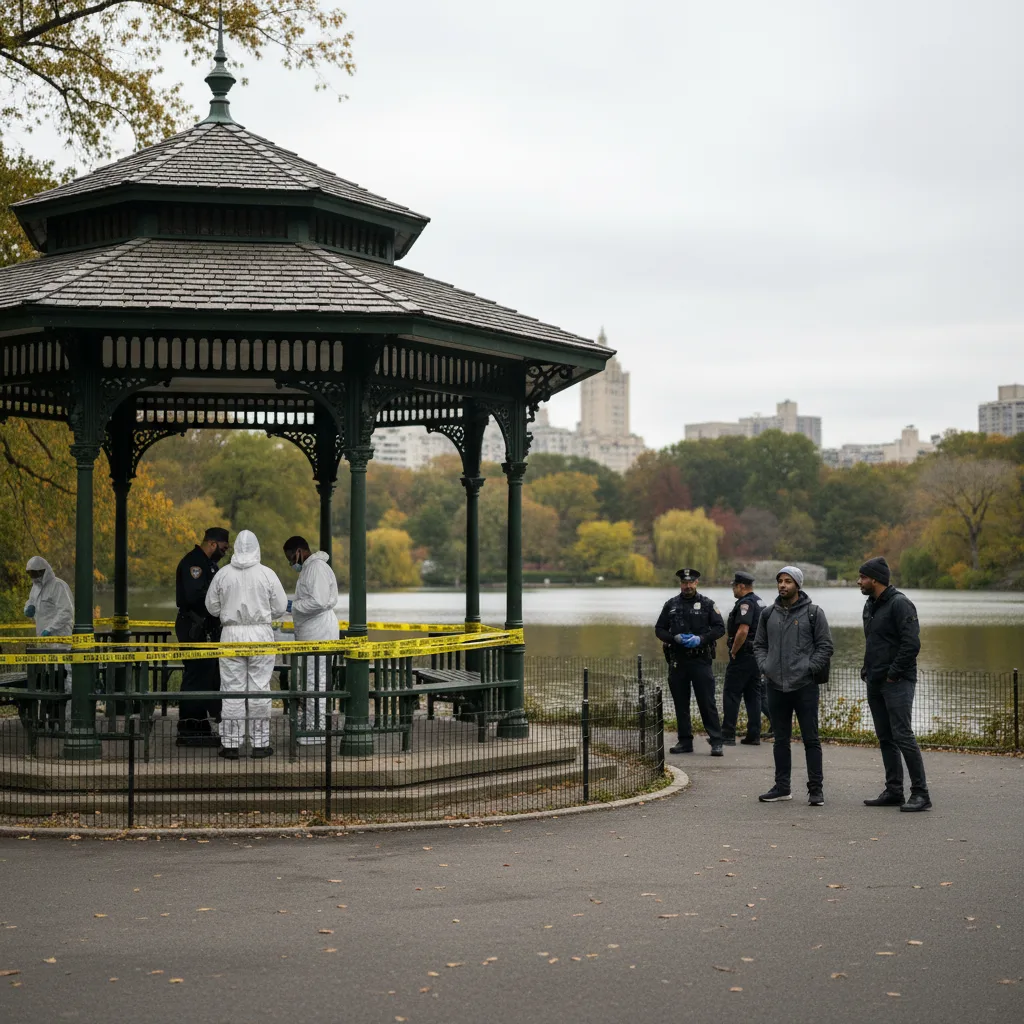
Central Park Woman Found Dead Near Boathouse Gazebo
A woman was found stabbed to death in a Central Park gazebo near the Boathouse on Sunday, prompting an active NYPD homicide investigation.
Queens Student Arrested for Bringing Gun to High School
A Queens student was arrested for bringing a gun to high school, prompting immediate law enforcement action and raising school safety concerns.
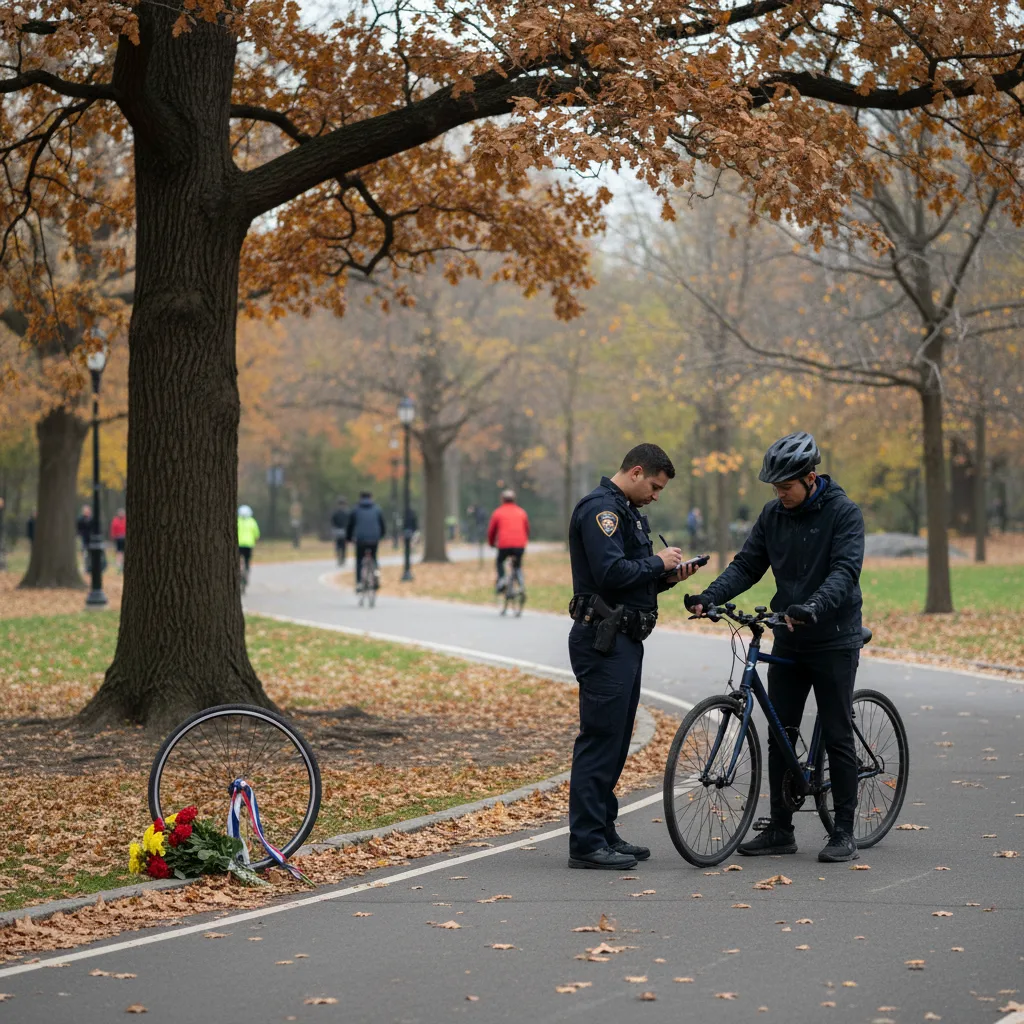
NYC Cyclist Death Prompts NYPD Ticketing Near Fatal Crash Site
NYPD stepped up cyclist ticketing near a recent fatal crash site in Central Park after a cyclist died Monday morning. Local groups demand safety reforms.
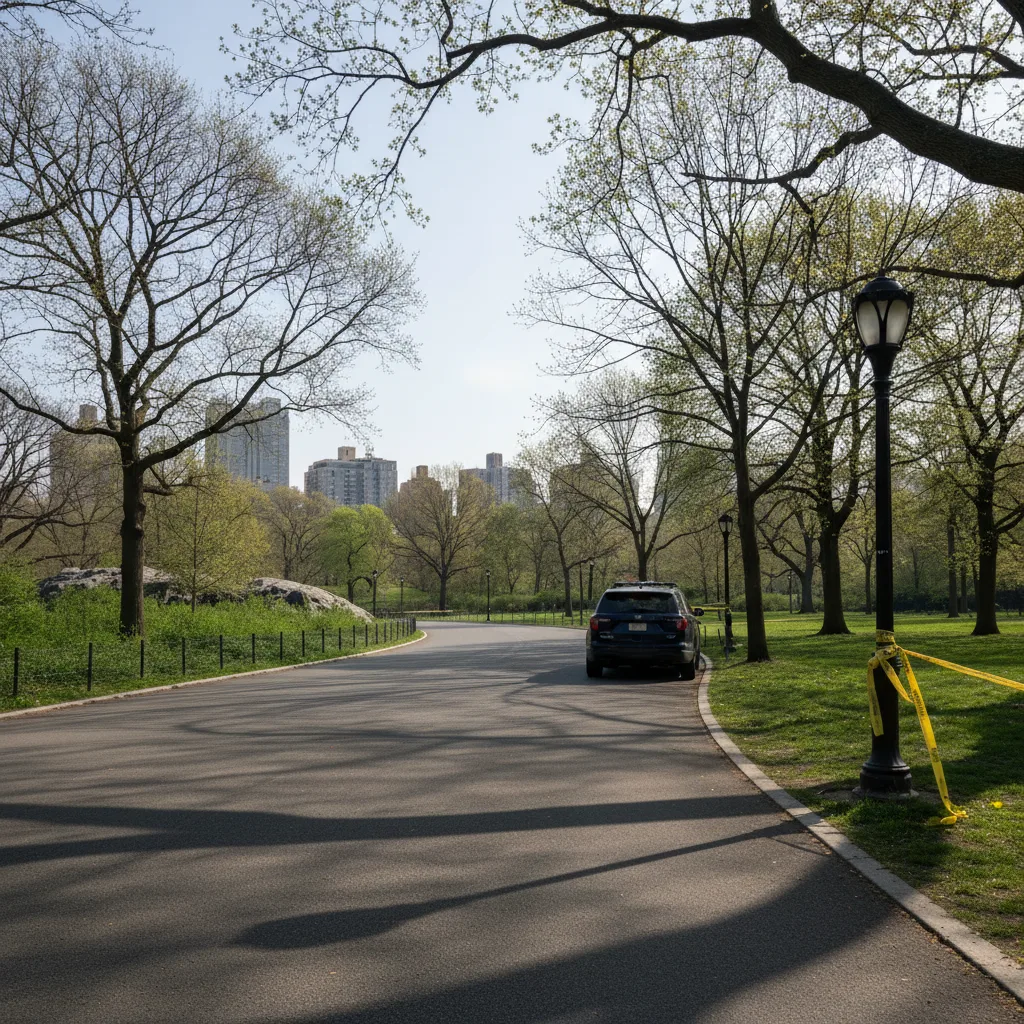
NYPD Confirms 71-Year-Old Cyclist Dies After Dog Collision in Central Park
NYPD confirms a 71-year-old cyclist died after colliding with a dog on Central Park's East Drive, near East 84th Street. The investigation is ongoing.
NYPD Investigates Central Park Cyclist Death After Dog Collision
NYPD confirms a 71-year-old cyclist died after colliding with a dog on Central Park's East Drive, near 84th Street. Investigation ongoing.
Man Charged in Central Park Beating Death of 63-Year-Old Woman
A 36-year-old man was charged with murder after a 63-year-old woman was found dead with head trauma in Central Park, NYPD confirmed.