


Central Park Carriage Collision Hospitalizes Two, Spurs Safety Debate

NEW YORK — A horse-drawn carriage collision occurred Monday morning near the southern end of Central Park, resulting in injuries to two individuals and reigniting long-standing debates over the safety of these iconic attractions. The incident, which involved two carriages near the bustling Columbus Circle entrance, prompted an immediate response from emergency services and park officials.
Preliminary reports from the New York Police Department (NYPD) indicate the collision happened at approximately 10:45 AM, close to the intersection of Central Park South and Sixth Avenue. Witnesses described a chaotic scene as paramedics attended to the injured before transporting them to a nearby medical facility.
Emergency Response and Victim Status
The New York City Fire Department (FDNY) confirmed that two individuals were transported to Mount Sinai West Hospital with non-life-threatening injuries. One victim, identified as a 62-year-old tourist from Ohio, sustained a laceration and possible concussion, according to FDNY Battalion Chief Patrick Walsh.
The second victim, a 48-year-old carriage driver, suffered whiplash and bruising. Both individuals are reported to be in stable condition following the accident. The horses involved in the collision were also examined on-site by veterinarians from the American Society for the Prevention of Cruelty to Animals (ASPCA).
Ongoing Investigation and Cause
NYPD Highway Patrol's Collision Investigation Squad has taken the lead in the inquiry. They are examining evidence from the scene, including eyewitness accounts and any available surveillance footage, to determine the exact cause of the crash. A preliminary statement from NYPD spokesperson Detective Emily Rodriguez indicated that mechanical failure or a sudden movement by one of the horses might have contributed to the incident.
"Our investigators are meticulously reconstructing the events leading up to the collision," Detective Rodriguez confirmed to reporters at a press conference on Tuesday afternoon. "We are considering all possibilities, including driver error and environmental factors."
Resurfacing Safety Concerns for Carriages
This latest incident has once again brought the contentious issue of horse-drawn carriage safety to the forefront of public discussion. Animal rights activists and some city council members have long advocated for a complete ban on the carriages, citing concerns for animal welfare and public safety in a densely populated urban environment.
"This accident underscores the inherent dangers of operating large animals and heavy vehicles in close proximity to pedestrians and city traffic," stated Sarah Jenkins, executive director of New Yorkers for Animal Rights. "How many more people or animals must be injured before the city finally acts?"
Opponents of the carriages argue that the animals are susceptible to stress and accidents, particularly during peak tourist seasons when Central Park is most crowded. They propose alternative electric vehicle tours as a safer, more humane option.
Industry Response and Regulatory Framework
The Central Park carriage industry has defended its safety record, emphasizing strict regulations and routine inspections. Stephen Barnes, president of the Horse and Carriage Association of New York, expressed regret over the incident but maintained that accidents are rare given the thousands of daily rides.
Barnes told ABC7 New York that drivers undergo rigorous training and horses receive regular veterinary care. "Our priority is the safety of our passengers, our animals, and the public," Barnes affirmed, "and we fully cooperate with any investigations to ensure continued compliance with all city regulations. For more detailed information on carriage regulations, residents can refer to the City's Department of Transportation guidelines."
Regulations for horse-drawn carriages are overseen by the New York City Department of Consumer and Worker Protection (DCWP) and the Department of Health and Mental Hygiene (DOHMH). These agencies mandate specific horse care standards, hours of operation, and vehicle maintenance checks, aiming for public and animal safety.
Impact on Tourism and Future Outlook
The incident, occurring at the height of the autumn tourist season, has sparked immediate discussions among visitors. Many expressed shock but acknowledged the unique charm the carriages add to the park experience. Tourism officials are closely monitoring the situation, though no immediate impact on overall Central Park visitation numbers has been reported.
City Council Member Margaret Chen, whose district includes parts of Central Park, announced plans to introduce legislation for increased oversight following the crash. "We must re-evaluate current safety protocols," Chen said in a public statement Wednesday, "and determine if additional measures are necessary to prevent future occurrences, ensuring both human and animal well-being in our treasured park. Citizens can find general Central Park news and updates on current events here: Central Park News."
Frequently Asked Questions About Central Park Carriage Safety
What are the typical operating hours for Central Park carriages? Horse-drawn carriages generally operate year-round, weather permitting, usually from late morning until late evening, though specific hours can vary by season and demand.
Are there weight limits for passengers in the carriages? Yes, city regulations specify passenger capacity based on the carriage type and horse's ability to ensure animal welfare and public safety. These regulations are strictly enforced by the DCWP.
How often are the carriage horses inspected? The horses are subject to regular inspections by the DOHMH, including annual veterinary exams and random checks. Drivers are also required to maintain daily logs of their horses' health and work schedules.
Can tourists still ride horse-drawn carriages after an accident like this? Yes, horse-drawn carriage operations typically continue as normal after an isolated incident, pending the outcome of investigations and confirmation that all safety protocols are being followed. However, public sentiment and legislative actions can influence future availability.
Where do the Central Park carriage horses live when they're not working? The horses are stabled in licensed facilities located on the west side of Manhattan, primarily in the West 50s near the Hudson River. These stables are also subject to regular inspections by city agencies to ensure humane conditions.
Related Articles
More in Safety & Crime →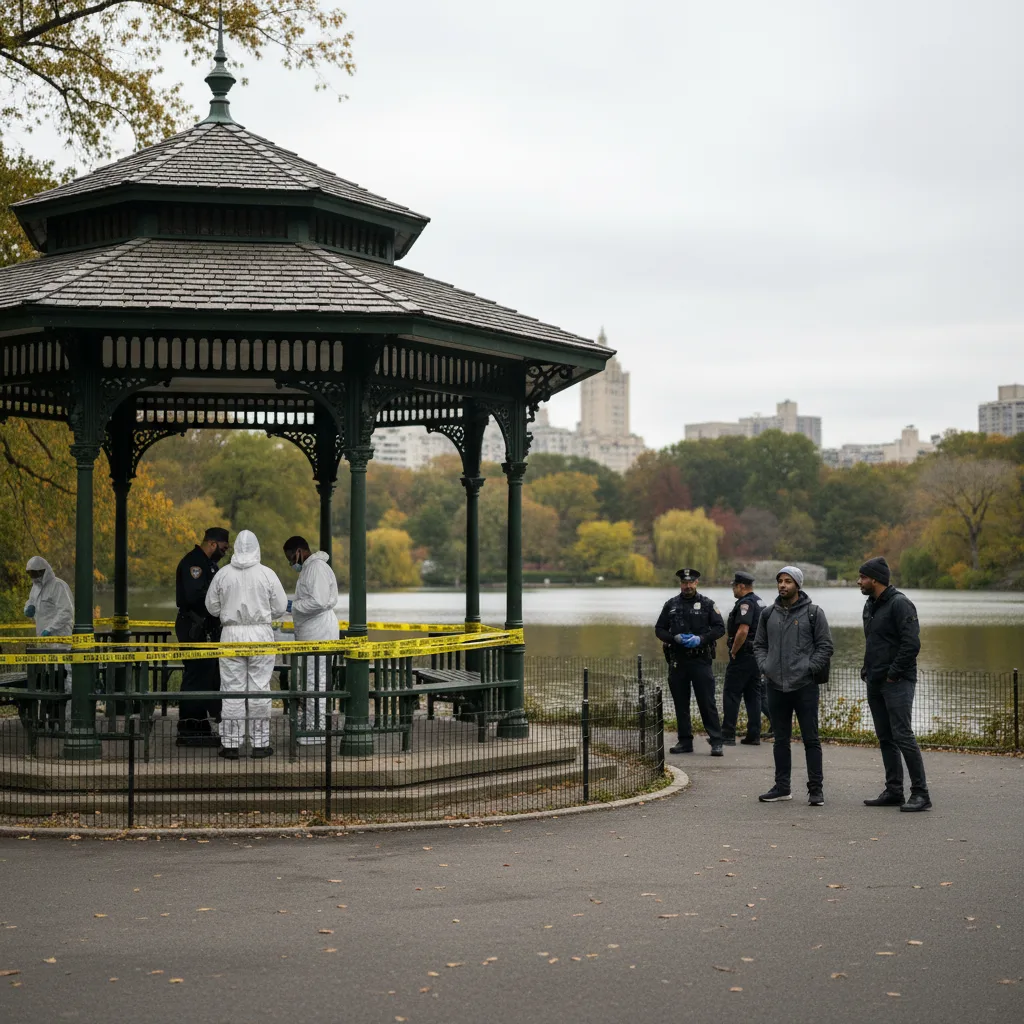
Central Park Woman Found Dead Near Boathouse Gazebo
A woman was found stabbed to death in a Central Park gazebo near the Boathouse on Sunday, prompting an active NYPD homicide investigation.
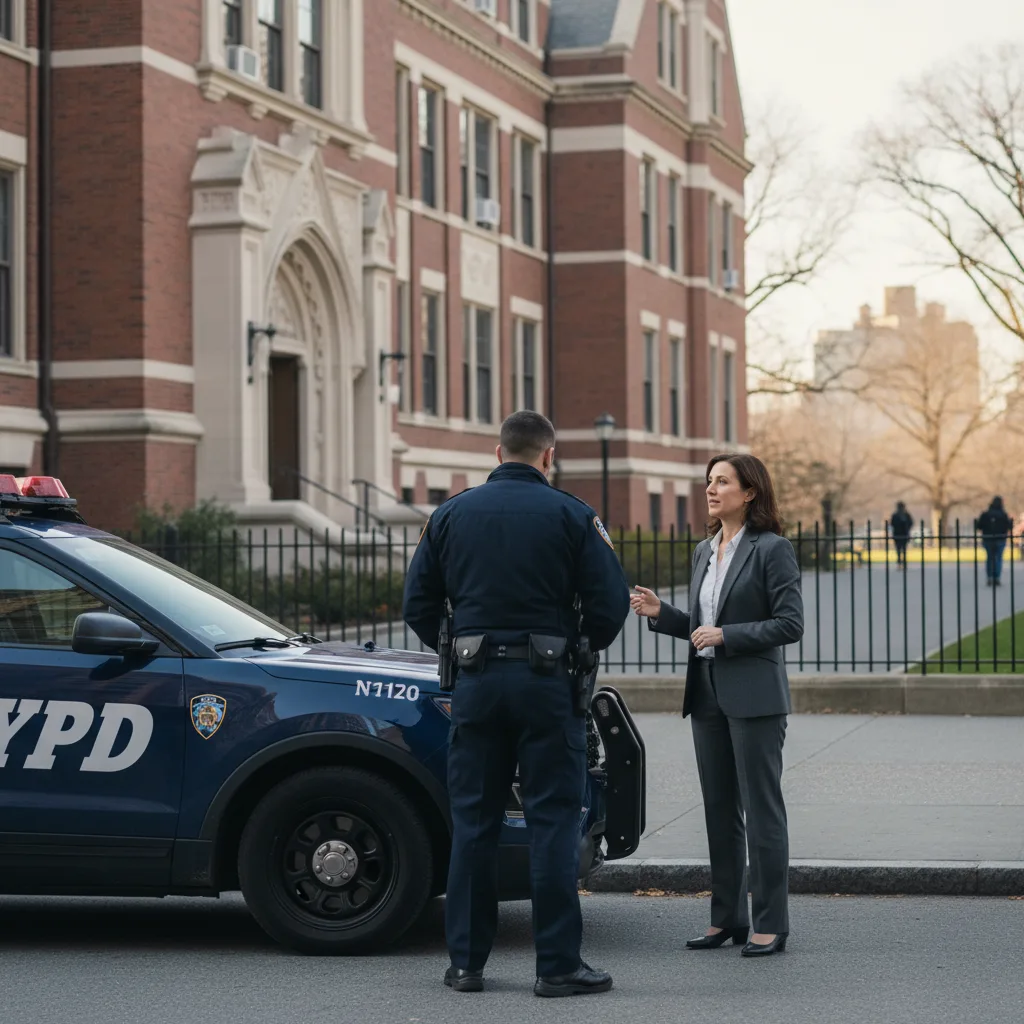
Queens Student Arrested for Bringing Gun to High School
A Queens student was arrested for bringing a gun to high school, prompting immediate law enforcement action and raising school safety concerns.
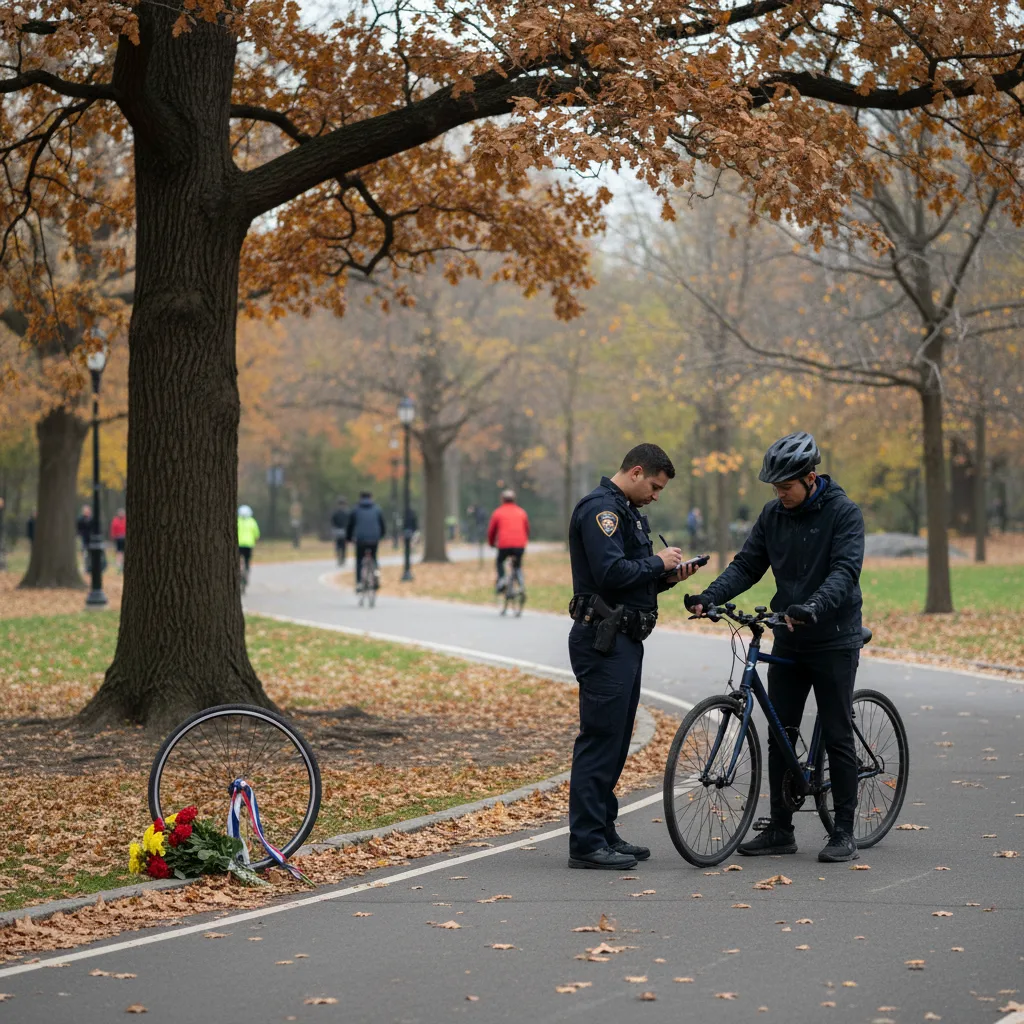
NYC Cyclist Death Prompts NYPD Ticketing Near Fatal Crash Site
NYPD stepped up cyclist ticketing near a recent fatal crash site in Central Park after a cyclist died Monday morning. Local groups demand safety reforms.
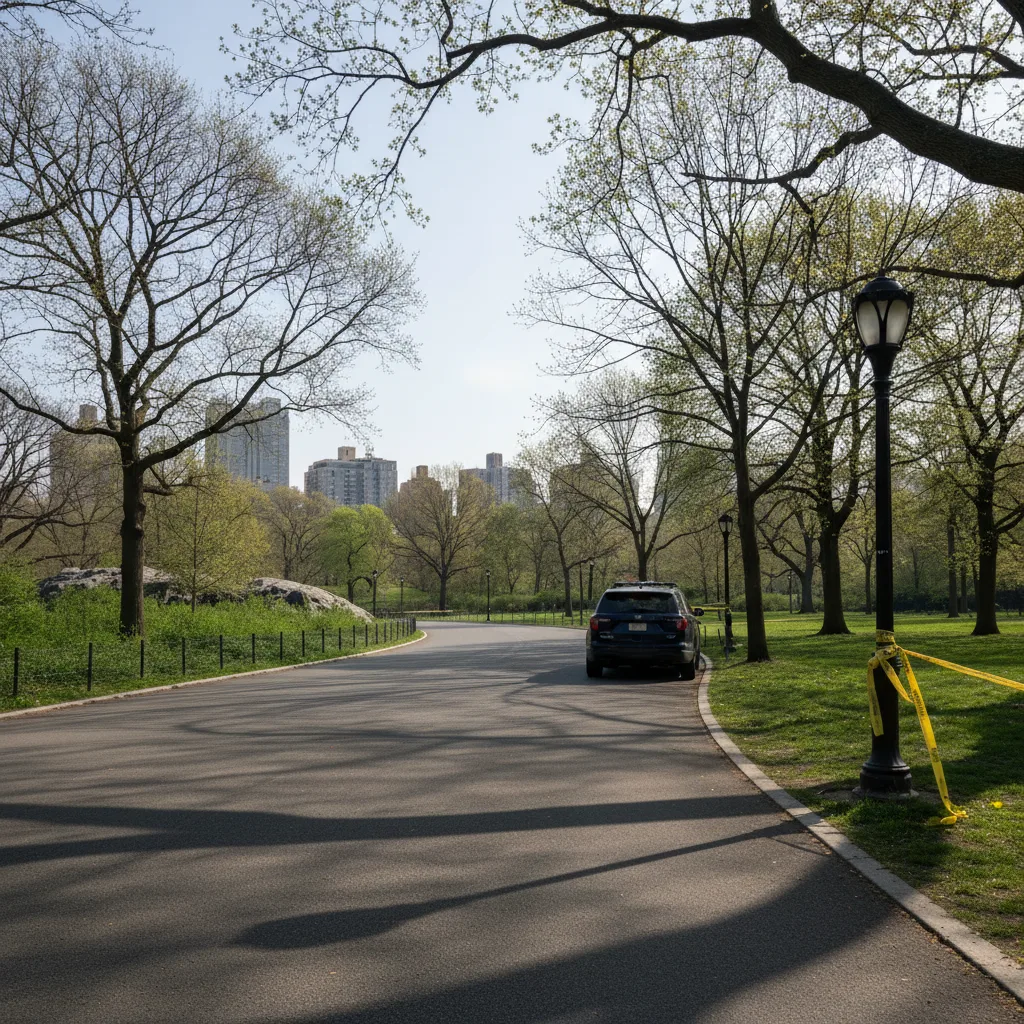
NYPD Confirms 71-Year-Old Cyclist Dies After Dog Collision in Central Park
NYPD confirms a 71-year-old cyclist died after colliding with a dog on Central Park's East Drive, near East 84th Street. The investigation is ongoing.
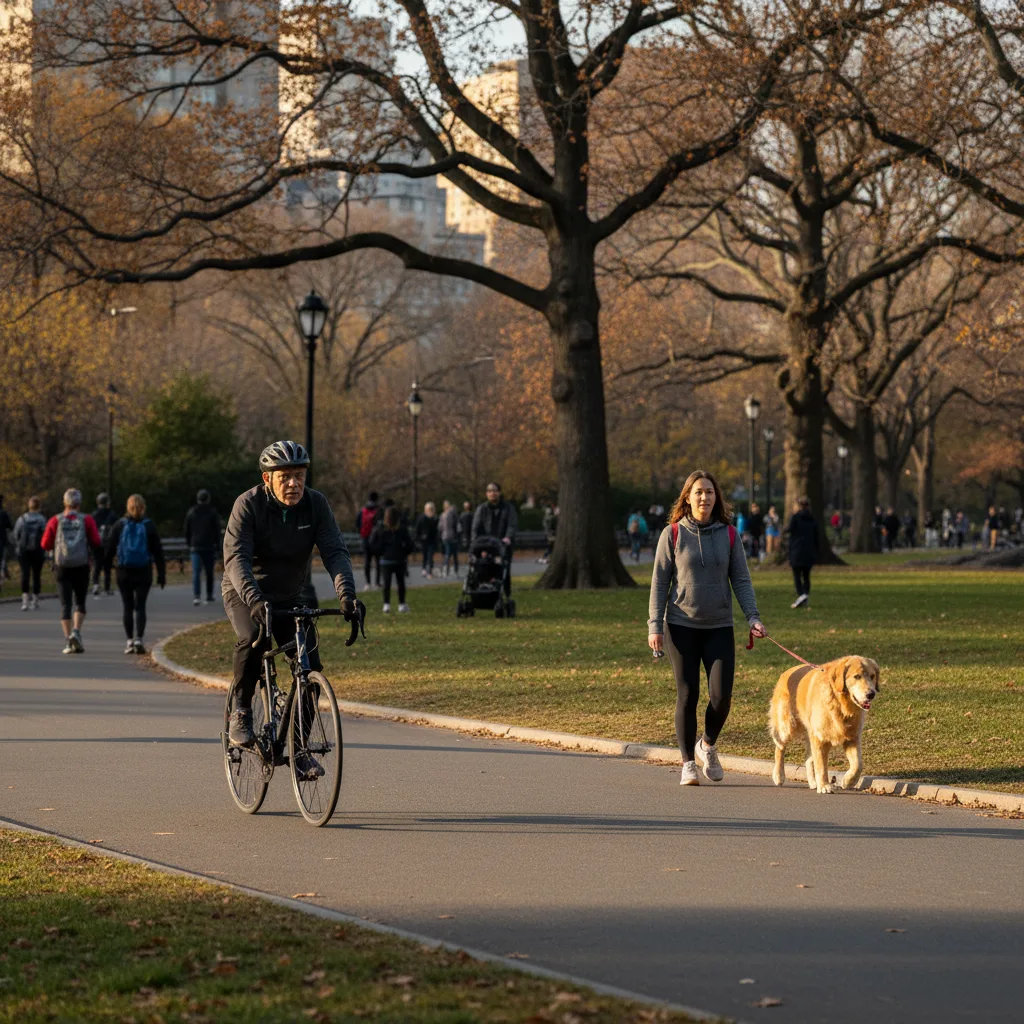
NYPD Investigates Central Park Cyclist Death After Dog Collision
NYPD confirms a 71-year-old cyclist died after colliding with a dog on Central Park's East Drive, near 84th Street. Investigation ongoing.
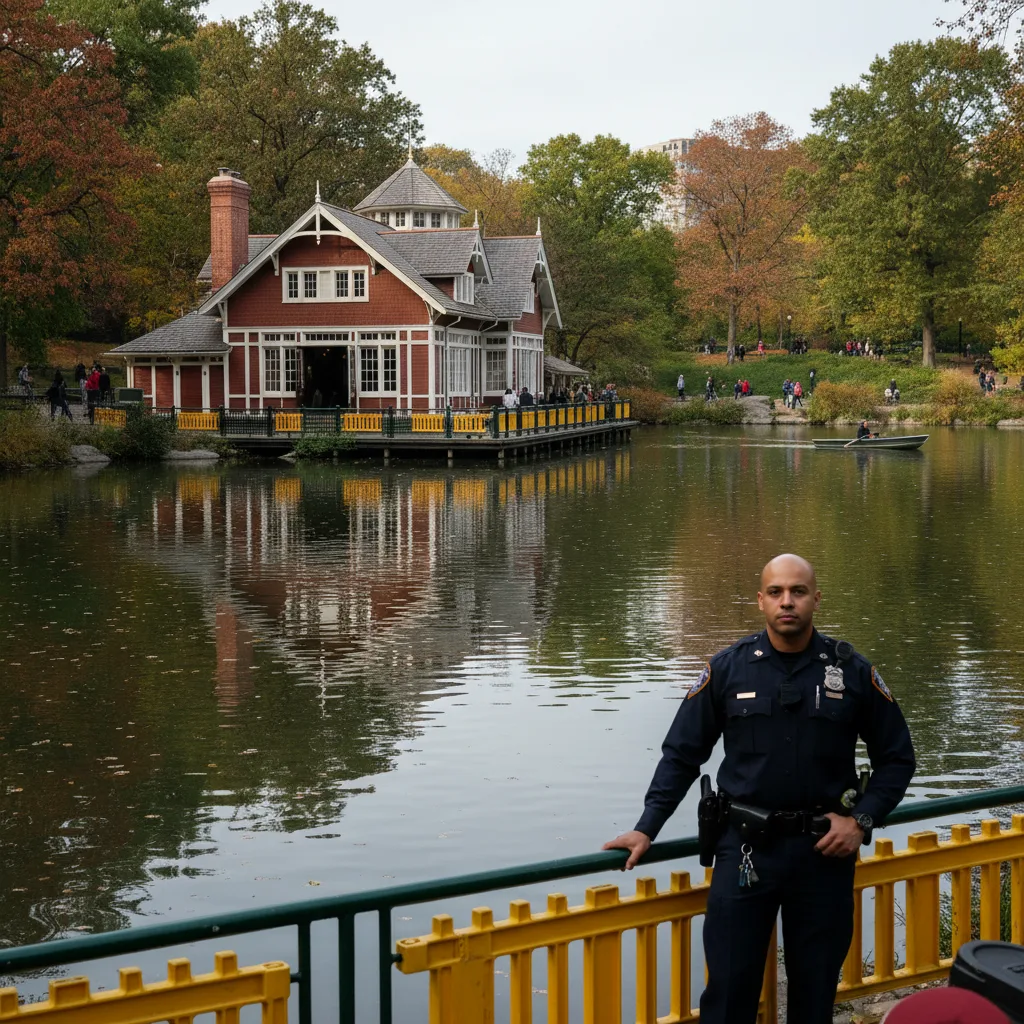
Man Charged in Central Park Beating Death of 63-Year-Old Woman
A 36-year-old man was charged with murder after a 63-year-old woman was found dead with head trauma in Central Park, NYPD confirmed.