


Central Park Carriage Collision Injures Two, Prompts Safety Review

NEW YORK — A collision involving two horse-drawn carriages near Central Park’s southeastern entrance injured two individuals on Tuesday afternoon, prompting renewed calls for stricter safety protocols and a review by city officials. The incident, which occurred just after 2:30 PM on East Drive near Grand Army Plaza, temporarily closed a section of the park to vehicular and carriage traffic.
According to a preliminary report from the New York Police Department (NYPD), one carriage veered sharply, striking the rear of another during a routine tour. Emergency medical services transported both drivers, whose identities were not immediately released, to New York-Presbyterian Hospital. Officials described their injuries as non-life-threatening but required medical attention.
Immediate Response and Ongoing Investigation
NYPD officers and Central Park Conservancy staff quickly secured the scene, directing park visitors away from the immediate area. The two horses involved in the collision were examined by a veterinarian on-site and appeared to be unharmed, an NYPD spokesperson confirmed. Both animals were later transported from the park for further assessment.
Lieutenant David Chen of the NYPD’s Central Park Precinct told reporters at a press briefing that the incident is under active investigation. “We are reviewing witness statements and any available surveillance footage to determine the precise cause,” Chen stated. “Our priority remains the safety of both park-goers and the animals that serve as an iconic part of this city’s history.” He confirmed that breathalyzer tests were administered to both drivers, a standard procedure in such incidents.
The Department of Parks and Recreation, which oversees carriage operations, announced it would collaborate with the NYPD on the investigation. Commissioner Clara Rodriguez issued a statement Tuesday evening, emphasizing the agency’s commitment to safety. “The well-being of our visitors and the horses is paramount,” Rodriguez said. “We will thoroughly examine this incident and take any necessary steps to prevent future occurrences.”
Horse Carriage Safety: A Longstanding Debate
The incident reignites a long-standing debate concerning the safety and ethics of horse-drawn carriages in New York City. Animal rights activists have consistently advocated for banning the practice, citing concerns about animal welfare in urban environments and potential risks to public safety. Critics argue that horses are not suited for navigating city traffic and that accidents, while rare, pose significant danger.
Friends of Horses, a local advocacy group, released a statement following the collision, reiterating their call for an outright ban. “This latest incident underscores the inherent dangers of operating horse carriages on busy city streets,” said Eleanor Vance, president of Friends of Horses. “It is past time for New York City to modernize its tourism offerings and retire these animals to sanctuaries.”
Conversely, the horse carriage industry maintains that its operations are safe and heavily regulated. The Alliance of Central Park Carriages, representing many operators, points to stringent veterinary checks, limitations on working hours, and driver training as evidence of their commitment to safety. A representative for the Alliance declined immediate comment, pending the outcome of the NYPD investigation.
Regulatory Framework and Historical Context
New York City’s horse carriage industry operates under a comprehensive set of regulations enforced by the Department of Consumer and Worker Protection (DCWP) and the Department of Health and Mental Hygiene (DOHMH), in addition to the Parks Department. These rules dictate everything from stable conditions and horse health to driver licensing and route restrictions. For detailed information on these regulations, refer to Central Park News information.
Historical records indicate that horse-drawn carriages have been a staple of Central Park since its inception in the mid-19th century, offering visitors a traditional way to experience its sprawling 843 acres. Despite their iconic status, the industry has faced ongoing challenges, including public scrutiny and legislative attempts to replace carriages with electric vehicles. In 2016, a proposal to swap horse carriages for antique electric cars failed to gain sufficient political support.
Impact on Tourism and Public Perception
Central Park attracts over 42 million visitors annually, and horse-drawn carriages are a significant draw for many tourists. The latest collision could influence public perception, particularly among visitors who might reconsider partaking in carriage rides. Tour operators across the city are closely watching the investigation’s progress, as any new regulations could affect their business model.
“My family always wanted to do a carriage ride, but after hearing this, I’m not sure,” commented Sarah Jenkins, a tourist from Ohio, near the Gapstow Bridge. “It makes you think about the risks, for the horses and the people.” This sentiment reflects a broader concern about safety within the park, which is typically seen as a tranquil urban escape.
Future Steps and Potential Changes
Following the police investigation, the Department of Parks and Recreation, in conjunction with the DCWP, will evaluate the findings and determine if modifications to existing regulations are necessary. This could range from enhanced driver training to stricter vehicle maintenance checks or even revised routes within the park. Any proposed changes would likely undergo a public comment period before implementation.
Mayor Eric Adams’ office has indicated it is monitoring the situation closely but has not yet signaled any specific policy direction. The incident comes as the city continues its phased reopening and aims to bolster its tourism sector, making safety and visitor confidence a priority. Updates on the investigation and any potential policy shifts will be reported by local news outlets like ABC7 New York as they become available.
Frequently Asked Questions About Central Park Carriage Operations
What are the safety regulations for Central Park horse carriages? The city mandates regular veterinary inspections for all horses, limiting their working hours and requiring specific rest periods. Drivers must possess special licenses and adhere to designated routes and speed limits within the park. Carriages also undergo mechanical inspections.
Have there been previous incidents involving Central Park carriages? While relatively uncommon, isolated incidents have occurred over the years, typically involving minor collisions or horses being startled. Each incident generally triggers an internal review by city agencies and the carriage operators to assess contributing factors and reinforce safety protocols.
How can the public report concerns about horse carriage welfare or safety? Concerns can be reported directly to the New York City Department of Consumer and Worker Protection (DCWP) or the Department of Health and Mental Hygiene (DOHMH). Animal welfare organizations also accept reports and often forward them to relevant authorities for investigation.
Related Articles
More in Park Operations & Maintenance →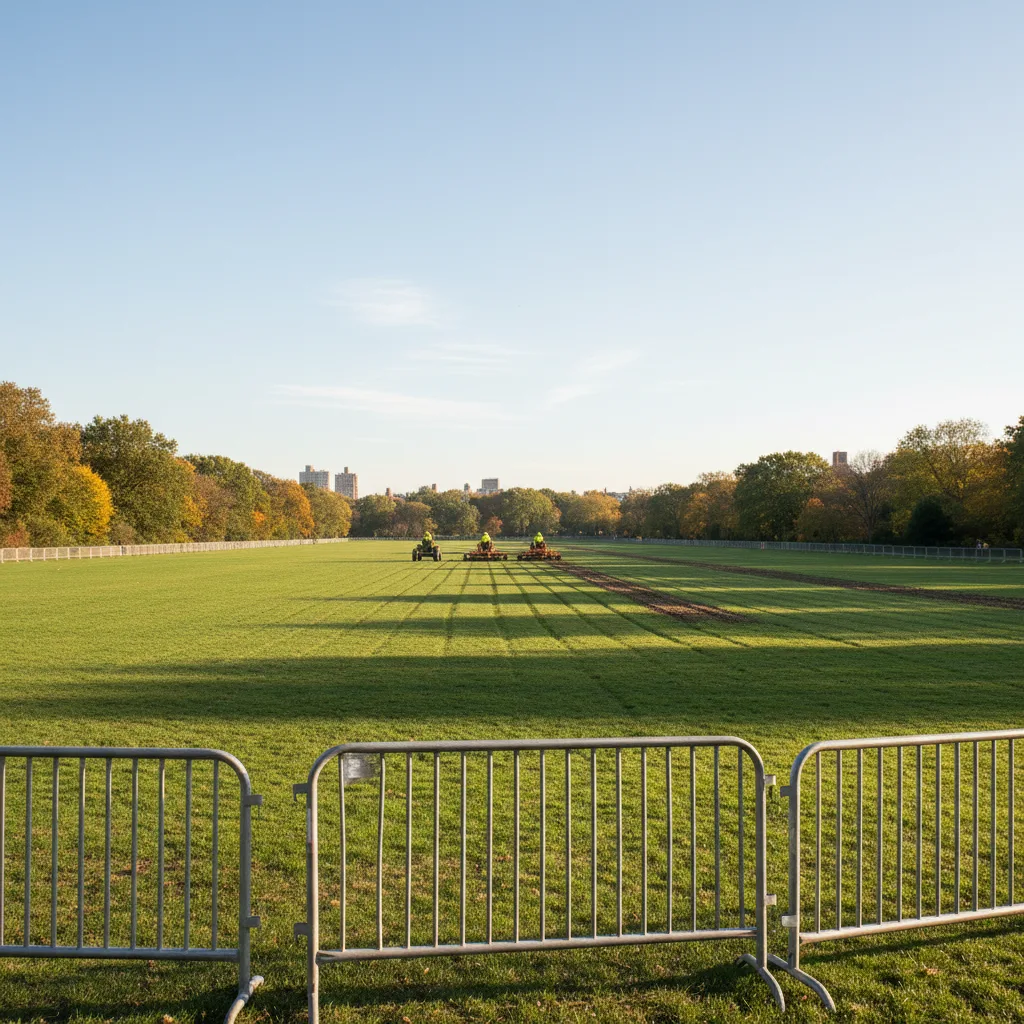
Central Park Conservancy Closes Great Lawn for Scheduled Maintenance
The Central Park Conservancy closed the Great Lawn through October 2, 2026, for scheduled maintenance, impacting weekend activities. Essential upkeep ensures the iconic green space remains vibrant for visitors.
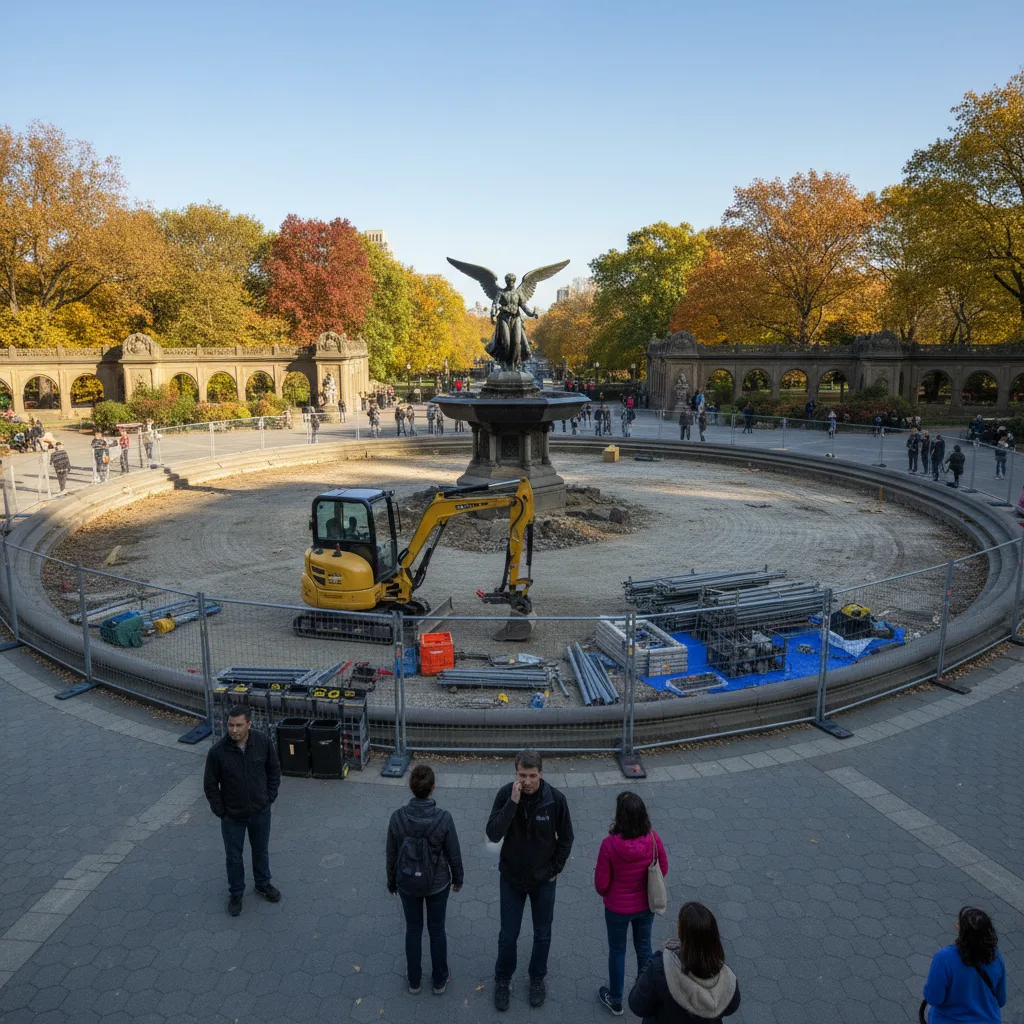
Central Park Conservancy Announces Bethesda Fountain, Great Lawn Closures
Central Park Conservancy announced Bethesda Fountain is off for restoration and the Great Lawn closed through October 2, 2026 for maintenance, affecting visitor access.
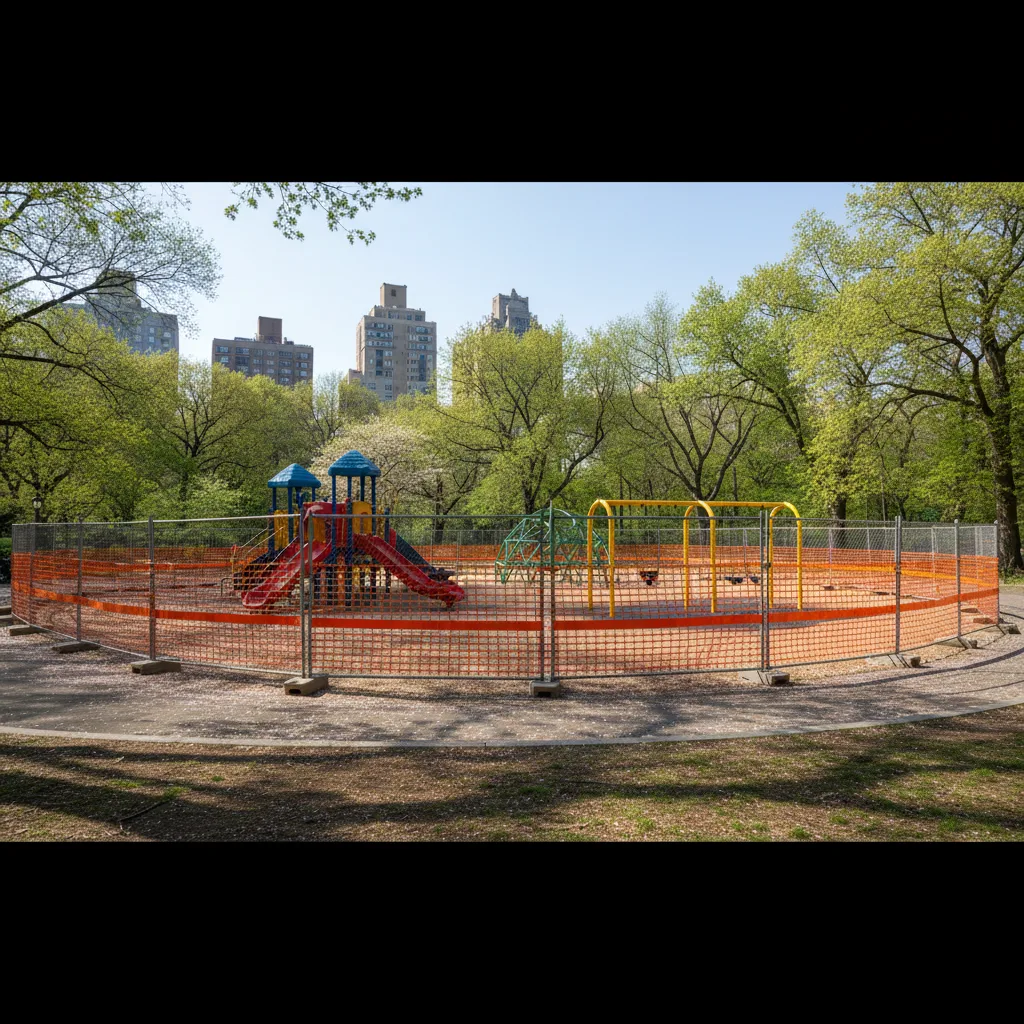
Central Park Conservancy Closes East 110th Street Playground for Restoration
Central Park Conservancy closed the East 110th Street Playground for restoration, while North Meadow and Heckscher ballfields shut due to weather. Plan your visit; check alerts for closures impacting recreation in Central Park.
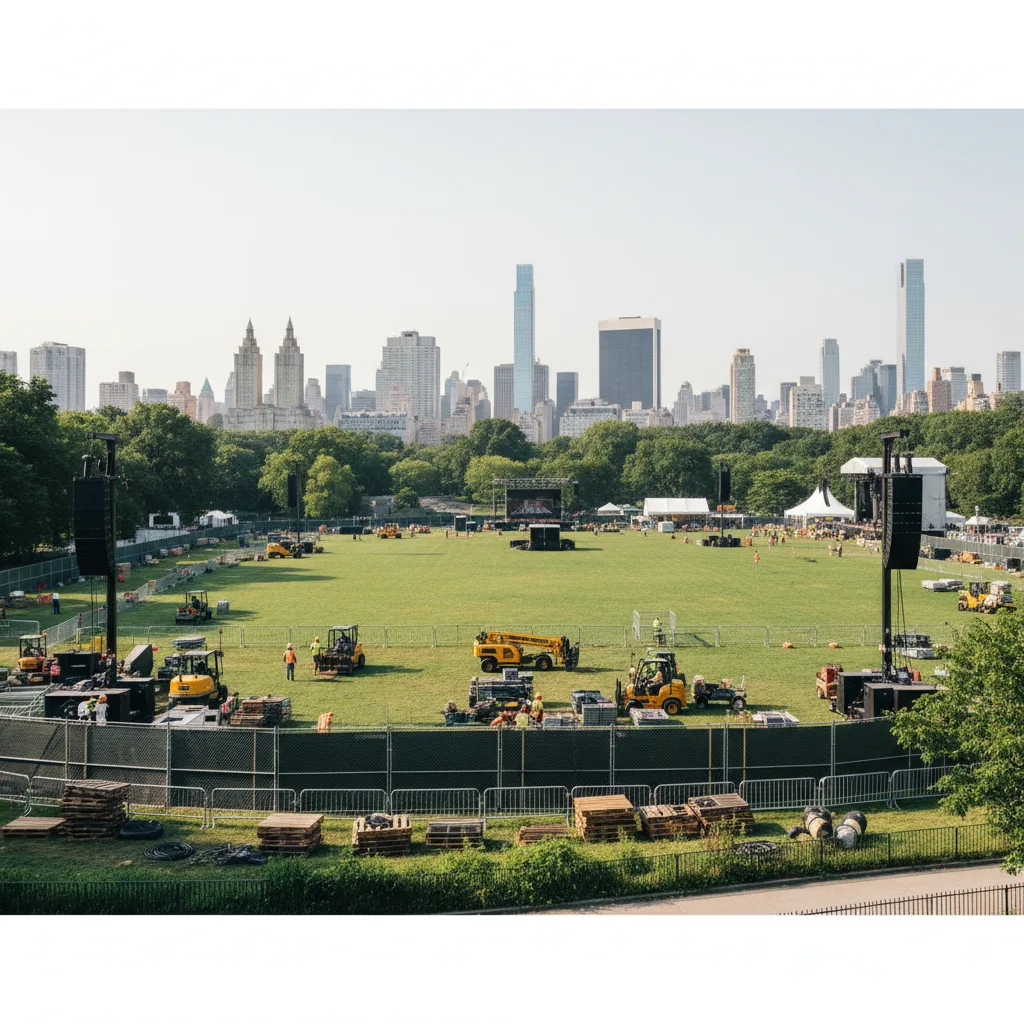
Central Park Conservancy Closes Great Lawn for Global Citizen Festival
Central Park Conservancy confirmed the Great Lawn is closed through September 26, 2026, for the Global Citizen Festival, affecting access to Belvedere Castle and Turtle Pond. Local residents and visitors should plan alternate routes and expect traffic delays around the park's perimeter.
Central Park Conservancy Confirms 2026 Daily Operating Hours
Central Park Conservancy confirms 2026 daily hours: 6:00 a.m. to 1:00 a.m. This notice is for visitor planning, not a change.
Central Park Conservancy Announces Park Hours Update for 2026
Central Park Conservancy announced updated 2026 park hours, maintaining 6:00 a.m. to 1:00 a.m. access daily. This schedule balances public enjoyment with critical maintenance and security operations.