


Central Park Carriage Overturns Near Tavern on Green, Two Injured

NEW YORK — A horse-drawn carriage overturned near the popular Tavern on the Green in Central Park on March 22, 2026, causing minor injuries to two passengers and sparking renewed calls for stricter safety regulations. The incident occurred shortly before 3:00 PM near the West Drive entrance, a frequently traversed route for both carriages and pedestrians.
Emergency services responded swiftly to the scene, tending to the injured individuals and securing the area. The horse, identified as a 12-year-old mare named "Daisy," appeared unharmed but was visibly distressed following the accident, according to New York City Parks Enforcement Patrol (PEP) officers present. The incident has reignited the long-standing debate surrounding the ethical treatment of carriage horses and public safety within the iconic park.
Investigation Underway into Carriage Accident
The New York City Department of Consumer and Worker Protection (DCWP), which licenses and regulates the city's horse-drawn carriages, immediately launched an investigation into the cause of the overturn. Early reports from the New York Police Department (NYPD) indicate the carriage's wheel may have struck a pothole or uneven pavement, leading to the instability. "Our initial assessment suggests a road hazard, but we are looking at all factors, including carriage maintenance and driver conduct," said Officer Michael Rodriguez of the NYPD's 20th Precinct, addressing reporters at the scene.
The driver, 58-year-old Thomas O'Malley, reportedly had a clean driving record for over two decades. He was shaken but uninjured, cooperating fully with authorities. This incident marks the second carriage-related mishap reported in Central Park in the past year, raising concerns among park advocates and local residents. The Central Park Conservancy confirmed that routine road inspections are conducted, but heavy traffic and weather conditions can rapidly create new hazards.
Calls for Enhanced Safety Measures
Advocacy groups like NYCLASS (New Yorkers for Clean, Livable, and Safe Streets) quickly seized on the incident to reiterate their demand for a complete ban on horse-drawn carriages in Central Park. "This latest accident is a stark reminder of the inherent dangers these vehicles pose to both animals and the public," stated Edita Birnkrant, Executive Director of NYCLASS, in a press statement released hours after the event. She argued that electric carriages offer a safer, more humane alternative.
However, the carriage industry maintains that such incidents are rare and often attributable to unpredictable circumstances. Christina Hansen, a spokesperson for the Historic Horse-Drawn Carriages of New York City, emphasized the industry's commitment to safety. "Our horses are regularly vet-checked, and our drivers undergo rigorous training and licensing. We are cooperating fully with the DCWP's investigation to understand what happened," Hansen told ABC7 New York in a phone interview. She highlighted the economic impact of a ban on the hundreds of individuals employed by the industry.
Historical Context of Central Park Carriages
The presence of horse-drawn carriages in Central Park dates back to the park's earliest days in the mid-19th century, evolving from a practical mode of transport to a popular tourist attraction. Critics point to the urban environment's stress on horses, citing numerous past incidents of collapses and accidents. The New York City Council has repeatedly debated legislation concerning the carriages, with proposals ranging from stricter oversight to outright bans, but no definitive action has been taken.
Supporters of the industry argue that the carriages are an integral part of New York City's historical charm and tourism economy, providing a unique experience for visitors. They often cite the strong bond between drivers and their horses and the careful maintenance provided. The debate often involves significant emotional investment from both sides, with public opinion frequently divided on the issue.
Potential Regulatory Changes Ahead
Following the recent incident, City Council Member Erik Bottcher, whose district includes parts of Central Park, indicated he would introduce new legislation aimed at reviewing carriage routes and potentially imposing speed limits within the park. "Public safety and animal welfare are paramount. We need to ensure that such beloved traditions do not come at the cost of injury or worse," Bottcher told local media outlets. He plans to convene a public hearing next month to gather input from stakeholders.
Any proposed changes would likely face opposition from the carriage industry, which would argue against measures they perceive as overly restrictive or economically unviable. The outcome of the DCWP's investigation will undoubtedly play a significant role in shaping these future policy discussions. New Yorkers can stay updated on developments by following local news reports Central park News - ABC7 New York.
Frequently Asked Questions About Central Park Carriage Safety
What caused the recent carriage accident in Central Park? The New York City Department of Consumer and Worker Protection (DCWP) and NYPD are investigating, with early indications pointing to a potential road hazard near West Drive. Officer Michael Rodriguez noted that all factors, including carriage maintenance and driver conduct, are under review. Are horse-drawn carriages safe for the public? The safety of horse-drawn carriages is a subject of ongoing debate between industry representatives and animal welfare advocates. Incidents like the recent overturn are rare, but they do spark significant public concern and calls for reform. How often do these accidents occur? While specific statistics are not immediately available, reports suggest this is the second horse carriage incident in Central Park within the last year, prompting increased scrutiny from city officials and advocacy groups. What is being done to address safety concerns? City Council Member Erik Bottcher has announced plans to introduce new legislation to review carriage operations, potentially including route modifications and speed limits, and a public hearing is anticipated. The DCWP's investigation findings will also guide future policy decisions.
Related Articles
More in Safety & Crime →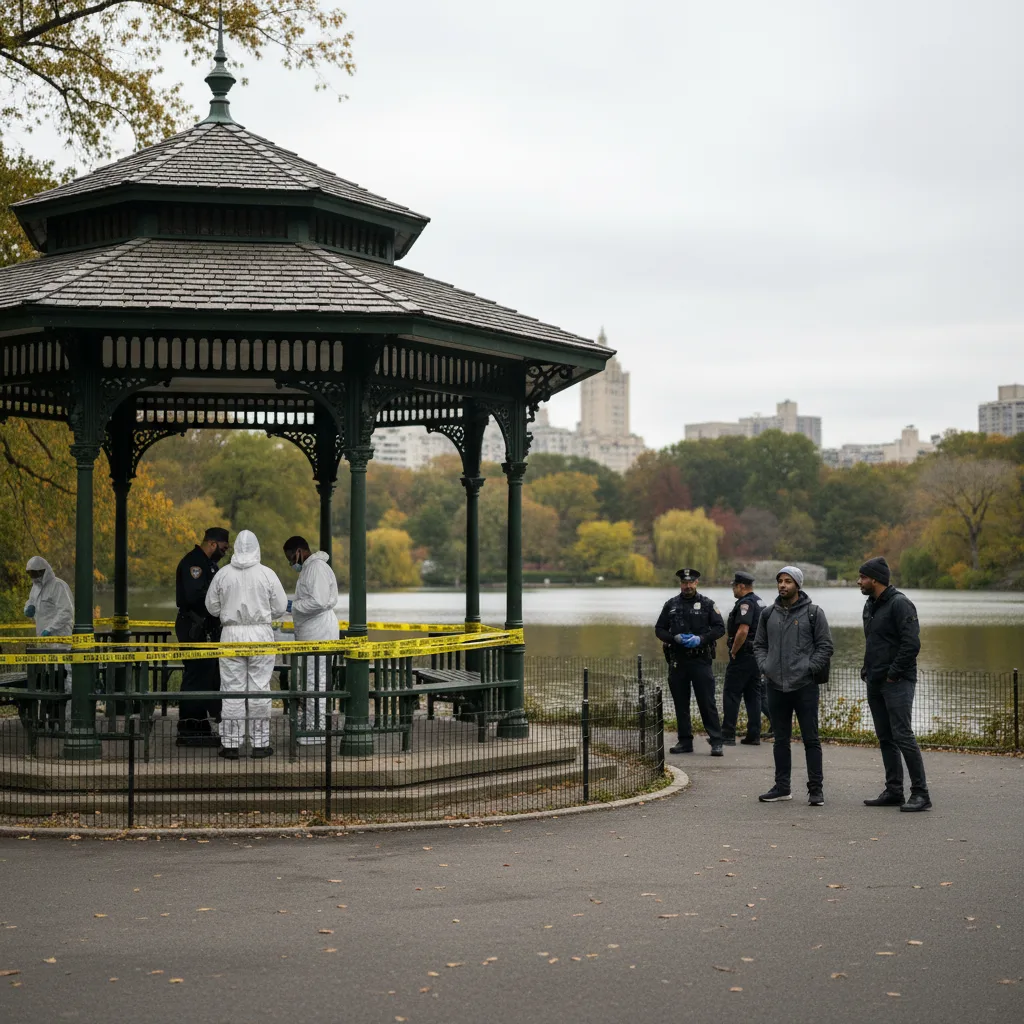
Central Park Woman Found Dead Near Boathouse Gazebo
A woman was found stabbed to death in a Central Park gazebo near the Boathouse on Sunday, prompting an active NYPD homicide investigation.
Queens Student Arrested for Bringing Gun to High School
A Queens student was arrested for bringing a gun to high school, prompting immediate law enforcement action and raising school safety concerns.
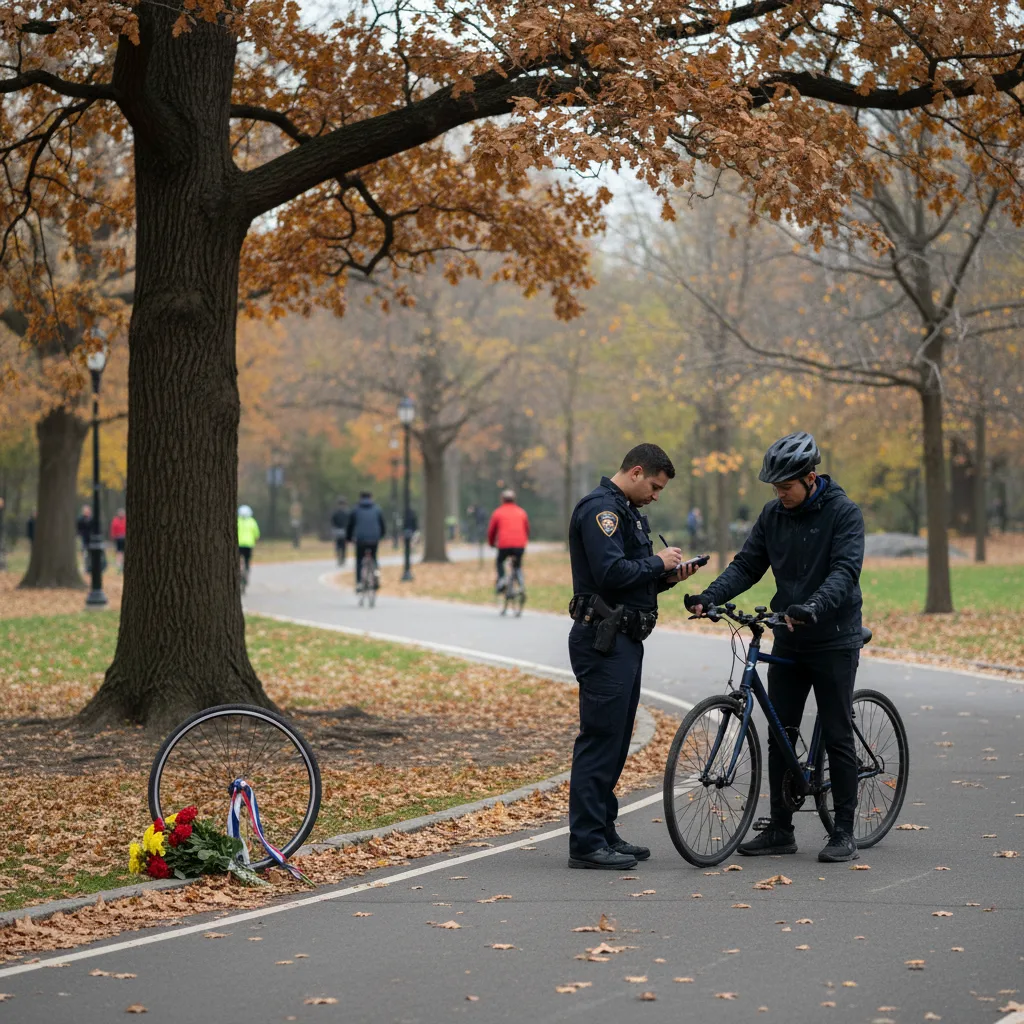
NYC Cyclist Death Prompts NYPD Ticketing Near Fatal Crash Site
NYPD stepped up cyclist ticketing near a recent fatal crash site in Central Park after a cyclist died Monday morning. Local groups demand safety reforms.
NYPD Confirms 71-Year-Old Cyclist Dies After Dog Collision in Central Park
NYPD confirms a 71-year-old cyclist died after colliding with a dog on Central Park's East Drive, near East 84th Street. The investigation is ongoing.
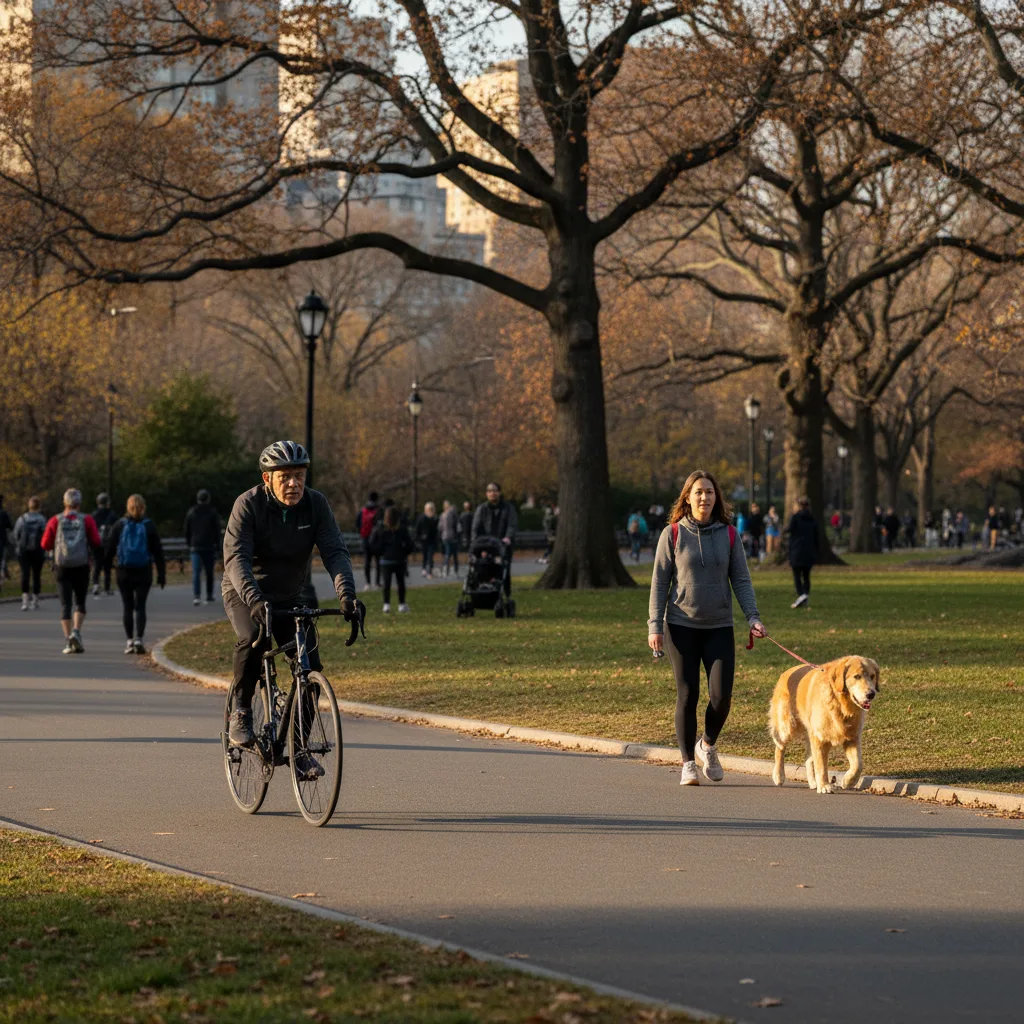
NYPD Investigates Central Park Cyclist Death After Dog Collision
NYPD confirms a 71-year-old cyclist died after colliding with a dog on Central Park's East Drive, near 84th Street. Investigation ongoing.
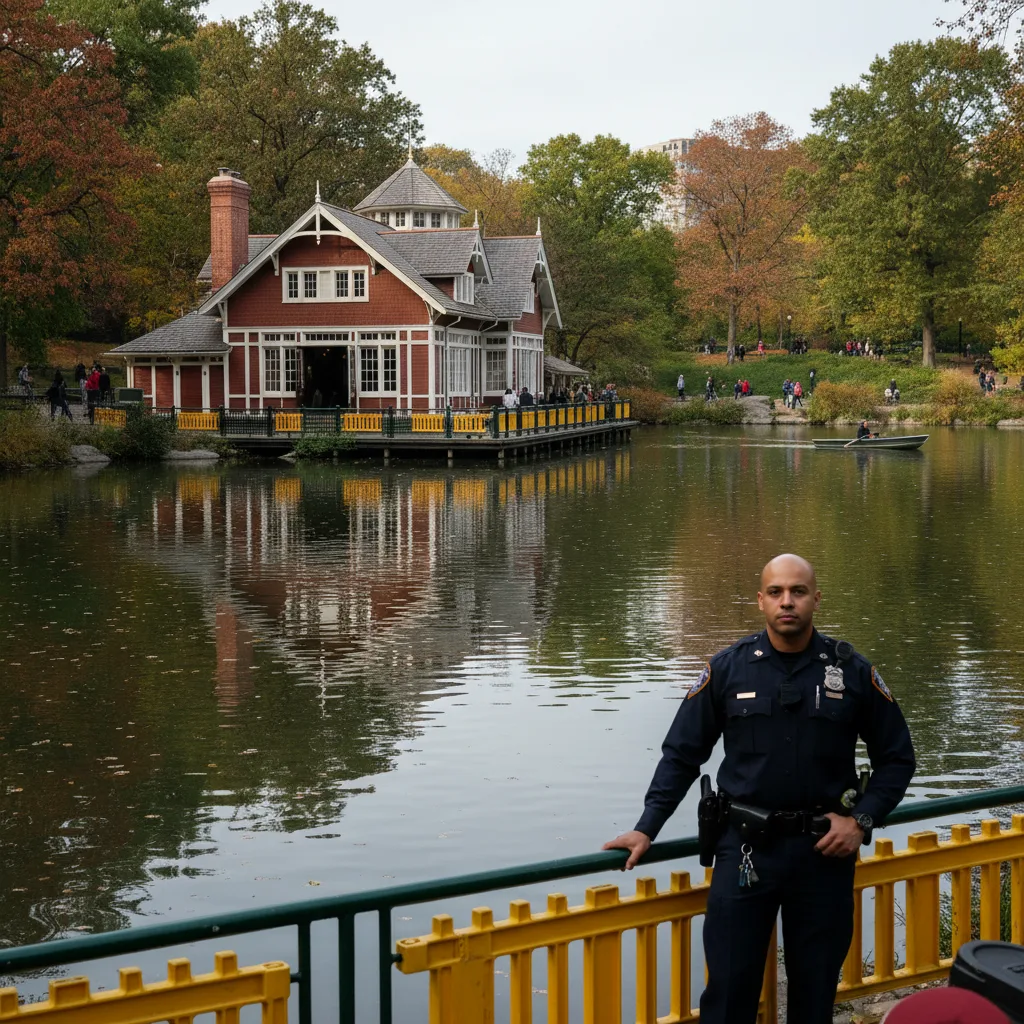
Man Charged in Central Park Beating Death of 63-Year-Old Woman
A 36-year-old man was charged with murder after a 63-year-old woman was found dead with head trauma in Central Park, NYPD confirmed.