


Central Park: Two Carriages Collide Near West 62nd Street, Minor Injuries Reported

NEW YORK — Two horse-drawn carriages collided Monday afternoon near the Central Park West entrance at West 62nd Street, resulting in minor injuries to at least one passenger and one driver. The incident, which occurred around 3:45 p.m. on May 20, 2026, prompted a swift response from emergency services and triggered an investigation by the New York Police Department.
The collision involved two separate carriages, each pulled by a single horse, converging near a designated turnaround point. Emergency Medical Services (EMS) personnel treated an adult female passenger at the scene for cuts and bruises, according to an EMS spokesperson. The woman declined further medical transport after receiving initial care, preferring to seek follow-up with her personal physician.
Accident Details Emerge
Preliminary reports from the NYPD indicate the carriages, operated by independent companies, made contact while maneuvering in congested park traffic. Captain Eleanor Vance, commanding officer of the 20th Precinct, stated that "our officers responded quickly to the scene and secured the area. We are reviewing witness statements and any available surveillance footage to determine the precise sequence of events leading to the collision." She confirmed that both horses involved appeared unharmed and were safely led away by their handlers, later undergoing veterinary checks.
A witness, Maria Rodriguez, who was walking her dog near Sheep Meadow at the time, described the scene as unsettling. "I heard a loud clatter and then saw the carriages sort of tangled together for a moment," Rodriguez recounted from her observation point near the Pond. "It looked like one driver tried to turn, and the other didn't see them coming." She expressed concern for the horses' welfare, a sentiment echoed by several passersby who gathered after the incident.
Examining Safety Protocols for Carriage Operations
This incident has reignited discussions surrounding the safety of horse-drawn carriages in Central Park, a long-standing point of contention for animal rights activists and public safety advocates alike. The city's Department of Consumer and Worker Protection (DCWP) regulates the industry, overseeing licensing, vehicle inspections, and animal welfare standards for the roughly 68 licensed carriages. DCWP spokesperson Daniel Chen reiterated the agency's commitment to public safety following Monday's event. "All licensed carriage operators are required to adhere to strict safety protocols, including specified speed limits and designated routes within Central Park," Chen explained during a press briefing. "Any accident is thoroughly investigated by our team, and appropriate actions are taken based on our findings to ensure compliance and prevent future occurrences."
The DCWP's last comprehensive review of carriage safety regulations was conducted in 2023, following several minor incidents involving horses and vehicles. Changes implemented then included enhanced driver training modules focusing on defensive driving techniques and increased pedestrian awareness in crowded areas. Advocates for the carriages often cite the industry's low accident rate compared to other forms of city transportation, while opponents argue that any incident involving large animals and vehicles in a heavily trafficked public park is inherently unacceptable.
Public and Official Responses
Mayor Eric Adams' office released a statement late Monday, acknowledging the incident and pledging full cooperation with the ongoing investigation. Deputy Mayor for Operations, Ana Ramirez, stated, "The safety of Central Park visitors and our city's animals is paramount to this administration. We will await the findings of the NYPD and DCWP investigations before considering any potential policy adjustments or enforcement actions." The statement also noted that the park's busiest hours, particularly mid-afternoon, often coincide with peak carriage operation times, especially around the popular Grand Army Plaza entrance.
Concerned citizen groups, such as "NYC Animals First," quickly issued press releases following the collision, demanding immediate action. Laura Henderson, a representative for the group, called for an immediate moratorium on horse-drawn carriage operations in the park. "This latest collision is further proof that these archaic vehicles simply do not belong in a modern urban park," Henderson declared to reporters outside City Hall. "We demand a permanent ban to protect both animals and people from such preventable dangers." For a deeper understanding of Safety Protocols for Park Visitors, various guidelines are available.
Historical Context of Central Park Carriages
Horse-drawn carriages have been a fixture in Central Park for over 160 years, offering a nostalgic experience for tourists and providing a livelihood for dozens of drivers. Their presence predates motorized vehicles in the park's original design, which intentionally included extensive carriage drives for leisurely excursions. Over the decades, debates about their future have waxed and waned, often intensifying after specific incidents or changes in political leadership, shaping city policy. The city's current regulations limit the number of operating carriages and stipulate strict veterinary care and stable conditions for the horses.
The Central Park Conservancy, responsible for the park's maintenance and restoration, monitors all park activities to ensure visitor safety and ecological health across its 843 acres. While not directly regulating carriage operations, the Conservancy collaborates closely with city agencies on overall park management and resource allocation. They issued a brief statement urging caution and adherence to all park rules by both operators and visitors. A look into the History of Central Park's Design reveals the original intent for such recreational elements.
Next Steps and Future Outlook
The NYPD's investigation is expected to continue for several weeks, involving interviews with all parties involved, including the carriage drivers and the injured passenger, and a thorough review of any relevant documentation. Depending on the findings, citations or summonses could be issued to the operators. The DCWP will conduct its own parallel inquiry into licensing compliance and adherence to operational standards, which could lead to further penalties or even license suspension.
No immediate changes to carriage operations are anticipated based on preliminary assessments, but pressure from advocacy groups is likely to intensify in the coming weeks and months. The incident serves as a stark reminder of the complexities of managing a vibrant urban park that balances historical traditions with contemporary safety demands. Decisions regarding the long-term future of horse-drawn carriages in Central Park will likely remain a contentious issue for city officials and advocacy groups alike, requiring careful consideration of all perspectives.
Frequently Asked Questions About Central Park Carriage Accidents
What happened in the recent Central Park carriage collision? Two horse-drawn carriages collided near the Central Park West 62nd Street entrance on Monday afternoon, May 20, 2026. One adult female passenger sustained minor injuries, including cuts and bruises, and was treated at the scene by EMS personnel.
Who is investigating this incident? The New York Police Department (NYPD) is investigating the cause of the collision, collaborating with the city's Department of Consumer and Worker Protection (DCWP), which is responsible for regulating horse-drawn carriage operations and licensing in the city.
Are Central Park horse-drawn carriages considered safe? Carriage operators are subject to strict city regulations concerning safety protocols, animal welfare, and driver training. While proponents often point to a relatively low accident rate over many years, critics frequently raise concerns about the inherent safety risks associated with large animals and vehicles operating in a busy public park with pedestrians.
What are the potential consequences for the operators involved in the collision? Depending on the comprehensive findings of the NYPD and DCWP investigations, the operators or companies involved could face various penalties, including citations, fines, or other enforcement actions related to license compliance or operational standards infractions.
Will this specific incident lead to changes in existing carriage regulations? While no immediate changes to existing regulations have been announced by city officials, advocacy groups are already renewing calls for stricter oversight or a complete ban on horse-drawn carriages. City officials have stated they will review the investigation's findings thoroughly before considering any potential policy adjustments or legislative action.
Related Articles
More in Safety & Crime →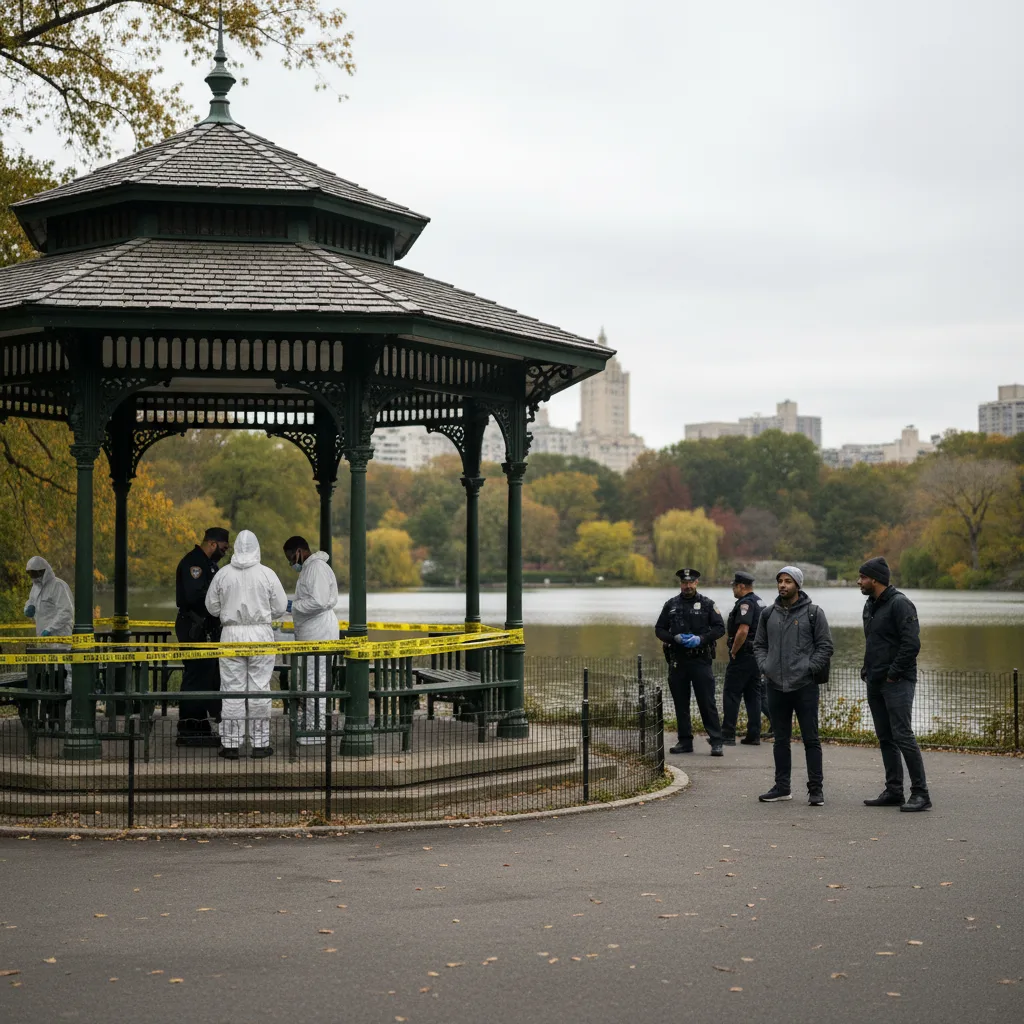
Central Park Woman Found Dead Near Boathouse Gazebo
A woman was found stabbed to death in a Central Park gazebo near the Boathouse on Sunday, prompting an active NYPD homicide investigation.
Queens Student Arrested for Bringing Gun to High School
A Queens student was arrested for bringing a gun to high school, prompting immediate law enforcement action and raising school safety concerns.
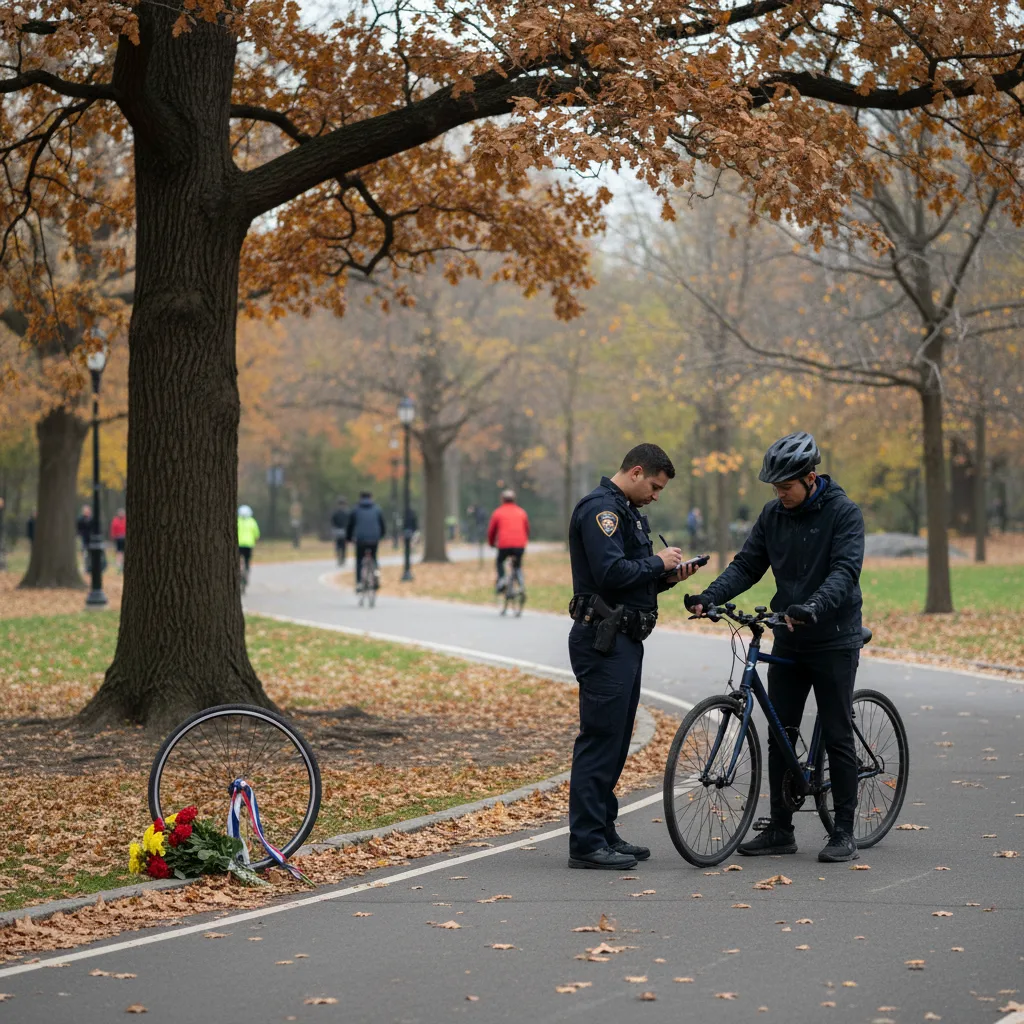
NYC Cyclist Death Prompts NYPD Ticketing Near Fatal Crash Site
NYPD stepped up cyclist ticketing near a recent fatal crash site in Central Park after a cyclist died Monday morning. Local groups demand safety reforms.
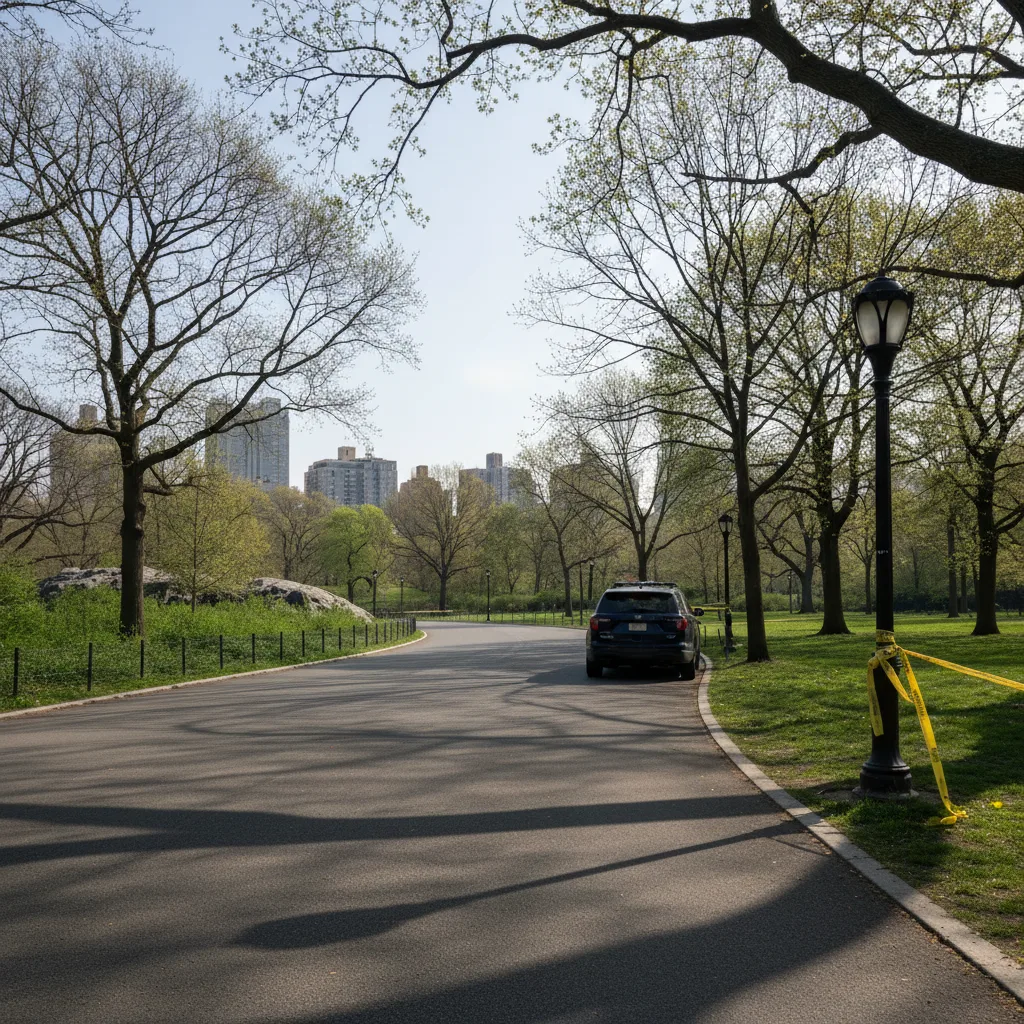
NYPD Confirms 71-Year-Old Cyclist Dies After Dog Collision in Central Park
NYPD confirms a 71-year-old cyclist died after colliding with a dog on Central Park's East Drive, near East 84th Street. The investigation is ongoing.
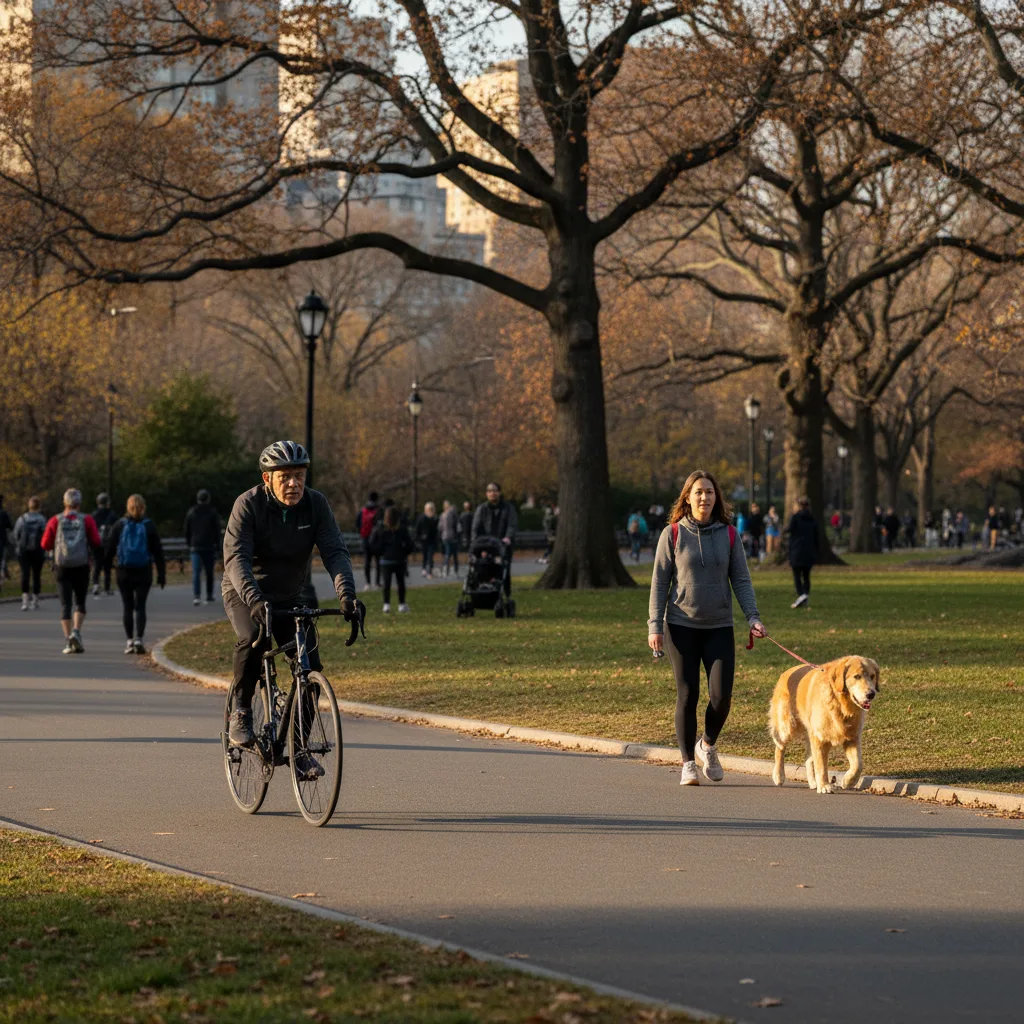
NYPD Investigates Central Park Cyclist Death After Dog Collision
NYPD confirms a 71-year-old cyclist died after colliding with a dog on Central Park's East Drive, near 84th Street. Investigation ongoing.
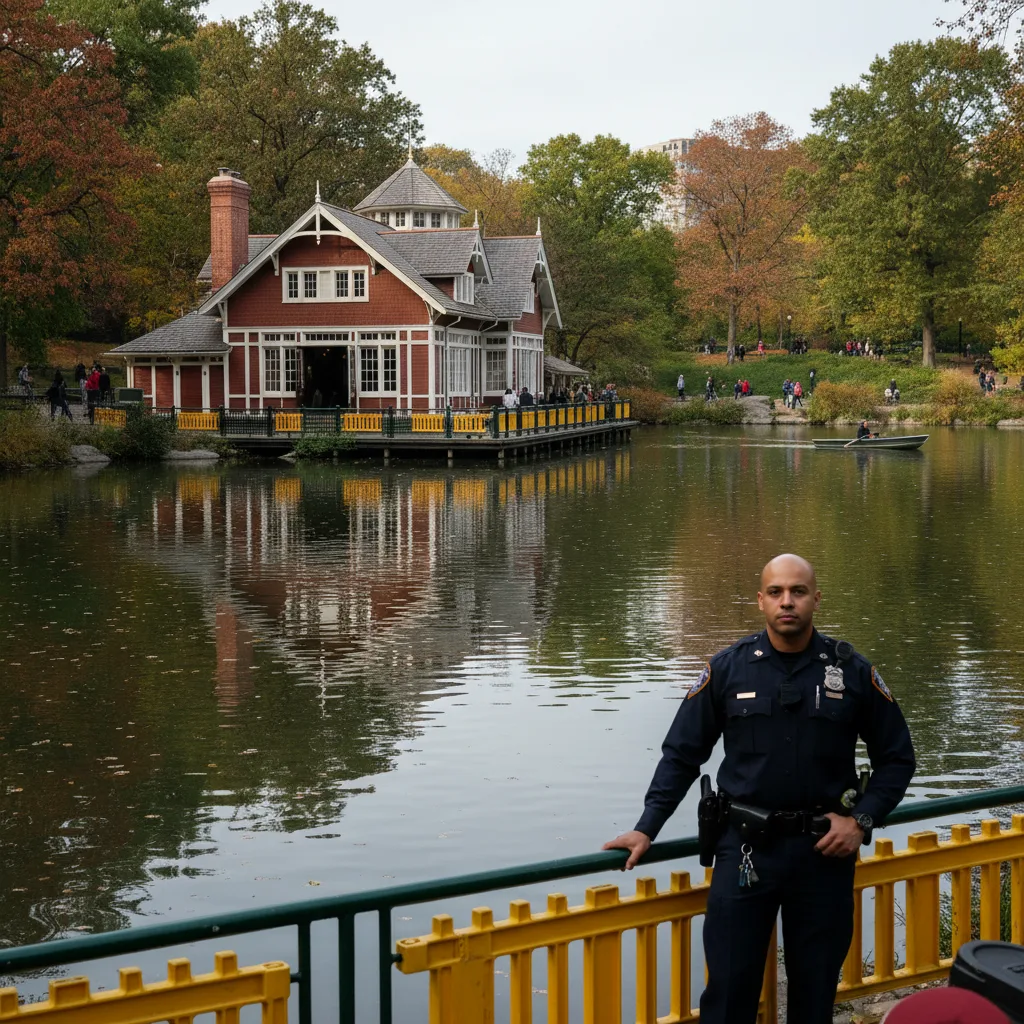
Man Charged in Central Park Beating Death of 63-Year-Old Woman
A 36-year-old man was charged with murder after a 63-year-old woman was found dead with head trauma in Central Park, NYPD confirmed.