


Central Park Cherry Blooms Peak Early, Draw Record Crowds
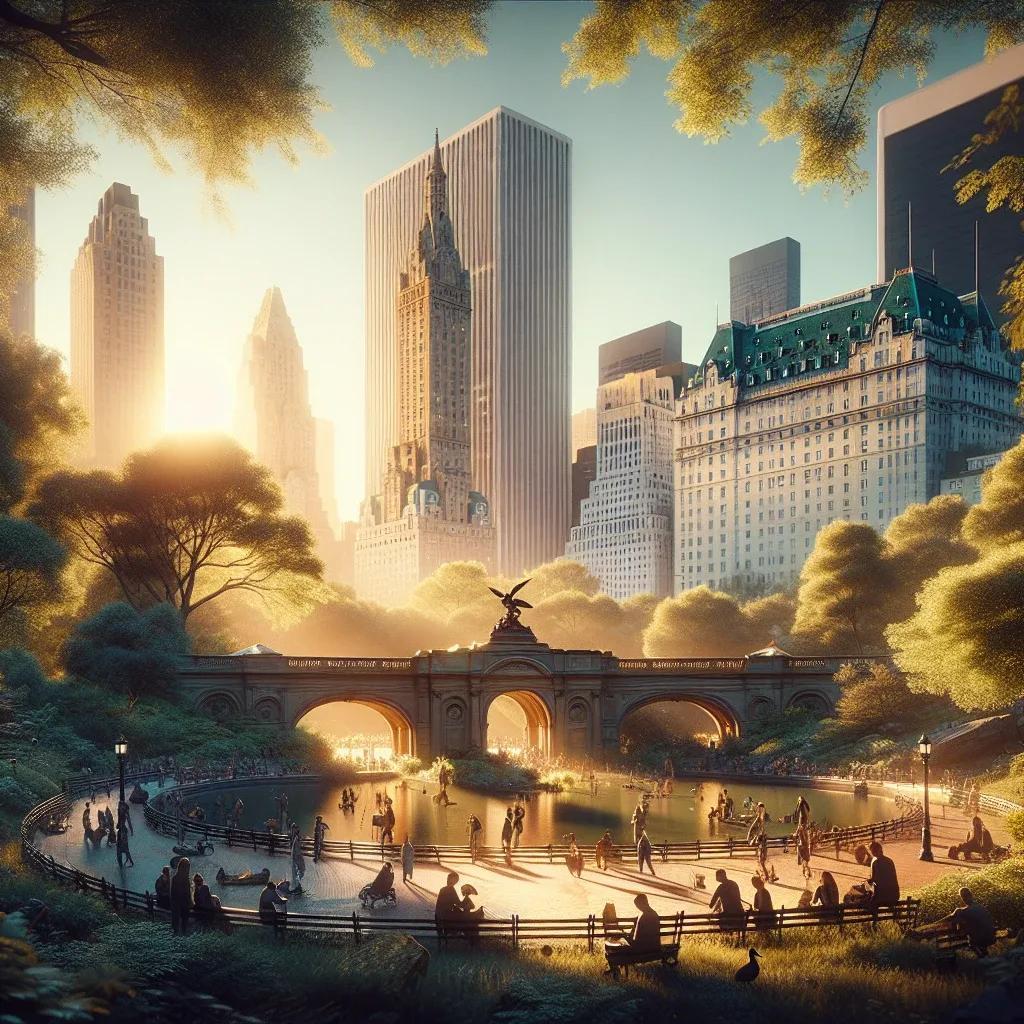
NEW YORK — Central Park's celebrated cherry blossom trees have burst into an early, spectacular bloom this spring, attracting unprecedented numbers of visitors to the iconic urban oasis. The unseasonably warm weather throughout March 2026 accelerated the natural cycle, pushing peak bloom dates several weeks ahead of historical averages.
Park officials noted a significant increase in daily visitors to popular viewing spots like the Conservatory Garden and Cherry Hill, especially during the last two weekends of March. Many New Yorkers and tourists alike are eager to capture the ephemeral beauty of the pink and white flowers, which are typically at their best in mid-April. This early display underscores a broader trend of shifting seasonal patterns observed across the region.
Unprecedented Early Bloom Causes Stir
The 2026 cherry blossom season officially began with the first visible buds in early March, according to the Central Park Conservancy's horticultural team. By the third week of March, a substantial portion of the park's Yoshino and Kwanzan cherry trees were already adorned with their characteristic delicate blossoms. This marks one of the earliest widespread blooms in the past decade, surprising even seasoned park naturalists.
Dr. Elaine Rossi, a senior botanist with the New York City Department of Parks & Recreation, explained the environmental factors at play. "The prolonged mild temperatures we experienced from late February into early March provided the exact conditions these trees needed to break dormancy ahead of schedule," Dr. Rossi stated in a press briefing on March 22nd. "While beautiful, such deviations from historical patterns can impact pollinators and later-blooming species."
Prime Viewing Locations and Visitor Impact
Central Park offers several picturesque locations to experience the cherry blossoms, each providing a distinct ambiance. Cherry Hill, near the 72nd Street entrance on the west side, is a popular destination known for its stunning Yoshino trees that drape over the hillside. The Loeb Boathouse area and the Bridle Path also offer splendid vistas, especially as the sunlight filters through the blooming canopies.
Another favored spot is the Conservatory Garden, located at 105th Street and Fifth Avenue, which features rows of Kwanzan cherry trees known for their fuller, more vibrant pink blossoms. Visitors arriving by the thousands have prompted the Central Park Conservancy to deploy additional staff to manage crowd flow and ensure the protection of the delicate trees. "We've seen an estimated 25-30% increase in foot traffic compared to previous early spring periods," reported Mark Jenkins, a spokesperson for the Conservancy, on March 28th. "It's a wonderful problem to have, but it necessitates careful management to preserve the park's serenity and natural elements."
Tracking the Blooms and Future Outlook
For those hoping to catch the tail end of the cherry blossom spectacle or plan future visits, several resources are available. CBS News reported on March 20th that residents can track the progress of blooms across the metropolitan area, including Central Park, through various online platforms and local news updates. The Central Park Conservancy also maintains a dedicated webpage with real-time bloom reports and photography tips.
While the Yoshino cherries are expected to fade by early April, the Kwanzan varieties typically follow shortly after, offering a second wave of color. Horticulturalists caution that the longevity of the blooms depends heavily on subsequent weather patterns, with strong winds or heavy rainfall capable of prematurely stripping the trees of their petals. The ongoing monitoring of these natural phenomena provides valuable data for climate change research and urban forestry management.
Community Engagement and Conservation Efforts
The early cherry blossom season has not only drawn crowds but also sparked renewed interest in Central Park's broader conservation efforts. Local advocacy groups and environmental organizations are using the opportunity to educate visitors about the importance of urban green spaces. The Central Park Conservancy hosts numerous volunteer events aimed at park maintenance and tree care throughout the year, encouraging community participation.
"The cherry blossoms are a powerful reminder of the delicate balance of nature within our city," noted Sarah Chen, director of the Friends of Central Park alliance, during a public outreach event at the East Green on March 25th. "Every visitor has a role in respecting the park's flora and fauna, ensuring these natural spectacles continue for generations. We encourage everyone to support Central Park preservation efforts through donations or volunteering."
FAQ: Understanding Central Park's Early Cherry Blooms
Why did the cherry blossoms bloom so early in 2026? The primary factor was an extended period of unseasonably warm weather during late February and early March. This accelerated the trees' natural development, causing them to flower weeks ahead of their typical schedule. The absence of late-season cold snaps allowed the buds to mature without interruption.
Which types of cherry trees are prominent in Central Park? Central Park is home to several varieties, with the most common being Yoshino and Kwanzan cherry trees. Yoshino cherries are known for their delicate, almost white blossoms, while Kwanzan trees produce denser, vibrant pink flowers. Both contribute significantly to the park's spring beauty.
Where are the best spots to view the cherry blossoms? Popular viewing locations include Cherry Hill near the 72nd Street entrance, the area around the Loeb Boathouse, and the Conservatory Garden at 105th Street and Fifth Avenue. These spots offer diverse photographic opportunities and a chance to immerse oneself in the floral displays.
How long do the cherry blossoms typically last once they bloom? Cherry blossoms are ephemeral, usually lasting for about one to two weeks once they reach peak bloom. Their longevity is highly dependent on weather conditions, with strong winds, heavy rain, or sudden temperature drops potentially shortening their display. The early bloom this year means their presence will be fleeting.
Does an early bloom have any ecological impact on the park? An early bloom can affect local ecology, particularly pollinator activity. Bees and other insects may emerge at different times than usual, potentially causing a mismatch with the availability of nectar and pollen. Park horticulturalists monitor these impacts closely to understand long-term implications for the park's ecosystem.
Related Articles
More in Wildlife & Nature →
Central Park Boathouse Bird Watching Tour Offers Educational Experience
Central Park Boathouse offers an educational bird watching tour, providing visitors an opportunity to observe avian species. This experience connects locals with nature, enhancing appreciation for park wildlife.
Central Park Event Calendar Features Climate Week Activities September 27
Central Park's event calendar for September 27, 2026, included a Climate Week-aligned "Journal, Meditation, + Bird Walk," promoting environmental awareness.
Wildlife Conservation Society Awards Lovejoy Prize at Central Park Zoo
Wildlife Conservation Society awards 2026 Thomas E. Lovejoy Prize today at Central Park Zoo during Climate Week in New York City.
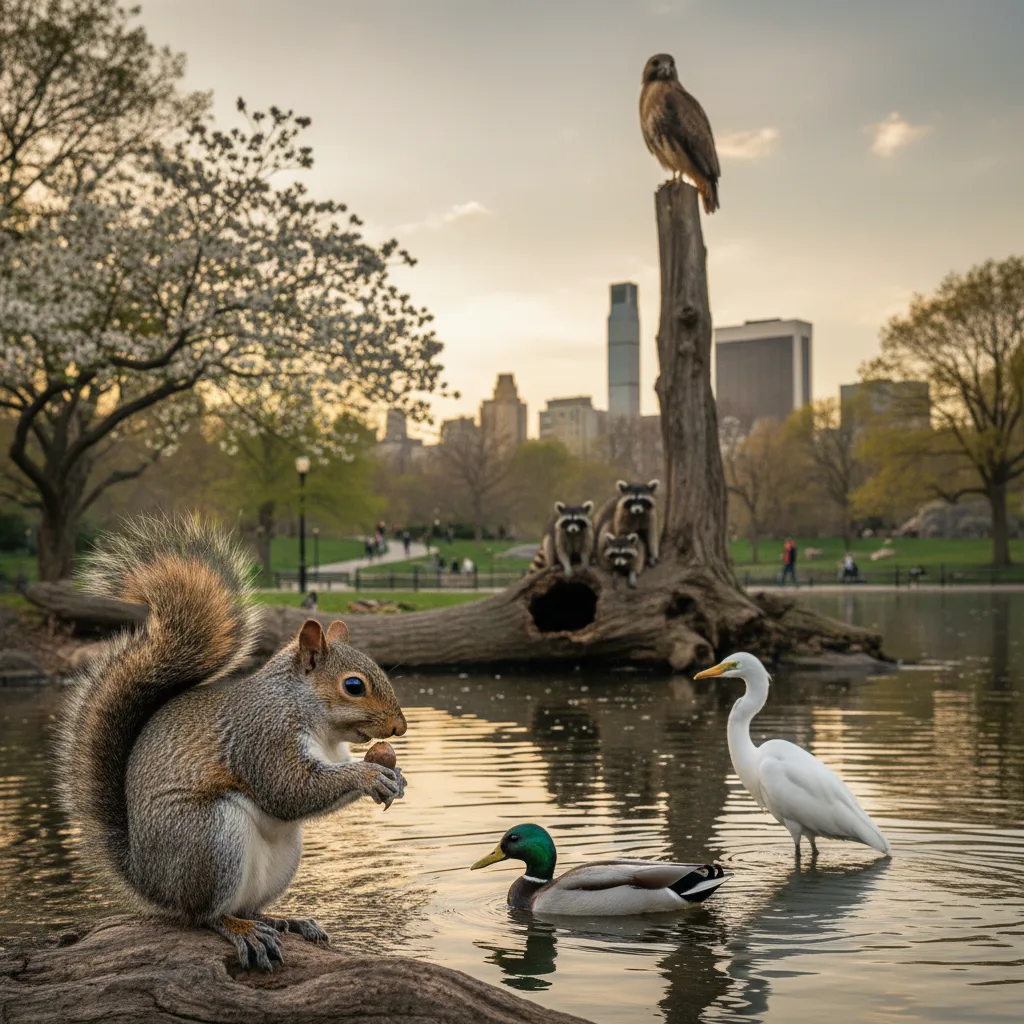
A Guide to Central Park's Wildlife: What to Know About the Park's Animals and Ecosystem
Discover the diverse Central Park wildlife, from birds and mammals to aquatic life. Learn responsible observation tips and conservation efforts for 2026.
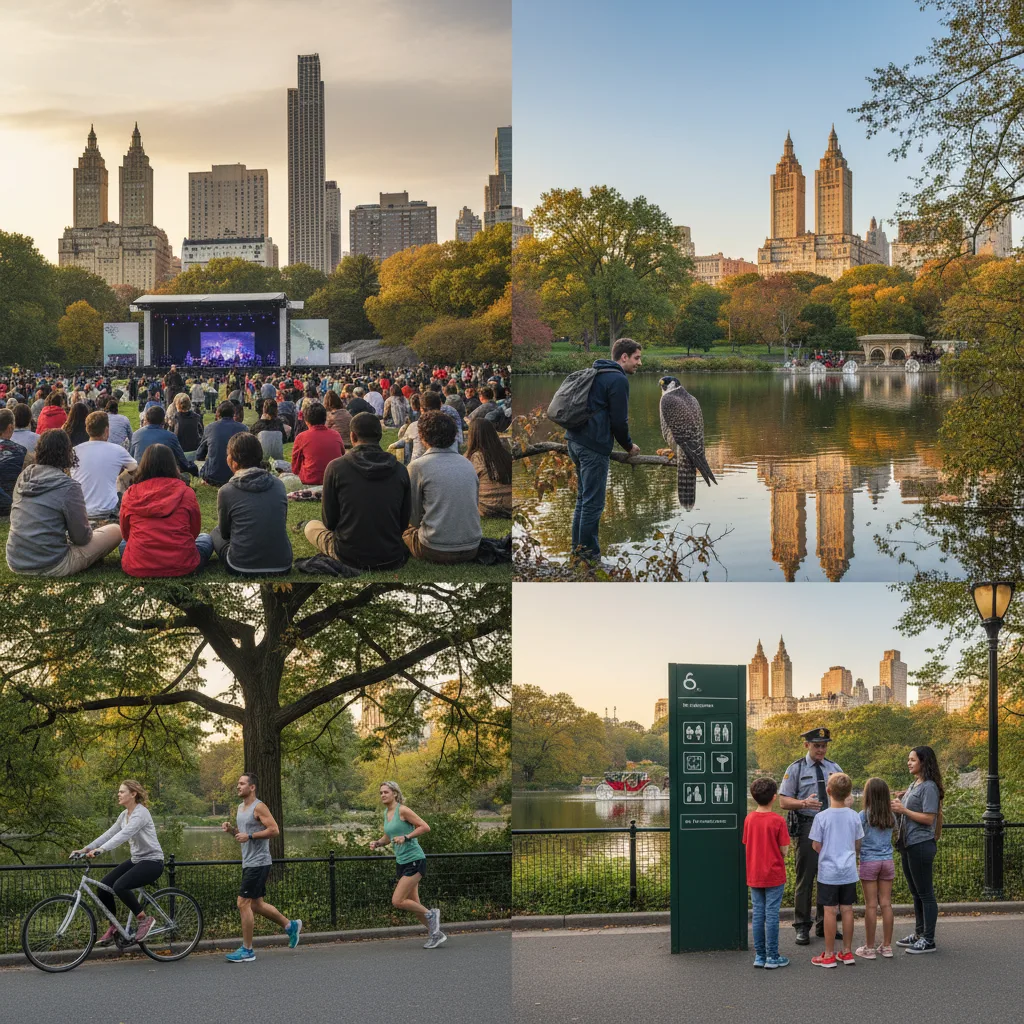
A Guide to Central Park's Top Activities and Best Things to Do in 2026
Discover the best things to do in Central Park, NYC, with our comprehensive 2026 guide to iconic landmarks, activities, and hidden gems for visitors.
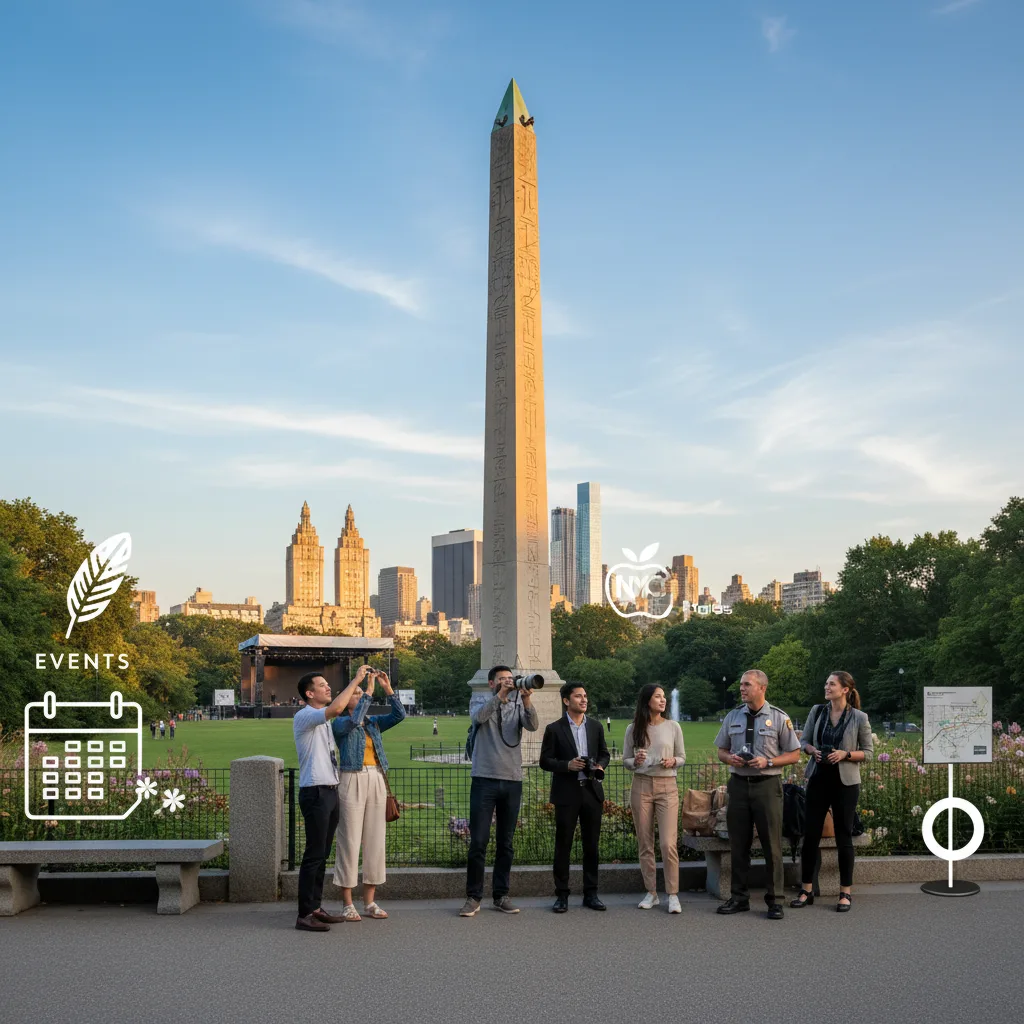
A Guide to What to Know About the Vatican Obelisk in Central Park 2026
Discover what to know about the Vatican Obelisk (Cleopatra's Needle) in Central Park, its history, journey to NYC, and where to find it in 2026.