


Central Park's Cherry Blossoms 2026 Peak Draws Enthusiastic Visitors
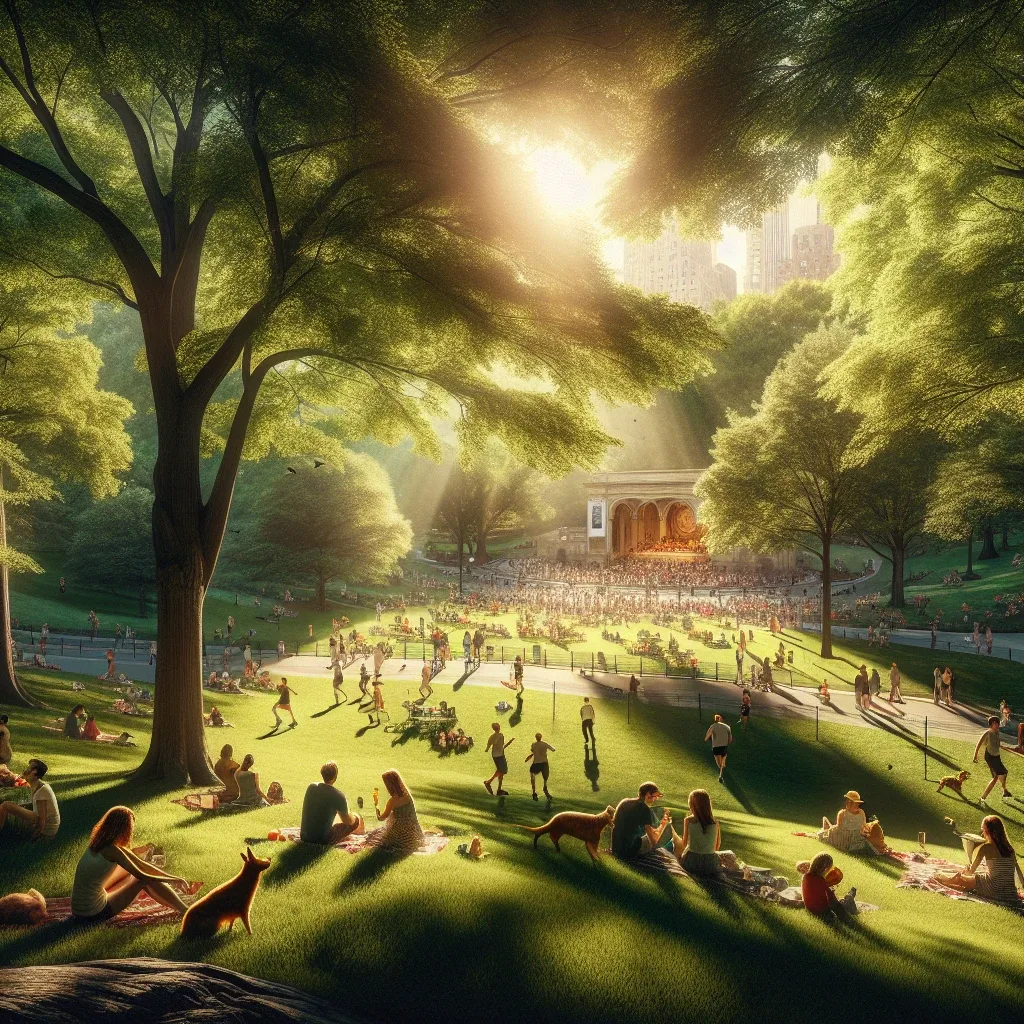
NEW YORK — “The serenity here is just unparalleled,” remarked Sarah Miller, a tourist from California, as she gazed at the delicate pink blooms swaying gently in the breeze. She spoke on April 22, 2026, from the heart of Central Park, where the cherry blossom trees reached their breathtaking peak, drawing thousands of enthusiastic visitors to experience one of New York City’s most cherished seasonal spectacles.
From Conservatory Water to the Bridal Path, and particularly around the famous Cherry Hill at 72nd Street, the park transformed into a living painting of soft pinks and whites. The fleeting beauty of these blossoms, a symbol of renewal, captivated onlookers who filled pathways with cameras and awe.
The Annual Bloom: A Natural Phenomenon
Central Park hosts several varieties of cherry trees, primarily Yoshino and Kwanzan. The Yoshino cherries, known for their abundant white-pink blossoms, are typically the first to flower, beginning in early April. The Kwanzan varieties, with their fuller, deeper pink petals, follow shortly after, usually peaking in mid-to-late April.
In 2026, the mild early spring temperatures accelerated the bloom, pushing both varieties to an impressive simultaneous peak. Horticulturists from the Central Park Conservancy confirmed that this year’s display was particularly dense and vibrant, exceeding expectations for blossom volume. The optimal viewing period spanned roughly two weeks, from April 15th to April 29th.
Dr. Anya Sharma, a botanist with the New York Botanical Garden, explained the conditions. “The sequence of cool nights and warm, sunny days in early spring was perfect for a synchronous and robust bloom across different cherry species,” Sharma told ABC World News, as part of a segment on New York’s spring beauty.
Key Viewing Locations and Visitor Hotspots
Visitors flocked to perennial favorites such as the Loeb Boathouse area, where cherry trees frame picturesque views of the lake. Similarly, Cherry Hill, located just west of Bethesda Terrace, proved to be a popular gathering spot for picnics and photography sessions.
Another beloved location is the Conservatory Garden at 105th Street and Fifth Avenue, which features its own stunning collection of cherry and crabapple trees, complementing its formal garden beds. The East Green and Pilgrim Hill also offered excellent vantage points for appreciating the widespread beauty of the blossoms.
Navigating the crowds required patience, especially on weekends, but the shared experience of witnessing such natural splendor fostered a festive and communal atmosphere. The Central Park Conservancy reported a significant uptick in visitor numbers during the peak bloom period, estimating daily attendance in the thousands across the park’s main cherry blossom viewing areas.
The Cultural Significance and Fleeting Beauty
The cherry blossom, or sakura, holds deep cultural significance, particularly in Japan, symbolizing the transient nature of life and beauty. This cultural resonance resonates with many New Yorkers and visitors, prompting moments of reflection amidst the city’s usual hustle.
Events such as impromptu photography workshops and artistic gatherings sprung up organically, celebrating the temporary transformation of the urban landscape. Local businesses, especially those near park entrances, reported a boom in sales, from coffee to picnic supplies, benefitting from the increased foot traffic.
“It’s more than just pretty flowers; it’s a reminder to appreciate the moment, because it won’t last,” said David Lee, an amateur photographer from Queens, as he packed up his equipment near the East 72nd Street entrance. His sentiment captured the essence of the cherry blossom viewing experience for many.
Beyond the Blossoms: Seasonal Attractions in Central Park
While the cherry blossoms command significant attention in spring, Central Park offers a year-round calendar of natural beauty and activities. The vibrant blooms of the Conservatory Garden in 2026 followed soon after, maintaining the park’s floral appeal.
As the cherry petals fall, making way for the lush greens of summer, the park continues its cycle of transformation. From Shakespeare in the Park to free concerts on the Great Lawn, the coming months promise a new array of attractions. The Central Park Conservancy continuously updates its calendar of events, ensuring there is always something new to discover.
This annual cycle underscores Central Park's role not just as a green space, but as a dynamic, living entity that reflects the changing seasons and the city’s vibrant cultural pulse. For more information on upcoming events and seasonal highlights, visit the Central Park news portal.
Frequently Asked Questions About Central Park Cherry Blossoms
When is the best time to see cherry blossoms in Central Park? The best time is typically mid-to-late April, but it can vary each year depending on weather conditions. Both the Yoshino and Kwanzan varieties usually peak within a two-week window. Where are the best places to view cherry blossoms in Central Park? Popular spots include Cherry Hill at 72nd Street, Conservatory Water, the area around Loeb Boathouse, the bridle path, and the Conservatory Garden at 105th Street. These locations offer dense concentrations of trees. What types of cherry trees are in Central Park? Central Park primarily features two main types: Yoshino cherry trees, known for their delicate white-pink flowers, and Kwanzan cherry trees, which have more vibrant, multi-petaled pink blooms. Can I picnic under the cherry trees? Yes, picnicking is permitted in designated grassy areas of Central Park, including near many cherry blossom viewing spots. Always remember to pack out everything you pack in to help keep the park clean and beautiful for everyone. Are guided tours available during cherry blossom season? While formal guided tours specifically for cherry blossoms might be limited, the Central Park Conservancy often offers seasonal tours that highlight spring blooms, including cherry trees. Check their official website for schedules and availability closer to spring.
Related Articles
More in Visitor Guide →
A Guide to Central Park's Top Activities and Best Things to Do in 2026
Discover the best things to do in Central Park, NYC, with our comprehensive 2026 guide to iconic landmarks, activities, and hidden gems for visitors.
A Guide to What to Know About the Vatican Obelisk in Central Park 2026
Discover what to know about the Vatican Obelisk (Cleopatra's Needle) in Central Park, its history, journey to NYC, and where to find it in 2026.
A Complete Guide to the Central Park Reservoir: What to Know Before You Visit
Discover everything you need to know about the Central Park Reservoir: its history, running track, wildlife, best views, and visitor tips for 2026.
A Guide to Central Park's Top 5 Pizzerias: The Best Slices Near You in NYC
Discover the top 5 pizzerias near Central Park, NYC. This guide helps you find the best slices, from historic institutions to modern favorites.

Central Park Offers Daily Public Access From 6 AM to 1 AM
Central Park maintains extensive daily public access from 6:00 am to 1:00 am, offering a continuous urban sanctuary for millions of visitors.
Central Park Conservancy Updates Calendar with Fall Foliage Trackers
The Central Park Conservancy has updated its calendar with fall foliage trackers and seasonal activities, guiding visitors to experience the park's autumn beauty and diverse offerings. The new resources aim to enhance planning for iconic views and events.