


Central Park: Cherry Blossoms Begin Peak Bloom, Drawing Spring Visitors

NEW YORK — Central Park's iconic cherry blossoms have officially entered their peak blooming period, transforming various sections of the park into a stunning tableau of pink and white. Visitors are flocking to popular spots like the Conservatory Garden and the East Green to witness the fleeting spectacle. The Central Park Conservancy confirmed on Monday, April 13, 2026, that favorable weather conditions have accelerated the bloom, creating an earlier-than-anticipated burst of color. This annual natural event inspires New Yorkers and tourists alike to slow down and appreciate spring's beauty.
The delicate blossoms, primarily from Kwanzan and Yoshino cherry trees, are expected to remain at their prime for approximately one to two weeks, weather permitting. This narrow window of opportunity draws crowds eager to photograph the vibrant trees and enjoy leisurely strolls beneath their floral canopies. Local businesses around the park are already reporting an uptick in foot traffic, benefiting from the influx of blossom enthusiasts.
Prime Locations for Blossom Viewing
Several key locations within Central Park offer the most spectacular views of the cherry blossoms. The East Green, situated near the Metropolitan Museum of Art, is renowned for its Yoshino cherry trees, which display a soft, ethereal white hue. Farther north, the Conservatory Garden's Crabapple Allee, though not exclusively cherry trees, offers a magnificent display, and its wisteria pergola is also starting to show signs of life. The trees around the Jacqueline Kennedy Onassis Reservoir provide a stunning backdrop against the city skyline, attracting joggers and photographers.
Another beloved spot is Cherry Hill, located west of Bethesda Terrace, offering a mix of cherry varieties that create a layered visual effect. “The Kwanzan cherries at Cherry Hill are simply breathtaking this year,” remarked Dr. Lena Hansen, a horticulturalist with the Central Park Conservancy. She noted that “the recent warm spell followed by mild days has been perfect for a robust and vibrant bloom.” Many visitors spend hours picnicking and relaxing beneath the flowering branches.
The Science Behind the Spectacle
The timing and intensity of Central Park's cherry blossom bloom are heavily influenced by environmental factors. Warmer temperatures in late winter and early spring typically lead to earlier blooms. Conversely, prolonged cold snaps can delay the onset of flowering. The trees, primarily Japanese imports, are sensitive to these climatic shifts. The delicate petals are also vulnerable to strong winds and heavy rainfall, which can prematurely end the display.
Experts at the Central Park Conservancy meticulously monitor weather patterns and tree development to predict peak bloom times. This scientific approach helps the Conservancy effectively manage visitor expectations and resources. They often provide updates on their website and social media channels. Understanding these natural processes underscores the ephemeral beauty of the cherry blossoms, making each season's display unique.
Impact on Local Tourism and Economy
The annual cherry blossom display is a significant draw for tourism, both local and international. Hotels, restaurants, and shops surrounding Central Park experience a notable boost in business during this period. Visitors often combine their park excursion with visits to nearby cultural institutions and dining establishments. The economic ripple effect extends beyond the immediate vicinity of the park.
“The cherry blossoms are a huge boon for our business every spring,” said Michael Giancola, owner of a cafe on Columbus Avenue. He told reporters, “We see families, couples, and tour groups coming through, all excited to see the park. It’s a wonderful time of year for everyone.” The visual appeal of the blossoms provides a unique seasonal attraction, distinguishing Central Park's spring offerings. Tourism generates considerable revenue for the city, and events like the cherry blossom bloom are integral to that.
Preserving Central Park's Floral Heritage
The Central Park Conservancy plays a crucial role in maintaining the health and beauty of the park’s cherry trees. Through careful horticultural practices, including pruning, pest control, and soil management, the Conservancy ensures the longevity of these beloved trees. These efforts are part of a broader commitment to preserving the park's diverse botanical collections for future generations. The organization relies heavily on donations and volunteer work to sustain its extensive operations.
Visitors can support these preservation efforts by staying on designated paths, refraining from climbing trees, and disposing of waste properly. Respecting the natural environment is key to ensuring the cherry blossoms continue to thrive. For more information on the park's flora and conservation initiatives, interested individuals can visit the seasonal flora in Central Park section of the Conservancy's website. The Central Park Conservancy remains dedicated to maintaining the aesthetic and ecological value of the park.
Frequently Asked Questions About Central Park Cherry Blossoms
When is the best time to see cherry blossoms in Central Park? The best time is typically late March to early May, but peak bloom can vary by several weeks depending on weather conditions each year. It’s best to check the Central Park Conservancy’s website for current updates.
What types of cherry trees are in Central Park? The most common types are Yoshino (white to pale pink) and Kwanzan (darker pink, double petals). There are also other varieties like the Okame cherry.
Where are the main locations for cherry blossom viewing? Key spots include the East Green, Cherry Hill, Conservatory Garden, and around the Jacqueline Kennedy Onassis Reservoir. Each area offers a unique viewing experience.
How long do the cherry blossoms last once they bloom? Cherry blossoms are ephemeral; their peak bloom typically lasts for one to two weeks. Strong winds or heavy rain can shorten this period.
Can I picnic under the cherry trees? Yes, picnicking is generally allowed in many grassy areas of Central Park, including near cherry blossom viewing spots. Visitors are reminded to clean up all their trash and leave no trace.
Related Articles
More in Park Events →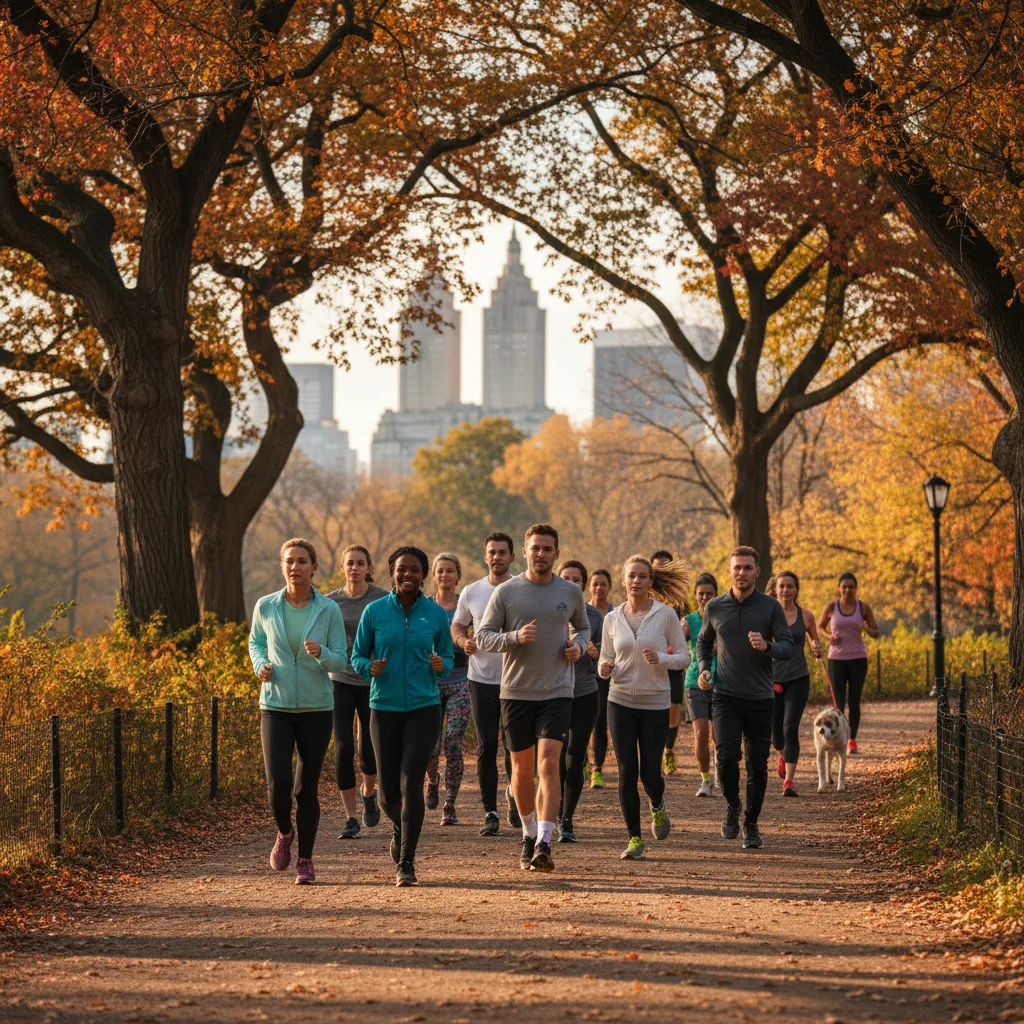
Central Park Lists José Julián Martí Run, Judith Wolfe Program October 7, 2026
Central Park highlights two key events for October 7, 2026: a José Julián Martí fitness run and a Judith Wolfe Kids & Family program, enriching park activities.
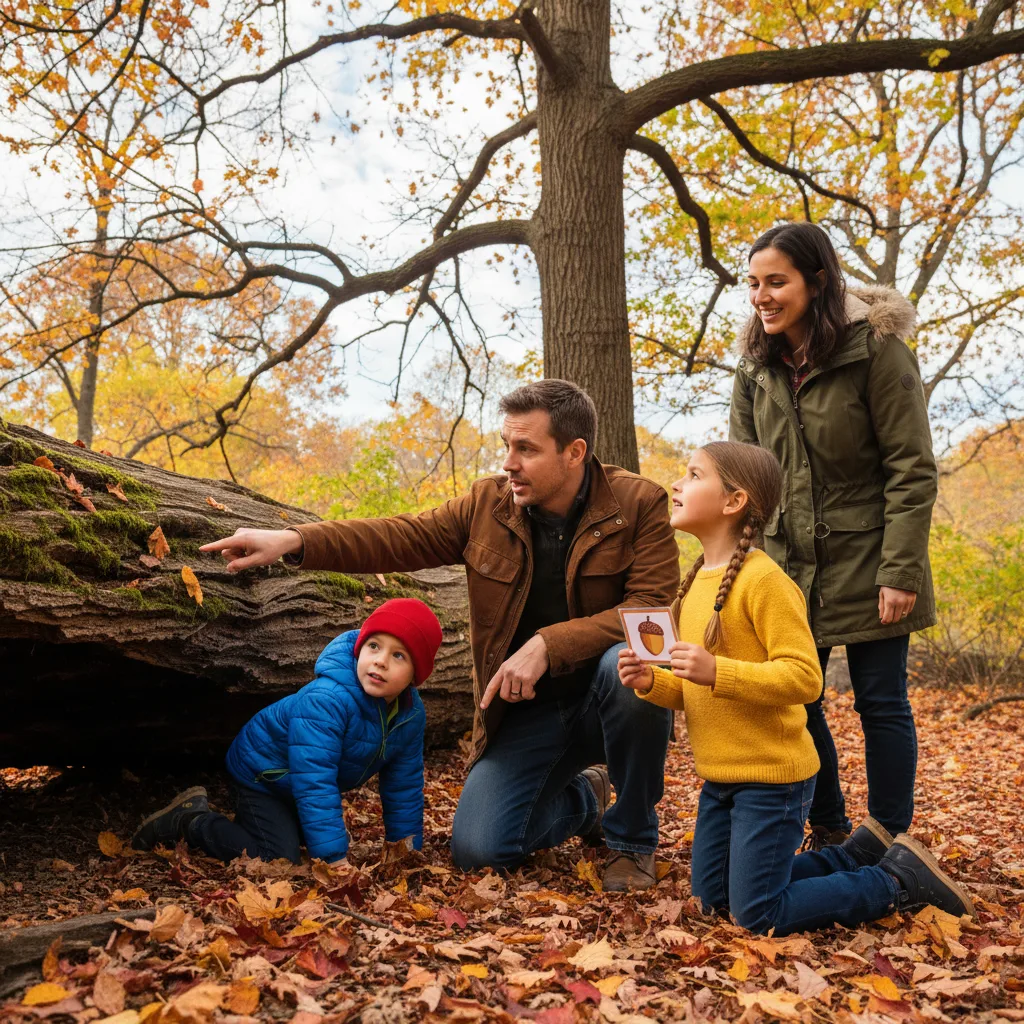
Central Park Celebrates October 2026 with Fall Foliage and Family Fun
Central Park offers a robust October 2026 calendar, featuring the new "Wonder in the Woods" family scavenger hunt on Oct 3 and the Film Festival Oct 6-9. Discover fall foliage and diverse events.
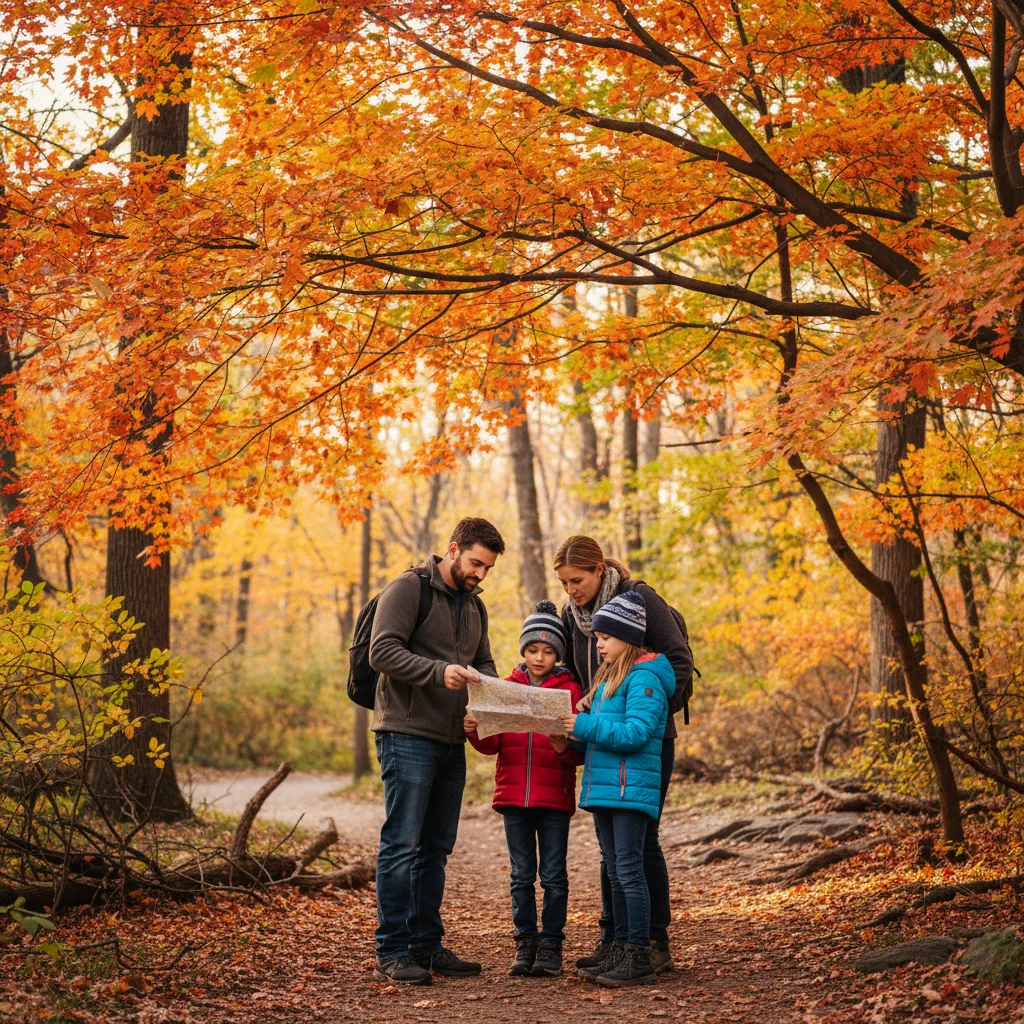
Central Park Conservancy Announces Wonder in the Woods Family Event
Central Park Conservancy announced "Wonder in the Woods," a free family scavenger hunt in the North Woods on October 3, 2026. This event connects locals with nature, offering a unique fall park experience for all ages.
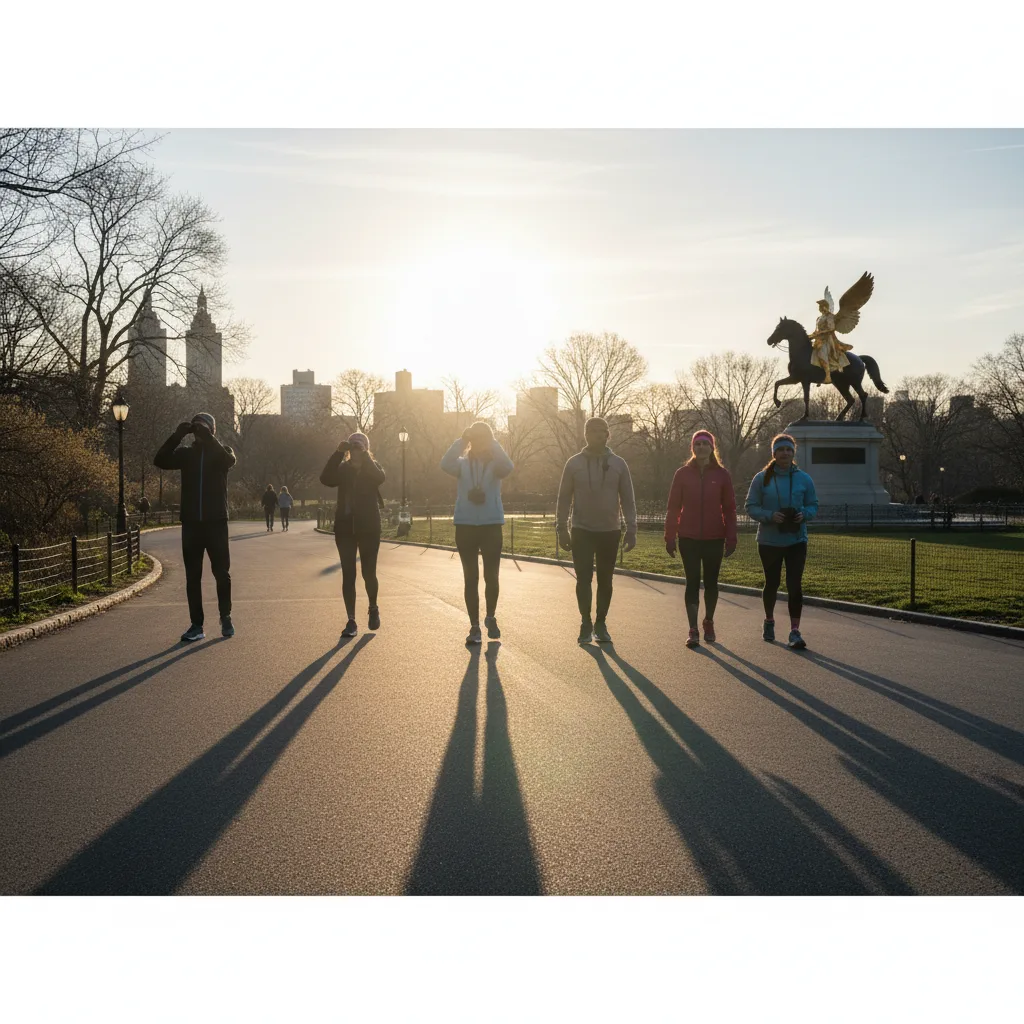
Central Park Boathouse Offers Sunrise Wellness Walk October 3, 2026
CentralPark.com highlights a Sunrise Wellness Walk and bird watching tour at the Boathouse on October 3, 2026. This offers locals a unique way to start their day, connecting with nature and fitness in the park.
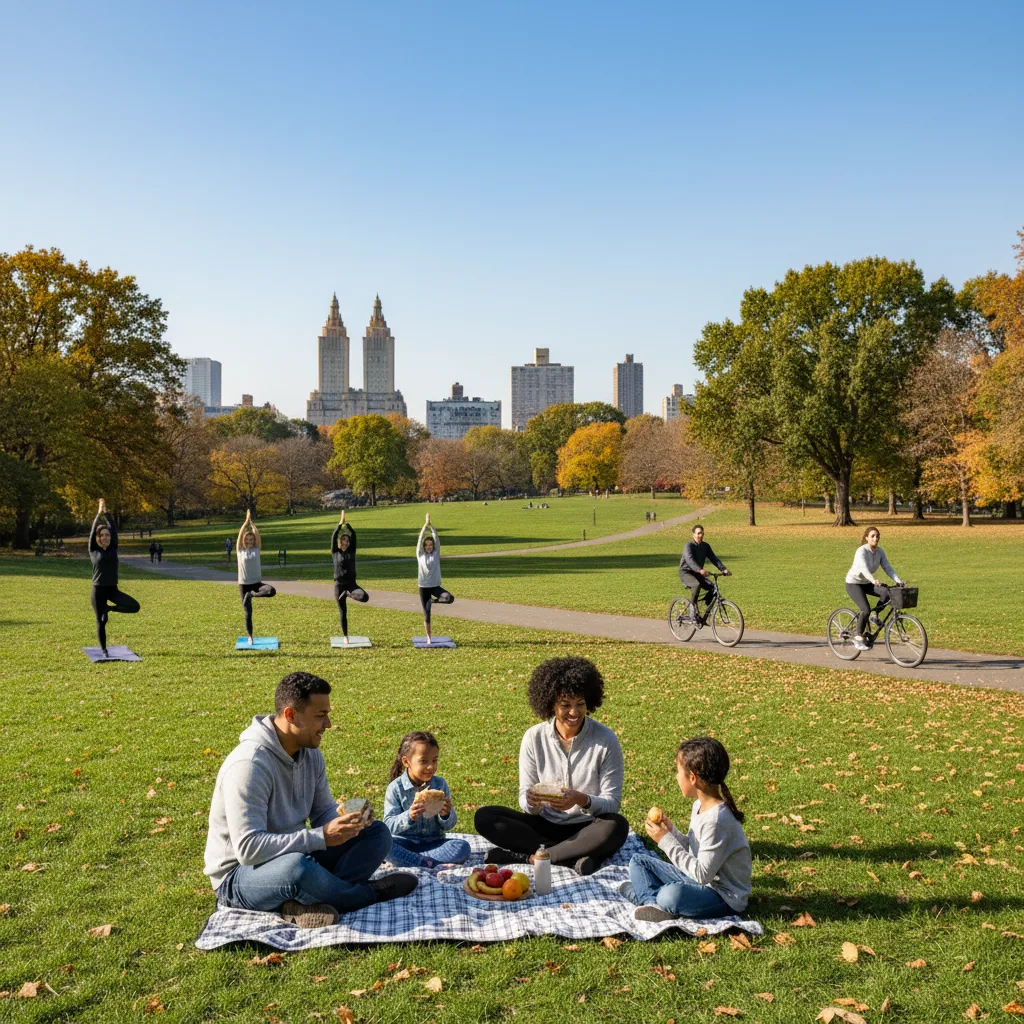
Patch Calendar Confirms Central Park Events for October 2, 2026
Patch's Central Park calendar confirms a diverse schedule of Central Park events for October 2, 2026. This resource helps locals plan their day in the park.
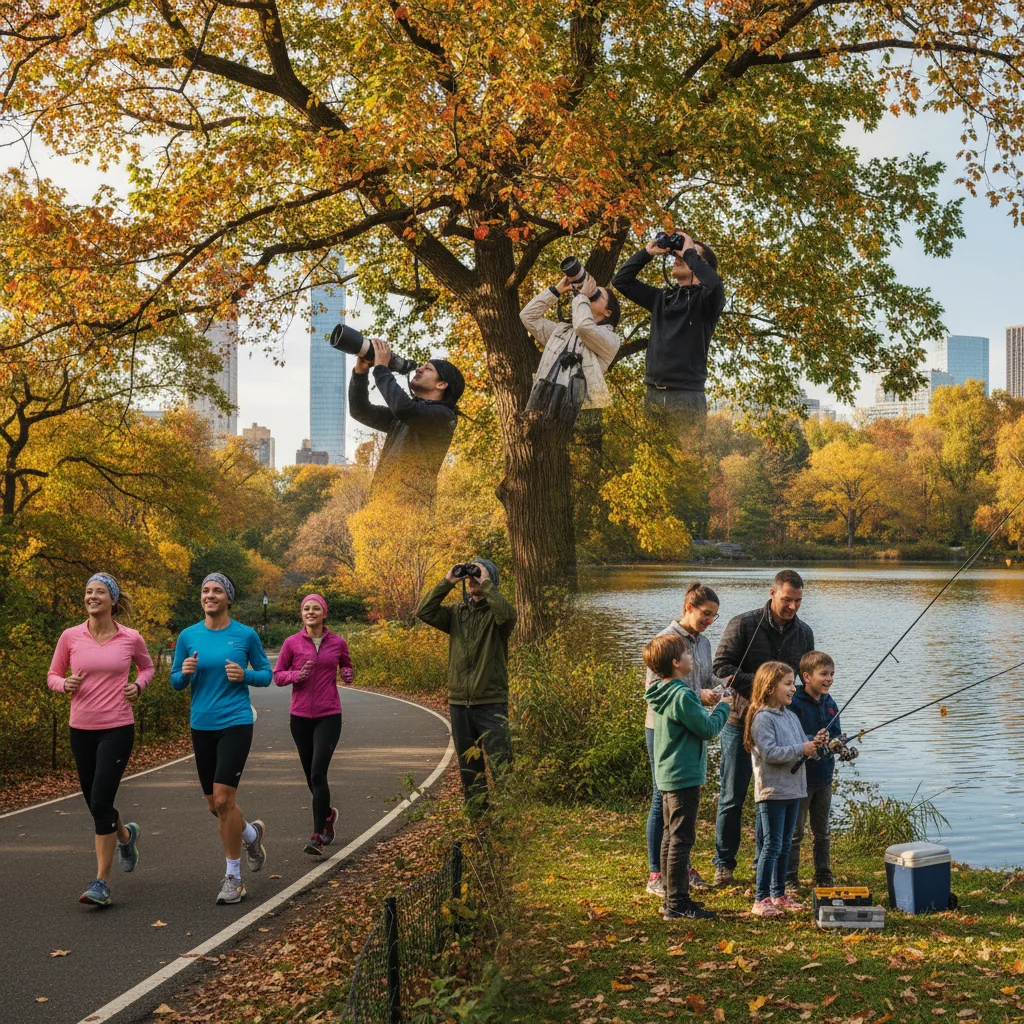
Central Park Visitors Experience Diverse Activities October 2, 2026
Central Park visitors can choose from diverse activities on October 2, 2026, including bird watching, running tours, and zoo events. A festival is also happening.