


Central Park Cherry Blossoms Reach Peak Bloom April 1, 2026

NEW YORK — Central Park’s beloved cherry blossoms reached their anticipated peak bloom on April 1, 2026, transforming key areas of the park into breathtaking canvases of pink and white. Horticulturalists from the Central Park Conservancy confirmed that both the early-blooming Yoshino and the later-flowering Kwanzan varieties coincided in their spectacular display this year, a slightly earlier peak than the previous five-year average. This annual natural spectacle draws millions of visitors, making it a pivotal spring event for the city.
This year’s synchronized peak, primarily driven by a mild late-winter and early-spring, allowed for an extended period of viewing pleasure across the park's 843 acres. Experts noted that such widespread, simultaneous blooming is relatively uncommon. It offered an unparalleled opportunity for New Yorkers and tourists to witness the full glory of these iconic trees. The burst of color brought a vibrant energy to the typically green landscape.
Early Peak Driven by Favorable Weather Conditions
The Central Park Conservancy’s tree care specialists attributed the early and synchronized peak bloom to a combination of factors. A milder-than-average January and February, followed by consistent warm temperatures in March, accelerated the trees' development. The official peak bloom date, defined when 70% of the tree's blossoms are open, fell squarely on the first day of April, a date widely shared on social media and local news channels.
Dr. Anya Sharma, lead arborist for the Central Park Conservancy, explained the phenomenon. "While we always anticipate an early April bloom, the extent of the Yoshino and Kwanzan overlap this year is truly magnificent," Sharma told local reporters from ABC News. "The consistent warmth prevented late frosts from damaging buds, allowing for this glorious display to unfold exactly as it did." This year’s bloom serves as a benchmark for future seasons.
Specific areas, including Cherry Hill and the eastern side of the Reservoir, displayed an abundance of the delicate Yoshino blossoms. Further south, the double-flowered Kwanzan cherry trees near the Conservatory Water and the Bethesda Terrace showcased their more vibrant pink hues, offering a rich contrast. The visual impact across these distinct sections of the park was stunning.
Prime Viewing Locations and Visitor Experience
Central Park offers several premier spots to experience the cherry blossom spectacle, attracting throngs of photographers and nature enthusiasts. The most popular locations for the Yoshino variety (Prunus x yedoensis) are found along the pathways surrounding the Reservoir, providing a picturesque backdrop against the Manhattan skyline. Early morning visits often yield the best photo opportunities, minimizing crowds.
For the more flamboyant Kwanzan cherry trees (Prunus serrulata 'Kwanzan'), visitors flock to the area north of the Bethesda Terrace and the pathway leading towards the Loeb Boathouse. Here, the larger, deeper pink blooms create dense canopies. These spots become vibrant hubs of activity during the peak season, reflecting the local color of spring in New York City. The air is often filled with a gentle hum of conversation and the clicks of cameras.
Park rangers reported managing larger-than-usual crowds, especially during weekend afternoons, but confirmed that visitors largely adhered to guidelines regarding protecting the delicate flowers. Many visitors were observed respectfully taking photos from a distance, contributing to the preservation of the trees. The Central Park Conservancy encourages all visitors to respect the natural environment by staying on designated paths. For an immersive experience, consider a stroll from the East 72nd Street entrance towards the Central Park Lake, where you can often see both varieties.
Horticultural Significance and Conservation Efforts
The cherry trees in Central Park are not merely ornamental; they represent a significant horticultural legacy and require ongoing care. Many of the original Yoshino trees were a gift from Japan in the early 20th century, symbolizing friendship. The Central Park Conservancy invests substantial resources in their health, including meticulous pruning, disease monitoring, and soil enrichment programs.
This year, a new data-driven monitoring system was implemented, allowing arborists to track individual tree health more precisely. This system analyzes factors like nutrient levels, hydration, and pest presence, enabling proactive interventions. The data collected from this program will inform future planting and care strategies, ensuring the longevity of these cherished trees. These efforts are crucial for the park’s biodiversity.
According to the Conservancy's 2025 Annual Report, over $200,000 was specifically allocated to cherry tree maintenance. This ensures these historical and beautiful specimens continue to thrive for future generations. The care provided by dedicated staff underpins the annual spectacle. For more information on the park's tree inventory and conservation efforts, visitors can explore the Central Park Conservancy website, which provides extensive details on their horticulture programs.
Cultural Impact and Spring Traditions
Central Park's cherry blossoms hold profound cultural significance, inspiring artists, poets, and countless residents. Their annual bloom marks a true awakening of the city after winter, symbolizing renewal and transient beauty. This sentiment is deeply ingrained in New York's spring traditions, drawing diverse crowds from all five boroughs and beyond.
Local businesses around the park, particularly florists and cafes, often see a surge in activity during the peak bloom period. Many establishments offer cherry blossom-themed products, from pastries to commemorative items, reflecting the pervasive influence of the natural phenomenon. This vibrant period brings a noticeable economic boost to the surrounding neighborhoods.
The widespread media coverage, including live broadcasts and social media trends, amplifies the excitement, making the bloom a shared communal experience. This connection to nature in the heart of a bustling metropolis provides a much-needed moment of reflection and beauty for millions. The fleeting nature of the blossoms only enhances their appeal, reminding everyone to appreciate the moment.
Frequently Asked Questions About Central Park Cherry Blossoms
When is the best time to visit Central Park to see the cherry blossoms? In 2026, the peak bloom was confirmed for April 1st. Generally, the best time to visit is in early to mid-April, though the exact timing can vary year-to-year depending on weather conditions. It's advisable to check the Central Park Conservancy's bloom tracker or local news outlets in late March for the most accurate predictions each spring. The bloom typically lasts for about one to two weeks once it reaches its peak.
What types of cherry trees are in Central Park? Central Park primarily features two main varieties of cherry trees: the Yoshino cherry (Prunus x yedoensis), known for its delicate white to light pink single flowers, and the Kwanzan cherry (Prunus serrulata 'Kwanzan'), which boasts larger, showier double pink blossoms. Each variety offers a distinct aesthetic experience, contributing to the park's diverse spring display. Other lesser-known varieties can also be found in smaller numbers.
Are there any special events or tours related to the cherry blossoms? Each spring, the Central Park Conservancy often hosts guided walking tours that highlight the cherry blossom locations and provide historical and horticultural insights. Local photography groups also organize meetups during peak bloom. It’s recommended to check the official Central Park Conservancy website in late March for a schedule of any special events or tours coinciding with the blossom season. These events enhance the visitor experience and educate participants about the trees.
Related Articles
More in Wildlife & Nature →
Central Park Boathouse Bird Watching Tour Offers Educational Experience
Central Park Boathouse offers an educational bird watching tour, providing visitors an opportunity to observe avian species. This experience connects locals with nature, enhancing appreciation for park wildlife.
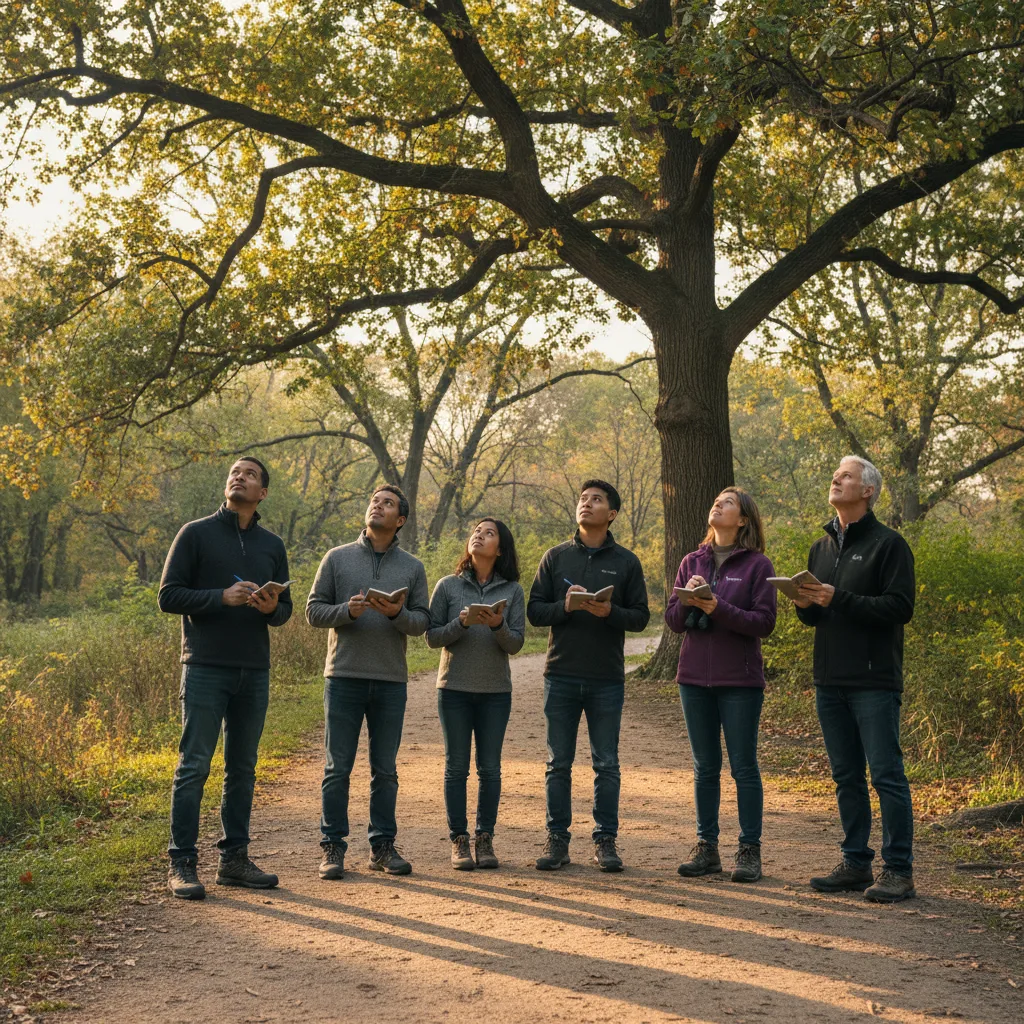
Central Park Event Calendar Features Climate Week Activities September 27
Central Park's event calendar for September 27, 2026, included a Climate Week-aligned "Journal, Meditation, + Bird Walk," promoting environmental awareness.
Wildlife Conservation Society Awards Lovejoy Prize at Central Park Zoo
Wildlife Conservation Society awards 2026 Thomas E. Lovejoy Prize today at Central Park Zoo during Climate Week in New York City.
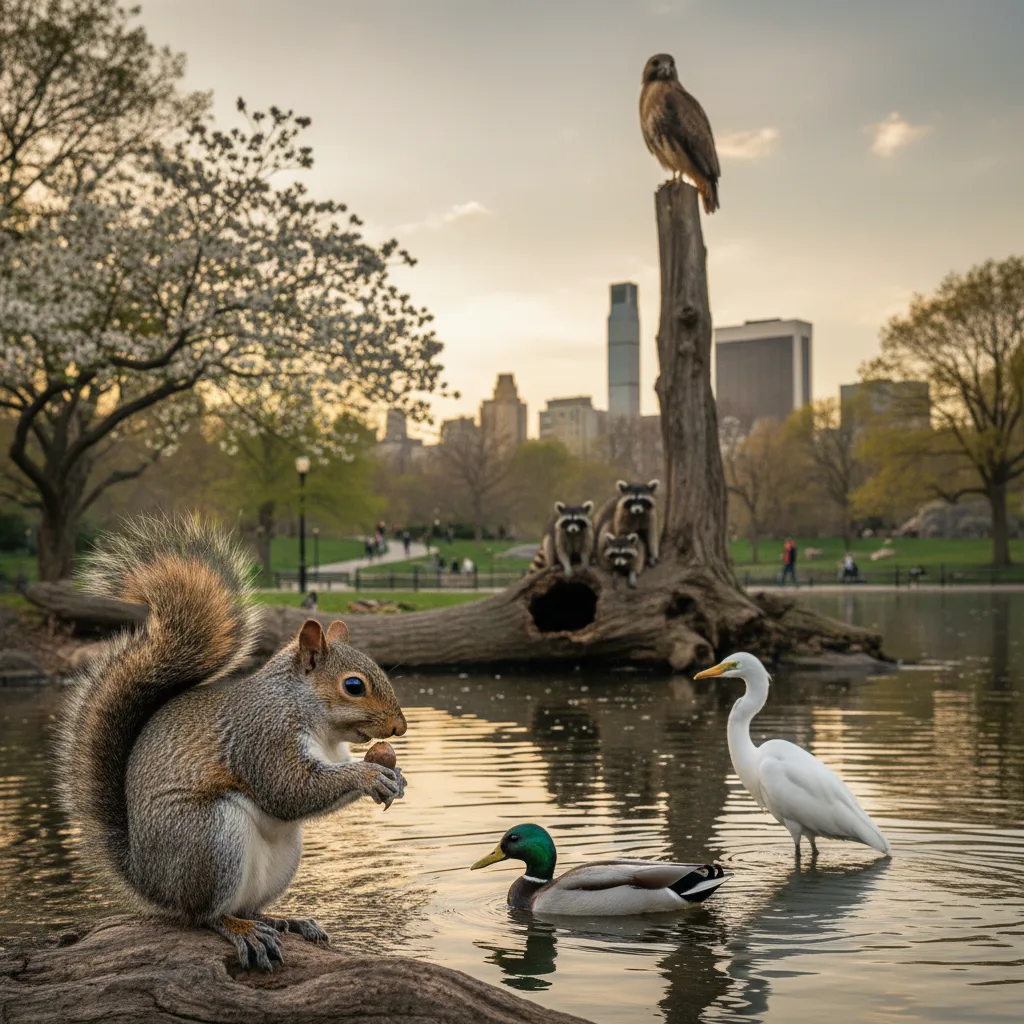
A Guide to Central Park's Wildlife: What to Know About the Park's Animals and Ecosystem
Discover the diverse Central Park wildlife, from birds and mammals to aquatic life. Learn responsible observation tips and conservation efforts for 2026.
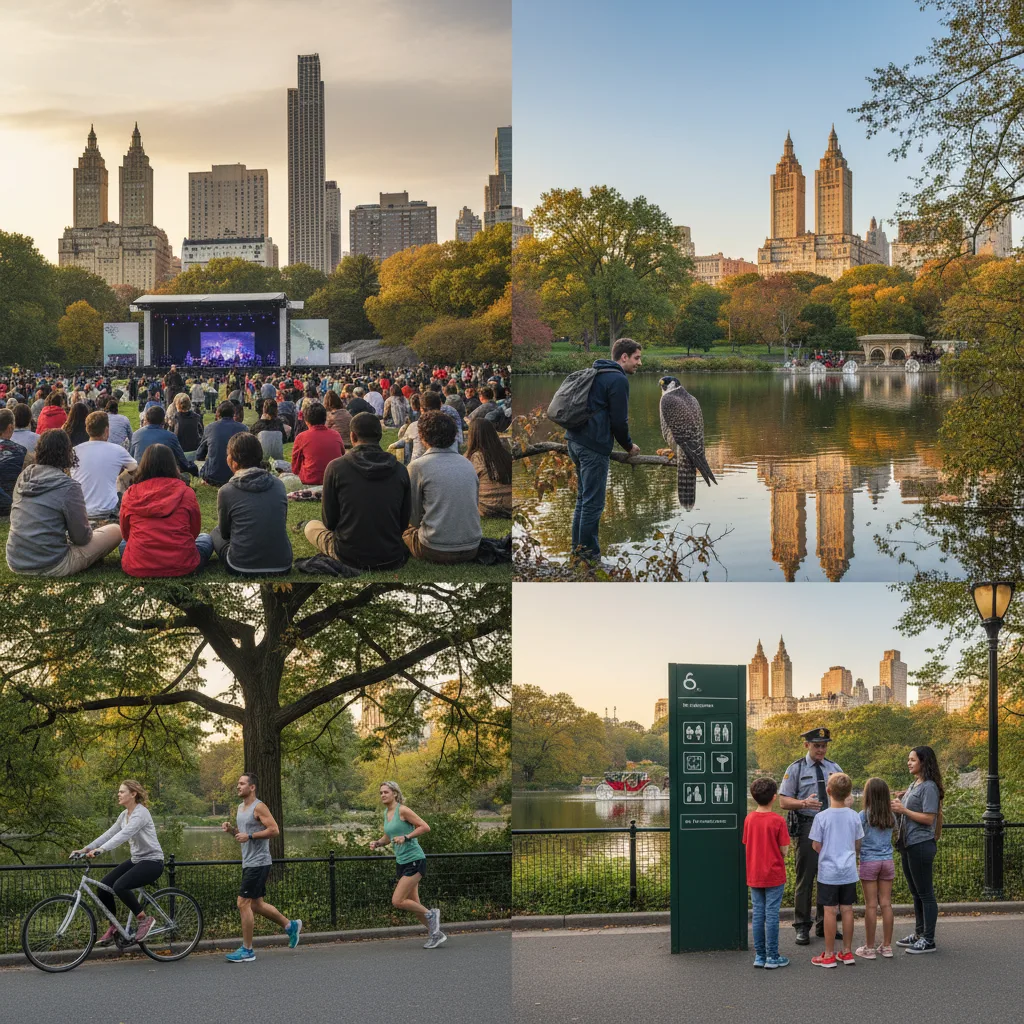
A Guide to Central Park's Top Activities and Best Things to Do in 2026
Discover the best things to do in Central Park, NYC, with our comprehensive 2026 guide to iconic landmarks, activities, and hidden gems for visitors.
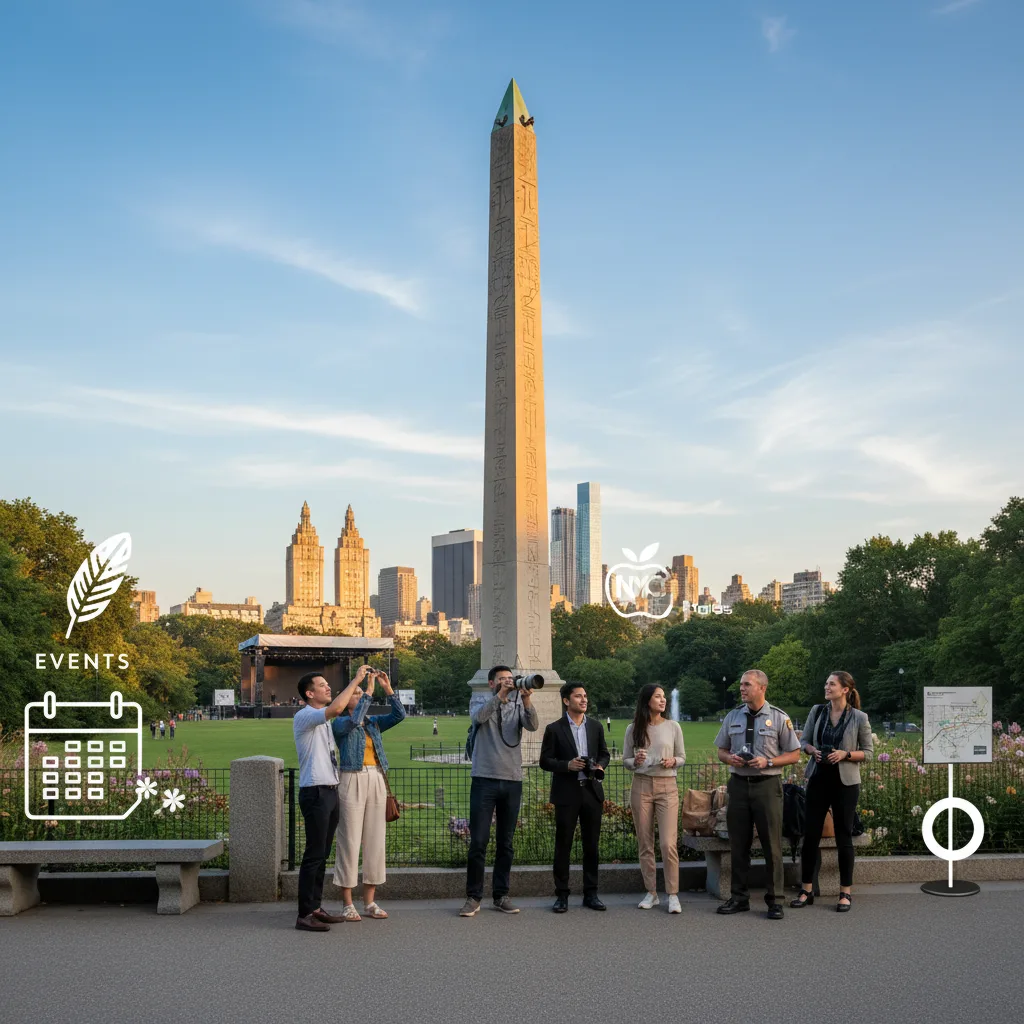
A Guide to What to Know About the Vatican Obelisk in Central Park 2026
Discover what to know about the Vatican Obelisk (Cleopatra's Needle) in Central Park, its history, journey to NYC, and where to find it in 2026.