


Central Park Visitors Face Flooding, Erosion as Climate Impacts Increase
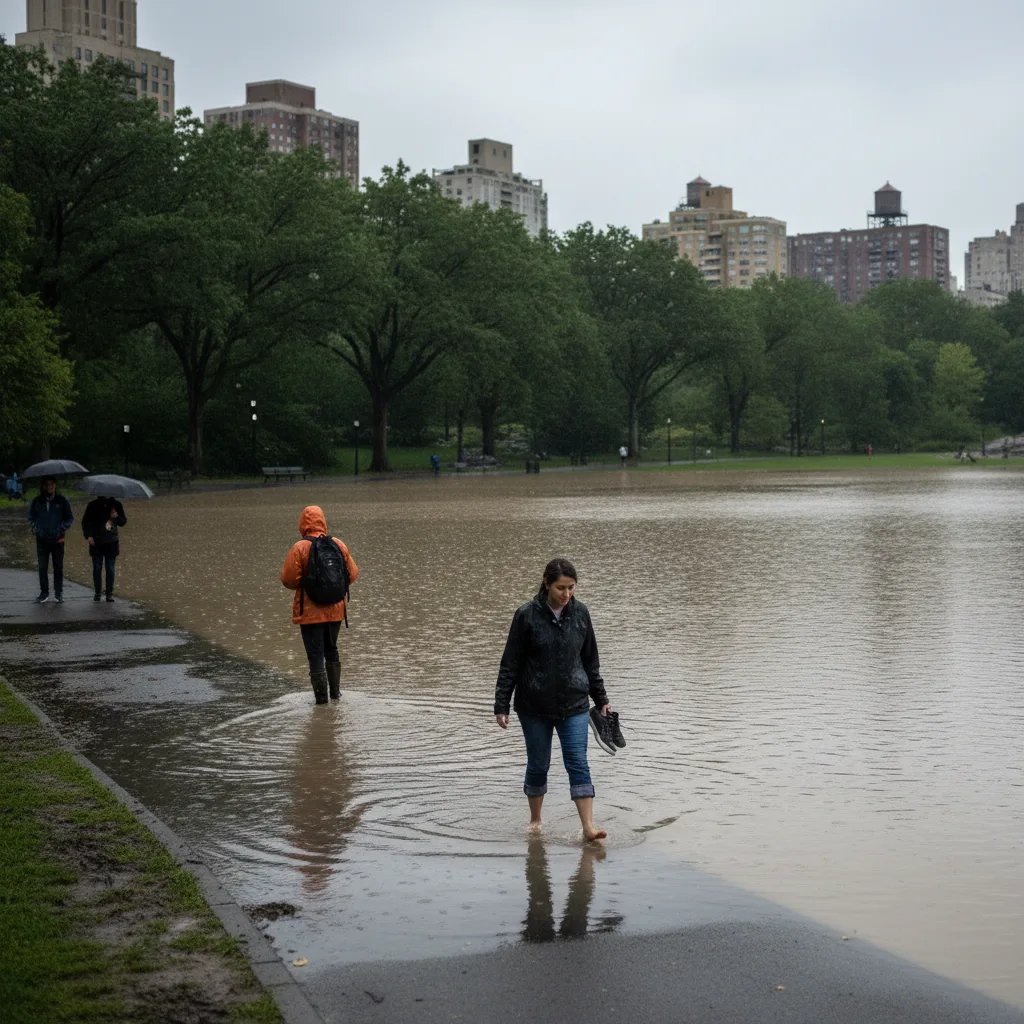
NEW YORK — Central Park visitors and its delicate ecosystem are increasingly experiencing heavier downpours, flooding, and soil erosion, as reported by UN News. Prolonged heatwaves are also placing significant pressure on the park's environment and the comfort of those who visit.
Central Park Confronts Intensifying Weather Patterns
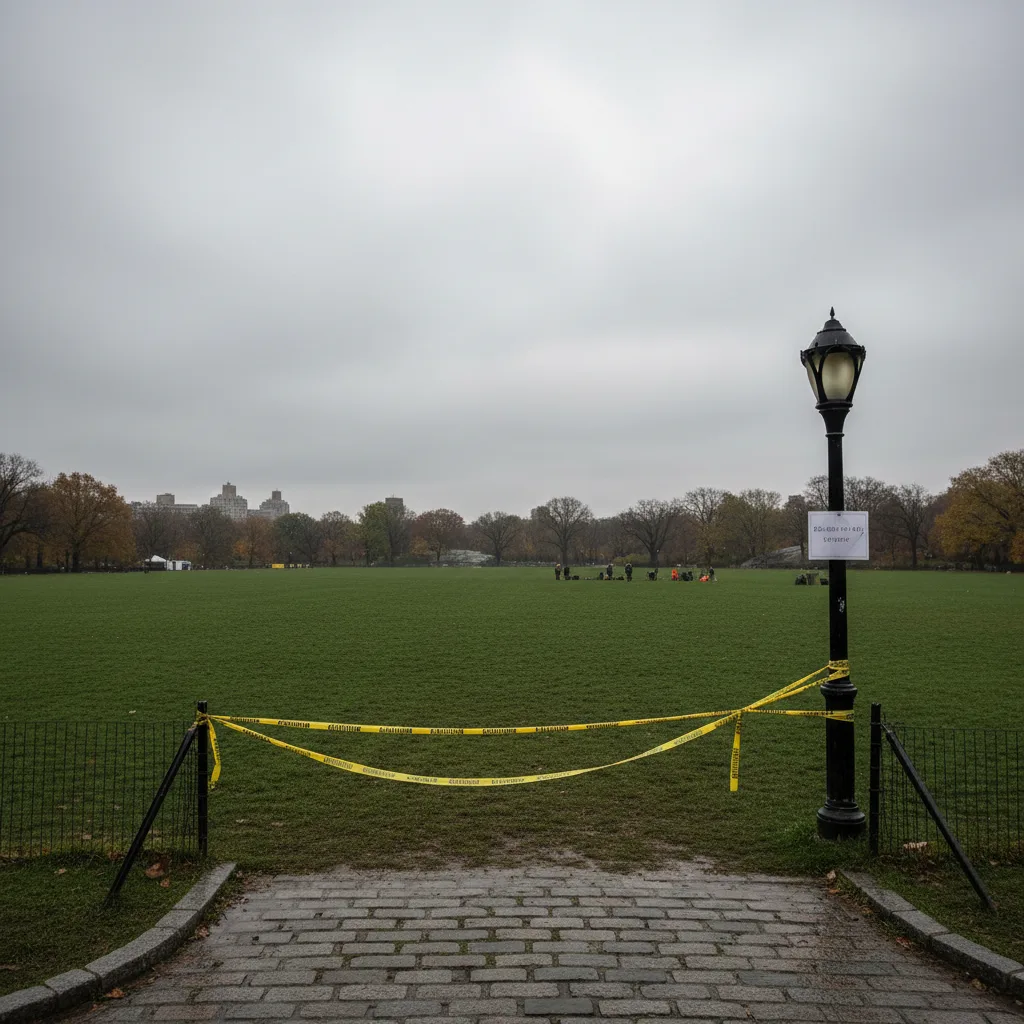
New York’s iconic Central Park, a globally recognized landmark stretching from 59th to 110th Street, is adapting to a new reality of more extreme weather. Data from UN News confirms a noticeable increase in heavy rainfall events, leading to standing water and compromised pathways. This directly impacts the usability and beauty of popular areas like the Great Lawn.
These climatic shifts are not isolated incidents but part of a broader trend affecting urban green spaces worldwide. The Central Park Conservancy is actively engaged in monitoring and mitigation efforts to protect the park's infrastructure and natural habitats.
Ecosystem Under Strain from Heatwaves and Downpours
The park's diverse ecosystem, home to hundreds of species of plants and animals, faces significant challenges from prolonged heatwaves. These elevated temperatures stress vegetation and can impact wildlife patterns, as highlighted by climate reports. The increase in heavy downpours contributes to soil erosion, particularly in sloped areas such as The Ramble, altering natural landscapes.
Such changes disrupt the delicate balance within the park, affecting everything from tree health to the water quality of its various ponds and streams. Maintaining this ecological integrity requires continuous adaptive management strategies, a core focus of the Conservancy’s work.
Conservancy’s Efforts to Mitigate Climate Damage
The Central Park Conservancy has implemented several initiatives aimed at bolstering the park's resilience against climate change. These include upgrading drainage systems to better handle intense rainfall and selecting more drought-resistant plant species for new plantings. These proactive measures are crucial for the park’s long-term sustainability.
Tree care and soil restoration projects are also underway to counter the effects of erosion and prolonged dry spells. The Conservancy works to ensure the park continues to provide essential ecological services, such as air filtration and cooling, for New York City, as noted by the Central Park Conservancy's website.
Broader Urban Resilience and Visitor Experience
The challenges faced by Central Park reflect larger urban planning and climate resilience issues within New York City. The park's ability to adapt directly influences its capacity to serve as a vital green lung and recreational hub, particularly during increasingly hot summers. Ensuring visitor comfort and safety amidst these changing conditions remains a priority.
The increasing frequency of extreme weather events also underscores the need for public awareness and cooperation, particularly regarding adherence to park guidelines during severe weather advisories. The park serves as a natural laboratory for urban climate adaptation strategies, providing valuable lessons for other cities.
Historical Context of Environmental Stewardship
Central Park's design, dating back to the mid-19th century, incorporated innovative engineering to manage water flow and create diverse landscapes. Frederick Law Olmsted and Calvert Vaux, the park's designers, envisioned a dynamic space that could evolve while providing respite from urban life. This foundational commitment to environmental stewardship continues to guide present-day conservation efforts.
The park's history demonstrates a continuous effort to balance human enjoyment with ecological preservation. From its initial construction to modern climate adaptation projects, Central Park has been a testament to enduring environmental planning and a critical component of New York City’s identity, with events continually taking place, such as Central Park events on September 11, 2026.
Frequently Asked Questions
How is Central Park managing increased flooding?
Central Park is managing increased flooding by upgrading its drainage systems and implementing soil restoration projects, particularly in areas prone to erosion. These measures are designed to help the park better absorb heavy downpours and prevent damage to pathways and landscapes.
What impact do heatwaves have on Central Park's ecosystem?
Heatwaves stress Central Park's vegetation, potentially affecting tree health and altering wildlife patterns. Prolonged high temperatures also contribute to increased soil dryness, making the ecosystem more vulnerable to erosion when heavy rains eventually occur.
What can visitors do to help protect Central Park from climate change impacts?
Visitors can help protect Central Park by following park rules, staying on designated paths to prevent further erosion, and supporting the Central Park Conservancy's conservation efforts. Staying informed about park advisories during extreme weather also contributes to overall park safety and preservation.
Related Articles
More in Weather & Health →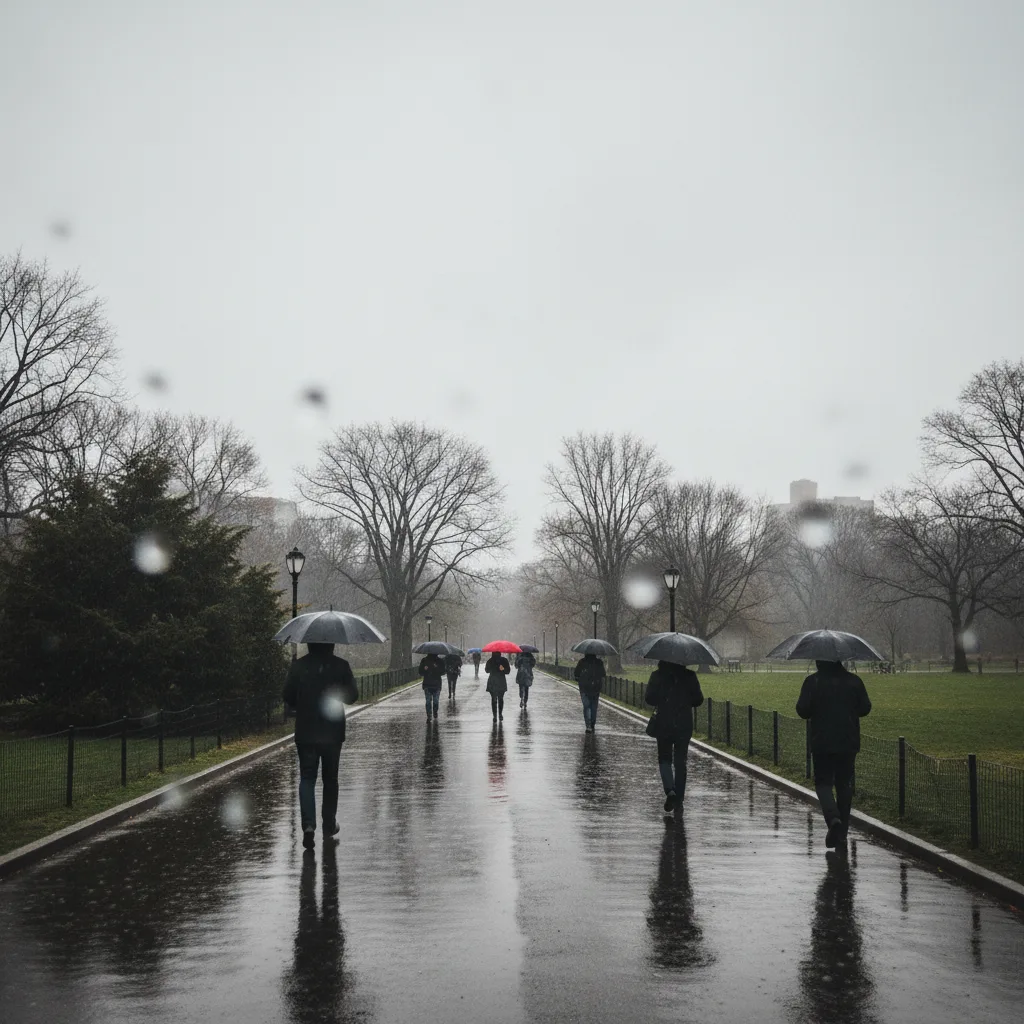
Central Park Radar Shows Current Rain Conditions and Near-Term Updates
Central Park visitors are seeing current rain conditions and near-term precipitation updates on AccuWeather radar, affecting outdoor activities and park operations.

September 2026 Central Park Weather Forecast Reveals Mild Conditions
Central Park's September 2026 weather forecast projects mild daily highs between 70-82°F and lows 57-66°F. Plan outdoor activities; comfortable conditions expected for park visitors.
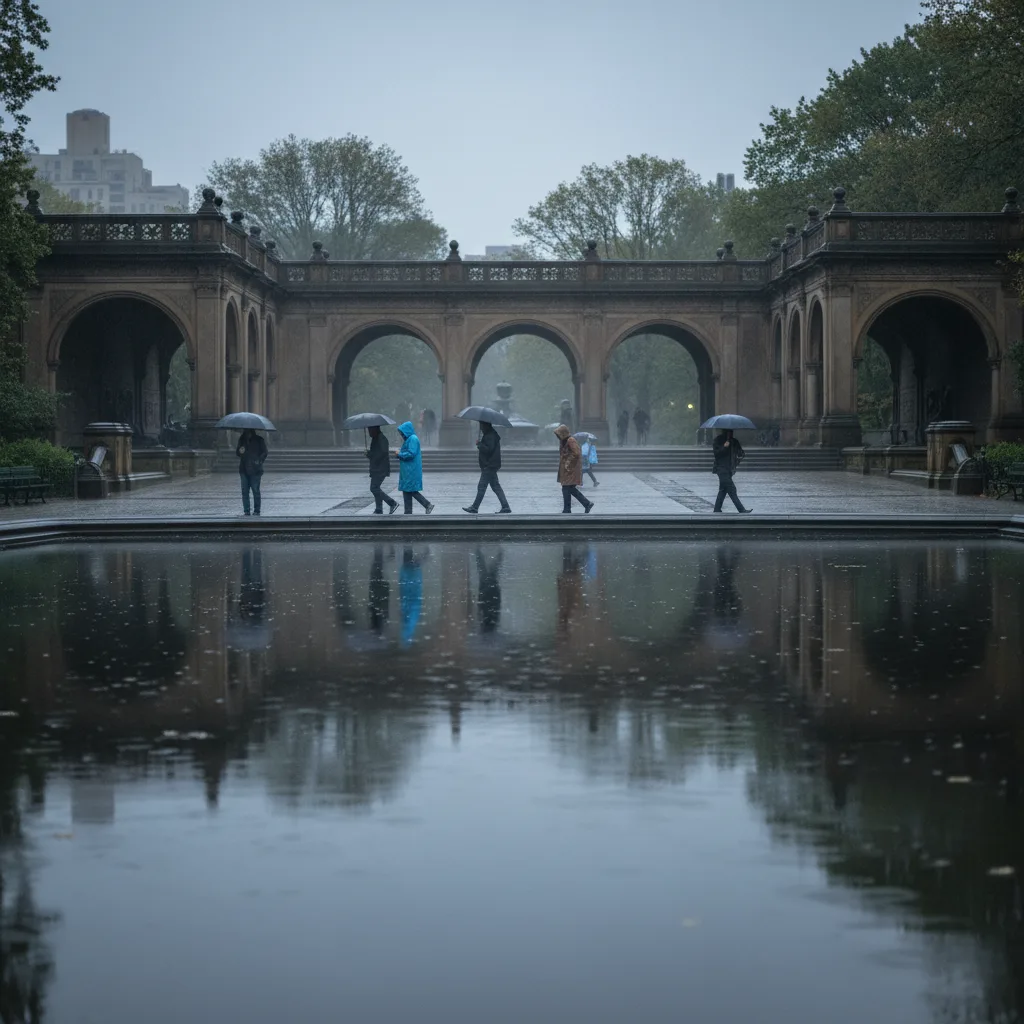
Central Park Visitors Face Intermittent Rain, Cooler Temps Sunday Night
Central Park experienced cool temperatures and intermittent rain on Sunday, September 27, 2026, with a temperature of 57.0°F recorded. Visitors should plan accordingly.
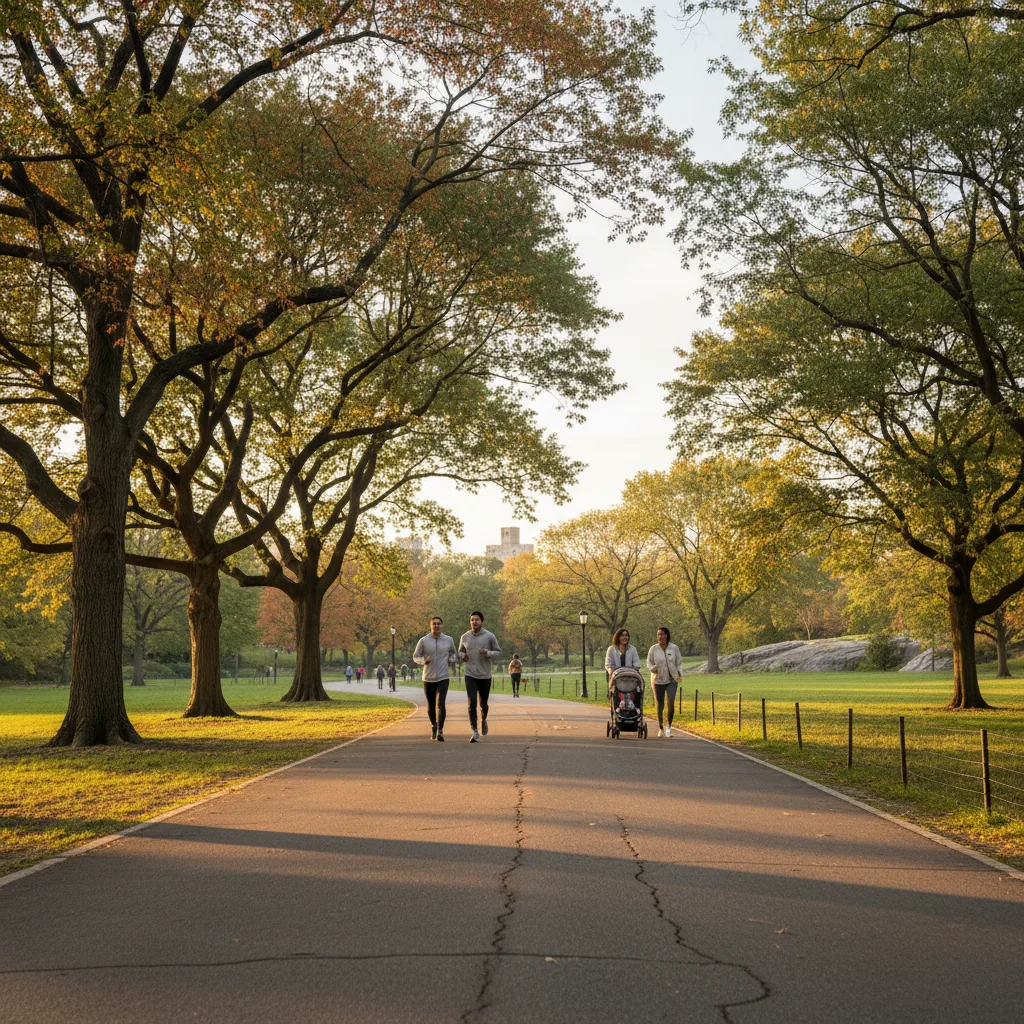
Central Park Records 72°F Max, 58°F Min Temperatures September 27
Central Park observed a maximum temperature of 72°F and minimum of 58°F on Sunday, September 27, 2026, according to the NWS climatological report.
AccuWeather Forecasts 64°F, 59°F for Central Park September 27
AccuWeather forecast a high of 64°F and low of 59°F for Central Park on September 27, 2026, slightly below monthly averages, indicating a cooler day.
Global Citizen Festival in Central Park Canceled Due to Nor'easter Threat
Global Citizen Festival in Central Park was canceled Thursday due to an approaching nor'easter, affecting thousands and prompting safety concerns. New Yorkers should check for updated park alerts and traffic changes related to the storm.