


Central Park Conditions: NYC Reaches 23°F, Colder Than Antarctica, Impacting Park Activities

NEW YORK, NY – New York City is currently experiencing an unprecedented cold snap, with temperatures plummeting to a frigid 23°F – a stark contrast that makes the metropolis colder than some parts of Antarctica this week. This extreme weather event has significantly altered the landscape and activities within Central Park, affecting both its natural ecosystem and the millions of visitors who frequent the iconic urban oasis.
The dramatic drop in temperature, reported as counterintuitive by meteorologists, presents unique challenges for park management and visitor safety. While the park often sees cold weather during winter months, these specific conditions are proving exceptional, leading to adjustments in park operations and public advisories for those venturing outdoors.
Impact on Central Park's Ecosystem and Operations
The deep freeze profoundly impacts Central Park's diverse ecosystem. Water bodies such as the Lake and the Pond have developed thick layers of ice, transforming them into picturesque, albeit potentially dangerous, surfaces. While some areas are designated for ice skating, such as Wollman Rink, the natural bodies of water are not safe for such activities. The Central Park Conservancy is closely monitoring ice thickness, issuing strict warnings against venturing onto untreated frozen surfaces due to inherent risks of thin or unstable ice.
Wildlife within the park, from migratory birds to local squirrels, is adapting to the harsh conditions. Park staff have increased efforts to ensure animal habitats remain undisturbed and to monitor the well-being of the park's inhabitants. Furthermore, park maintenance crews face challenges in keeping pathways clear and safe, as black ice and compacted snow can pose significant slipping hazards for pedestrians.
Safety Warnings and Winter Recreation
With temperatures remaining critically low, park authorities urge visitors to take extreme precautions. Layers of warm clothing, insulated footwear, and limiting exposure time are strongly recommended. Despite the biting cold, Central Park continues to offer a unique winter experience for those prepared. Popular activities, though subdued, include brisk walks, cross-country skiing on designated trails after fresh snowfall (if available), and enjoying the stark beauty of the winter landscape.
Signage has been updated throughout the park advising caution, particularly around frozen water bodies and shaded areas where ice can persist. The Central Park Conservancy emphasizes that visitor safety is paramount and encourages everyone to check weather advisories and park conditions before planning a visit during such extreme cold events.
Key Points:
- New York City is experiencing a severe cold snap, with temperatures at 23°F, making it colder than parts of Antarctica.
- Central Park's natural ice bodies are not safe for recreation, with strict warnings from the Conservancy.
- The extreme cold impacts park wildlife and operations, including pathway maintenance and visitor safety.
- Visitors to Central Park are advised to dress warmly, limit exposure, and adhere to all safety warnings.
- The Central Park Conservancy continues to monitor conditions and provide guidance for safe park enjoyment.
Related Articles
More in Weather & Health →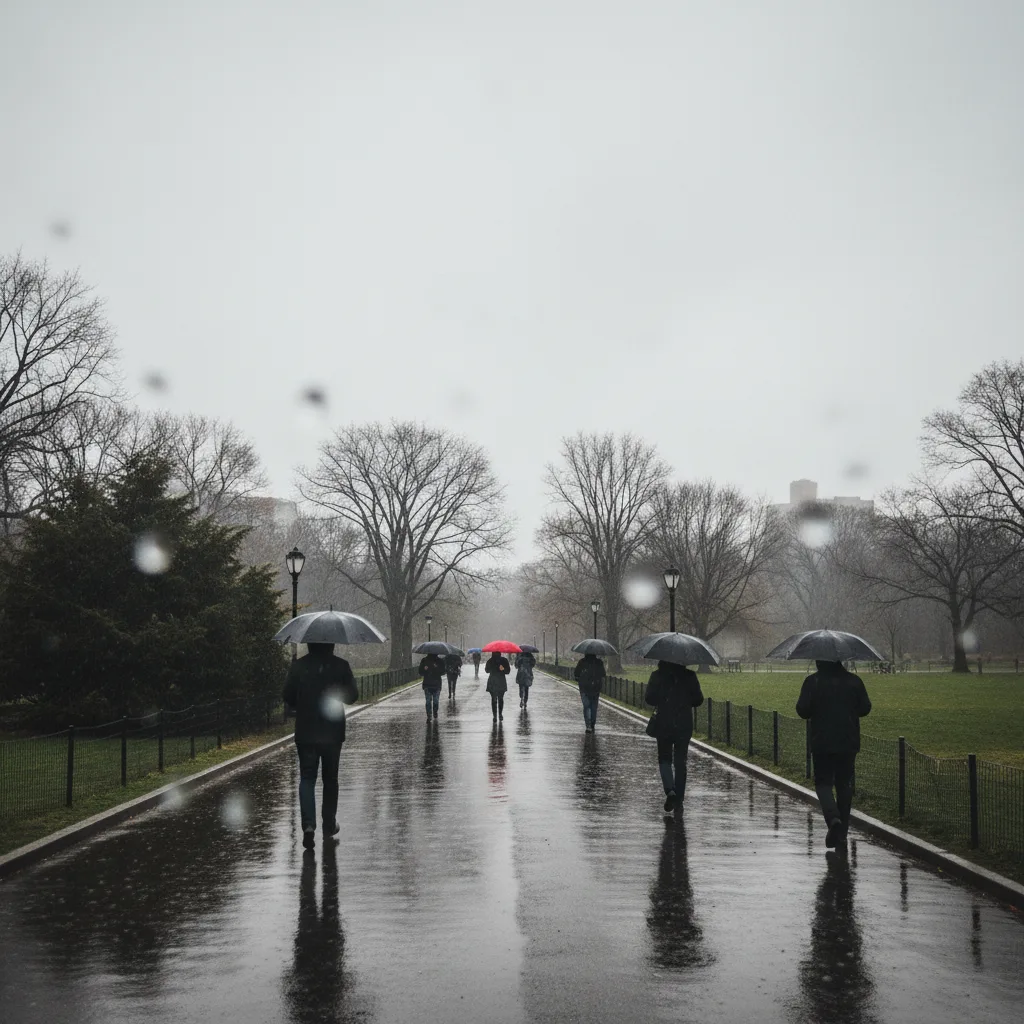
Central Park Radar Shows Current Rain Conditions and Near-Term Updates
Central Park visitors are seeing current rain conditions and near-term precipitation updates on AccuWeather radar, affecting outdoor activities and park operations.

September 2026 Central Park Weather Forecast Reveals Mild Conditions
Central Park's September 2026 weather forecast projects mild daily highs between 70-82°F and lows 57-66°F. Plan outdoor activities; comfortable conditions expected for park visitors.

Central Park Visitors Face Intermittent Rain, Cooler Temps Sunday Night
Central Park experienced cool temperatures and intermittent rain on Sunday, September 27, 2026, with a temperature of 57.0°F recorded. Visitors should plan accordingly.

Central Park Records 72°F Max, 58°F Min Temperatures September 27
Central Park observed a maximum temperature of 72°F and minimum of 58°F on Sunday, September 27, 2026, according to the NWS climatological report.
AccuWeather Forecasts 64°F, 59°F for Central Park September 27
AccuWeather forecast a high of 64°F and low of 59°F for Central Park on September 27, 2026, slightly below monthly averages, indicating a cooler day.
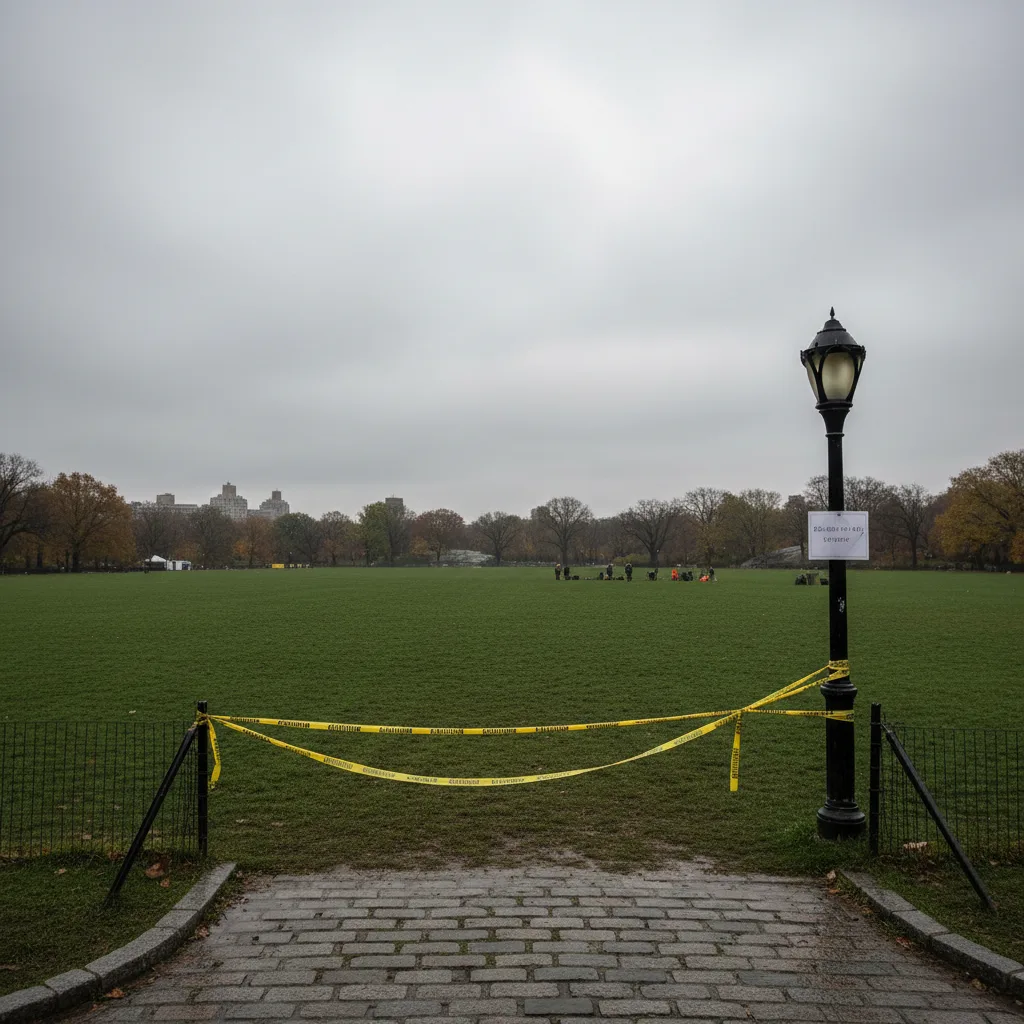
Global Citizen Festival in Central Park Canceled Due to Nor'easter Threat
Global Citizen Festival in Central Park was canceled Thursday due to an approaching nor'easter, affecting thousands and prompting safety concerns. New Yorkers should check for updated park alerts and traffic changes related to the storm.