


Central Park Access: Congestion Pricing Delays Expected Through Summer 2026

NEW YORK — Officials with the Metropolitan Transportation Authority (MTA) confirmed Monday that the implementation of Manhattan's congestion pricing program is likely to remain on hold through at least the summer of 2026. This decision, impacting drivers accessing Central Park from surrounding boroughs, follows a complex legal and political battle. The delay means motorists will not face the proposed $15 toll for entering Manhattan's central business district during this period.
New York Governor Kathy Hochul first announced an indefinite pause on the congestion pricing plan in early June 2026, just weeks before its scheduled commencement. The program aimed to reduce traffic gridlock in areas south of 60th Street, a zone encompassing popular Central Park entrances like those at Columbus Circle and Grand Army Plaza. But, the Governor cited concerns about economic impacts on city residents and businesses as the primary reason for the halt.
Economic Repercussions and Political Landscape
The pause has sparked a heated debate among New York City stakeholders, revealing deep divisions over the efficacy and fairness of the plan. Advocates for congestion pricing, including environmental groups and public transit proponents, argue the delay undermines efforts to combat climate change and fund crucial MTA infrastructure projects. They had projected the program would generate $1 billion annually for the transit system.
Conversely, opponents, including many suburban commuters and small business owners, welcomed the decision. They contend the additional toll would have disproportionately burdened working-class families and further slowed the city's economic recovery. "This pause is a recognition of the real financial strain many New Yorkers are still experiencing," commented Assemblymember John Liu in a public statement. His office released polling data suggesting significant public opposition to the timing of the toll's introduction.
Impact on Central Park Visitation
Central Park, a major tourist destination and recreational hub for millions, stands to be directly affected by the ongoing uncertainty. The absence of congestion tolls means continued vehicular access without the added financial deterrent, potentially maintaining current traffic levels around the park's periphery. Historically, park visitation peaks during the warmer months, making the summer 2026 delay particularly pertinent for both residents and visitors.
The Central Park Conservancy, responsible for the park's maintenance and operations, has not issued an official statement regarding the delay. However, spokespersons for tourism agencies expressed cautious optimism. One representative for NYC & Company noted that any measure reducing barriers to entry for visitors is generally beneficial for the city's tourism sector. Continued free access could encourage more visitors to explore the park's attractions, like the [Swedish Cottage Marionette Theater renovation](https://www.centralpark.news/news/swedish-cottage-marionette-theater-10-4m-renovation).
MTA Funding Shortfall Concerns
Beyond immediate traffic impacts, the indefinite delay presents a significant financial challenge for the MTA. The transit agency had already allocated projected congestion pricing revenues to fund a substantial portion of its 2020-2024 capital plan, which includes signal upgrades, new subway cars, and accessibility improvements. Without this funding stream, the MTA must now identify alternative revenue sources or scale back planned projects.
New York City Comptroller Brad Lander voiced his apprehension, stating, "The MTA's capital plan is essential for the future of our city's transit system. A $15 billion gap is not easily closed, and delays will inevitably impact service quality and future expansion." Lander's office is currently conducting an analysis of the long-term fiscal implications. He has called for a transparent dialogue on alternative funding solutions.
Future of Congestion Pricing Legislation
The current pause does not signify a complete abandonment of the congestion pricing initiative. Federal approval for the program remains in place, and the necessary infrastructure, including toll gantries around the designated zone, has largely been installed. But, any future implementation will require renewed political will and potentially new legislative action.
Sources close to the Governor's office indicate that discussions are ongoing to address the economic concerns and identify potential compromises. It remains unclear if a modified plan, perhaps with reduced tolls or targeted exemptions, could be proposed in the coming months. For now, drivers will continue to navigate the city without the anticipated congestion charge, a reprieve some find welcome while others see it as a missed opportunity for urban improvement and funding public transit across [Central Park](https://www.independent.co.uk/topic/central-park).
Frequently Asked Questions About Congestion Pricing and Central Park Access
What is congestion pricing? Congestion pricing is a system where drivers are charged a fee for entering designated high-traffic areas during peak hours. In Manhattan, the proposed zone for this toll was south of 60th Street, excluding the West Side Highway and FDR Drive.
Why was the program delayed? Governor Kathy Hochul cited concerns about the economic burden on New Yorkers and the city's ongoing post-pandemic recovery as primary reasons for the indefinite pause. This decision came just weeks before the program was set to begin in late June 2026.
How does this affect Central Park? Central Park itself is largely outside the proposed congestion zone, but many of its main entrances and access routes, especially on its southern end, are easily reachable from within the zone or by driving close to it. The delay means drivers will not face a specific toll for approaching or driving to Central Park's southern and midtown entrances from within Manhattan or via bridges/tunnels entering the congestion zone, potentially maintaining current traffic levels around the park perimeter. This could affect the flow of traffic on streets bordering the park, such as Central Park South and Fifth Avenue.
What is the financial impact of the delay? The MTA projected that congestion pricing would generate $1 billion annually, earmarked for its capital improvement projects. The indefinite delay creates a significant funding gap, potentially impacting planned upgrades to the city's subway and bus systems.
When might congestion pricing be implemented? As of now, the program is indefinitely delayed. No new start date has been announced, and any future implementation would likely require further political consensus and potentially legislative adjustments to address the concerns that led to the current pause. It is not expected to be implemented before summer 2026, at the earliest.
Related Articles
More in Urban Policy & Development →
NYC Mayor Mamdani Booed at Union Square October 7 Vigil
Mayor Mamdani faced boos and protests at a Union Square vigil Thursday marking the Oct. 7 attacks, highlighting deep community divisions in NYC.
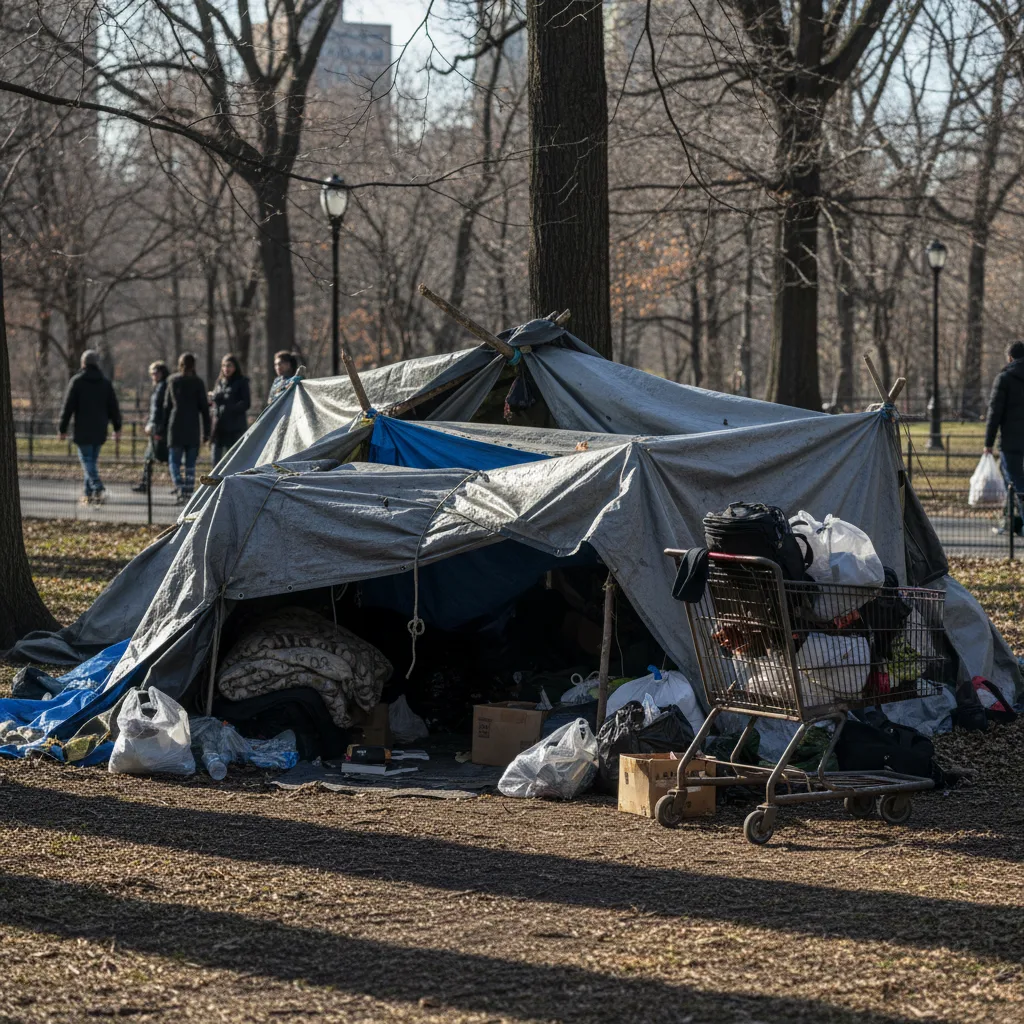
NYC Homeless Encampments Spotted Across Manhattan, Raising Concerns
Multiple homeless encampments have been spotted across Manhattan, raising significant concerns about urban policy and public safety. City officials are under pressure to address the growing homelessness crisis.
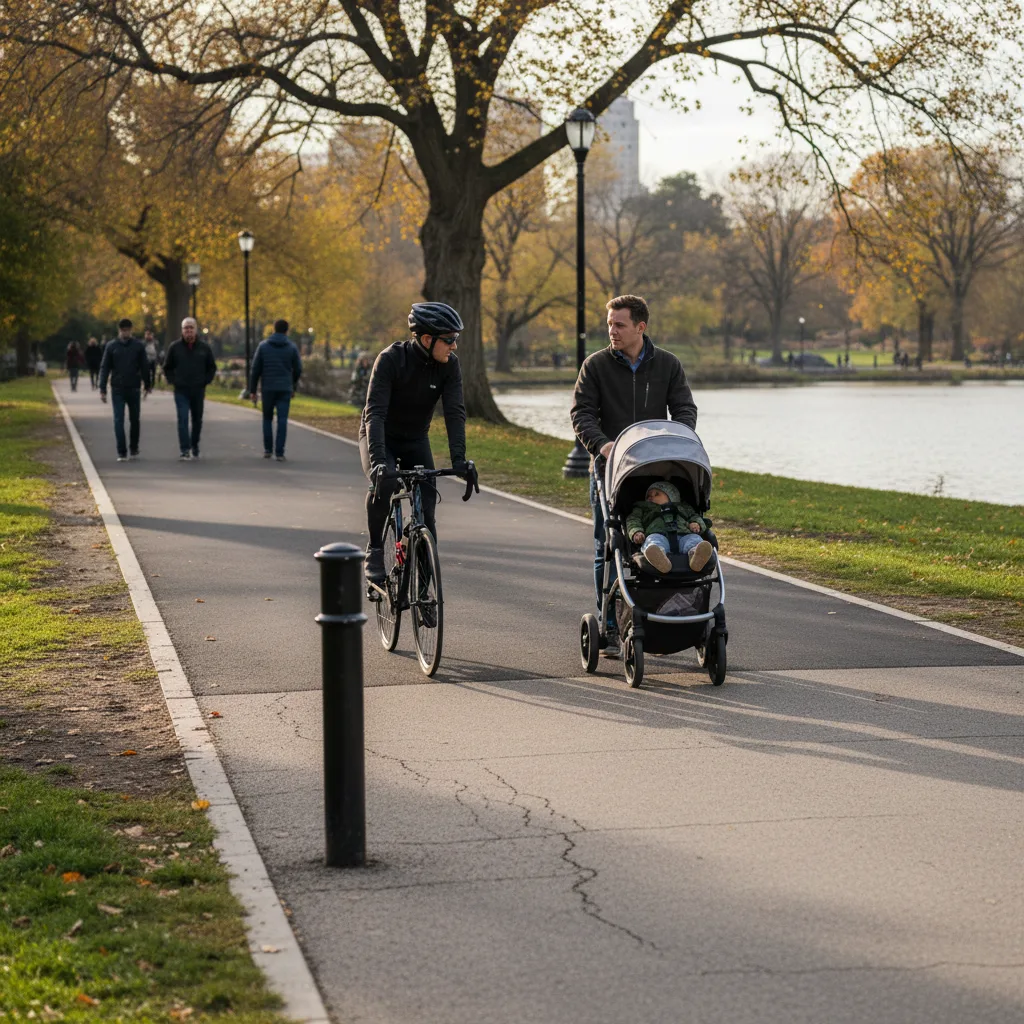
Safety Advocate Blames Park Redesign for Rising Central Park Cyclist Crashes
Safety advocates blame recent Central Park redesigns for a pedestrian's death and rising cyclist crashes, calling for urgent review of infrastructure.
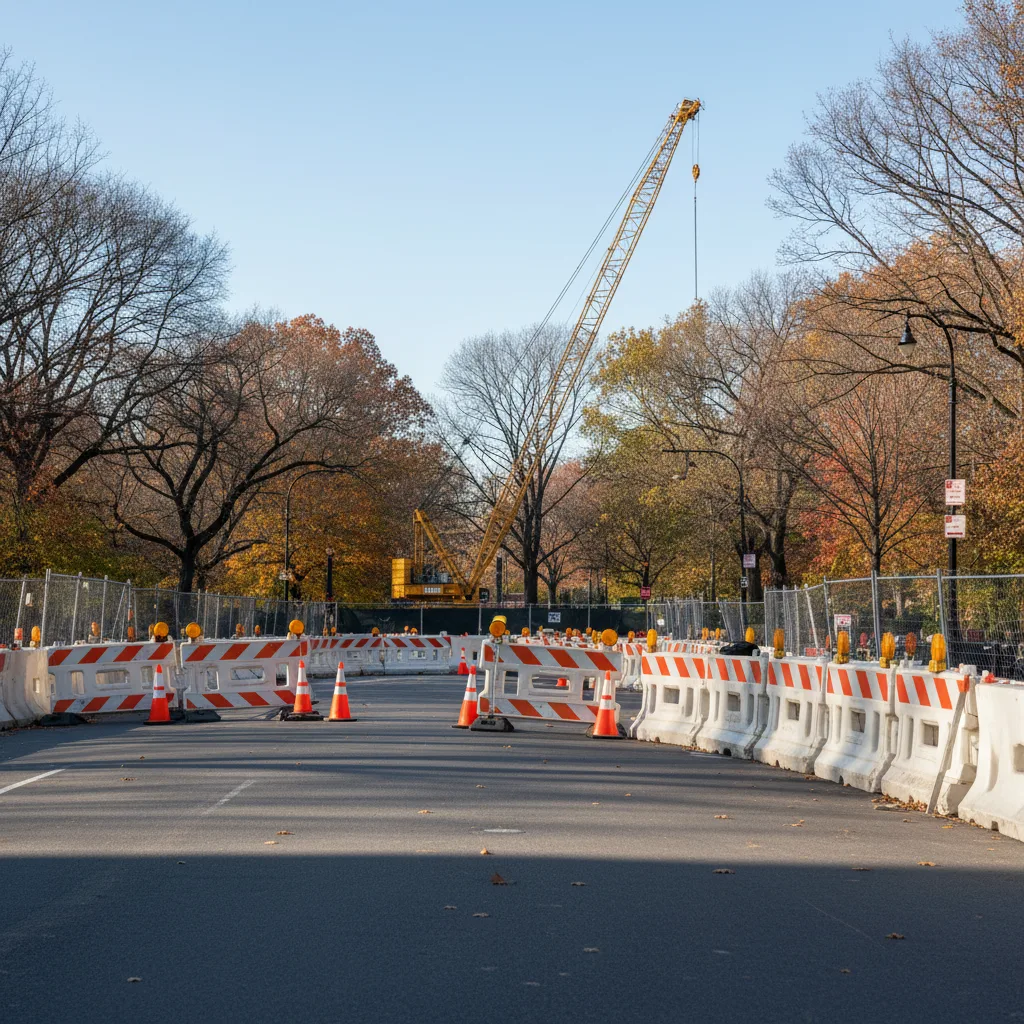
NYC DOT Advises Central Park Area Traffic Disruptions September 27
NYC DOT issued advisories for major traffic disruptions near Central Park on September 27, 2026, due to a parade and crane operations. Expect delays.

Davis Center at Harlem Meer Unveils State-of-the-Art Facilities
The new Davis Center at the Harlem Meer in Central Park's north end now features a state-of-the-art pool, ice rink, and multi-use turf field, enhancing community recreational options.
NYC City Record Confirms September 21, 2026, Publication Schedule
The NYC City Record confirmed its September 21, 2026, publication schedule, detailing administrative notices, procurement, and public hearings. This ensures transparency for municipal operations and public access to vital city information.