


Central Park Conservancy Allocates $32 Million for 2026 Conservation
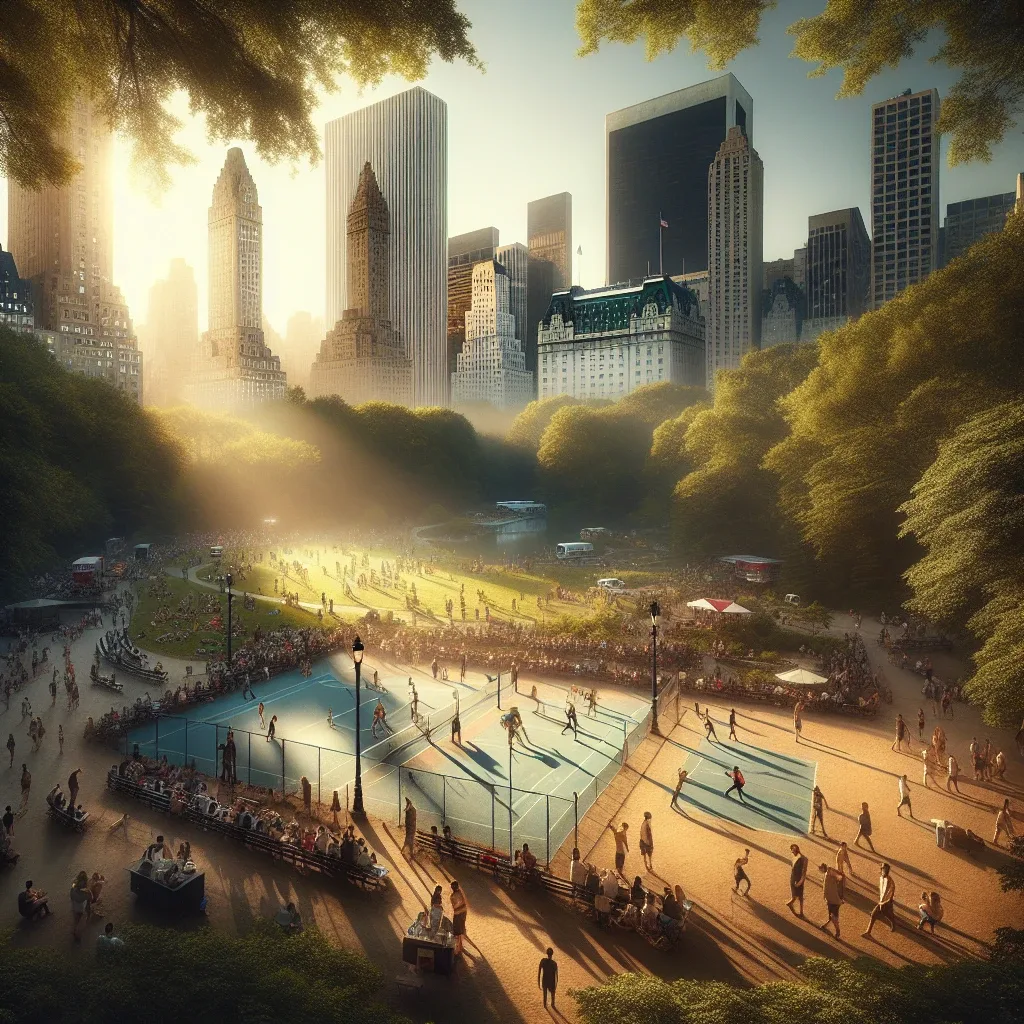
NEW YORK — Central Park Conservancy announced a significant $32 million allocation for its 2026 conservation and operational budget, reinforcing the organization's enduring commitment to maintaining the iconic 843-acre green space. This substantial funding is poised to address critical infrastructure needs, enhance ecological diversity, and improve visitor experiences across the park's varied landscapes. The robust budget reflects rising operational costs, inflationary pressures, and an expanded scope of necessary restoration projects.
Officials from the Conservancy detailed the budgetary breakdown during a press briefing held yesterday morning at the historic Belvedere Castle, emphasizing proactive preservation measures. This investment marks a 7% increase from the previous fiscal year’s budget, underscoring the growing financial demands of managing a globally recognized urban park that serves an estimated 42 million visitors annually. The Conservancy generates approximately 75% of its annual operating budget from private donations, philanthropic gifts, and membership contributions.
Strategic Investments in Ecological Restoration Initiatives
A substantial portion of the 2026 budget, specifically $12 million, is earmarked for critical ecological restoration initiatives across Central Park. These projects include ongoing efforts to revitalize the North Woods' natural woodlands and wetlands, focusing intensely on invasive species removal, such as garlic mustard and Japanese knotweed, and comprehensive native plant reintroduction programs. Such ecological interventions are vital for sustaining the park's intricate biodiversity and ensuring the long-term health of its natural habitats.
Elizabeth W. Smith, President and CEO of the Central Park Conservancy, highlighted the urgency and strategic importance of these environmental programs. "Our stewardship extends far beyond simple aesthetics; it's fundamentally about safeguarding the ecological health of this vital urban oasis for future generations of New Yorkers and visitors alike," Smith told reporters, her voice resonating through the historic setting. "This significant investment allows us to accelerate critical work in sensitive natural areas like the Ramble, the Conservatory Garden, and the Pond, which are ecologically fragile and require specialized care." The conservancy has also pledged to expand its citizen science initiatives, inviting volunteers to participate in ecological surveys.
Enhancing Visitor Experience and Park Accessibility
Another key focus of the 2026 budget is the comprehensive enhancement of visitor services and accessibility, with a dedicated $9 million designated for these crucial improvements. Planned projects include upgrading pedestrian pathways near bustling areas such as the Carousel and Wollman Rink, installing new and intuitive signage systems near popular attractions like the Bethesda Terrace and Bow Bridge, and modernizing visitor facilities, including restrooms and information kiosks. Efforts will also continue to improve access for individuals with disabilities, ensuring the park remains welcoming and navigable for all community members, including new accessible ramps at multiple entrances.
The Conservancy also plans to significantly expand its educational programming throughout 2026, aiming to engage over 50,000 students and adults in immersive, nature-based learning experiences. These programs range from guided birdwatching tours led by expert ornithologists to hands-on workshops on urban gardening techniques and tree identification. The full Central Park event schedule provides comprehensive details on upcoming public engagements, including free walking tours and cultural performances. These educational outreach efforts underscore the park’s role as an outdoor classroom.
Critical Infrastructure Upgrades and Proactive Maintenance
Roughly $8 million has been specifically allocated for essential infrastructure upgrades and ongoing proactive maintenance across the park's extensive network of roads, bridges, and recreational facilities. This budget includes planned repairs to historic bridges, such as the Gapstow Bridge and the San Remo Arch, routine upkeep of all 21 children’s playgrounds, and critical improvements to the underground irrigation systems that serve the expansive Great Lawn and Sheep Meadow. The park’s infrastructure, much of it dating back to its 1858 founding, requires constant, specialized attention from skilled craftspeople.
These funds will also directly support the approximately 300 dedicated staff members, including highly skilled horticulturalists, certified arborists, experienced landscape architects, and essential maintenance workers, who perform daily tasks to keep the park in pristine condition. Their expertise is crucial for managing the complex interplay of natural and man-made elements within the park’s boundaries. The Conservancy’s maintenance crews often begin their work before sunrise, meticulously addressing overnight wear and tear and preparing the park for its daily influx of visitors, ensuring paths are clear and landscapes are tended. This rigorous daily care is central to the park's appeal.
Fostering Community Engagement and Key Partnership Initiatives
The remaining $3 million from the 2026 budget is specifically dedicated to fostering stronger community engagement and cultivating strategic partnerships with local New York City organizations. These initiatives aim to broaden public awareness of the park’s ongoing needs, encourage active volunteer participation in its upkeep, and solicit valuable input from diverse community stakeholders. Collaborations with local schools, neighborhood associations, and cultural institutions are central to these outreach efforts, enhancing the park’s role as a community hub.
The Central Park Conservancy collaborates closely with the New York City Department of Parks & Recreation to ensure coordinated efforts in urban planning, public safety, and environmental stewardship. This vital partnership is crucial for managing the park’s expansive role within the larger metropolitan area, addressing issues like crowd management during large events and joint policing patrols. Recent reports extensively detail these collaborative efforts on Central Park urban planning and operations. Public safety efforts, for example, often involve joint operations between park rangers and the New York City Police Department's Central Park Precinct.
Addressing Funding Challenges and Long-Term Outlook
Despite the substantial $32 million 2026 budget, the Central Park Conservancy continually faces significant funding challenges associated with maintaining a park of this immense scale, historical significance, and ecological complexity. The escalating costs of specialized materials, skilled labor, and advanced restoration techniques continue to rise annually. Looking ahead, the Conservancy plans to explore innovative fundraising strategies, including digital campaigns and corporate sponsorships, and to expand its endowment growth initiatives to secure future financial stability.
The Conservancy anticipates that continued philanthropic support from individuals, foundations, and corporations will be absolutely essential to meet its ambitious long-term preservation and enhancement goals. Public engagement campaigns regularly highlight the profound economic, environmental, and social benefits the park provides to millions of New Yorkers and tourists alike. This continuous, dedicated support ensures the park's legacy for the next century, safeguarding its status as one of the world's greatest urban parks.
Frequently Asked Questions
Q: How does the Central Park Conservancy determine its budget priorities each year? A: The Conservancy bases its budget priorities on comprehensive master plans, routine condition assessments of park features, and valuable feedback gathered from park users and ecological experts. Detailed ecological surveys, rigorous infrastructure inspections, and annual visitor surveys all contribute to identifying the most pressing needs and strategic investment areas for the park's future vitality and sustainability.
Q: Can members of the public actively contribute to these ongoing conservation efforts? A: Yes, the public can significantly contribute through various avenues, including direct financial donations, becoming a dedicated member of the Central Park Conservancy, or actively volunteering for various park programs and cleanup initiatives. Comprehensive information on how to support the park financially or through valuable service is readily available on the Conservancy's official website, centralparknyc.org.
Q: What are the primary ecological threats Central Park currently faces in 2026? A: In 2026, Central Park continues to face significant ecological threats such as persistent invasive species, severe soil compaction resulting from heavy foot traffic, and the increasing impacts of climate change, including extreme weather events, on its delicate ecosystems. The Conservancy employs cutting-edge scientific methods and engages in ongoing research to combat these challenges effectively and maintain the park's critical ecological balance.
Related Articles
More in Wildlife & Nature →
Central Park Boathouse Bird Watching Tour Offers Educational Experience
Central Park Boathouse offers an educational bird watching tour, providing visitors an opportunity to observe avian species. This experience connects locals with nature, enhancing appreciation for park wildlife.
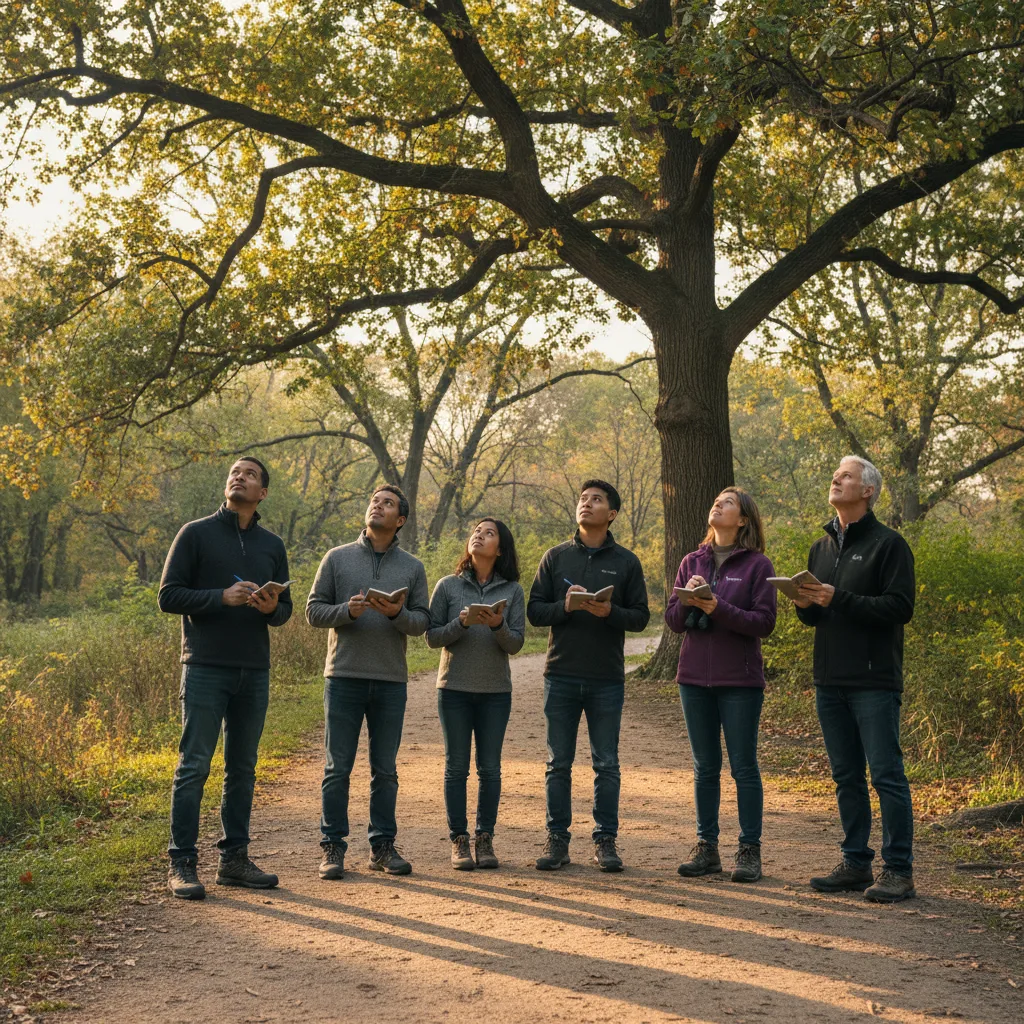
Central Park Event Calendar Features Climate Week Activities September 27
Central Park's event calendar for September 27, 2026, included a Climate Week-aligned "Journal, Meditation, + Bird Walk," promoting environmental awareness.
Wildlife Conservation Society Awards Lovejoy Prize at Central Park Zoo
Wildlife Conservation Society awards 2026 Thomas E. Lovejoy Prize today at Central Park Zoo during Climate Week in New York City.
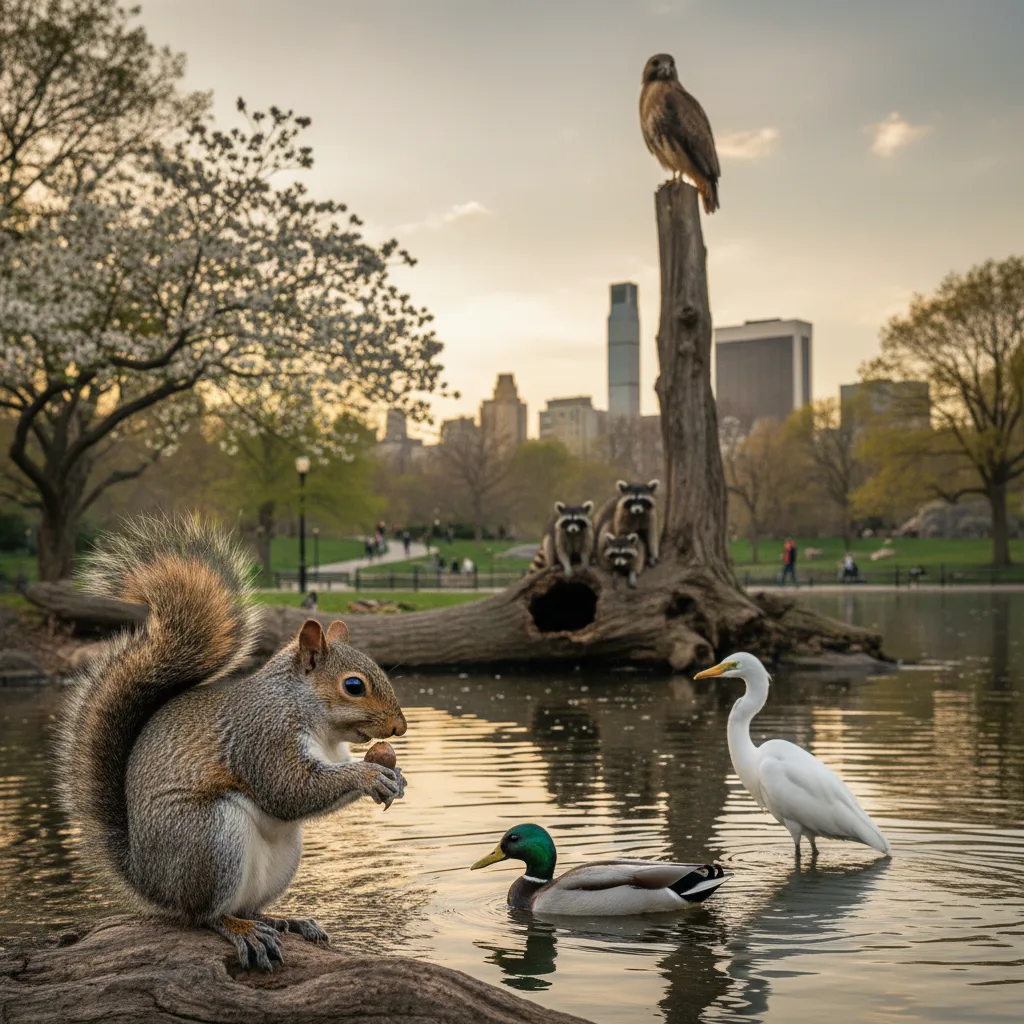
A Guide to Central Park's Wildlife: What to Know About the Park's Animals and Ecosystem
Discover the diverse Central Park wildlife, from birds and mammals to aquatic life. Learn responsible observation tips and conservation efforts for 2026.
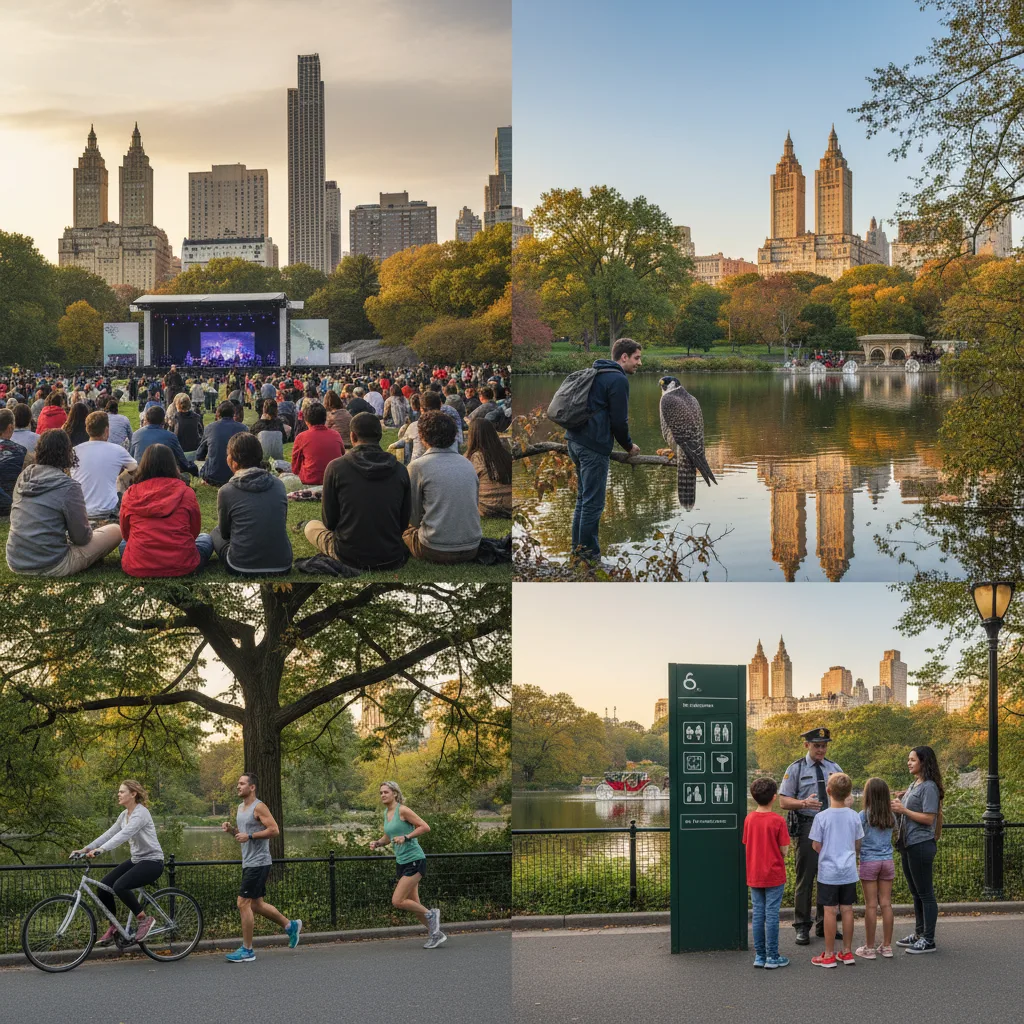
A Guide to Central Park's Top Activities and Best Things to Do in 2026
Discover the best things to do in Central Park, NYC, with our comprehensive 2026 guide to iconic landmarks, activities, and hidden gems for visitors.
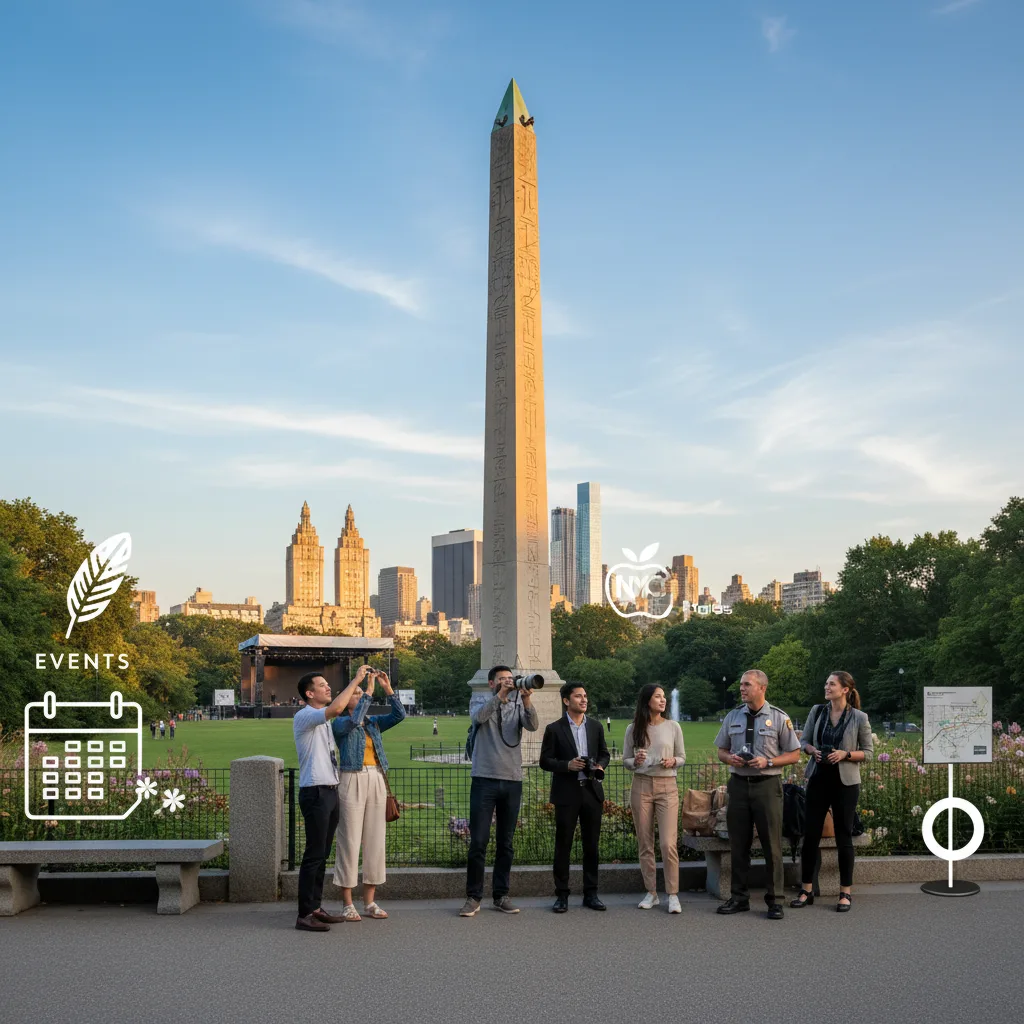
A Guide to What to Know About the Vatican Obelisk in Central Park 2026
Discover what to know about the Vatican Obelisk (Cleopatra's Needle) in Central Park, its history, journey to NYC, and where to find it in 2026.