
Newsletter
Stay up to date with our latest news.


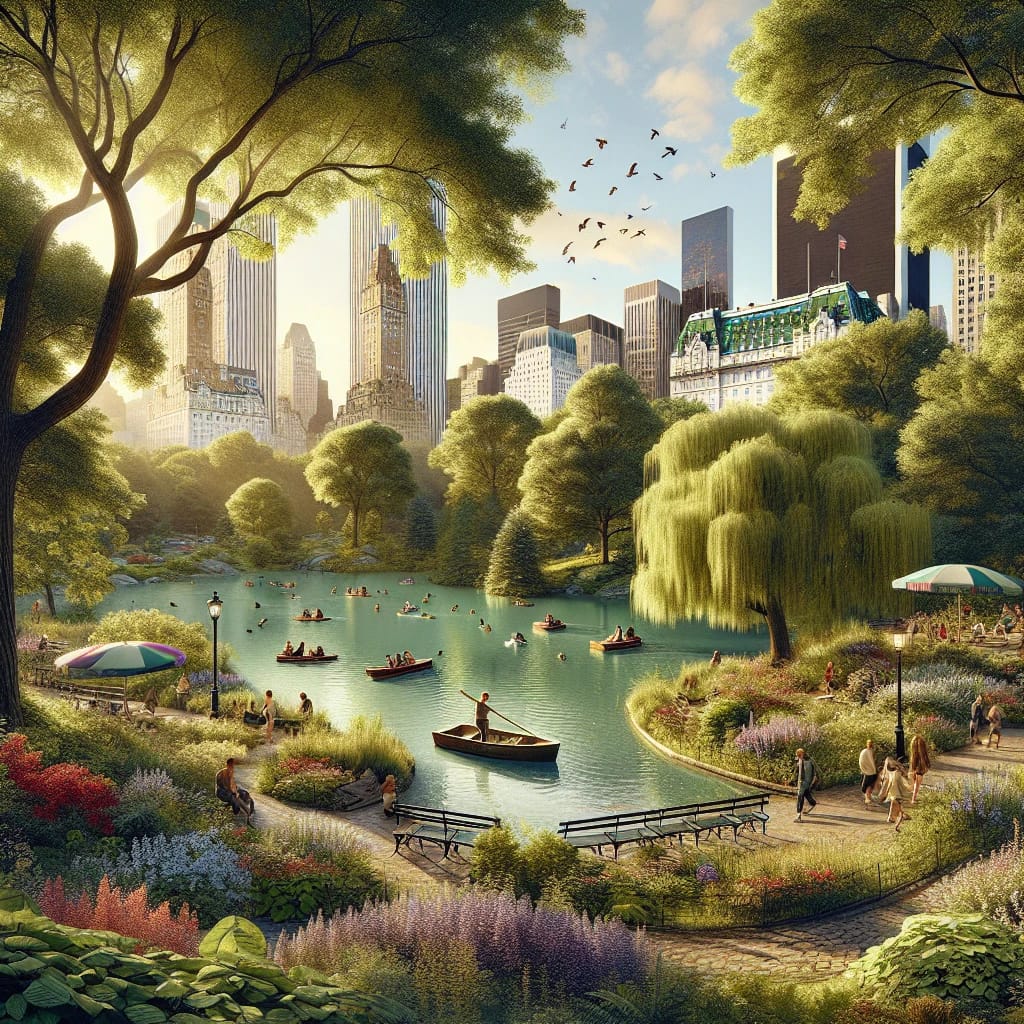
NEW YORK — The Central Park Conservancy unveiled a series of ambitious new eco-friendly initiatives aimed at enhancing the park's biodiversity, improving visitor experience, and combating the effects of climate change. These programs, set to roll out throughout 2026, underscore the Conservancy's commitment to sustainable urban park management.
The announcement, made from the heart of Central Park, detailed plans ranging from advanced water conservation techniques to expanded native plant cultivation. These efforts are designed to ensure the park remains a vibrant urban oasis for generations to come.
A cornerstone of the new initiatives is the significant expansion of native plant cultivation across Central Park. By reintroducing indigenous species, the Conservancy aims to support local wildlife populations, including birds, insects, and small mammals.
These plantings will contribute to a more resilient ecosystem, better able to withstand environmental stressors. The program will involve a combination of expert horticulturalists and community volunteers in planting and maintenance efforts.
Recognizing the importance of water as a critical resource, the Conservancy is implementing cutting-edge water conservation technologies. These include smart irrigation systems that adjust based on weather conditions and soil moisture levels, reducing waste.
Plans also involve the rehabilitation of existing water features and the exploration of rainwater harvesting systems. These strategies are expected to significantly decrease the park’s overall water consumption, aligning with broader citywide sustainability goals.
Integral to the success of these eco-friendly initiatives is robust community involvement. The Conservancy will launch new educational programs designed to inform park visitors and local residents about sustainable practices and the importance of conservation.
Volunteer opportunities will be expanded, allowing more New Yorkers to directly participate in the park's ecological stewardship. These programs aim to foster a deeper connection between the community and Central Park's natural environment.
The initiatives represent a proactive approach to mitigating the effects of climate change within an urban setting. By increasing green infrastructure and improving ecological resilience, Central Park can serve as a model for other city parks worldwide.
Efforts to sequester carbon through strategic tree planting and soil health improvements are also part of the comprehensive plan. The Conservancy believes that even local actions can contribute to global environmental solutions.
The 2026 eco-friendly initiatives are part of a long-term vision for Central Park that prioritizes ecological health and visitor enjoyment. Future plans may include further expansion of renewable energy sources within park facilities and continued research into urban biodiversity.
The Conservancy is committed to adapting its strategies as new environmental challenges and technological advancements emerge. This adaptive management approach ensures that Central Park remains a leading example of urban park sustainability.
Many Central Park visitors and residents are curious about the Conservancy's new eco-friendly initiatives. The core focus is on enhancing the park's natural environment through several key programs. These include significantly increasing native plant species to boost local biodiversity and implementing advanced water conservation techniques, such as smart irrigation. The Conservancy is also launching new educational programs and expanding volunteer opportunities to involve the community in these efforts. The overarching goal is to combat climate change at a local level, making Central Park a more resilient and sustainable urban oasis for the future. Residents can get involved by volunteering for planting events or participating in educational workshops.
Sarah Lee
AI Writer
Related News

NO RELATED NEWS YET