


Central Park Conservancy Closes Great Lawn, Ballfields Due to Rain
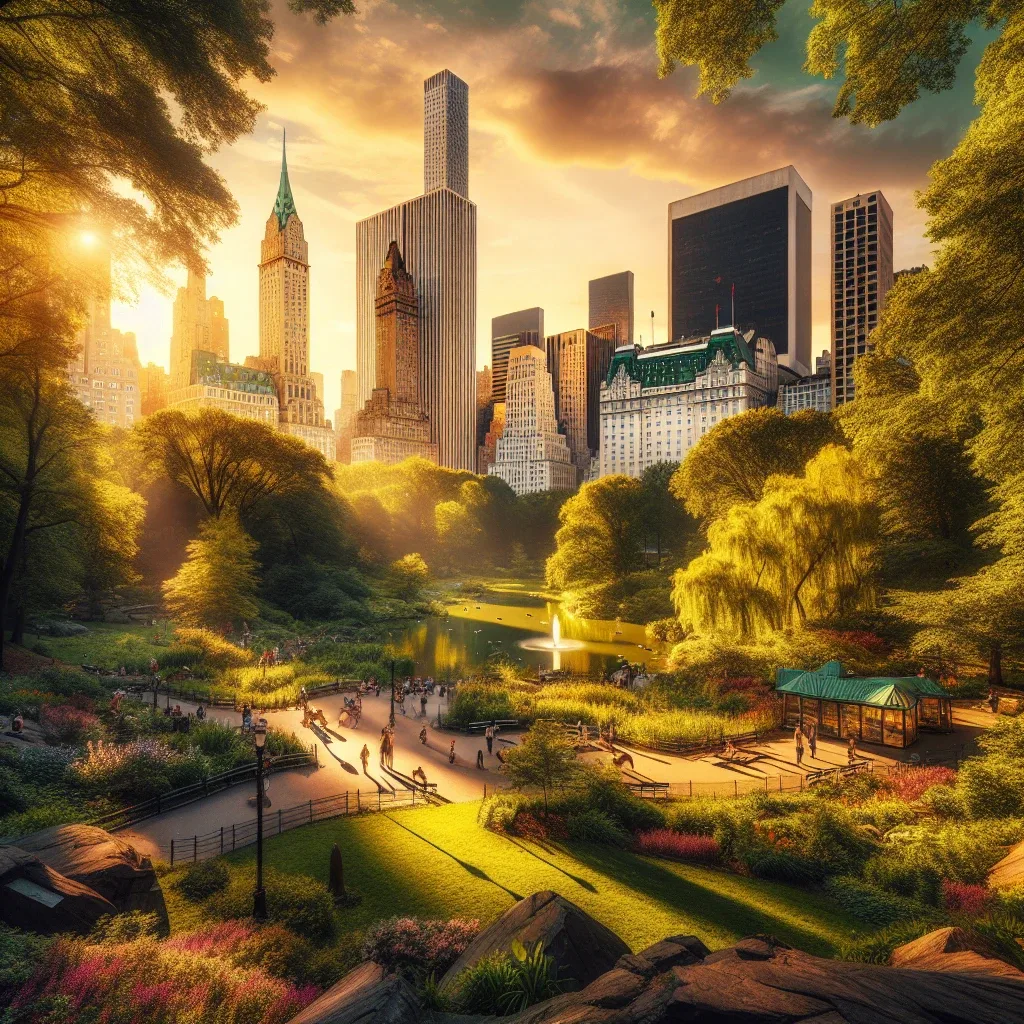
NEW YORK — Recent torrential rainfall across New York City has prompted the Central Park Conservancy to implement several critical closures within Central Park, including the iconic Great Lawn Oval, the North Ballfields, and sections of Grand Army Plaza South. The decisions, announced on Wednesday, are aimed at protecting the park's delicate turf and ensuring public safety after a week of unusually heavy precipitation.
The Great Lawn Oval, a sprawling 55-acre expanse, will remain closed indefinitely until conditions improve and the turf recovers sufficiently. This annual measure often occurs after significant weather events, preventing long-term damage from foot traffic on saturated ground. The closures underscore the Conservancy's ongoing commitment to ecological preservation.
Protecting Park Infrastructure After Heavy Rains
Data from the National Weather Service indicates that Central Park has received over 4.5 inches of rain in the past seven days, significantly higher than the average for this period. This saturation makes turf highly susceptible to compaction and erosion from pedestrian use. The Central Park Conservancy’s operations team initiated inspections Tuesday afternoon, leading to the immediate closure announcements.
Elizabeth Wilson, Director of Park Operations for the Central Park Conservancy, explained the rationale. “Our priority is always the long-term health of Central Park’s landscapes,” Wilson stated. “Walking on wet, soft ground can cause irreversible damage to the root systems and drainage infrastructure we work so hard to maintain.” She advised visitors to respect all posted signage and barricades for their own safety and the park’s integrity. Updated alerts are available on the Central Park Conservancy website.
Affected Areas and Visitor Guidance
The Great Lawn Oval, a popular destination for sunbathing and passive recreation, will feature prominent signage and temporary fencing. Similarly, the North Ballfields, used for various sports, are now off-limits to prevent damage to their playing surfaces. Grand Army Plaza South, near the bustling corner of 59th Street and 5th Avenue, has also seen sections closed due to standing water and muddy conditions.
Visitors planning activities that involve these specific areas are advised to adjust their itineraries. While the closed sections are clearly marked, the vast majority of Central Park remains open and accessible. The Conservancy encourages visitors to utilize the paved pathways and other open spaces for their enjoyment. This includes the popular Conservatory Water, where model boats sail, and the picturesque Ramble, a wild garden section.
The Science Behind Turf Management
Effective turf management in a high-traffic urban park like Central Park involves complex horticultural science. The Conservancy employs a team of agronomists and landscape specialists to monitor soil conditions, drainage, and turf health. During periods of heavy rainfall, water infiltration can exceed the soil's capacity, leading to waterlogging and anaerobic conditions that can harm grass roots.
Closures allow the soil to drain naturally and the grass to recover without the added stress of foot traffic. This preventative measure is essential for maintaining the lush, green appearance of areas like the Great Lawn, which sees millions of visitors annually. Without such interventions, these iconic landscapes would quickly degrade, impacting both aesthetics and ecosystem health. The NYC Department of Parks and Recreation provides general park information on their main city page.
Looking Ahead: Recovery and Reopening
The Central Park Conservancy will continuously monitor weather patterns and ground conditions before making decisions about reopening the closed areas. Reopening timelines are dependent on several factors, including continued dry weather, soil moisture levels, and the overall resilience of the turf. There is no set date for when the Great Lawn or ballfields will be fully accessible again.
Updates regarding the status of these closures will be posted on the Conservancy’s official website and social media channels. Park users are encouraged to check these resources before planning their visits. The Conservancy appreciates public cooperation in these efforts, understanding that temporary inconvenience contributes to the long-term enjoyment and preservation of Central Park for generations to come.
Community Impact and Support
Local residents and regular park-goers generally understand the necessity of these closures, recognizing their importance for maintaining the park’s beauty. Many expressed support for the Conservancy’s proactive approach, even if it means altering their daily routines. “It’s a small price to pay to keep the park looking good,” commented Sarah Lee, a frequent runner who uses the Central Park paths near the Reservoir.
The Central Park Conservancy relies on both public funding and private donations to support its extensive preservation efforts. Cooperation from the public in respecting closures is a direct way for individuals to contribute to the park’s well-being. This collaborative spirit ensures that Central Park remains a treasured green oasis in the heart of Manhattan.
Frequently Asked Questions About Park Closures
Why are certain areas of Central Park closed after heavy rain? Areas like the Great Lawn and North Ballfields are closed after heavy rain to prevent damage to the turf. Walking on saturated ground compacts the soil, damages grass roots, and can lead to long-term degradation of these vital green spaces, compromising both aesthetics and ecological health.
How can I find out which parts of Central Park are currently closed? The Central Park Conservancy regularly updates its official website with alerts regarding park closures. Visitors should check the Conservancy's online platforms before planning their visit to stay informed about open and closed sections.
Is the entire Central Park closed during these times? No, typically only specific sensitive areas are closed. The vast majority of Central Park, including paved pathways, roadways, and many other recreational spaces, remains open to the public. Closures are usually localized to protect turf areas. For general park information, visit NYC Parks.
How long do these closures usually last? The duration of closures depends entirely on weather conditions and the time required for the turf to recover. There is no fixed timeline; areas reopen only when the ground is sufficiently dry and stable to withstand visitor traffic without damage.
Related Articles
More in Park Operations & Maintenance →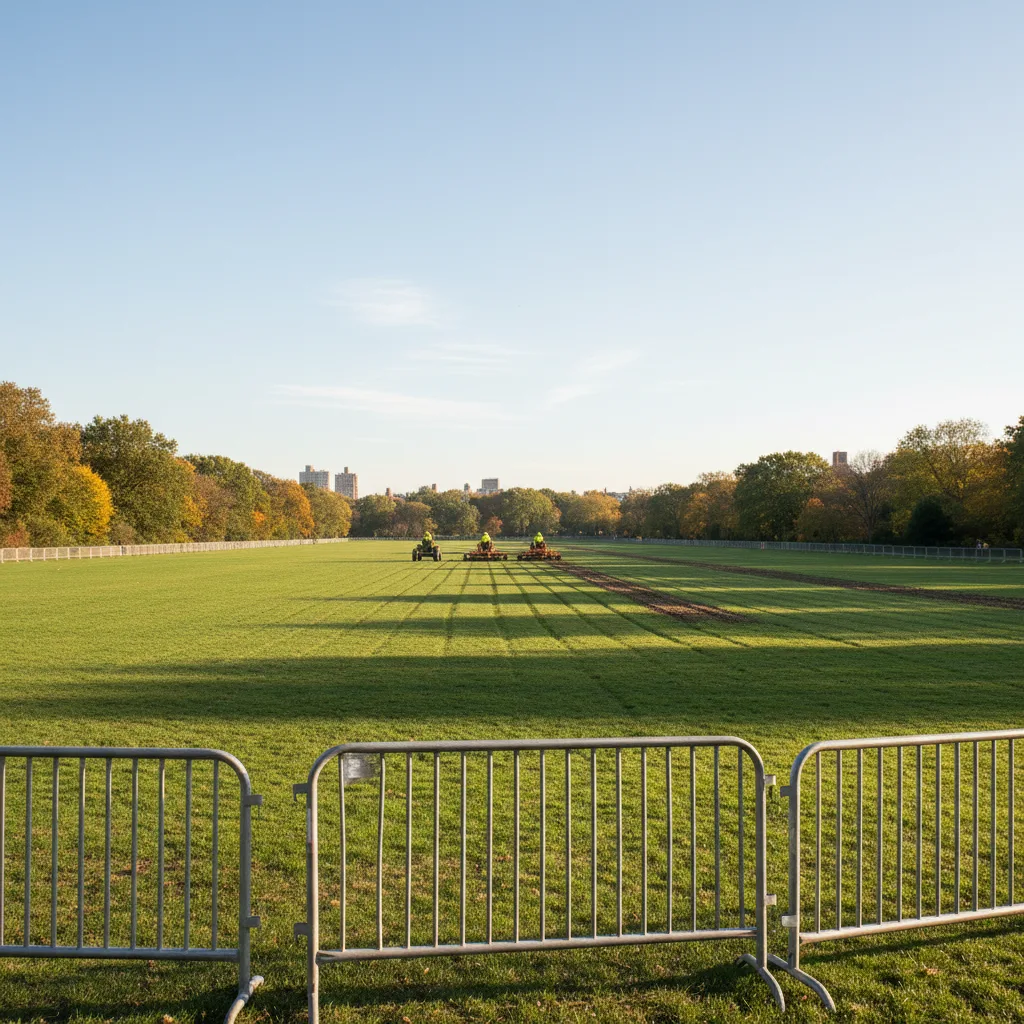
Central Park Conservancy Closes Great Lawn for Scheduled Maintenance
The Central Park Conservancy closed the Great Lawn through October 2, 2026, for scheduled maintenance, impacting weekend activities. Essential upkeep ensures the iconic green space remains vibrant for visitors.
Central Park Conservancy Announces Bethesda Fountain, Great Lawn Closures
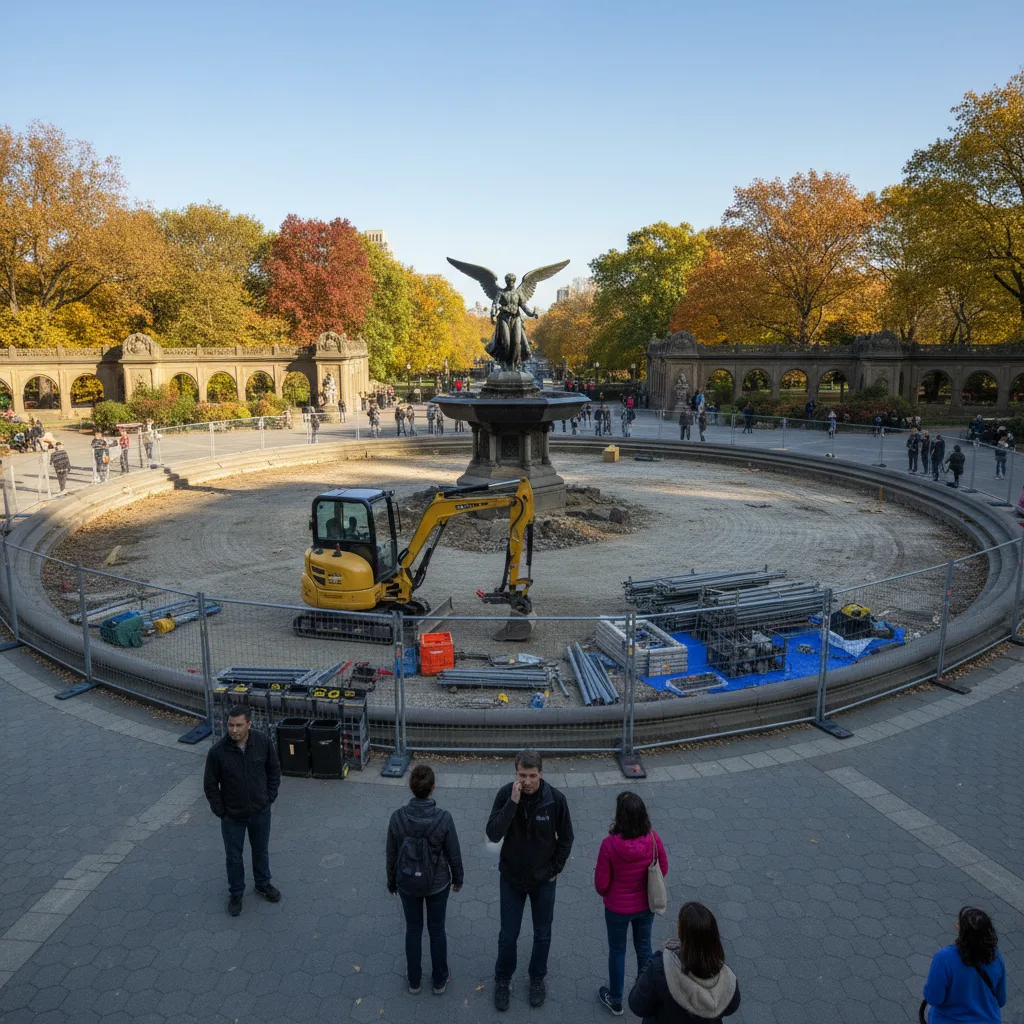
Central Park Conservancy announced Bethesda Fountain is off for restoration and the Great Lawn closed through October 2, 2026 for maintenance, affecting visitor access.
Central Park Conservancy Closes East 110th Street Playground for Restoration
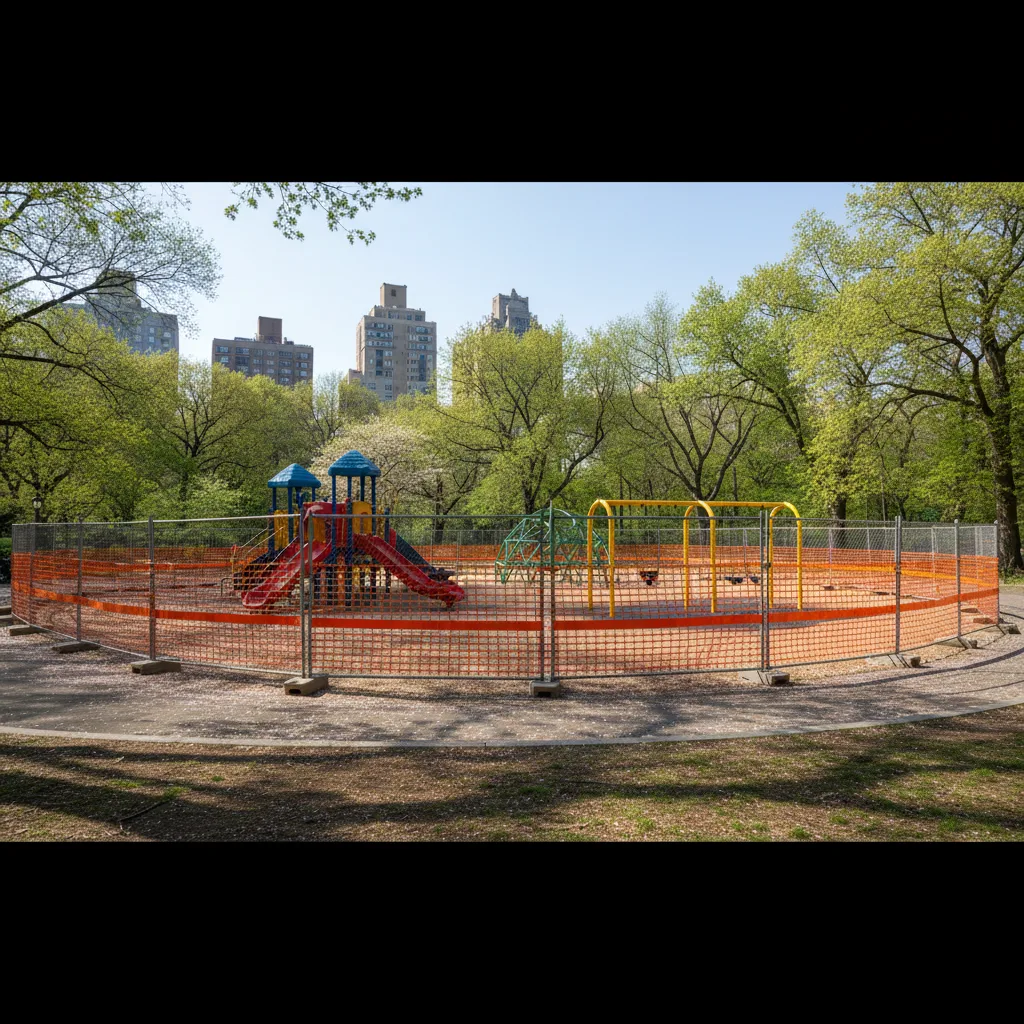
Central Park Conservancy closed the East 110th Street Playground for restoration, while North Meadow and Heckscher ballfields shut due to weather. Plan your visit; check alerts for closures impacting recreation in Central Park.
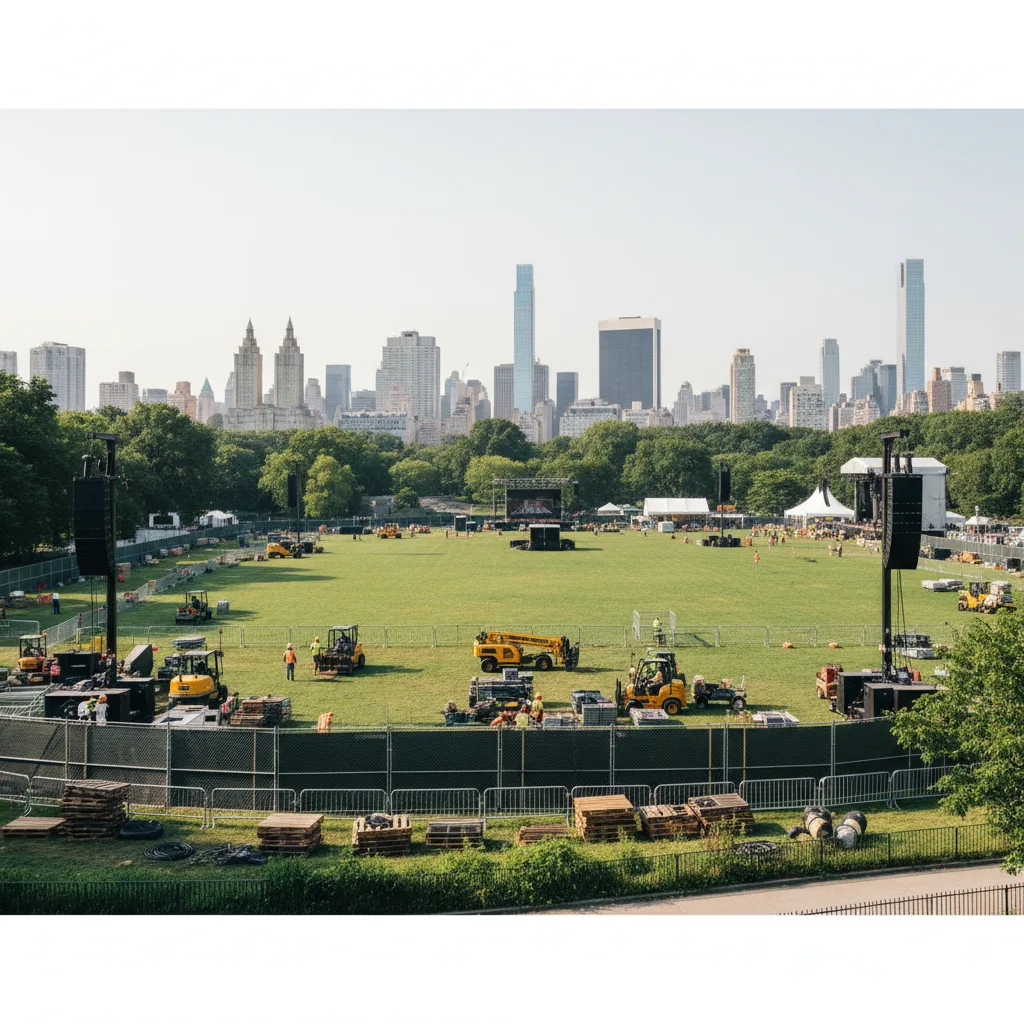
Central Park Conservancy Closes Great Lawn for Global Citizen Festival
Central Park Conservancy confirmed the Great Lawn is closed through September 26, 2026, for the Global Citizen Festival, affecting access to Belvedere Castle and Turtle Pond. Local residents and visitors should plan alternate routes and expect traffic delays around the park's perimeter.
Central Park Conservancy Confirms 2026 Daily Operating Hours
Central Park Conservancy confirms 2026 daily hours: 6:00 a.m. to 1:00 a.m. This notice is for visitor planning, not a change.
Central Park Conservancy Announces Park Hours Update for 2026
Central Park Conservancy announced updated 2026 park hours, maintaining 6:00 a.m. to 1:00 a.m. access daily. This schedule balances public enjoyment with critical maintenance and security operations.