


Central Park Conservancy Details Conservatory Garden Phase Two Restoration
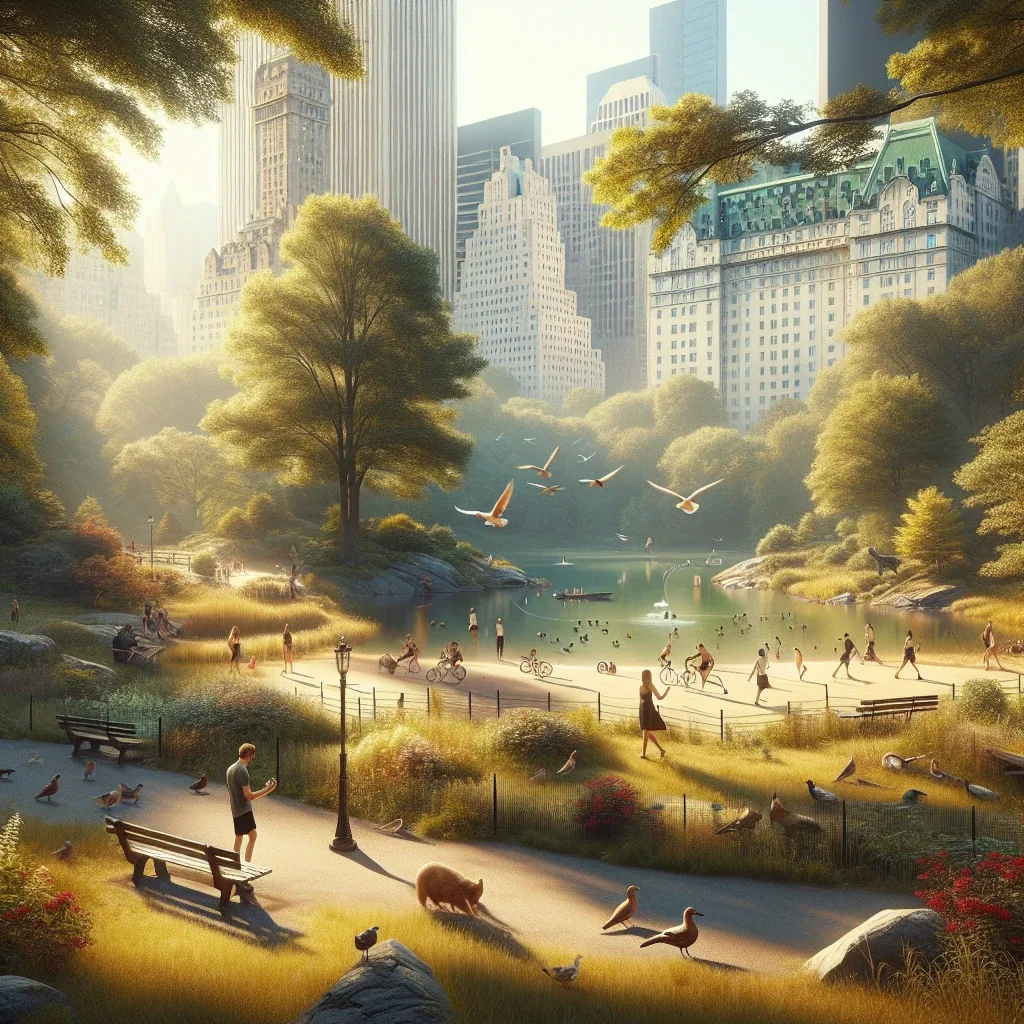
NEW YORK — The Central Park Conservancy officially announced the initiation of Phase Two for the comprehensive restoration of the iconic Conservatory Garden, a crucial step in preserving one of the park's most historically significant landscapes. This ambitious project, projected to cost an estimated $12 million, focuses on revitalizing the garden's structural integrity and horticultural heritage.
Preparatory work began quietly in late 2025, with public statements confirming the full scope of the undertaking this week. Officials from the Conservancy detailed plans to address deteriorating infrastructure, update irrigation systems, and reintroduce historically accurate plant species across the 6-acre formal garden located on the park's east side, off Fifth Avenue at 105th Street.
Preserving a Gilded Age Legacy
Karen Hadden, Chief Landscape Architect for the Central Park Conservancy, spoke at a press briefing held at the garden’s Vanderbilt Gate. "The Conservatory Garden is a jewel of Central Park, a tranquil haven that transports visitors to another era," Hadden stated, emphasizing the meticulous planning involved. "Our goal with Phase Two is not merely to repair, but to authentically restore its original splendor while integrating sustainable practices for the future."
The garden, divided into three distinct styles—Italian, French, and English—requires specialized attention for each section. Phase One, completed in 2023, focused primarily on the north end's French-style parterre, including the replanting of the 'Three Dancing Maidens' fountain area and extensive soil remediation. That initial phase came in just under its $4.5 million budget.
Key Restoration Objectives and Timelines
The current phase targets the central Italianate Garden, known for its majestic lawn and wisteria pergola, and the southern English-style garden, featuring the Secret Garden dedicated to Frances Hodgson Burnett. Work in the Italianate Garden will include structural repairs to the pergola, which supports hundreds of feet of flowering wisteria, and a complete overhaul of its underlying drainage system. Engineers confirmed the existing system, installed in the 1930s, was failing in multiple sections.
According to project documents released by the Conservancy, approximately 85% of the existing paving stones in the Italianate Garden's pathways will be temporarily removed, cleaned, and then carefully re-laid on a new, more stable substrate. This process aims to prevent future heaving and cracking, ensuring accessibility and safety for the approximately 500,000 visitors the garden attracts annually.
Horticultural Reintroduction and Sustainability
Horticultural specialists from the Conservancy are also engaged in an extensive program to reintroduce plant varieties common during the garden's early 20th-century design. This includes species like specific rose cultivars for the English Garden and various herbaceous perennials that thrived in the 1910s and 1920s. A nursery located outside the park, operated by the Conservancy, has been cultivating these specific plants for the past three years in anticipation of this phase.
"We're not just planting pretty flowers; we're meticulously researching historical records, including old plant lists and photographic evidence, to ensure botanical accuracy," explained Dr. Elias Vance, the project's lead horticulturalist. "This attention to detail is vital for maintaining the garden's historical integrity and ecological balance." The new plantings will also feature more drought-resistant varieties where appropriate, aligning with modern environmental stewardship.
Community Impact and Public Access
While construction is underway, certain sections of the Conservatory Garden will experience temporary closures, though the Conservancy aims to minimize disruption. Access to the famous Vanderbilt Gate and perimeter pathways will generally remain open, but the central lawn area and parts of the English Garden are expected to be closed for the majority of 2026. Signage and online updates will provide current access information.
The project is largely funded through private donations and grants, with a significant contribution from the Friends of Central Park philanthropic organization. "The community's commitment to Central Park's upkeep is unwavering," said Mark Jenkins, President of the Friends of Central Park. "Their generosity makes these monumental restorations possible, ensuring future generations can enjoy this urban oasis." Initial fundraising efforts secured over $9 million for this phase.
Future Prospects for the Conservatory Garden
Phase Two is anticipated to conclude by late 2026, with a grand reopening ceremony planned for spring 2027. Following this, the Conservancy will conduct a comprehensive assessment for potential Phase Three work, which may include further improvements to the garden's water features and boundary plantings. The long-term vision is a fully restored garden capable of withstanding the rigors of heavy visitation and changing climate patterns.
The Conservancy encourages the public to visit its website for updates on Central Park restoration projects and volunteer opportunities. These efforts underline the ongoing dedication required to maintain the park's status as a world-class green space in the heart of Manhattan.
Frequently Asked Questions about Conservatory Garden Restoration
How long will Phase Two of the Conservatory Garden restoration take? Phase Two is expected to last through most of 2026, with an anticipated completion by late 2026. A full reopening is being planned for spring 2027, allowing newly planted areas time to establish. What areas of the garden will be affected by the closures? The primary impact will be on the central Italianate Garden's lawn and pergola areas, as well as portions of the southern English-style garden. The Conservancy aims to keep perimeter pathways and the Vanderbilt Gate accessible when possible, but visitors should check for specific closure updates. How is the restoration project being funded? The $12 million Phase Two project is being funded primarily through a combination of private donations, philanthropic grants, and contributions from organizations like the Friends of Central Park. The Central Park Conservancy is continuously seeking additional support to complete such large-scale initiatives. Will the historic plant varieties be accurately replicated? Yes, horticultural specialists are diligently researching historical records, including original plant lists and archival photographs, to ensure the reintroduction of botanically accurate and historically appropriate plant species. This commitment extends to careful sourcing and cultivation of these specific varieties.
Related Articles
More in Arts & Culture →
Central Park Film Festival Returns October 6-9, 2026
Central Park's Film Festival returns October 6-9, 2026, offering free outdoor cinematic experiences. This annual event attracts thousands, enhancing the city's cultural landscape. Plan your visit now.
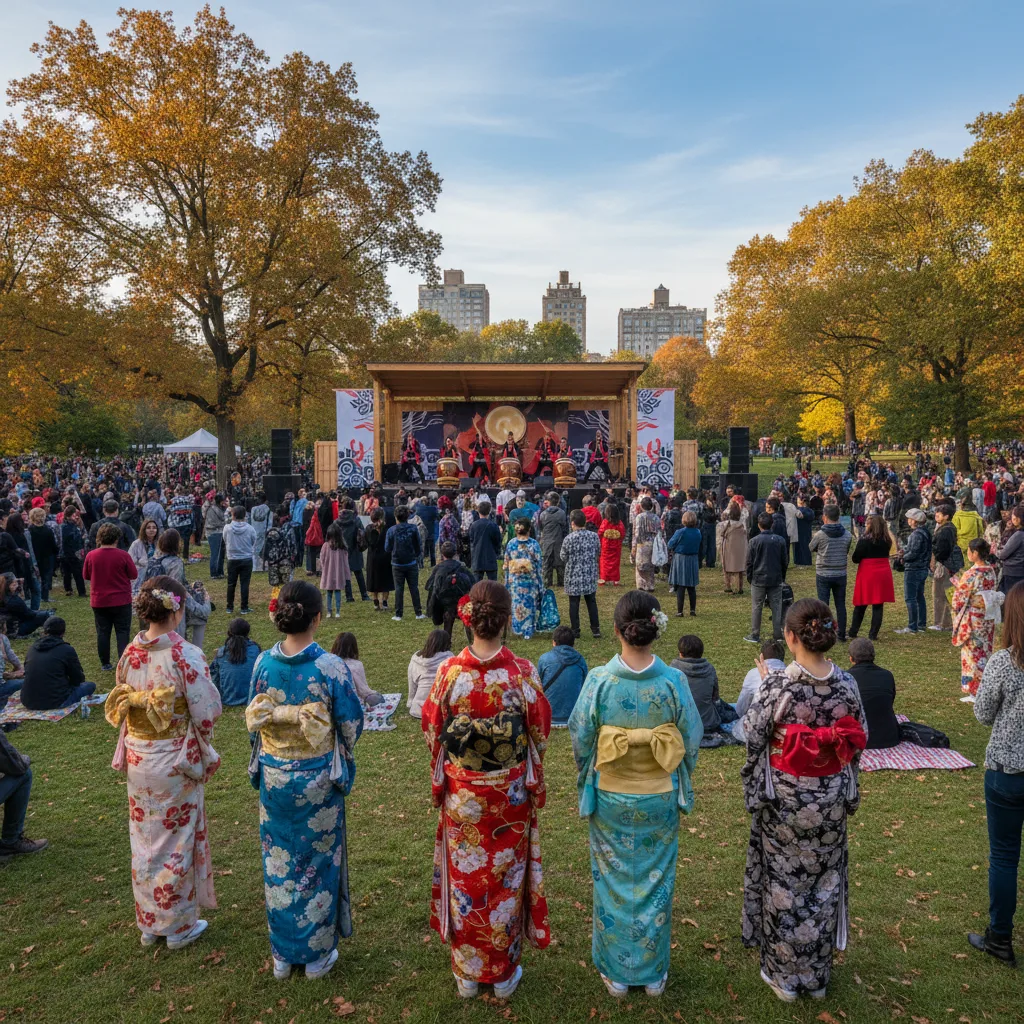
Central Park Hosts October 3 Japanese Buddhist Fall Festival
Central Park will host a Japanese Buddhist Fall Festival on October 3, 2026, alongside the Madison Avenue Fall Gallery Walk. This offers New Yorkers diverse cultural experiences and celebrates global traditions.
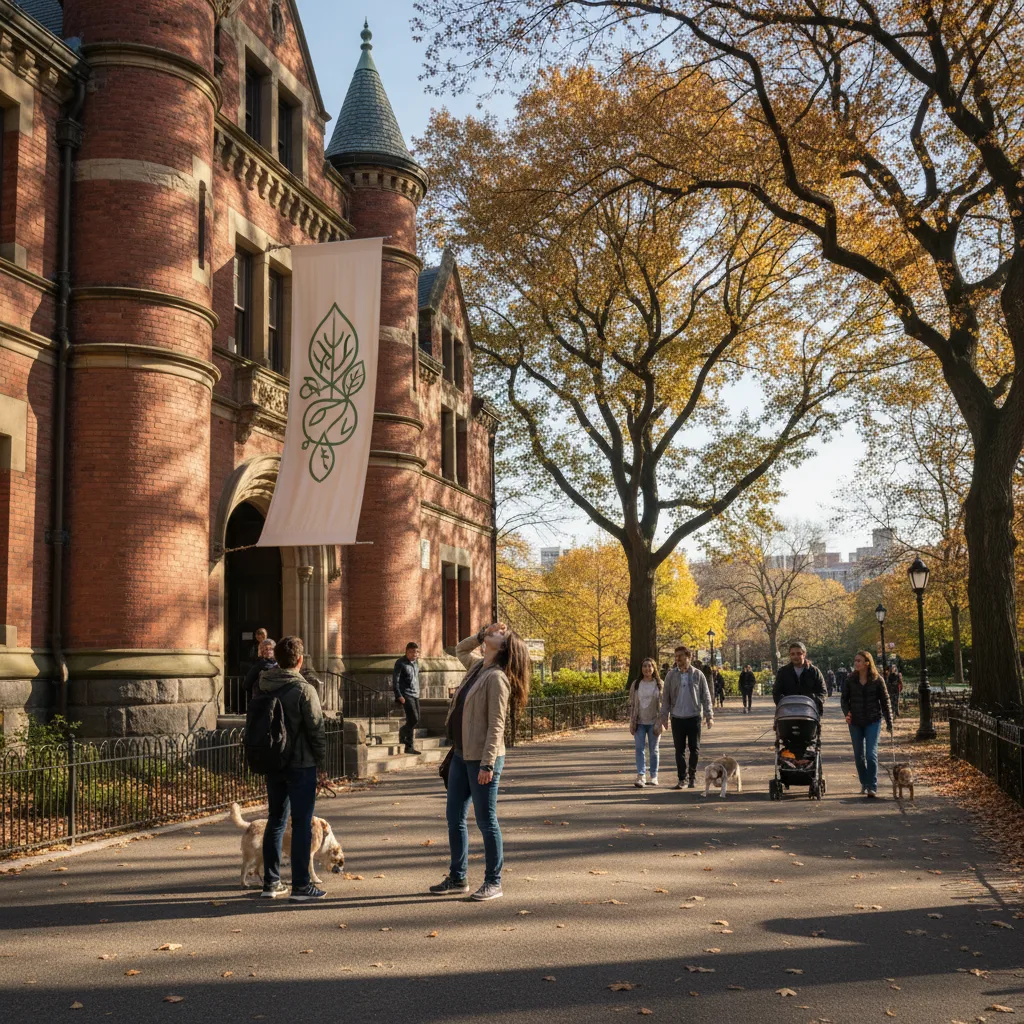
Arsenal Gallery Unveils "New Dendrology" Art Exhibition in Central Park
Central Park's Arsenal Gallery presents "New Dendrology," a group exhibition exploring trees and human connection through art. It runs 9 a.m. to 5 p.m. daily.
Central Park: A Historical Overview from 1858 to Present Day
Central Park, created in 1858 to meet NYC's recreational needs, now attracts 42 million annual visitors, many unaware of its deep history.
New York Swings with Josh Lee & The Family September 30, 2026
Josh Lee and The Family will present “New York Swings” on September 30, 2026, featuring Lindy Hop and live swing-era jazz music. Experience vintage jazz and dance in the heart of NYC.
Central Park Conservancy Hosts Seneca Village Tours September 27
Central Park Conservancy hosted Seneca Village Tours on September 27, 2026, exploring the history of the pre-park African-American community from West 82nd to 89th Street.