


Central Park Conservancy Details 2026 Ecological Restoration Efforts

NEW YORK — "Our commitment to preserving Central Park's natural ecosystems has never been stronger, especially as climate challenges evolve," declared Elizabeth Sterling, President and CEO of the Central Park Conservancy, yesterday. Her remarks came during a detailed presentation outlining the Conservancy’s ambitious 2026 ecological restoration initiatives across the iconic 843-acre urban oasis.
The comprehensive plan focuses on enhancing biodiversity, improving water quality, and ensuring the long-term resilience of the park's diverse landscapes. These efforts are crucial for maintaining Central Park as a vital green lung for New York City, according to park ecologists.
Protecting Central Park's Urban Ecosystem
Central Park is home to over 20,000 trees, 275 bird species, and numerous other plant and animal communities, making it a critical urban ecosystem. The 2026 restoration plan specifically targets the woodlands, wetlands, and horticultural zones that comprise a significant portion of the park's acreage.
Key projects include the reforestation of 10 acres of woodland in the North Woods, utilizing native tree species known for their climate resilience and ability to support local wildlife. This area, often considered the park’s most wild and remote, provides vital habitat.
"The North Woods is particularly vulnerable to invasive species and soil erosion, which is why our focused reforestation efforts there are so important," explained Dr. Alan Finch, Senior Ecologist for the Central Park Conservancy. Dr. Finch noted that approximately 5,000 new trees and shrubs will be planted in this zone alone by year-end.
Water Quality and Wetland Rehabilitation
Another major component of the 2026 initiative is the extensive rehabilitation of the park’s water bodies, including the Lake, Harlem Meer, and various streams and ponds. Efforts will concentrate on improving water quality and restoring natural wetland habitats that serve as crucial filtering systems.
Crews are slated to remove nearly 300 cubic yards of accumulated sediment from parts of the Lake and Harlem Meer, a process that significantly enhances water circulation and reduces algal blooms. This work will benefit fish populations and migratory birds that rely on these water features.
"Clean water is fundamental to a healthy park, supporting everything from aquatic life to the aesthetic experience for millions of visitors," commented Sterling. She told reporters that the Conservancy's water quality monitoring program conducts over 500 tests annually across 20 different sampling points within the park's waterways. For more on the park's environmental strategies, see the NewsNow Central Park coverage.
Community Engagement and Volunteerism
The success of these ecological projects heavily relies on community involvement and the dedicated efforts of thousands of volunteers. The Conservancy plans to expand its volunteer programs in 2026, offering more opportunities for New Yorkers to directly participate in park stewardship.
Volunteer activities range from planting new trees and maintaining garden beds to assisting with trail clearings and invasive species removal. These hands-on programs educate the public about ecological principles and foster a sense of shared responsibility for the park.
"Engaging the community is absolutely vital. When people physically contribute to the park's well-being, they become its most passionate advocates," said Maria Sanchez, Director of Volunteer Services. Sanchez confirmed that over 6,000 volunteers contributed more than 30,000 hours to park maintenance in 2025, and higher numbers are projected for 2026.
Long-Term Vision for a Resilient Park
The 2026 ecological restoration efforts are part of a broader, multi-year strategic vision to ensure Central Park's resilience against the impacts of climate change and continued urban development. This includes researching drought-resistant plant species and implementing advanced storm water management solutions.
The Conservancy is collaborating with urban planning experts and environmental scientists from Columbia University to integrate cutting-edge research into practical park management. This partnership aims to position Central Park as a model for sustainable urban green spaces worldwide.
Future initiatives include expanding native plant gardens and promoting natural pest control methods, reducing reliance on chemical treatments. These ecologically sound practices are central to the park's mission of preserving its natural beauty and ecological integrity for future generations. For context on broader park events, you might be interested in the Central Park lawn bowling 100th anniversary 2026.
Frequently Asked Questions About Central Park Conservancy's Efforts
What are the primary goals of the Central Park Conservancy’s 2026 ecological restoration plan? The plan aims to enhance biodiversity, improve water quality across all park water bodies, and ensure the long-term ecological resilience of Central Park against environmental challenges. It focuses on woodlands, wetlands, and horticultural areas.
How does the Conservancy address invasive species in Central Park? The Conservancy employs a multi-faceted approach to manage invasive species, including manual removal by staff and volunteers, strategic planting of native species to outcompete invasives, and targeted ecological restoration projects in vulnerable areas like the North Woods.
Can individuals volunteer to help with conservation efforts in Central Park? Yes, the Central Park Conservancy offers numerous volunteer opportunities throughout the year, ranging from planting and gardening to trail maintenance and environmental education. Information on how to sign up is available on their official website.
What measures are being taken to improve water quality in the park's lakes and ponds? Efforts include extensive sediment removal from water bodies like the Lake and Harlem Meer, rehabilitation of wetland habitats that naturally filter water, and ongoing monitoring of water quality parameters. These actions support aquatic life and overall park health.
How does the Central Park Conservancy collaborate with external partners on research? The Conservancy actively partners with academic institutions, such as Columbia University, and environmental experts to conduct research on climate resilience, sustainable horticulture, and urban ecology, integrating scientific findings into park management practices.
Related Articles
More in Wildlife & Nature →
Central Park Boathouse Bird Watching Tour Offers Educational Experience
Central Park Boathouse offers an educational bird watching tour, providing visitors an opportunity to observe avian species. This experience connects locals with nature, enhancing appreciation for park wildlife.
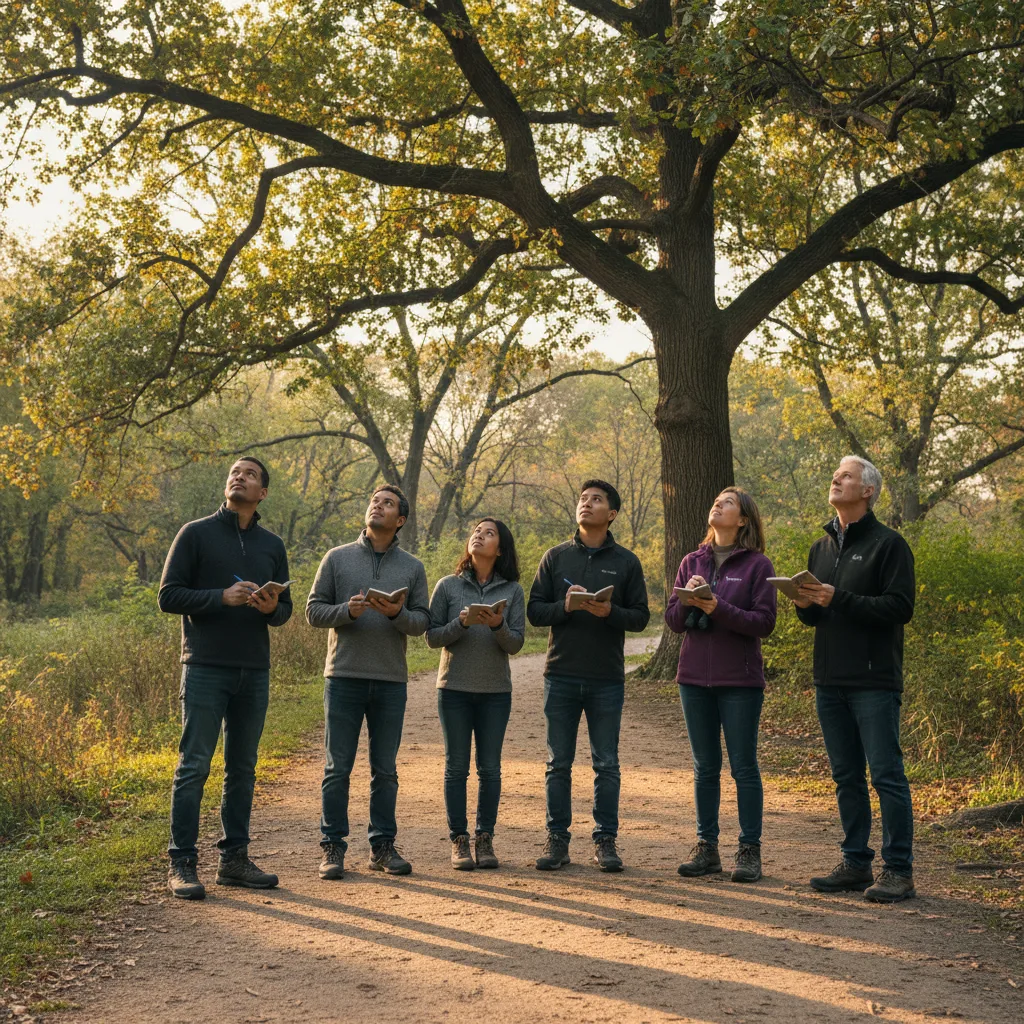
Central Park Event Calendar Features Climate Week Activities September 27
Central Park's event calendar for September 27, 2026, included a Climate Week-aligned "Journal, Meditation, + Bird Walk," promoting environmental awareness.
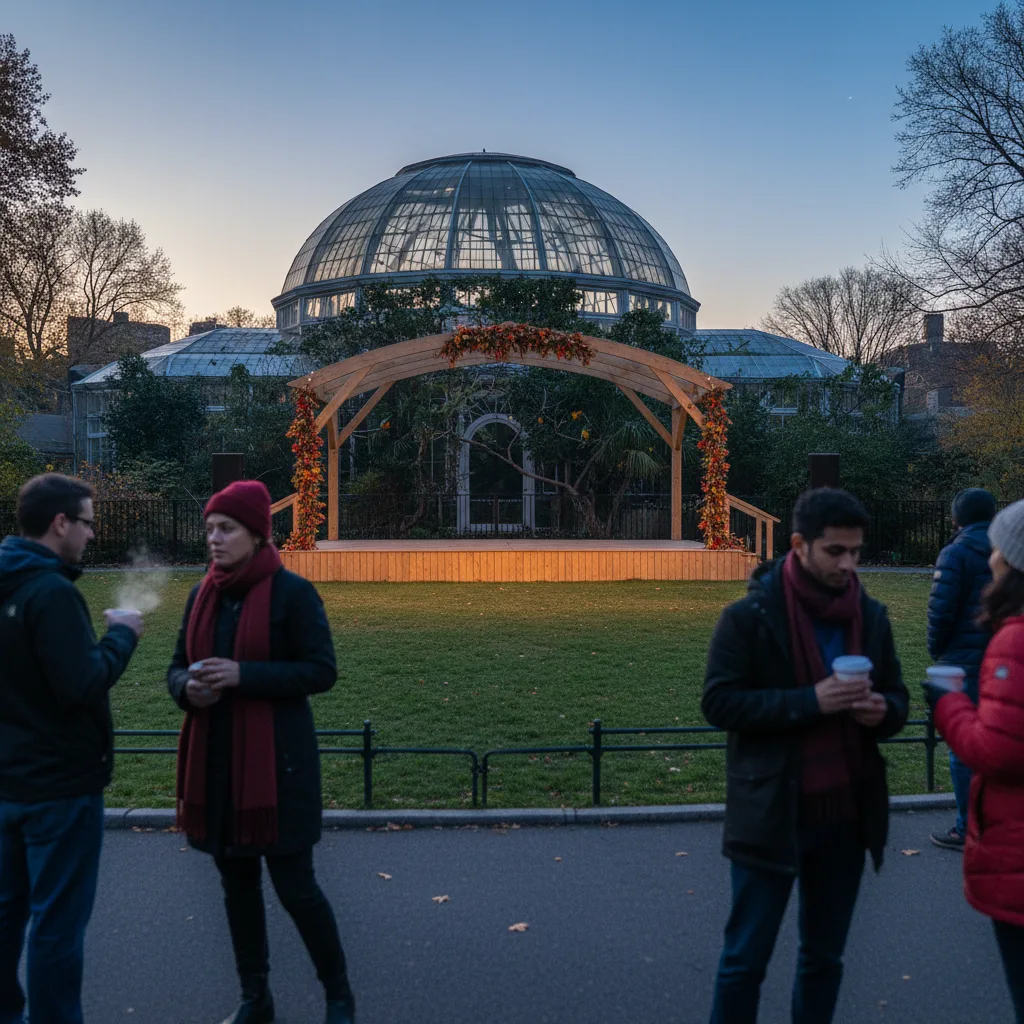
Wildlife Conservation Society Awards Lovejoy Prize at Central Park Zoo
Wildlife Conservation Society awards 2026 Thomas E. Lovejoy Prize today at Central Park Zoo during Climate Week in New York City.
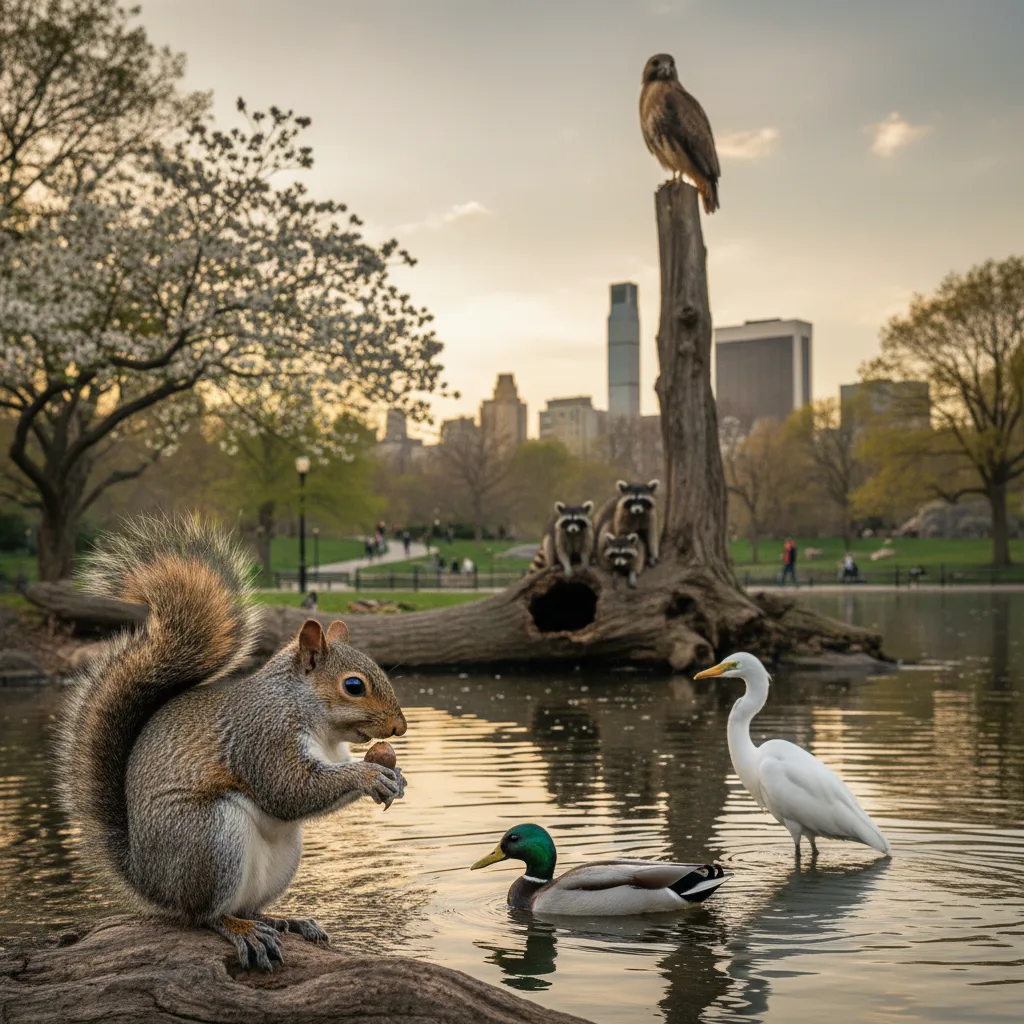
A Guide to Central Park's Wildlife: What to Know About the Park's Animals and Ecosystem
Discover the diverse Central Park wildlife, from birds and mammals to aquatic life. Learn responsible observation tips and conservation efforts for 2026.
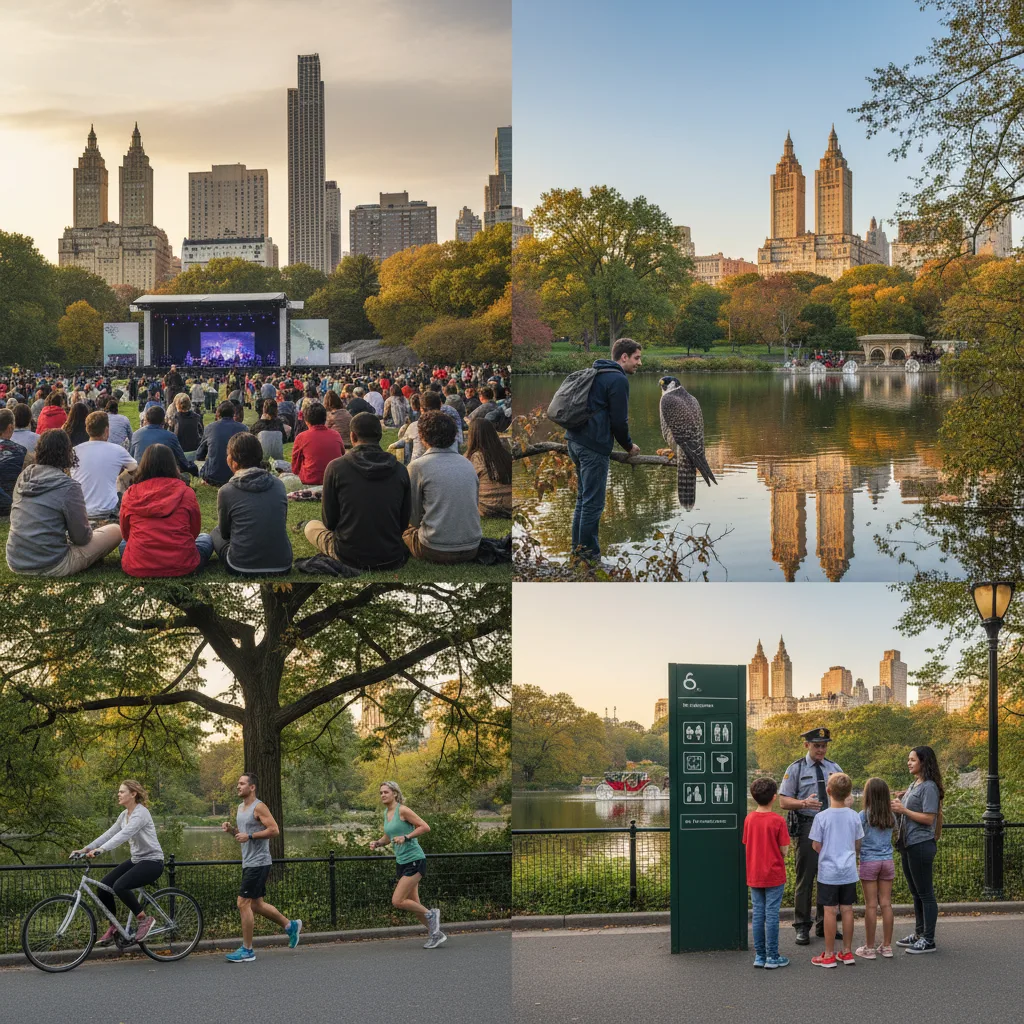
A Guide to Central Park's Top Activities and Best Things to Do in 2026
Discover the best things to do in Central Park, NYC, with our comprehensive 2026 guide to iconic landmarks, activities, and hidden gems for visitors.
A Guide to What to Know About the Vatican Obelisk in Central Park 2026
Discover what to know about the Vatican Obelisk (Cleopatra's Needle) in Central Park, its history, journey to NYC, and where to find it in 2026.