


Central Park Conservancy Introduces New Environmental Education Programs
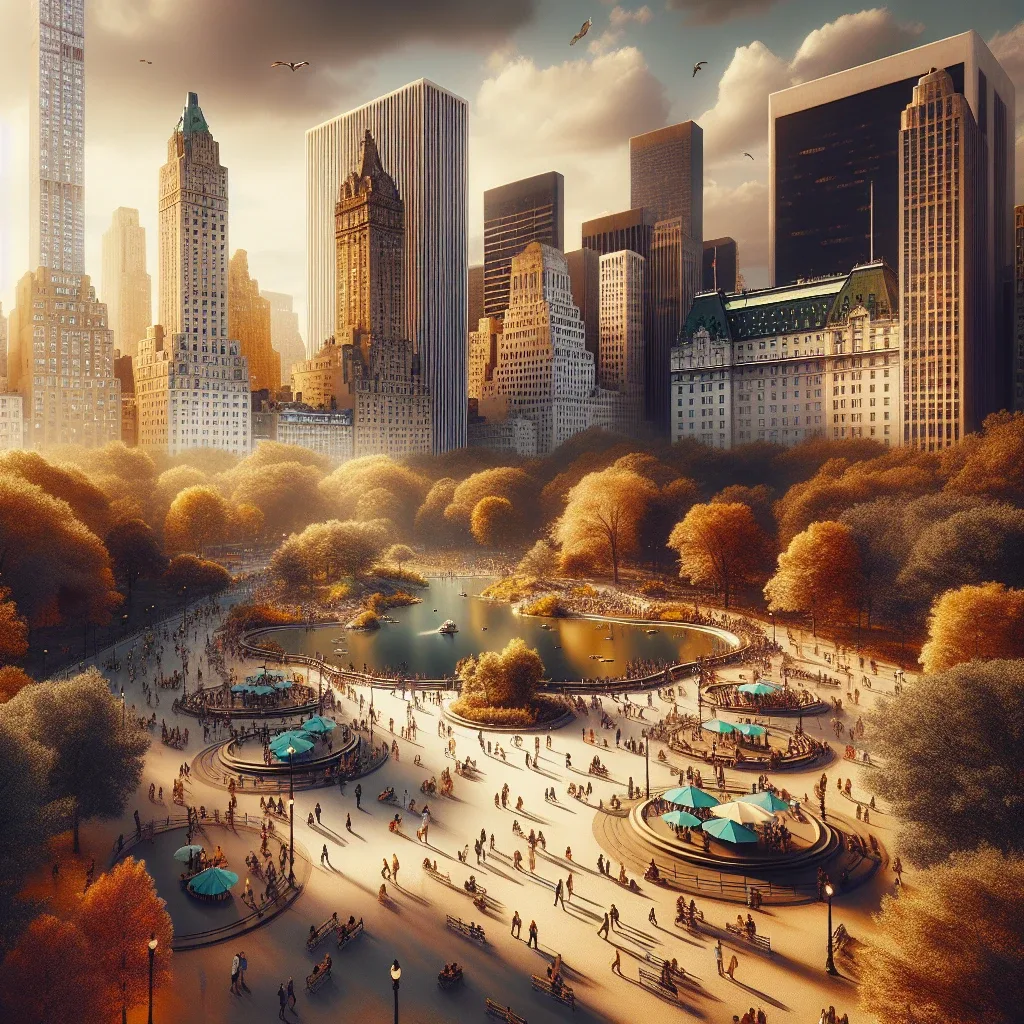
NEW YORK — Central Park Conservancy announced the launch of a comprehensive suite of new environmental education programs for 2026, aimed at engaging New Yorkers of all ages in the ecological health of the city's iconic green space. The initiative seeks to foster greater stewardship and understanding of urban ecosystems.
The programs, designed in collaboration with local schools and environmental organizations, offer hands-on learning experiences focusing on biodiversity, conservation, and sustainable park practices. This educational push comes as the Conservancy celebrates 45 years of dedicated park management. "Central Park is a living classroom," said Anne Johnson, Vice President of Education at the Central Park Conservancy, at a launch event held at the Charles A. Dana Discovery Center on January 25, 2026. "These programs will connect thousands with the natural world, right here in Manhattan."
Targeted Learning for Diverse Audiences
The new offerings include guided nature walks tailored for elementary school students, advanced workshops on urban tree care for high schoolers, and citizen science initiatives for adults. A key component is the "Park Protectors" series, which involves participants in habitat restoration projects, such as planting native species in the North Woods.
These programs emphasize experiential learning, moving beyond classroom settings into the park's diverse landscapes. From the delicate ecosystems of the Hallett Nature Sanctuary to the engineered beauty of the Conservatory Garden, every corner of the park serves as a potential learning site. The Conservancy anticipates over 10,000 participants in the first year.
Collaborations and Funding for Education
The Conservancy has secured a $2.5 million grant from the Mellon Foundation to support these expanded educational efforts. This funding will cover curriculum development, staffing for dedicated educators, and the creation of new interpretive materials. Partnerships with institutions like the American Museum of Natural History will enrich content.
Sarah Lee, Director of Community Engagement for the Conservancy, underscored the importance of external support. "Our partners are instrumental in reaching broader audiences and bringing expert knowledge into our programs," Lee told reporters. "This collaborative approach ensures our educational impact is both deep and wide, from Harlem Meer to the Pond at 59th Street."
Impact on Conservation and Sustainability
The new programs are expected to have a tangible impact on the park's long-term sustainability goals. By educating visitors about responsible park use, the Conservancy aims to reduce litter, prevent damage to plant life, and promote respectful enjoyment of wildlife. This aligns with broader urban ecological initiatives.
Participants will learn about the challenges of maintaining an urban park, including managing stormwater runoff and protecting against invasive species. The curriculum highlights the Conservancy's 15-year master plan for ecological restoration, emphasizing areas like the Ramble and the Pond. Explore Central Park's ecological initiatives.
Promoting Accessibility and Inclusivity
Ensuring these educational opportunities are accessible to all New Yorkers is a primary focus. The Conservancy is offering scholarships for underserved communities and developing programs specifically for individuals with disabilities. All materials will be available in multiple languages to reflect the city's diversity.
Efforts also include reaching out to community centers and youth organizations in adjacent neighborhoods, particularly those in Harlem and the Upper West Side. The goal is to break down barriers to participation and make Central Park's natural wonders available to everyone. Discover more about park accessibility.
Frequently Asked Questions about Central Park Education Programs
What new educational programs are being launched in Central Park? The Central Park Conservancy is introducing a comprehensive suite of new environmental education programs for 2026, targeting all ages with hands-on learning about biodiversity, conservation, and sustainable park practices.
Who are these programs for? The programs are designed for diverse audiences, including elementary school students, high schoolers, and adults. Special initiatives like the "Park Protectors" series involve community members in restoration efforts.
How are these programs being funded? A $2.5 million grant from the Mellon Foundation, along with partnerships with local schools and environmental organizations, provides funding for curriculum development, staffing, and materials.
What is the goal of these environmental education initiatives? The primary goal is to foster greater stewardship of Central Park's ecological health, educate New Yorkers on conservation, and promote responsible and respectful enjoyment of the park's natural environment.
Related Articles
More in Wildlife & Nature →
Central Park Boathouse Bird Watching Tour Offers Educational Experience
Central Park Boathouse offers an educational bird watching tour, providing visitors an opportunity to observe avian species. This experience connects locals with nature, enhancing appreciation for park wildlife.
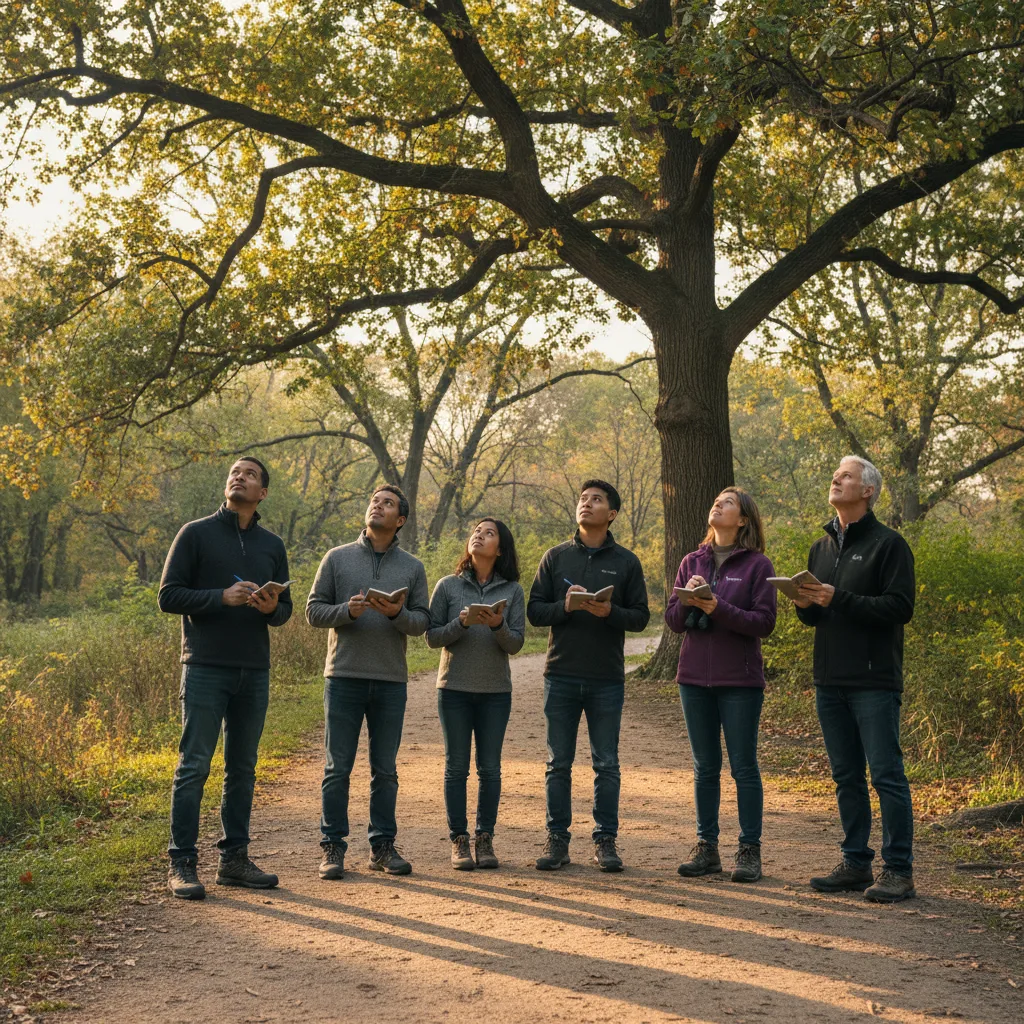
Central Park Event Calendar Features Climate Week Activities September 27
Central Park's event calendar for September 27, 2026, included a Climate Week-aligned "Journal, Meditation, + Bird Walk," promoting environmental awareness.
Wildlife Conservation Society Awards Lovejoy Prize at Central Park Zoo
Wildlife Conservation Society awards 2026 Thomas E. Lovejoy Prize today at Central Park Zoo during Climate Week in New York City.
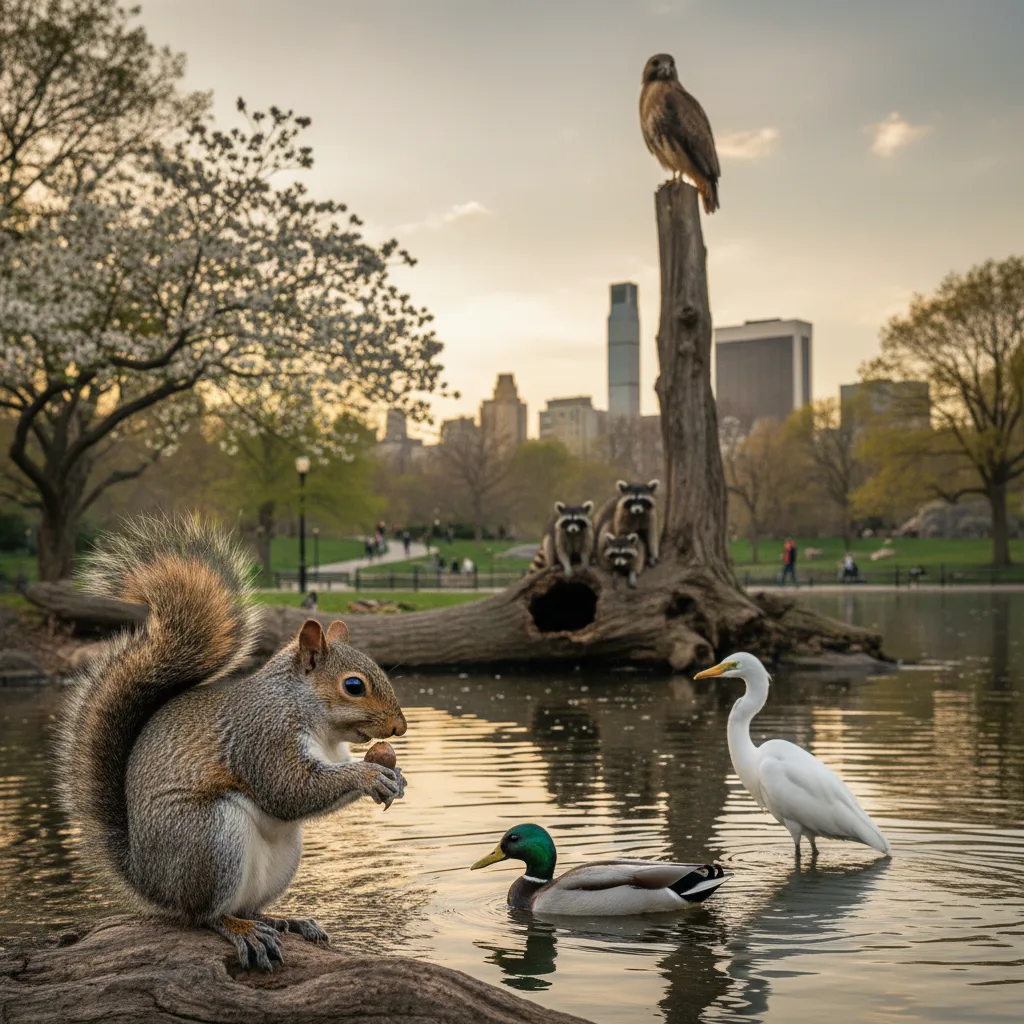
A Guide to Central Park's Wildlife: What to Know About the Park's Animals and Ecosystem
Discover the diverse Central Park wildlife, from birds and mammals to aquatic life. Learn responsible observation tips and conservation efforts for 2026.
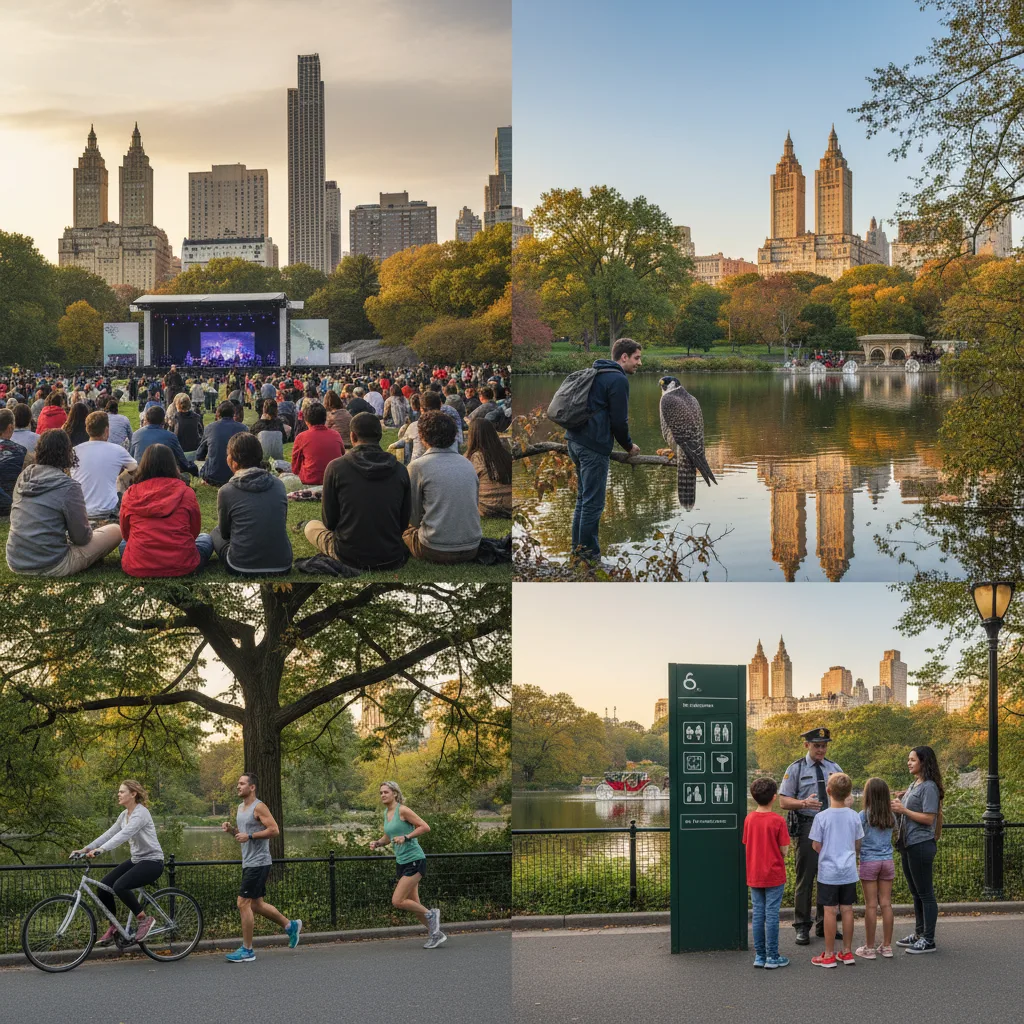
A Guide to Central Park's Top Activities and Best Things to Do in 2026
Discover the best things to do in Central Park, NYC, with our comprehensive 2026 guide to iconic landmarks, activities, and hidden gems for visitors.
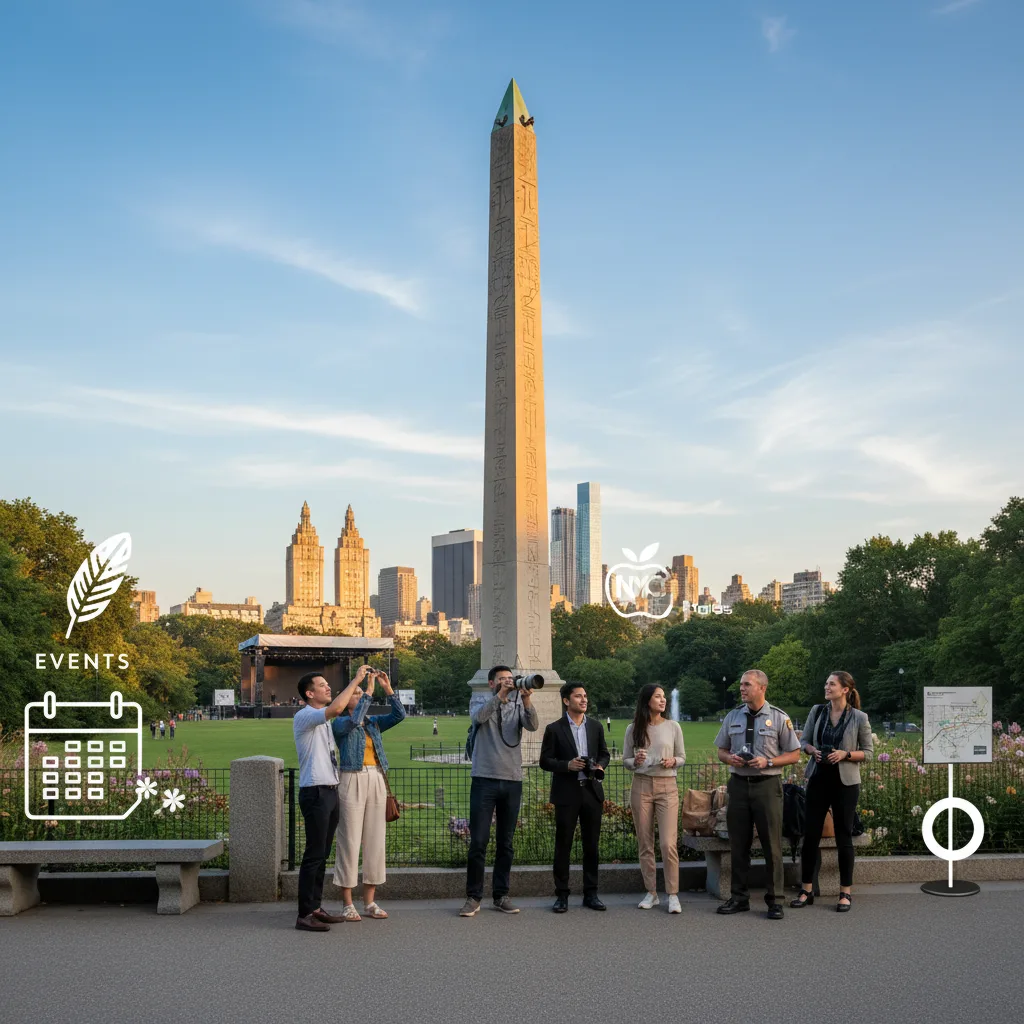
A Guide to What to Know About the Vatican Obelisk in Central Park 2026
Discover what to know about the Vatican Obelisk (Cleopatra's Needle) in Central Park, its history, journey to NYC, and where to find it in 2026.