


Central Park Conservancy Issues New Health Guidelines for Visitors

NEW YORK — In a proactive measure to safeguard public health, the Central Park Conservancy today, January 5, 2026, released updated health guidelines for all visitors, strongly recommending the continued use of face coverings and adherence to social distancing protocols. These recommendations come amidst seasonal public health advisories and the Conservancy's ongoing commitment to a safe park environment.
"The health and safety of our visitors and staff remain our highest priority," stated Sarah Rodriguez, Director of Park Operations for the Central Park Conservancy, during a morning announcement. "While Central Park remains fully open to the public, we urge everyone to be mindful of these simple steps to protect themselves and others as we navigate ongoing public health considerations."
Conservancy Reaffirms Safety Protocols
The new guidelines, prominently displayed on the Central Park Conservancy's official website and at key park entrances, emphasize two primary recommendations. First, visitors are strongly encouraged to wear a face covering, particularly in crowded areas like the Mall, Bethesda Terrace, or near popular attractions such as the Central Park Zoo. Second, maintaining a distance of at least 6 feet from individuals outside of one's immediate household remains a critical preventative measure.
These recommendations align with current advisories from the New York City Department of Health and Mental Hygiene (DOHMH) concerning respiratory virus transmission during the winter months. While no specific new variant or outbreak was cited, the Conservancy's move reflects a cautious approach to public health management in a heavily trafficked public space. The park welcomes an estimated 42 million visitors annually.
"Our aim is to provide clear, actionable advice that allows everyone to enjoy the park responsibly," Rodriguez further explained. "These are not mandates, but rather strong recommendations based on best public health practices. We appreciate the community's cooperation in helping keep Central Park a healthy place for all." The Central Park Conservancy alerts page [https://www.centralparknyc.org/alerts] provides the most up-to-date information.
Impact on Park Experience and Public Response
The re-emphasis on face coverings and social distancing is generally met with understanding from regular park-goers, many of whom have grown accustomed to such measures. However, some visitors express a desire to move beyond such protocols, reflecting a broader public debate about individual liberties versus collective health responsibilities. The guidelines apply to all areas of the park, from the North Woods to the Pond near Grand Army Plaza.
Surveys conducted by the DOHMH in late 2025 indicated that approximately 65% of New Yorkers reported wearing a face covering in crowded indoor public spaces, but only about 30% did so outdoors. The Conservancy hopes to increase outdoor compliance through its clear recommendations. Signage detailing the guidelines has been updated across the park, including at prominent locations like Strawberry Fields and the Naumburg Bandshell.
"I think it's a good idea, especially with so many people in the park," commented David Chen, a daily dog walker near the Central Park Boathouse. "It's about being considerate to others. A little mask doesn't hurt anyone." This sentiment, shared by many, underscores a community-minded approach to public health. For more general news about Central Park, readers can check ABC7 New York's Central Park page [https://abc7ny.com/place/central-park/].
Operational Consistency and Staff Preparedness
The Central Park Conservancy staff and park rangers have been briefed on the updated guidelines to ensure consistent communication with visitors. While enforcement beyond polite reminders is not the primary focus, staff are prepared to answer questions and distribute educational materials. The Conservancy continues to monitor local and national public health trends closely.
Cleaning protocols for high-touch surfaces, such as benches, handrails, and playground equipment, will also remain at an elevated level. These enhanced sanitation efforts, initiated during earlier public health crises, have become standard operating procedure within the park's maintenance routines. Over 300 park workers are involved in these daily operations.
The Conservancy's approach highlights a strategy of adaptive management, allowing for adjustments to park policies based on evolving scientific understanding and community needs. This ensures that Central Park can continue to serve as a vital green space for relaxation, exercise, and connection, even under fluctuating public health conditions.
Looking Ahead: A Safe and Accessible Oasis
The 2026 health guidelines are part of a continuous effort by the Central Park Conservancy to provide a safe and welcoming environment for all. By advocating for simple, effective preventative measures, the Conservancy aims to minimize health risks without restricting access to the park's restorative benefits. The emphasis remains on personal responsibility and community solidarity.
As the seasons change and public health landscapes evolve, the Conservancy will continue to review and revise its guidelines as necessary. The overarching goal is to maintain Central Park as an accessible, beautiful, and healthy urban oasis for millions of residents and tourists. The Conservancy's commitment extends to ensuring every visit is enjoyable and secure.
Frequently Asked Questions (FAQ)
Q: What are the new health guidelines for Central Park visitors? A: The Central Park Conservancy is strongly recommending that all visitors wear face coverings in crowded areas and maintain at least 6 feet of social distance from others outside their household.
Q: Are face coverings mandatory in Central Park? A: No, the Central Park Conservancy's guidelines are recommendations, not mandates. They are based on public health advisories and the Conservancy's commitment to safety.
Q: Why are these guidelines being issued now? A: These guidelines are issued in response to seasonal public health advisories concerning respiratory virus transmission, particularly during the winter months, and as part of the Conservancy's ongoing efforts to ensure a safe environment.
Q: Where can I find the most current information on Central Park health guidelines? A: The most current and detailed information on Central Park's health guidelines can be found on the official Central Park Conservancy alerts page on their website.
Q: How many people visit Central Park annually? A: Central Park welcomes an estimated 42 million visitors annually, making public health management a significant operational consideration for the Conservancy.
Related Articles
More in Safety & Crime →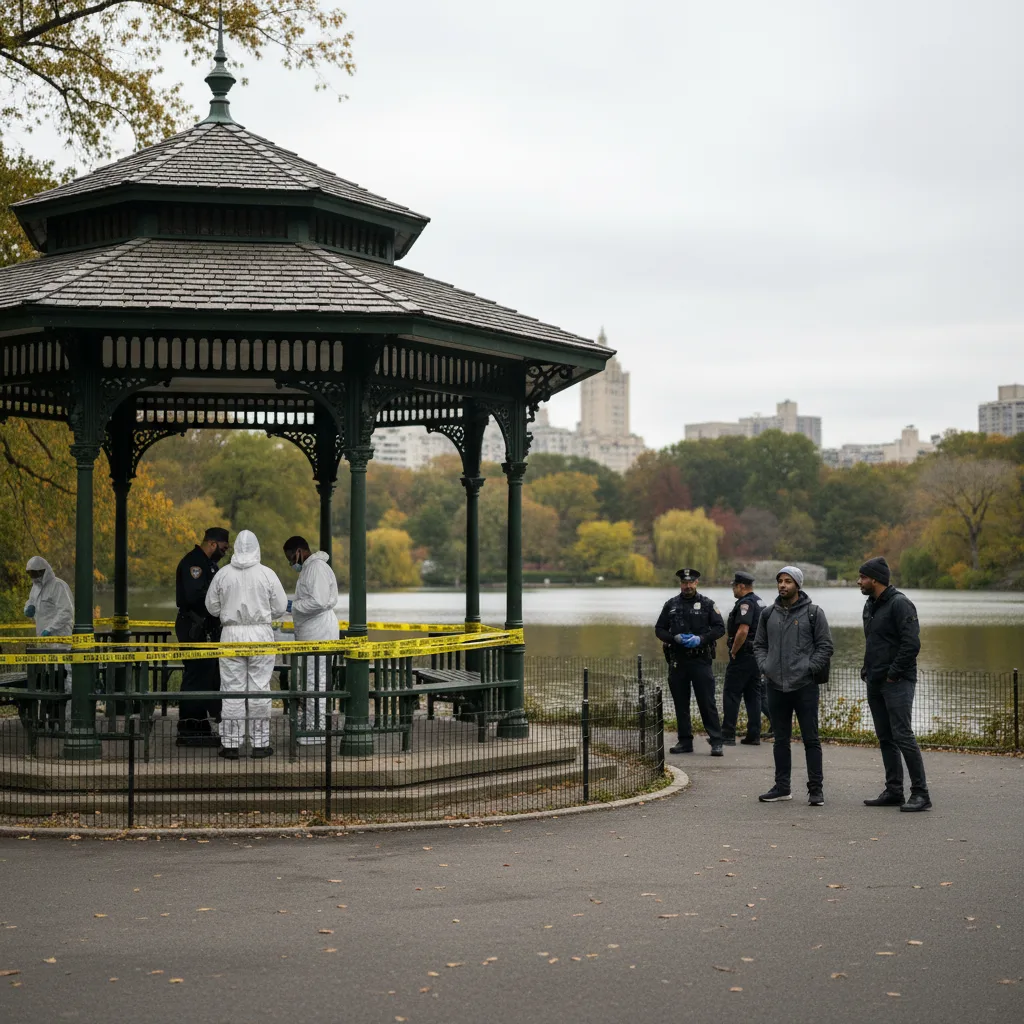
Central Park Woman Found Dead Near Boathouse Gazebo
A woman was found stabbed to death in a Central Park gazebo near the Boathouse on Sunday, prompting an active NYPD homicide investigation.
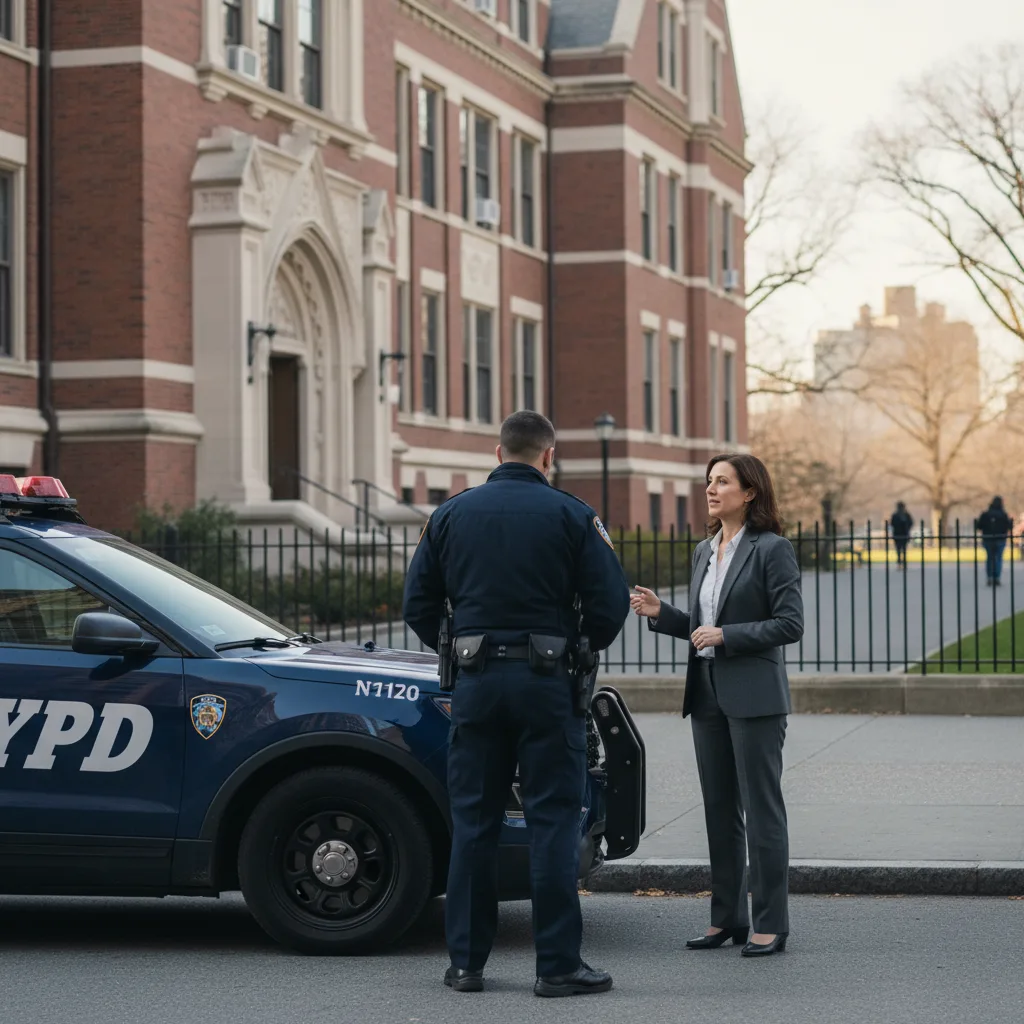
Queens Student Arrested for Bringing Gun to High School
A Queens student was arrested for bringing a gun to high school, prompting immediate law enforcement action and raising school safety concerns.
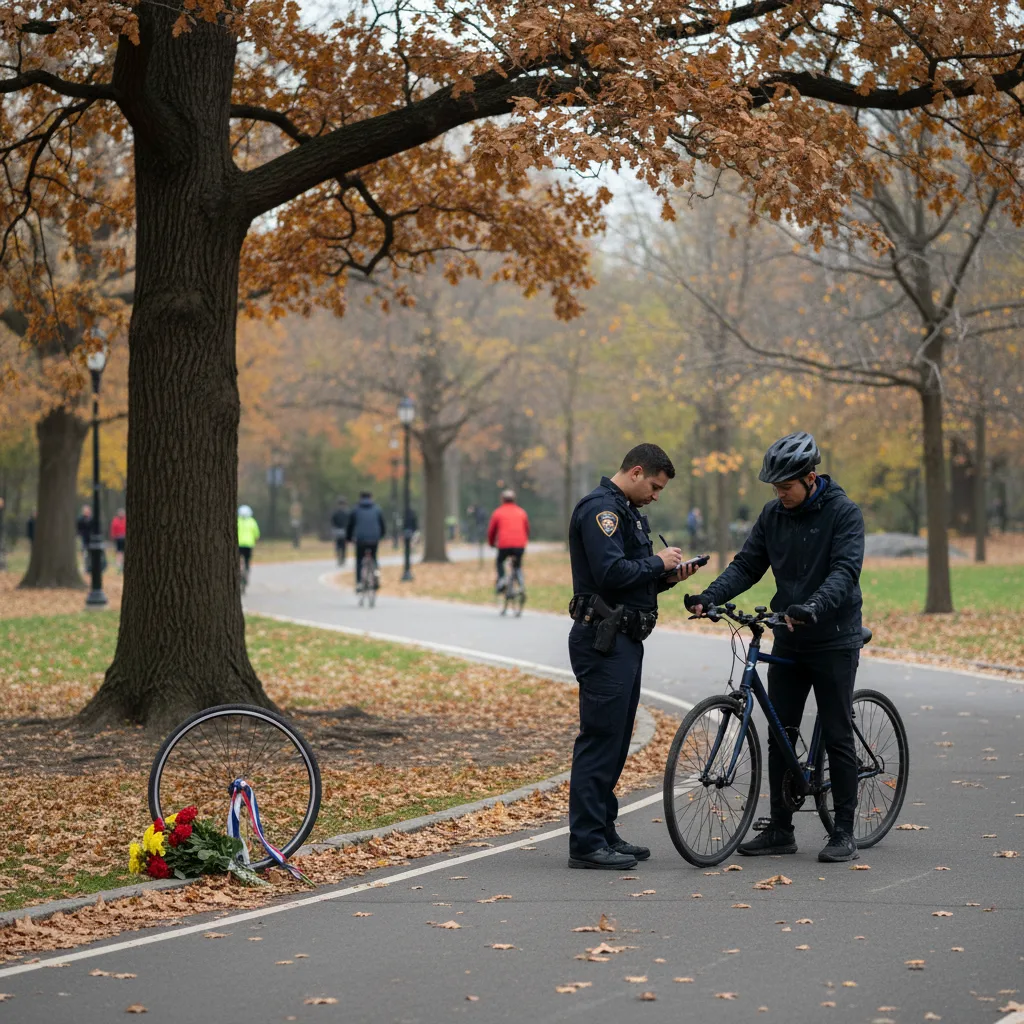
NYC Cyclist Death Prompts NYPD Ticketing Near Fatal Crash Site
NYPD stepped up cyclist ticketing near a recent fatal crash site in Central Park after a cyclist died Monday morning. Local groups demand safety reforms.
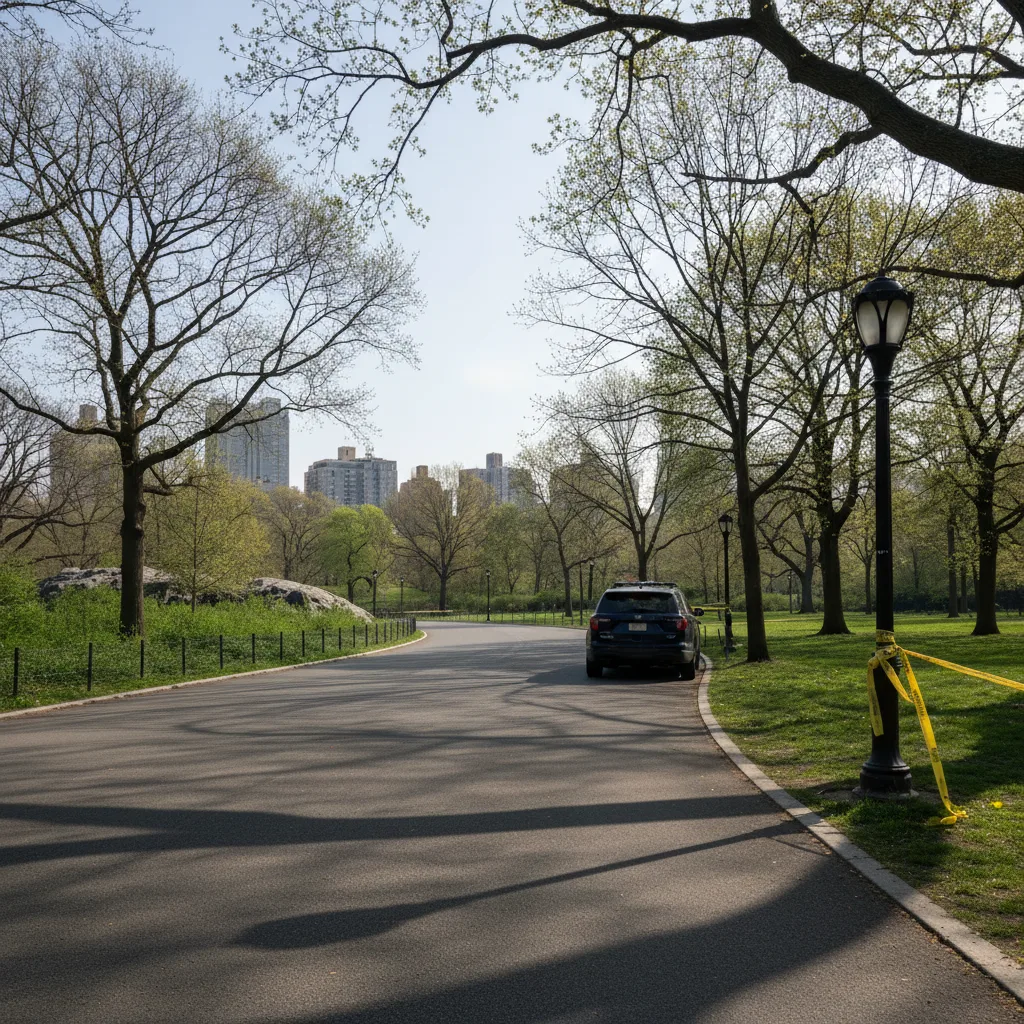
NYPD Confirms 71-Year-Old Cyclist Dies After Dog Collision in Central Park
NYPD confirms a 71-year-old cyclist died after colliding with a dog on Central Park's East Drive, near East 84th Street. The investigation is ongoing.
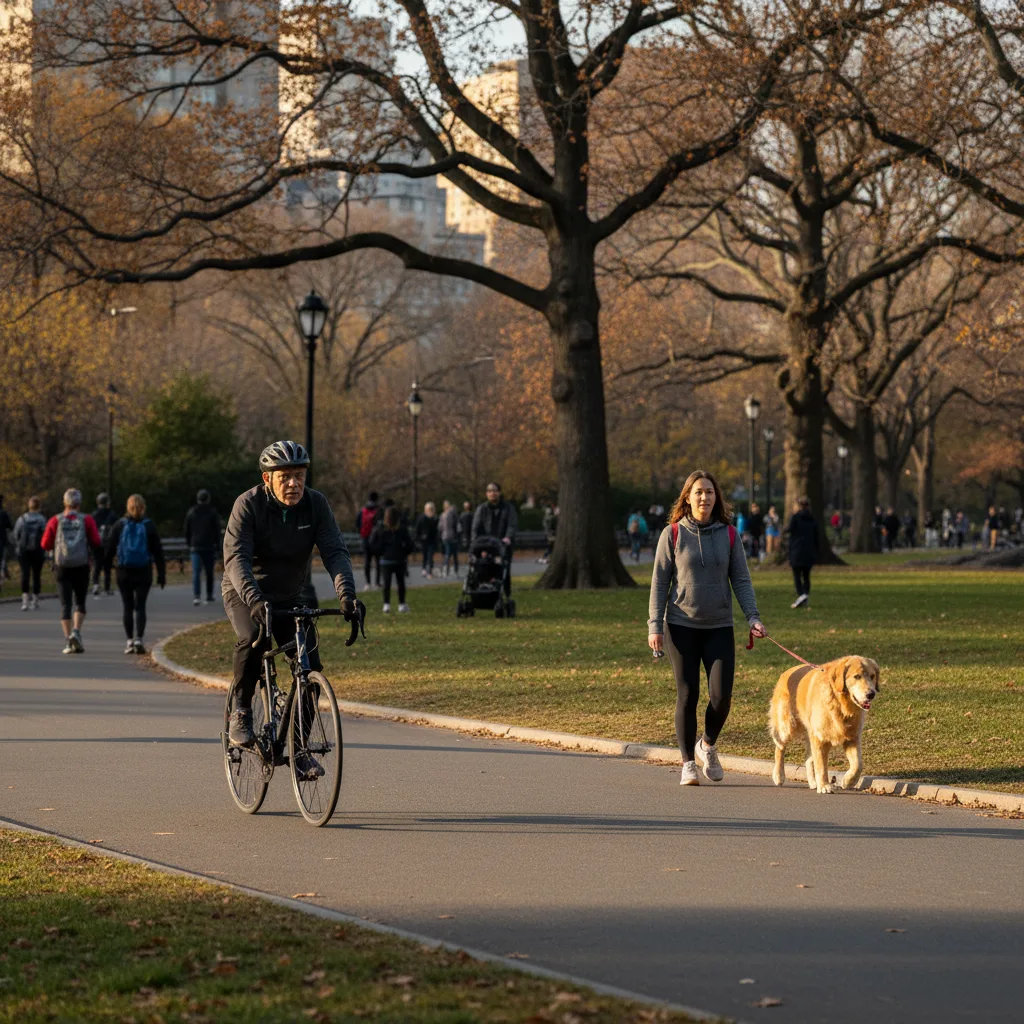
NYPD Investigates Central Park Cyclist Death After Dog Collision
NYPD confirms a 71-year-old cyclist died after colliding with a dog on Central Park's East Drive, near 84th Street. Investigation ongoing.
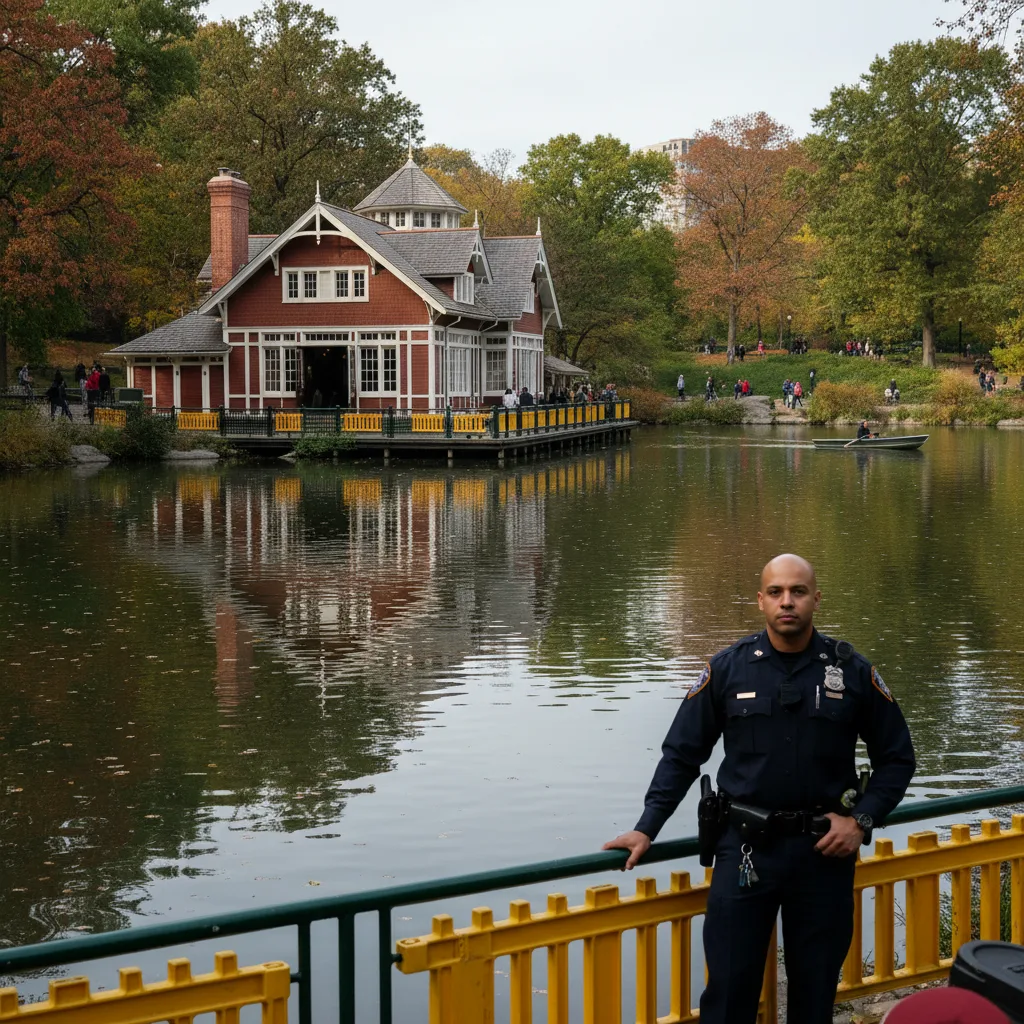
Man Charged in Central Park Beating Death of 63-Year-Old Woman
A 36-year-old man was charged with murder after a 63-year-old woman was found dead with head trauma in Central Park, NYPD confirmed.