


Central Park Conservancy Launches New Initiative for West Side Gardens

NEW YORK — The Central Park Conservancy announced on Thursday, June 18, 2026, a major new initiative aimed at revitalizing and enhancing the lesser-known but historically significant gardens along the park's western edge. This multi-year project, "West Side Wonders," will focus on restoring horticultural vibrancy and improving visitor accessibility, building on decades of preservation efforts.
The announcement was made during a press conference held at the Shakespeare Garden, a serene spot north of the Delacorte Theater. Conservancy President and CEO Elizabeth W. Smith detailed the plan, emphasizing its commitment to both ecological health and historical accuracy, particularly for gardens like the Conservatory Garden at East 105th Street.
Focusing on Neglected Gems
The "West Side Wonders" initiative will prioritize areas such as the Conservatory Garden, which despite its grandeur, requires continuous maintenance and occasional restoration of its distinct French, Italian, and English sections. It will also extend to smaller, more intimate spaces, including the Arthur Ross Pinetum and the West Side perimeter woodlands.
“Many visitors flock to the well-known landmarks, but Central Park holds countless hidden treasures that deserve equal attention and care,” stated Smith. She highlighted that these western gardens offer a different, often quieter, experience for park-goers and are vital ecological corridors. Initial funding of $5 million has been secured for the first phase of restoration, according to the Conservancy’s press release.
Ecological Restoration and Accessibility Improvements
A key component of the initiative involves the removal of invasive species and the introduction of native plantings, aimed at boosting local biodiversity and creating more resilient ecosystems. Horticultural teams will focus on sustainable practices, reducing water usage and enhancing soil health across approximately 15 acres.
Accessibility improvements will include upgrading pathways and signage, ensuring that visitors of all mobilities can enjoy these beautiful areas. The plans also incorporate new interpretive panels that will share the rich history and botanical significance of each garden, enhancing the educational experience.
Community Involvement and Partnership
The Conservancy plans to engage local communities, particularly those from Harlem and the Upper West Side, through volunteer programs and public workshops. This collaborative approach seeks to foster a deeper sense of ownership and appreciation for the park’s natural assets, as reflected in various city news outlets like this general overview from CBS New York local news.
“Our volunteers are the heart of our mission, and their involvement in ‘West Side Wonders’ will be crucial,” remarked John Davis, Director of Community Engagement. He confirmed that public input sessions will be scheduled in late summer to gather feedback on specific design elements and programming.
Long-Term Vision for Central Park's Future
The "West Side Wonders" initiative represents a long-term commitment to the comprehensive care of Central Park, ensuring its beauty and ecological integrity for future generations. It aligns with the Conservancy’s broader vision of maintaining Central Park as a world-class urban park that serves diverse community needs.
The project is expected to span five years, with phased improvements allowing for continuous public access throughout most of the restoration period. The ultimate goal is to seamlessly integrate these revitalized spaces into the overall park experience, making them destination points in their own right, and a source of pride for New Yorkers.
What to Know About the "West Side Wonders" Initiative
What is the Central Park Conservancy's new initiative? The Conservancy has launched "West Side Wonders," a multi-year project to revitalize and enhance gardens along Central Park's western side, including the Conservatory Garden.
What are the main goals of "West Side Wonders"? The initiative aims to restore horticultural vibrancy, improve visitor accessibility, remove invasive species, introduce native plantings, and provide historical and botanical interpretive panels.
Which specific areas of the park will benefit? The project will focus on the Conservatory Garden, the Arthur Ross Pinetum, and various perimeter woodlands along Central Park's western edge, encompassing approximately 15 acres.
How much funding has been allocated for the initial phase? The Central Park Conservancy has secured an initial $5 million to kickstart the first phase of the "West Side Wonders" restoration project.
How can the community get involved? The Conservancy plans to engage local communities through volunteer programs, public workshops, and feedback sessions to ensure community input in the revitalization efforts.
Related Articles
More in Wildlife & Nature →
Central Park Boathouse Bird Watching Tour Offers Educational Experience
Central Park Boathouse offers an educational bird watching tour, providing visitors an opportunity to observe avian species. This experience connects locals with nature, enhancing appreciation for park wildlife.
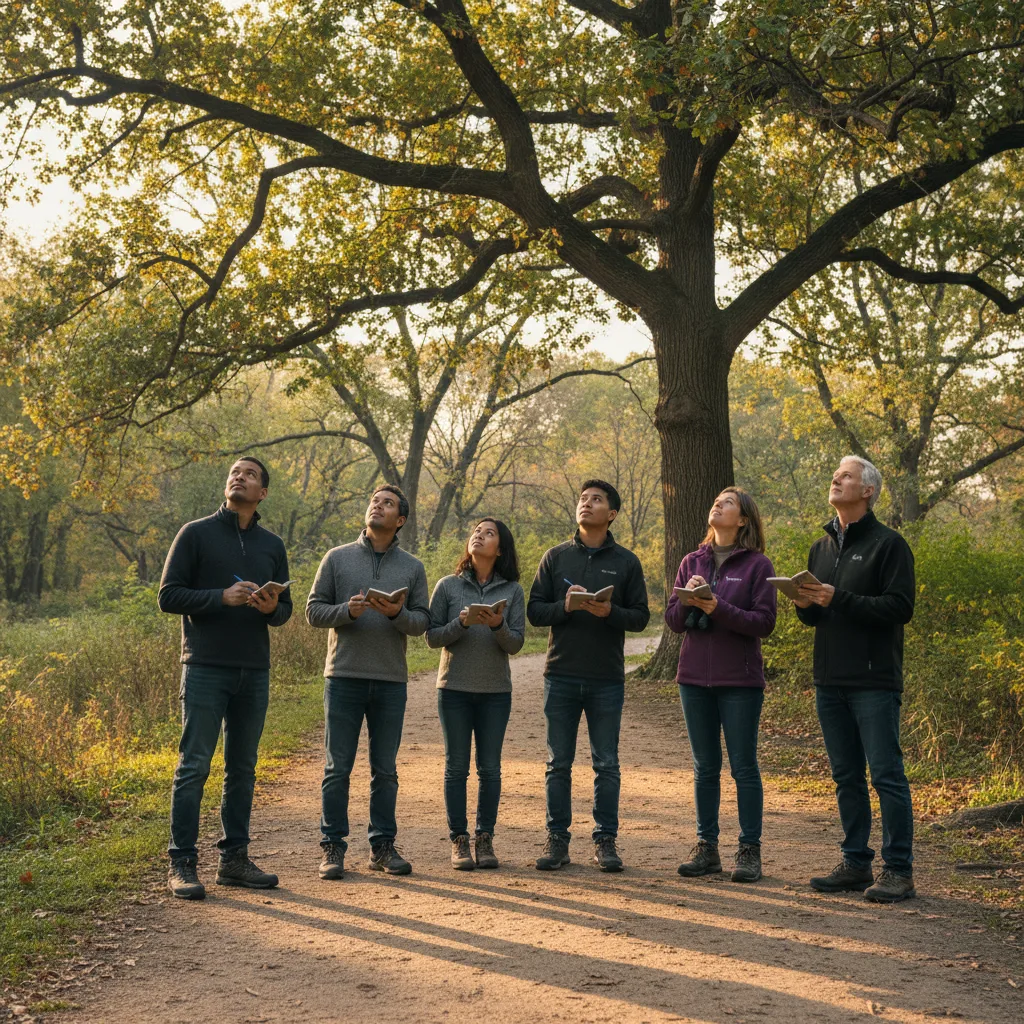
Central Park Event Calendar Features Climate Week Activities September 27
Central Park's event calendar for September 27, 2026, included a Climate Week-aligned "Journal, Meditation, + Bird Walk," promoting environmental awareness.
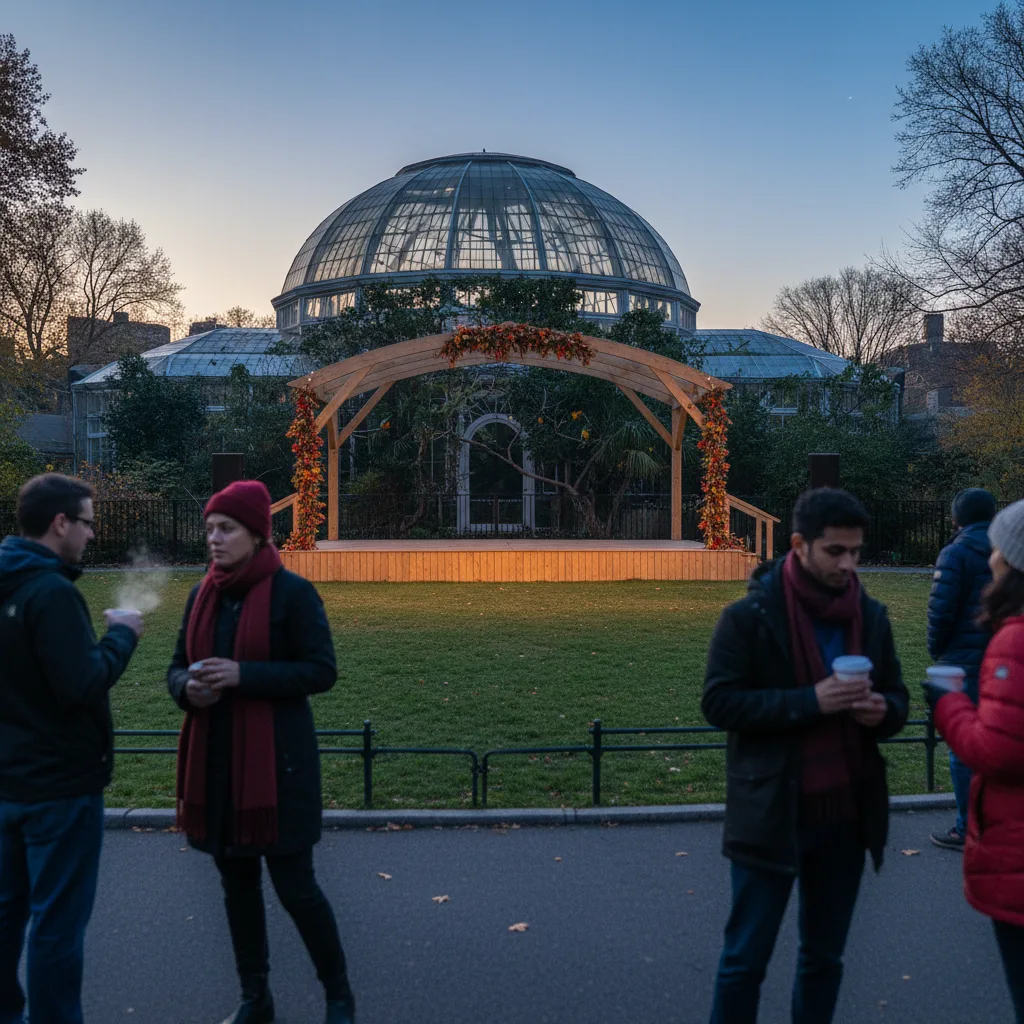
Wildlife Conservation Society Awards Lovejoy Prize at Central Park Zoo
Wildlife Conservation Society awards 2026 Thomas E. Lovejoy Prize today at Central Park Zoo during Climate Week in New York City.
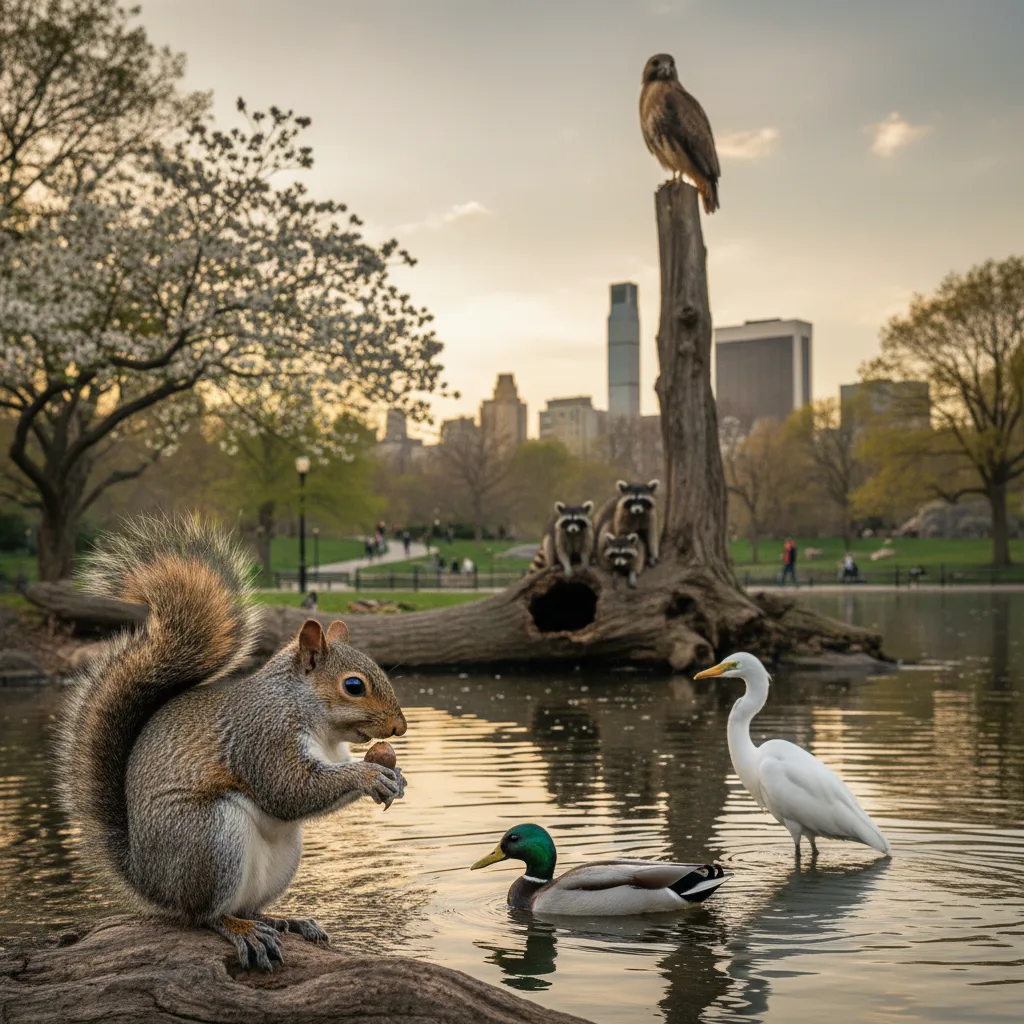
A Guide to Central Park's Wildlife: What to Know About the Park's Animals and Ecosystem
Discover the diverse Central Park wildlife, from birds and mammals to aquatic life. Learn responsible observation tips and conservation efforts for 2026.
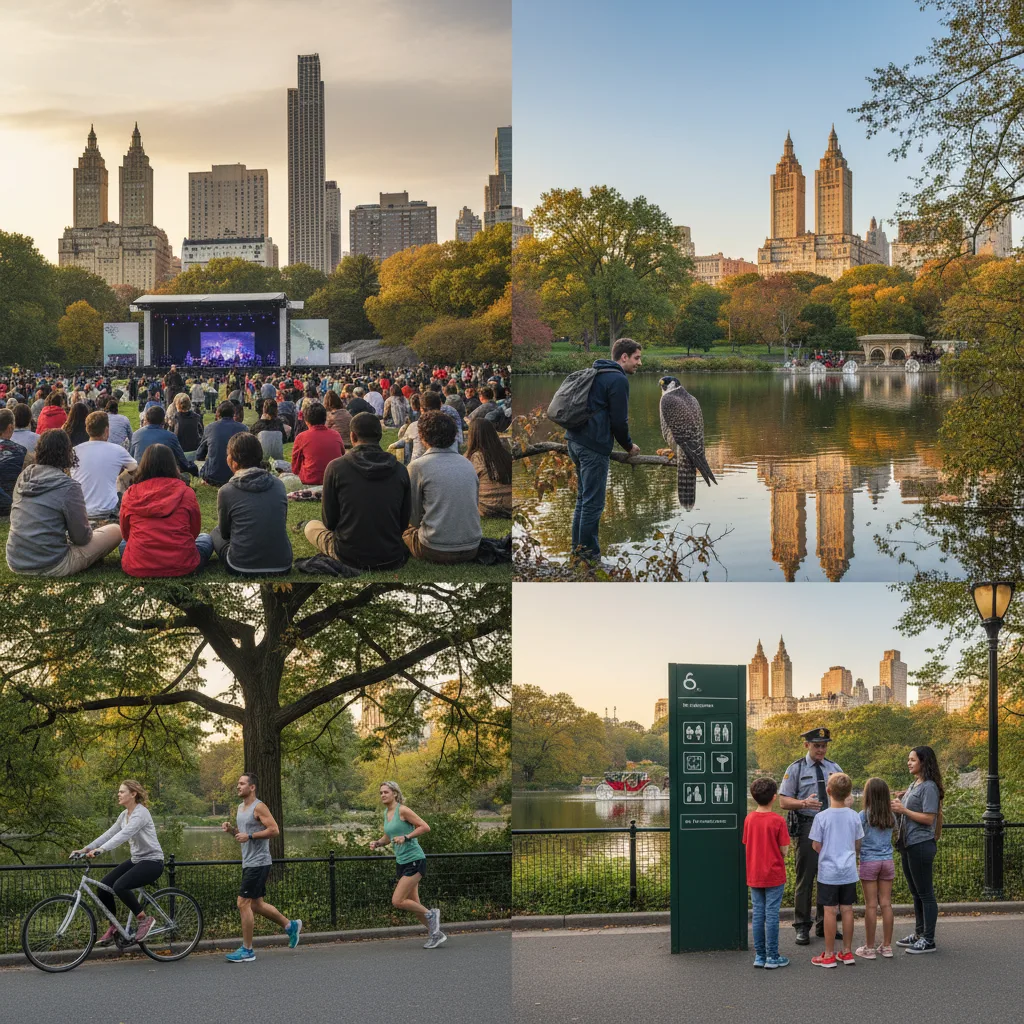
A Guide to Central Park's Top Activities and Best Things to Do in 2026
Discover the best things to do in Central Park, NYC, with our comprehensive 2026 guide to iconic landmarks, activities, and hidden gems for visitors.
A Guide to What to Know About the Vatican Obelisk in Central Park 2026
Discover what to know about the Vatican Obelisk (Cleopatra's Needle) in Central Park, its history, journey to NYC, and where to find it in 2026.