


Central Park Conservancy Launches Major Tree Planting Initiative for North Woods
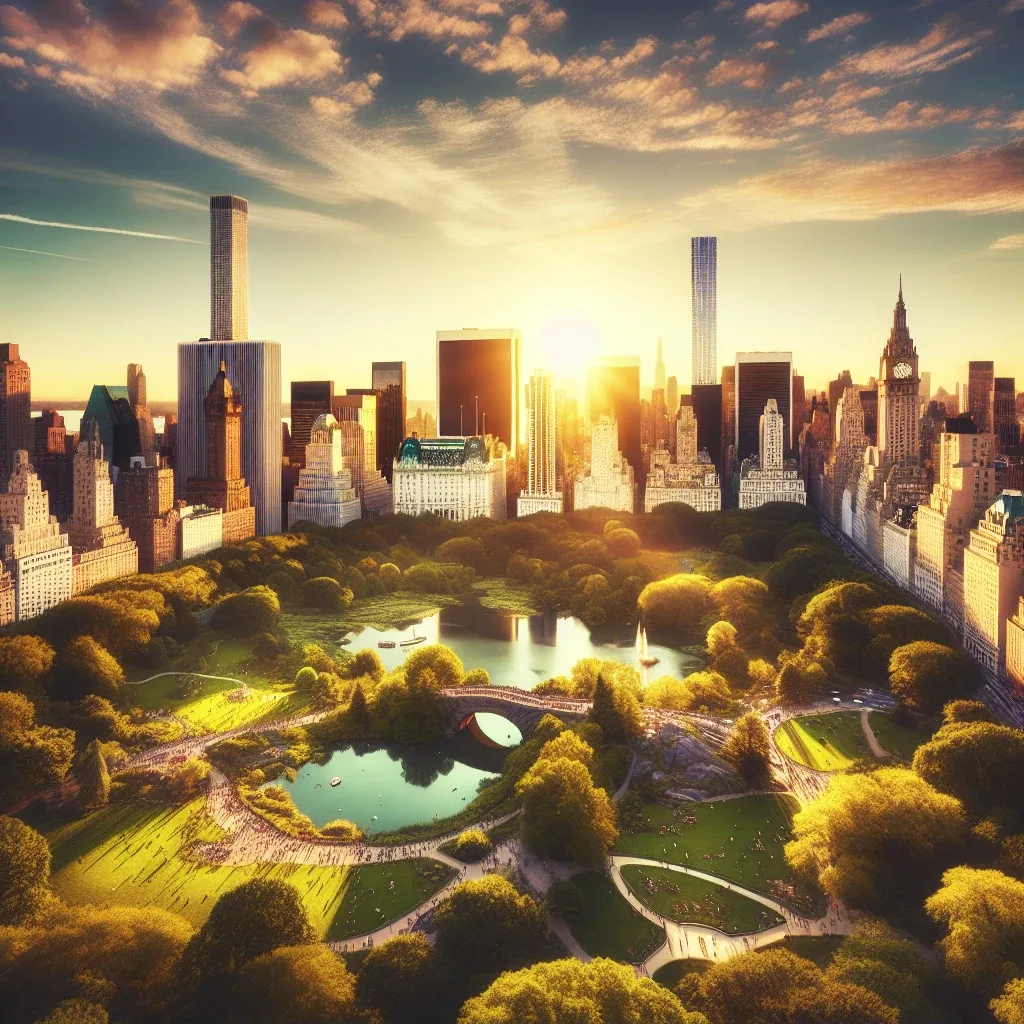
The Central Park Conservancy today unveiled an ambitious new tree planting initiative aimed at enhancing the ecological health and biodiversity of Central Park's North Woods. This multi-year project, titled 'North Woods Canopy Renewal,' seeks to replace aging and vulnerable trees, introduce climate-resilient species, and fortify the park's crucial urban forest ecosystem. The effort marks a significant investment in the long-term sustainability of one of Manhattan's most cherished natural landscapes.
Experts from the Conservancy's horticulture department have identified specific areas within the 90-acre North Woods that require intervention due to past storm damage, disease, and the natural life cycle of older trees. The initiative will involve planting several thousand new trees and shrubs, focusing on native species that thrive in the local climate and contribute to a robust habitat for wildlife. This systematic renewal is designed to ensure the North Woods continues to provide vital ecological services, including air purification, stormwater management, and temperature regulation, for future generations.
Addressing Environmental Challenges and Future Resilience
The North Woods Canopy Renewal project is a direct response to increasing environmental pressures on urban parks, including extreme weather events and the spread of invasive species. By strategically introducing a diversity of resilient trees, the Conservancy aims to create a more stable and adaptable forest. "Our goal is not just to replace what's lost, but to build a stronger, more vibrant forest that can withstand the challenges of a changing climate," stated a lead arborist for the Central Park Conservancy. "This proactive approach is essential for maintaining Central Park's ecological integrity and its role as a green lung for the city."
Preparatory work, including soil analysis and the removal of certain invasive plants, has already begun. The selection of new tree species includes native oaks, maples, and dogwoods, chosen for their ecological benefits and ability to adapt to urban conditions. This ecological restoration is crucial for supporting the diverse bird and insect populations that rely on the North Woods as a migratory stopover and breeding ground, further enhancing the park's biodiversity.
Community Involvement and Volunteer Opportunities
Recognizing the community's deep connection to Central Park, the Conservancy plans to incorporate various opportunities for public involvement in the North Woods Canopy Renewal project. Volunteer planting days will be organized throughout the spring and fall planting seasons, allowing New Yorkers to directly contribute to the park's future. Educational programs will also be offered, teaching participants about urban forestry, tree care, and the importance of native plant species.
Details on how individuals and groups can volunteer will be made available on the Central Park Conservancy's official website in the coming weeks. "Community participation is vital to the success of projects like this," added the Conservancy spokesperson. "Engaging the public not only helps us achieve our planting goals but also fosters a deeper sense of stewardship and appreciation for Central Park's natural beauty." The initiative underscores a collaborative vision for preserving Central Park as a resilient and accessible urban oasis.
Key Points:
- Project: Central Park Conservancy's 'North Woods Canopy Renewal' tree planting initiative.
- Objective: Enhance ecological health, biodiversity, and climate resilience in the North Woods.
- Scope: Planting several thousand native trees and shrubs over multiple years.
- Timeline: Preparatory work underway; volunteer planting days to begin in spring 2026.
- Impact: Improved air quality, stormwater management, wildlife habitat, and forest resilience.
Related Articles
More in Wildlife & Nature →
Central Park Boathouse Bird Watching Tour Offers Educational Experience
Central Park Boathouse offers an educational bird watching tour, providing visitors an opportunity to observe avian species. This experience connects locals with nature, enhancing appreciation for park wildlife.
Central Park Event Calendar Features Climate Week Activities September 27
Central Park's event calendar for September 27, 2026, included a Climate Week-aligned "Journal, Meditation, + Bird Walk," promoting environmental awareness.
Wildlife Conservation Society Awards Lovejoy Prize at Central Park Zoo
Wildlife Conservation Society awards 2026 Thomas E. Lovejoy Prize today at Central Park Zoo during Climate Week in New York City.
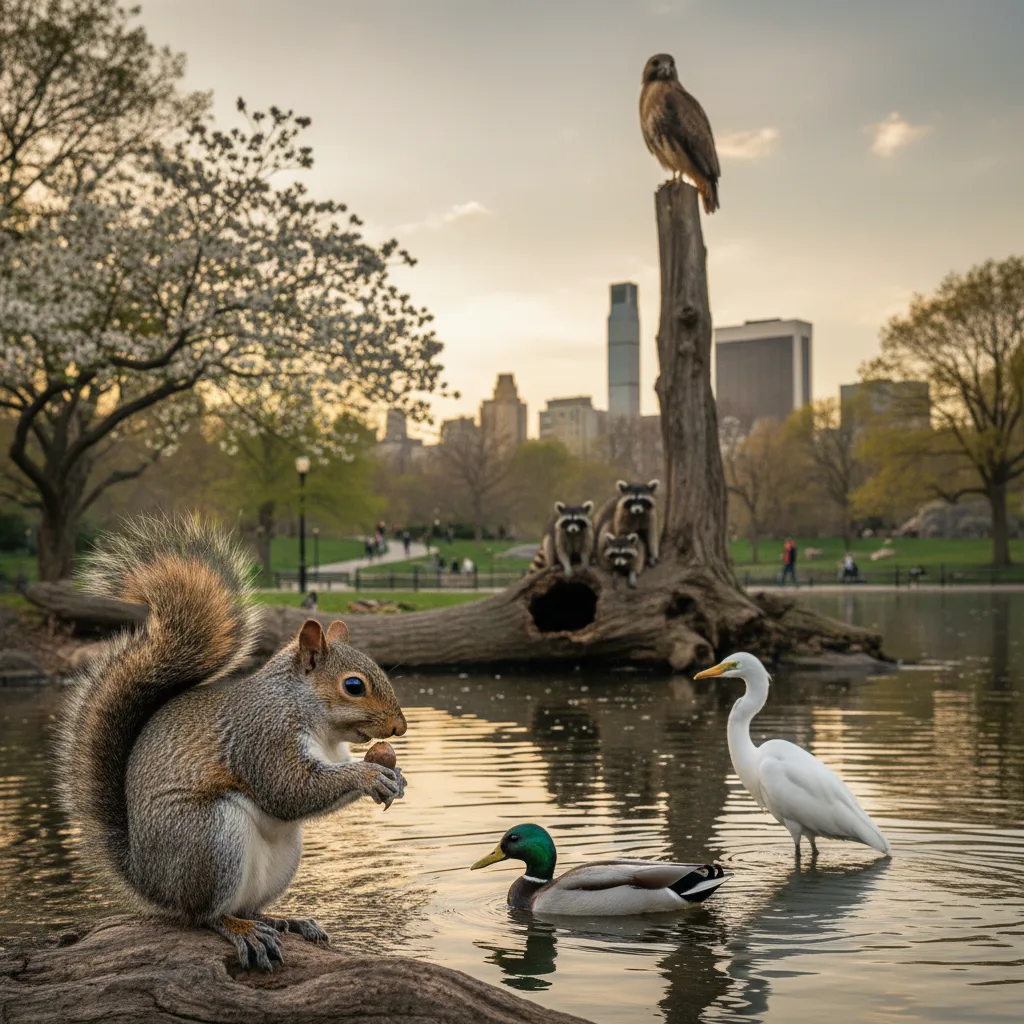
A Guide to Central Park's Wildlife: What to Know About the Park's Animals and Ecosystem
Discover the diverse Central Park wildlife, from birds and mammals to aquatic life. Learn responsible observation tips and conservation efforts for 2026.
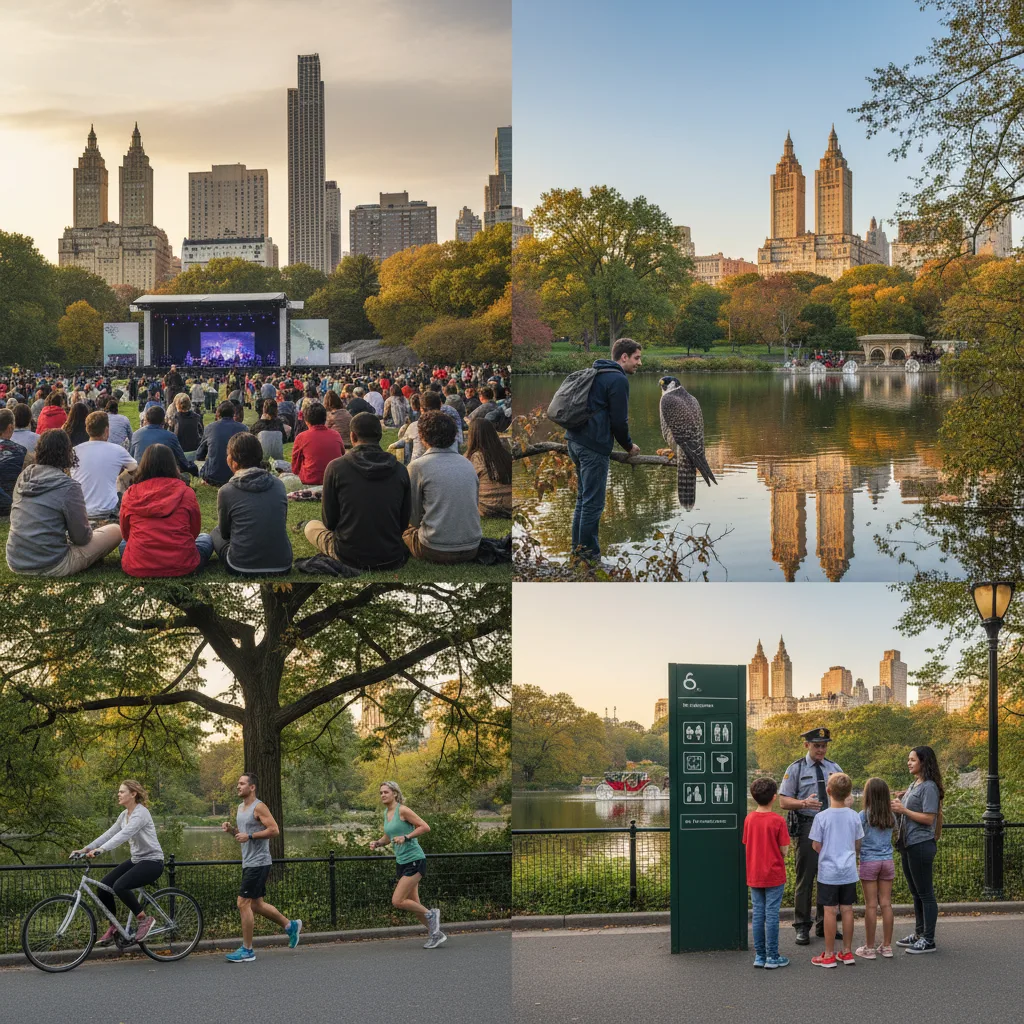
A Guide to Central Park's Top Activities and Best Things to Do in 2026
Discover the best things to do in Central Park, NYC, with our comprehensive 2026 guide to iconic landmarks, activities, and hidden gems for visitors.
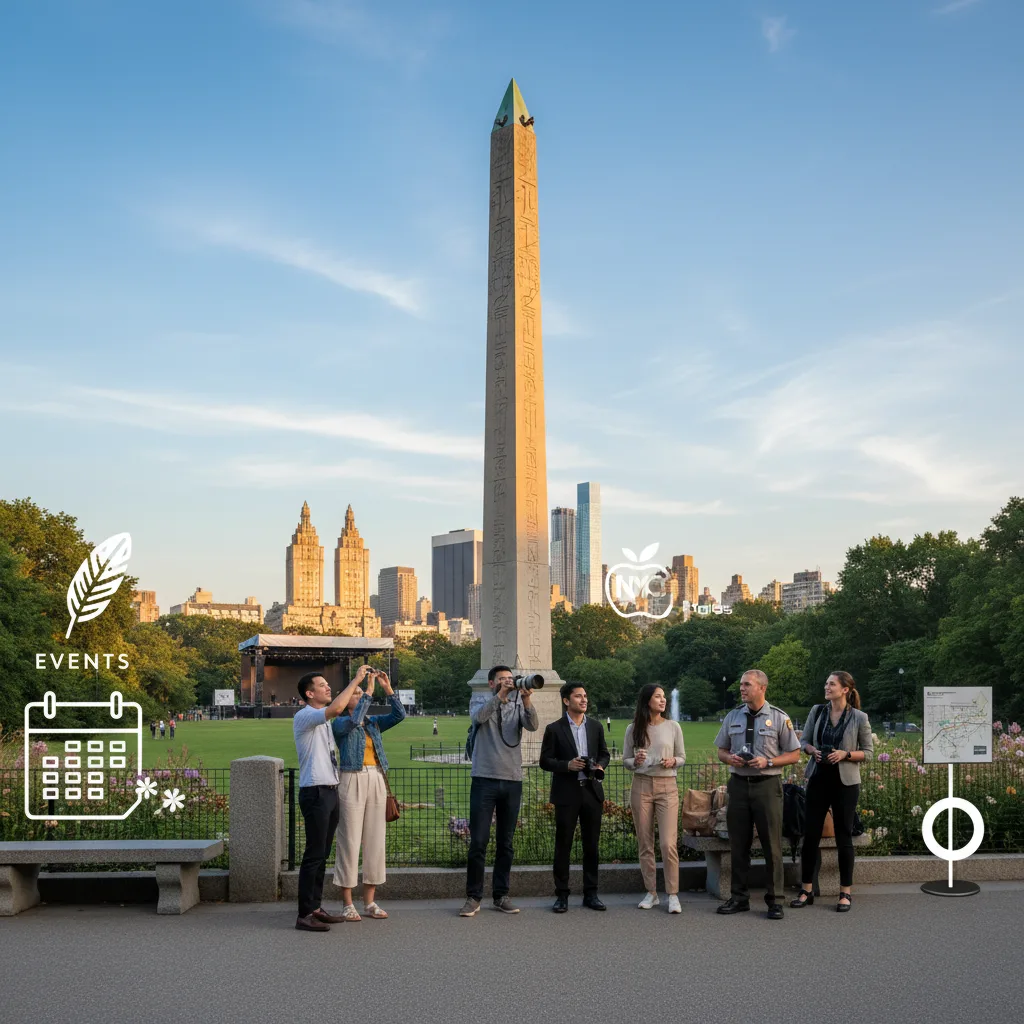
A Guide to What to Know About the Vatican Obelisk in Central Park 2026
Discover what to know about the Vatican Obelisk (Cleopatra's Needle) in Central Park, its history, journey to NYC, and where to find it in 2026.