


Central Park Conservancy Maintains Public Access, Health Guidelines

NEW YORK — Central Park remains fully open to the public in 2026, though the Central Park Conservancy continues to advise visitors to adhere to health and safety guidelines, particularly during peak hours. The Conservancy, which manages the park in partnership with the City of New York, emphasizes the importance of individual responsibility in maintaining a safe environment for all. These recommendations are part of an ongoing effort to balance public access with public health considerations.
Visitors are strongly encouraged to wear face coverings in crowded areas and maintain at least six feet of distance from other groups. These advisories are prominently displayed at major entrances, including Grand Army Plaza and Columbus Circle. The Conservancy’s proactive communication strategy aims to inform the park's millions of annual visitors.
Ongoing Health Recommendations for Park Visitors
Despite declining public health emergency declarations, the Central Park Conservancy continues to advocate for sensible precautions within the park. This approach aligns with broader city health recommendations for large public gatherings and spaces. The goal is to ensure that Central Park remains a safe and accessible refuge for all New Yorkers and tourists alike.
Signage throughout the park, including near popular attractions like Bethesda Terrace and the Conservatory Garden, reminds visitors of these guidelines. "Our primary goal is to ensure Central Park remains a beautiful and safe space for everyone," stated Sarah Miller, spokesperson for the Central Park Conservancy. "Voluntary adherence to these guidelines helps protect our entire community."
Managing Crowds in a Vital Urban Oasis
Central Park, spanning 843 acres, is a critical green space in the densely populated borough of Manhattan. Its popularity often leads to significant crowd concentrations, especially on weekends and during major events. The Conservancy constantly monitors visitor numbers and adjusts its public messaging accordingly to promote safe usage.
Specific areas, such as the Great Lawn and Sheep Meadow, can attract thousands of people simultaneously during pleasant weather. These high-traffic zones are particularly targeted for public health reminders, encouraging mindful behavior. The park's wide-open spaces still allow for ample social distancing for those who seek it.
The Role of the Central Park Conservancy
Since its founding in 1980, the Central Park Conservancy has been responsible for the restoration, management, and upkeep of Central Park. Its mission extends to ensuring the park's public accessibility and promoting responsible stewardship. The Conservancy raises 75% of the park's annual operating budget, a significant financial undertaking.
This funding supports everything from horticultural care and structural maintenance to visitor services and public safety initiatives. The organization employs hundreds of dedicated staff and relies heavily on a robust volunteer program to achieve its goals. Their comprehensive management ensures the park thrives as an ecological and recreational asset.
Community Feedback and Adaptive Strategies
The Conservancy regularly solicits feedback from park users and local community boards regarding park management and safety protocols. This input helps shape adaptive strategies for managing visitor flow and addressing emerging health concerns. The flexible approach allows for adjustments based on evolving public health landscapes.
Educational campaigns, delivered through the Conservancy's website and social media channels, provide updated information and resources. These efforts reinforce the message that personal responsibility plays a crucial role in maintaining a healthy and enjoyable park experience. Detailed Central Park visitor guidelines are always available online.
Long-Term Vision for Park Health and Access
The Central Park Conservancy envisions a future where the park continues to be a vibrant, welcoming, and safe public space for generations to come. This vision integrates sustainable management practices with a commitment to public health and equitable access. Partnerships with city agencies are key to achieving these long-term objectives.
Ongoing initiatives include conservation projects to protect the park's biodiversity and infrastructure improvements to enhance visitor experience. Exploring Conservancy conservation efforts provides insight into the extensive work performed daily. The dedication ensures the park remains New York City's foremost urban sanctuary.
Frequently Asked Questions About Central Park Health & Safety
Q: Are face coverings still required in Central Park? A: The Central Park Conservancy strongly encourages, but does not mandate, the wearing of face coverings in crowded areas of the park. This is a recommendation for personal safety and consideration of others, aligning with general public health advice for dense outdoor spaces in New York City.
Q: What measures are taken to ensure social distancing in Central Park? A: While social distancing is primarily a personal responsibility, the Conservancy uses signage and public service announcements to remind visitors of the six-foot guideline. Park Rangers also help manage crowd flow in popular areas, gently encouraging responsible behavior.
Q: Where can I find the most current health and safety alerts for Central Park? A: The most up-to-date health and safety alerts, along with operational changes, are published on the official Central Park Conservancy website, specifically on their dedicated alerts page. Local news outlets also often report on significant changes or advisories issued by the Conservancy.
Q: Does the Central Park Conservancy provide hand sanitizer stations? A: While portable hand sanitizer stations are not ubiquitous across the entire park, visitors are encouraged to bring their own. Restrooms and visitor centers typically have soap and water available for handwashing. The Conservancy focuses on advising personal hygiene practices.
Q: Can I visit Central Park at any time? A: Central Park is generally open to the public from 6:00 AM to 1:00 AM daily. Specific rules apply to certain managed facilities, like the Conservatory Garden, which have their own operating hours. Always check the official Central Park Conservancy website for the most accurate and current hours of operation and any temporary closures.
Related Articles
More in Weather & Health →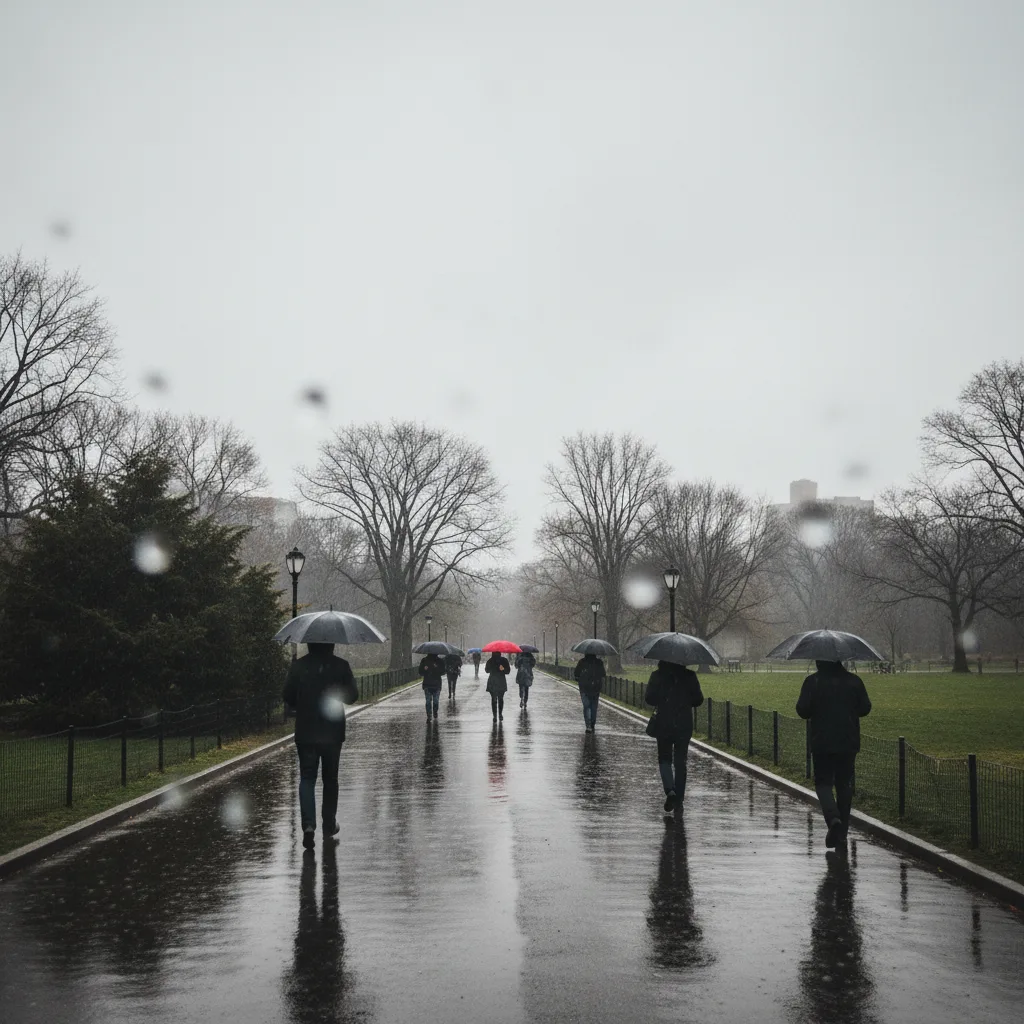
Central Park Radar Shows Current Rain Conditions and Near-Term Updates
Central Park visitors are seeing current rain conditions and near-term precipitation updates on AccuWeather radar, affecting outdoor activities and park operations.

September 2026 Central Park Weather Forecast Reveals Mild Conditions
Central Park's September 2026 weather forecast projects mild daily highs between 70-82°F and lows 57-66°F. Plan outdoor activities; comfortable conditions expected for park visitors.
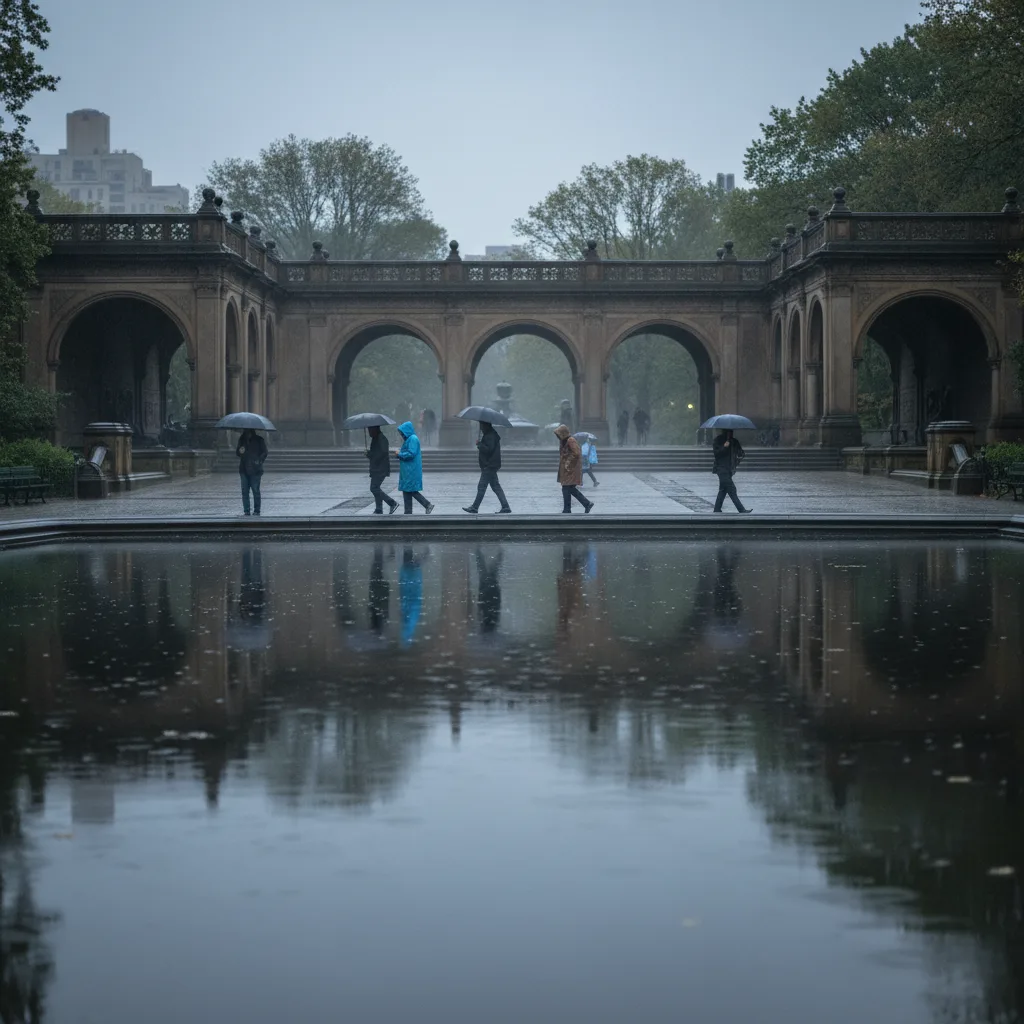
Central Park Visitors Face Intermittent Rain, Cooler Temps Sunday Night
Central Park experienced cool temperatures and intermittent rain on Sunday, September 27, 2026, with a temperature of 57.0°F recorded. Visitors should plan accordingly.
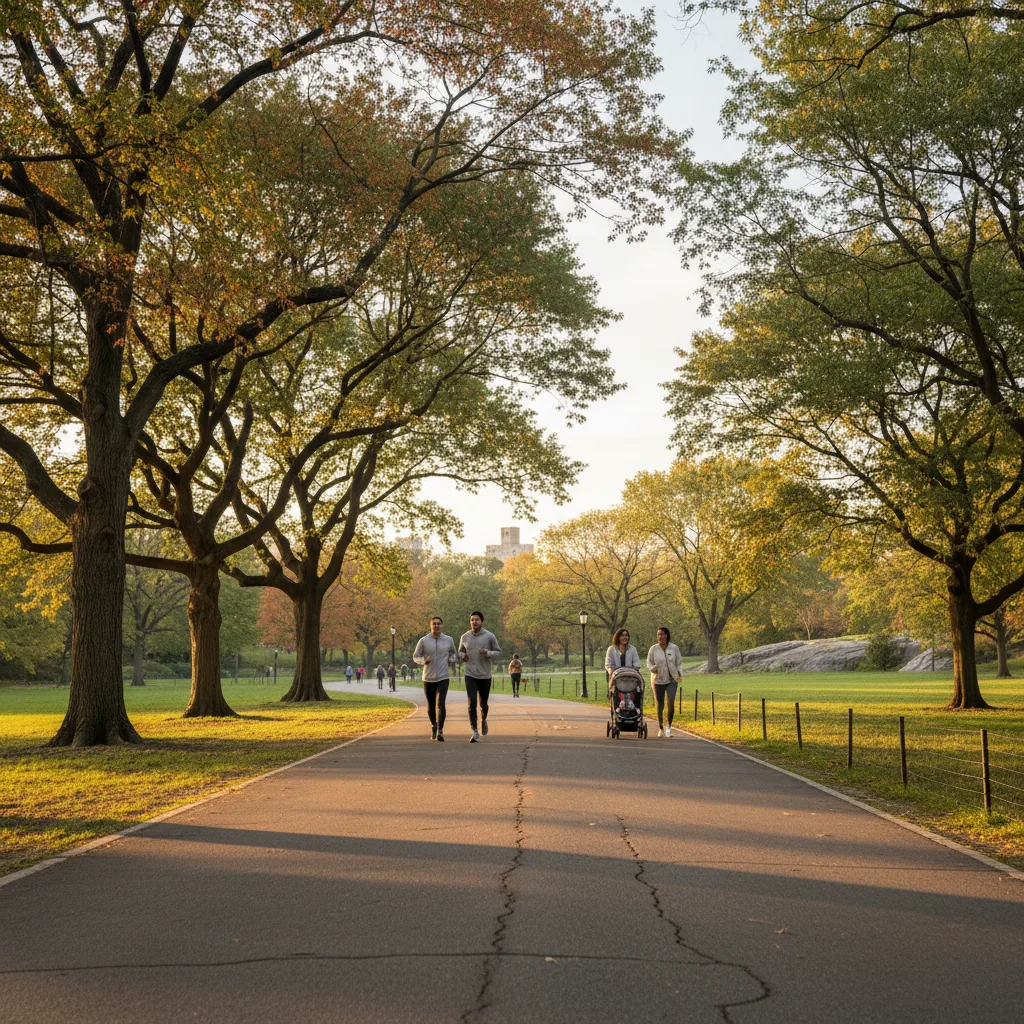
Central Park Records 72°F Max, 58°F Min Temperatures September 27
Central Park observed a maximum temperature of 72°F and minimum of 58°F on Sunday, September 27, 2026, according to the NWS climatological report.
AccuWeather Forecasts 64°F, 59°F for Central Park September 27
AccuWeather forecast a high of 64°F and low of 59°F for Central Park on September 27, 2026, slightly below monthly averages, indicating a cooler day.
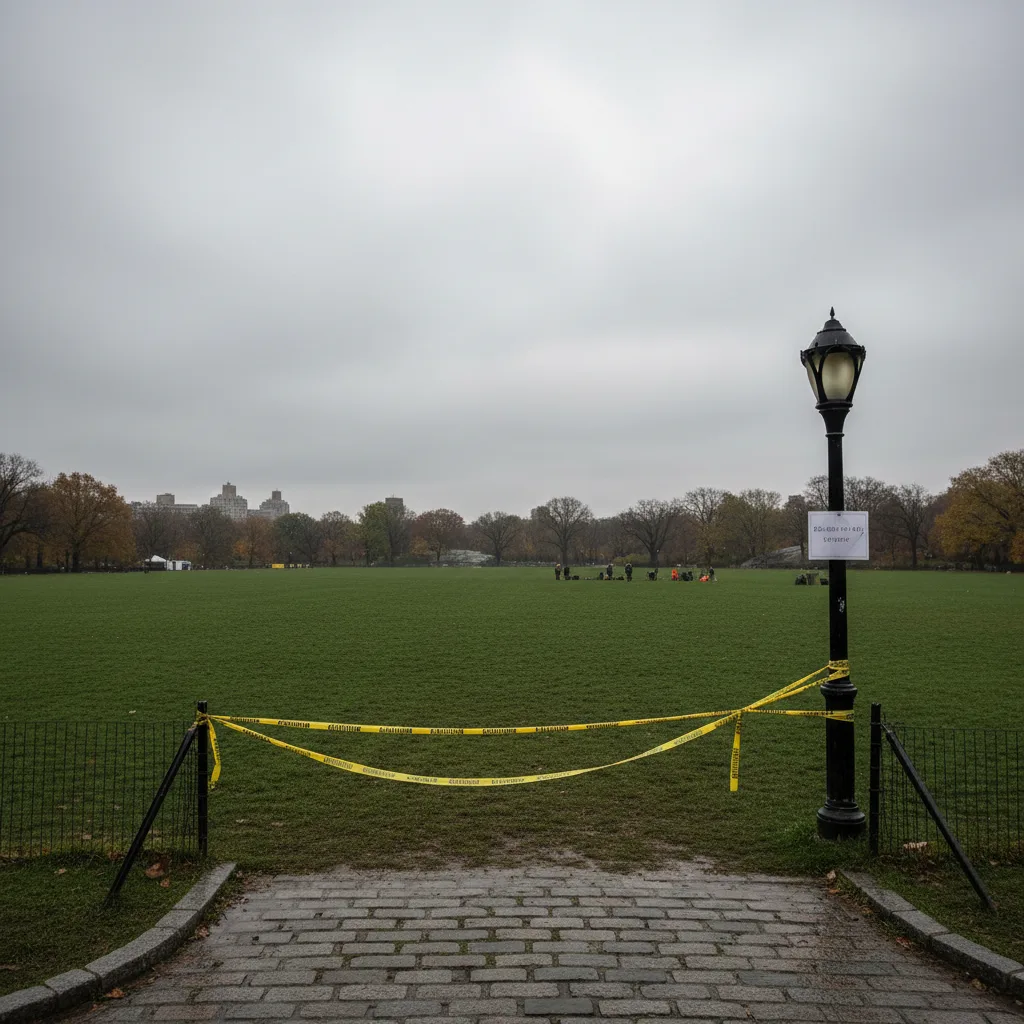
Global Citizen Festival in Central Park Canceled Due to Nor'easter Threat
Global Citizen Festival in Central Park was canceled Thursday due to an approaching nor'easter, affecting thousands and prompting safety concerns. New Yorkers should check for updated park alerts and traffic changes related to the storm.