


Central Park Conservancy Offers Ongoing Educational Tours and Digital Models for Seneca Village
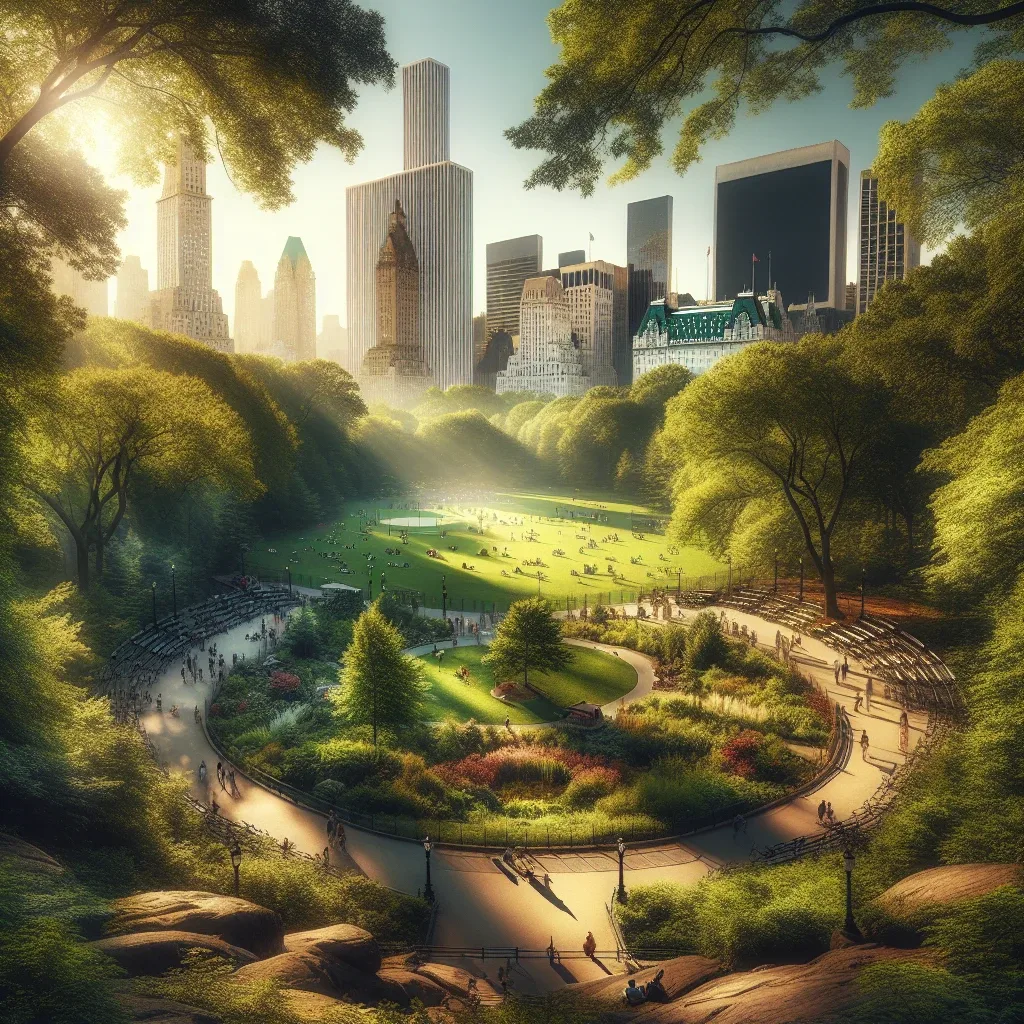
The Central Park Conservancy continues its dedication to illuminating the rich, often-overlooked history of Seneca Village, the 19th-century free Black community that once occupied a significant portion of what is now Central Park. Through a combination of engaging guided tours and innovative digital models, the Conservancy ensures that this pivotal chapter in Manhattan's history remains accessible and understood by a broad audience.
Long before the grand vision for Central Park was conceived, the area between West 82nd and West 89th Streets, just east of what is now Central Park West, was a vibrant settlement known as Seneca Village. Established by African American landowners in 1825, it grew into a thriving community with deep roots, featuring multiple churches, a school, and a burial ground. It represented a crucial space of independence and self-determination for free Black New Yorkers during a time of intense racial discrimination. The community was ultimately displaced by eminent domain in the 1850s to make way for the park. The Conservancy's ongoing efforts aim to redress this historical erasure by providing powerful educational tools that bring the stories of Seneca Village's residents back into public consciousness.
Uncovering Seneca Village Through Guided Experiences
The Central Park Conservancy offers regularly scheduled guided tours that take visitors directly to the former site of Seneca Village. These tours are led by knowledgeable guides who draw upon extensive historical research and archaeological findings, including artifacts unearthed during excavations by the New York City Urban Archaeology Program and the Seneca Village Project. Participants learn about the daily lives of villagers, their homes, churches, and the challenges they faced. The tours not only highlight the physical remnants of the community but also emphasize the social and political significance of Seneca Village, detailing how its residents carved out a prosperous and politically active existence. These immersive experiences allow visitors to stand on the very ground where these historical events unfolded, fostering a deeper connection to the past.
Digital Preservation and Enhanced Accessibility
Beyond physical tours, the Central Park Conservancy leverages modern technology to expand access to Seneca Village's story through digital models and online resources. These digital initiatives allow individuals worldwide to explore reconstructed visualizations of the village, based on historical maps, census records, and archaeological data. Interactive maps show property lines and significant structures, providing a virtual journey through the community as it once was. This digital content serves as an invaluable resource for students, researchers, and anyone interested in New York City's social history, circumventing geographical limitations. By combining on-site interpretation with digital platforms, the Conservancy ensures the legacy of Seneca Village is preserved, celebrated, and continuously integrated into the broader narrative of Central Park and American history.
Key Points:
- Central Park Conservancy offers ongoing tours and digital models for Seneca Village.
- Seneca Village was a free Black community displaced for Central Park in the 1850s.
- Guided tours provide historical context and archaeological insights at the former site.
- Digital models and online resources enhance accessibility and virtual exploration.
- Initiatives aim to preserve and educate the public about this significant historical community.
Related Articles
More in Community & Philanthropy →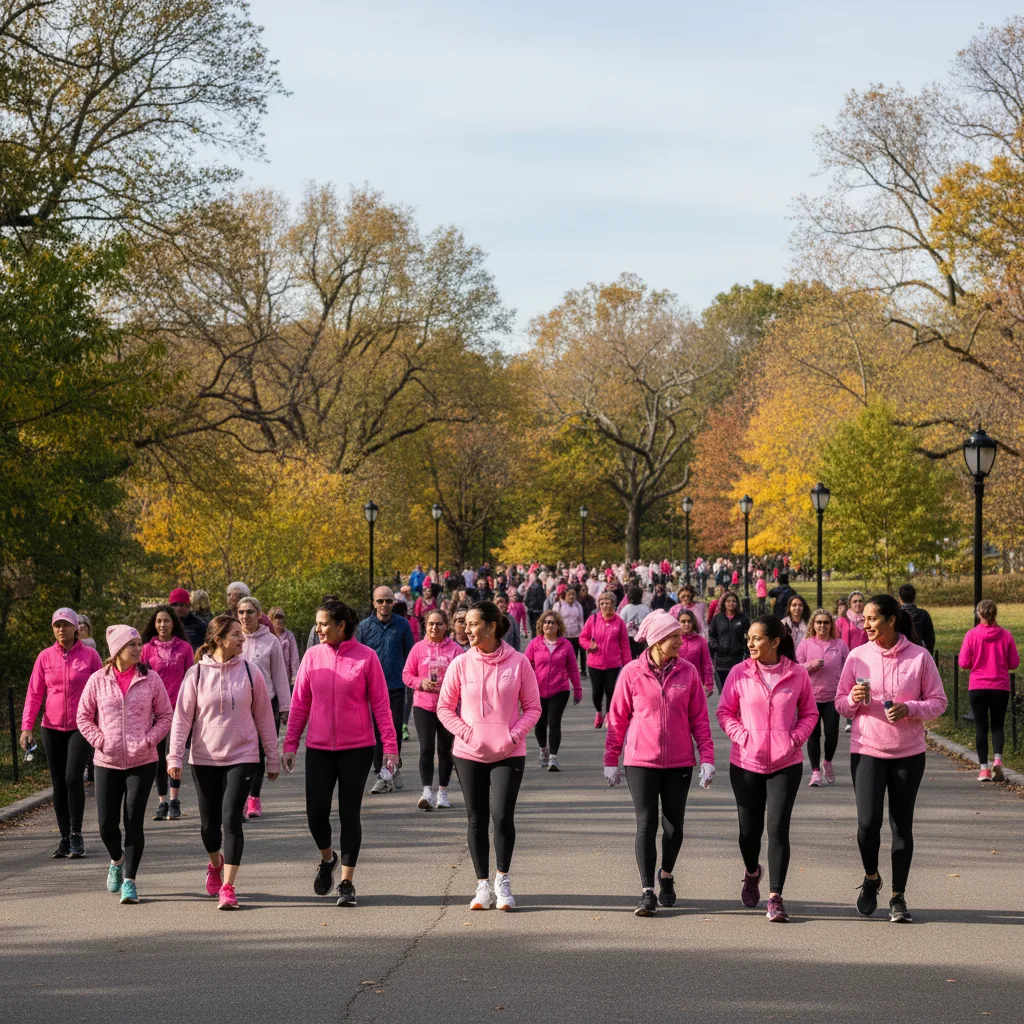
50,000 Expected to Rally in Central Park for Making Strides Walk
An estimated 50,000 participants are expected to rally in Central Park this month for the iconic Making Strides Against Breast Cancer walk. The event highlights community support for research and patient services.
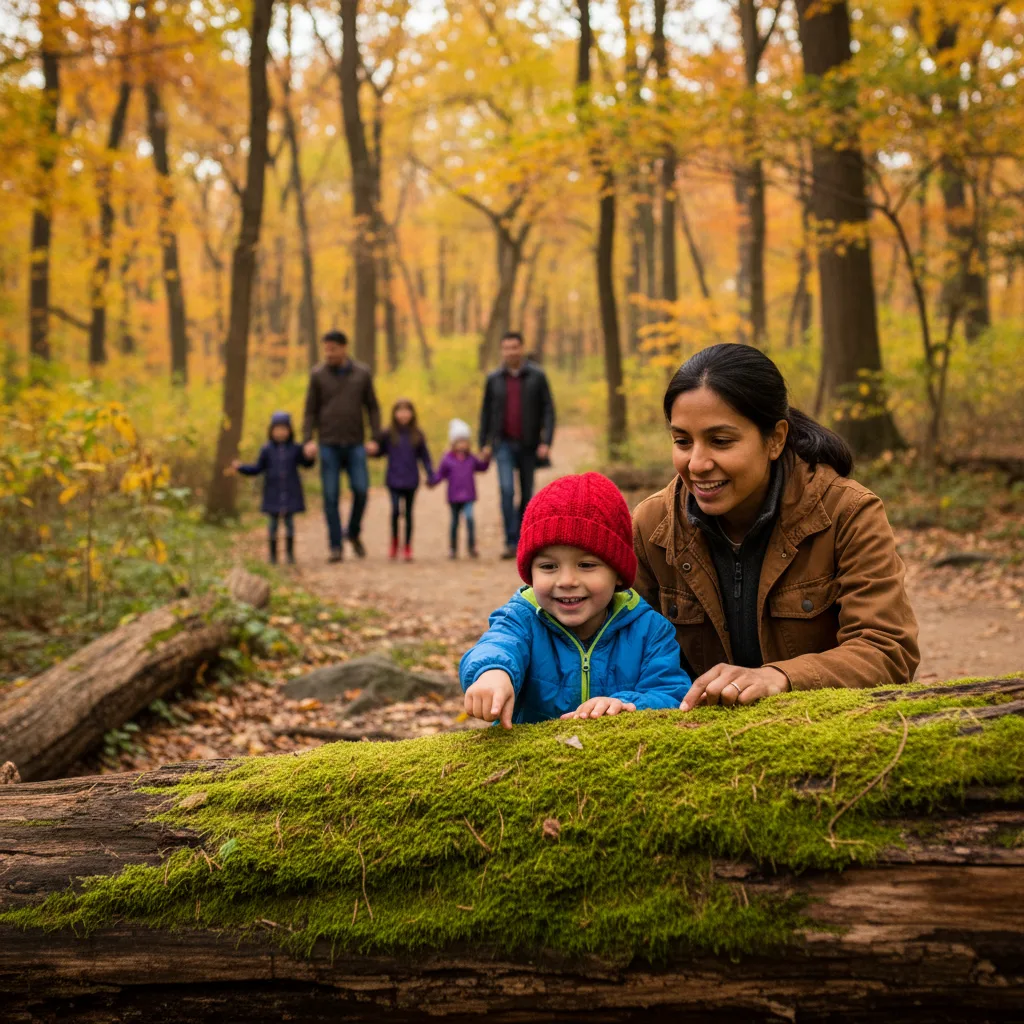
Central Park Kids Celebrate Forest Day with Wonder in the Woods
Central Park hosts "Wonder in the Woods" on October 3, 2026, a free family scavenger hunt in the North Woods. Children can celebrate City of Forest Day, offering an engaging outdoor activity.

Central Park Conservancy Launches Free Fall Scavenger Hunt
Central Park Conservancy launches a free fall scavenger hunt for families next month, encouraging outdoor exploration. This self-guided tour through wooded areas offers a chance to unplug and enjoy autumn beauty.
Central Park Friday Play Club Continues for Children in October 2026
Central Park's Friday Play Club, a free, parent-led initiative, continues through winter recess, offering children outdoor recreation on October 2, 2026, and subsequent Fridays.
Patch Calendar Highlights Central Park 'Party On Park 2026' September 27
The Upper East Side Patch calendar featured "Party On Park 2026" for Sunday, September 27, at 12:00 PM, opening Park Avenue Viaduct spaces for recreation near Central Park.
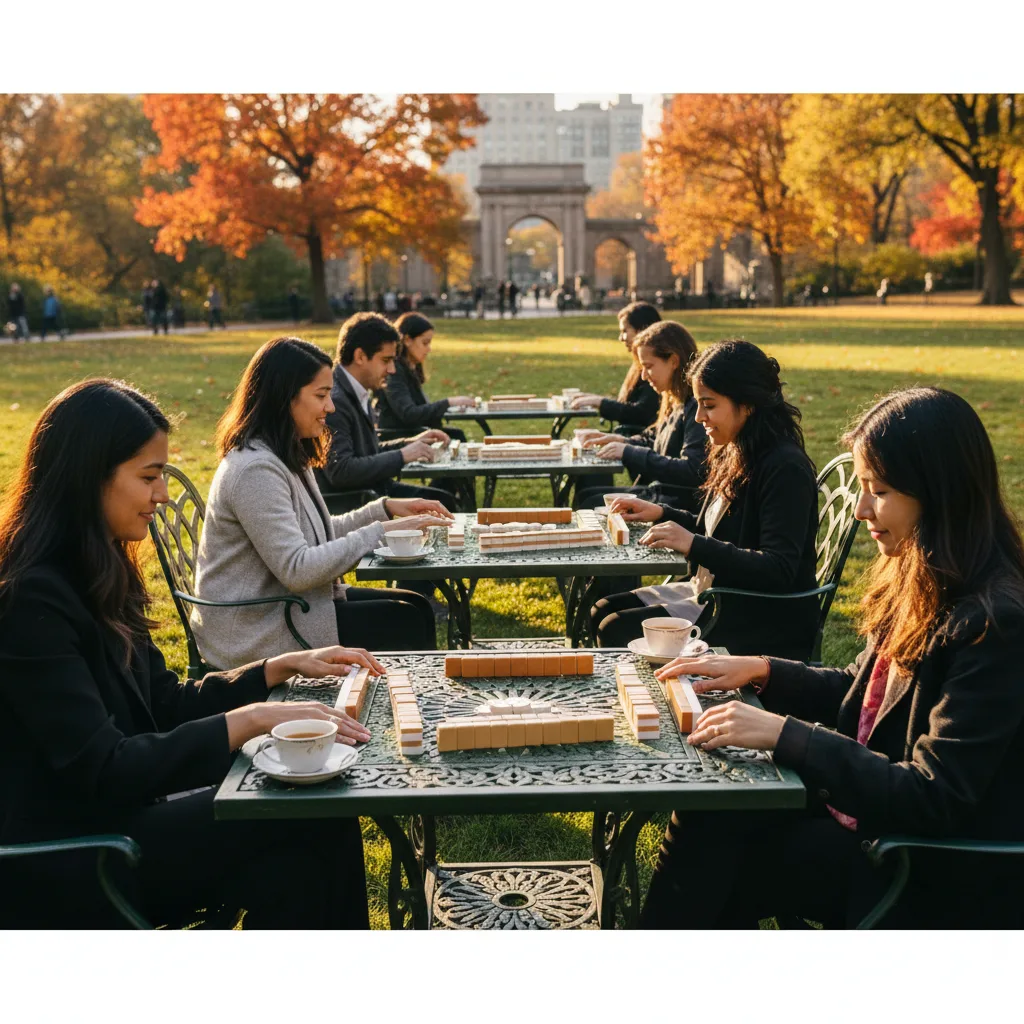
Central Park Conservancy Announces 2026 Fall Mahjong Social
The Central Park Conservancy announced its 2026 Fall Central Park Mahjong Social, hosted by the Women’s Committee and Playground Partners. This event supports park initiatives and follows the Play for the Park Tennis Tournament, inviting community involvement.