


Central Park Conservancy Partners Big Reuse for On-Site Composting
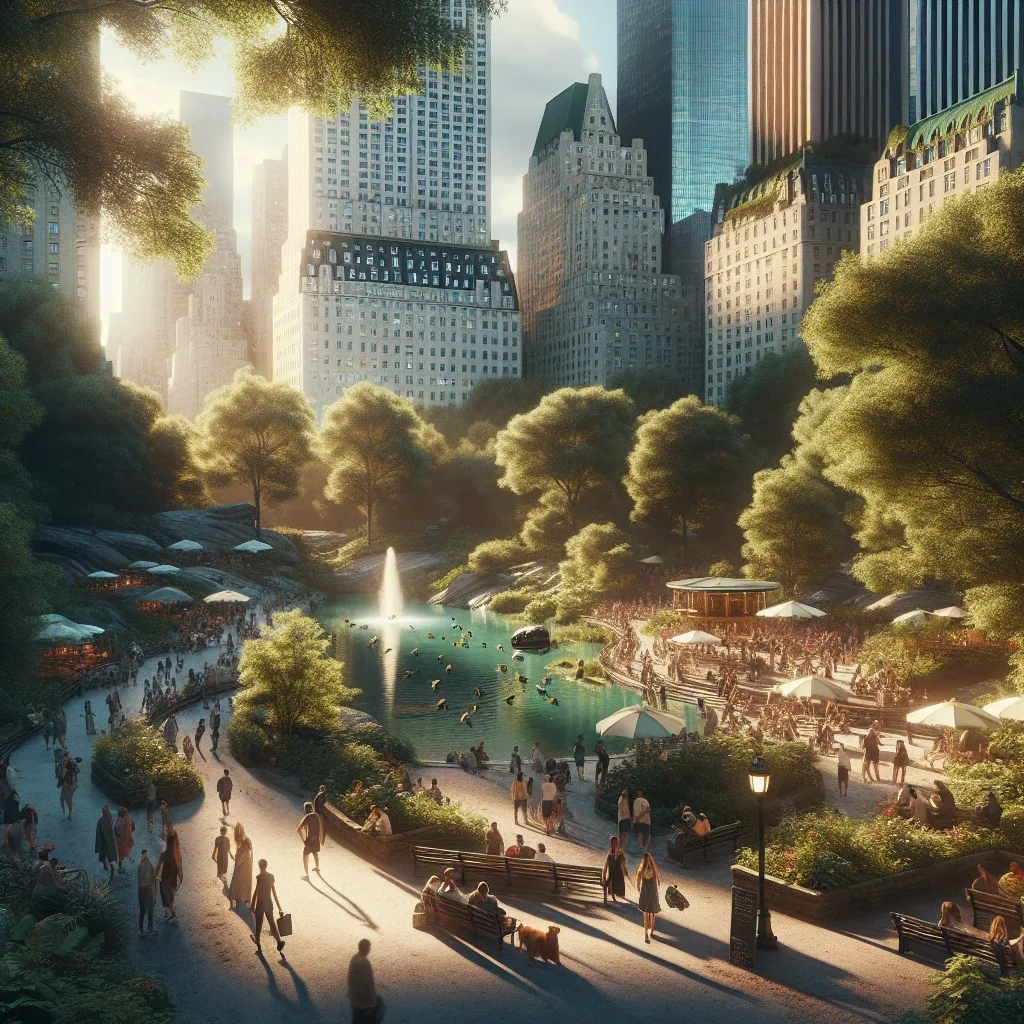
NEW YORK — The Central Park Conservancy officially announced a new partnership with Brooklyn-based non-profit Big Reuse, launching an innovative in-park composting initiative. This collaboration aims to divert significant amounts of organic waste from landfills, transforming it into nutrient-rich soil to benefit Central Park's vast landscapes. Officials with the Conservancy emphasized the environmental benefits and the project's role in advancing sustainable park management for 2026 and beyond.
According to Elizabeth W. Smith, President and CEO of the Central Park Conservancy, this program is a significant step towards the park's long-term sustainability goals. "By partnering with Big Reuse, we are closing the loop on waste," Smith told reporters during a press conference near the Conservatory Garden on March 14, 2026. "Organic materials collected within the park will now directly contribute to its ecological health, rather than burdening the city's waste stream."
A Greener Future for Park Maintenance
The new program, which began its pilot phase in February 2026, focuses on collecting landscape debris, food scraps from concession stands, and other compostable materials generated within the 843-acre park. These materials are then transported to a dedicated composting site within the park's maintenance facilities, avoiding off-site processing. This localized approach reduces transportation costs and carbon emissions, according to Conservancy data.
Big Reuse, known for its expertise in community composting and environmental education, will provide technical support and operational guidance. Justin Green, Executive Director of Big Reuse, highlighted the partnership's potential. Green noted that this collaboration marks one of the largest in-park composting operations in New York City, setting a precedent for other urban green spaces.
Operational Logistics and Community Engagement
The initial phase of the composting program targets specific areas of the park, including the popular Central Park Zoo and various dining establishments. Designated collection points and specialized bins have been deployed, making it easier for park staff and vendors to separate compostable waste. The Conservancy anticipates processing up to 500 tons of organic material annually once the program is fully scaled.
This initiative also includes an educational component, with plans for public workshops and signage to inform visitors about sustainable practices. The goal is to encourage parkgoers to adopt similar habits at home, fostering a broader culture of environmental responsibility. For more information on environmental efforts within the park, visitors can explore the Central Park Conservancy's press releases.
Economic and Environmental Impact
Beyond the direct environmental benefits, the composting program is expected to yield economic advantages. By reducing the volume of waste sent to city landfills, the Conservancy anticipates a decrease in waste disposal fees. The compost produced will be used directly on park plantings, reducing the need for purchasing external soil amendments.
Conservancy officials estimate that the program could save the organization approximately $75,000 annually in waste hauling costs. These savings can then be redirected to other critical park maintenance and restoration projects, further enhancing the park experience for millions of annual visitors. The immediate impact on soil health is already being observed in test plots near the North Woods, showing improved nutrient absorption for native flora.
Broader Implications for Urban Parks
The success of Central Park's composting program could serve as a model for other large urban parks grappling with waste management challenges. Urban green spaces often face unique logistical hurdles in sustainability efforts due to their high visitor traffic and diverse operational needs. This project demonstrates a scalable and effective solution.
New York City's Department of Sanitation has expressed interest in observing the program's progress, seeing it as a potential blueprint for wider adoption. "This innovative approach aligns perfectly with our city's broader zero-waste initiatives," stated Sanitation Commissioner Jessica L. Thompson in a public memo. "We are eager to learn from Central Park's experience and explore similar partnerships across the five boroughs."
Sustaining Central Park's Natural Beauty
Central Park, an Olmsted and Vaux masterpiece, has always been at the forefront of urban park design and preservation. This composting initiative continues that legacy by embracing modern ecological principles. The commitment to turning park waste into a valuable resource underscores a deep dedication to maintaining the park's natural systems. It connects directly to the historical understanding of ecological balance, something often discussed in broader news from Central Park.
The Conservancy's continuous efforts ensure that the park remains a pristine oasis for generations of New Yorkers and tourists alike. By focusing on practical, actionable steps like composting, they are actively working to mitigate environmental challenges. The path to a truly circular economy within such a vital urban space is challenging, but this partnership represents significant progress.
Frequently Asked Questions About Central Park's Composting
What types of materials are accepted in the Central Park composting program? The program primarily accepts landscape debris, such as leaves, branches, and grass clippings, along with food scraps from park concession stands and certain designated events. Non-organic materials like plastic, glass, and metal are strictly excluded to ensure compost quality.
Where is the composting facility located within Central Park? The composting operation is situated within the Central Park Conservancy's existing maintenance facilities, strategically located to minimize disruption and maximize efficiency for collecting and processing organic waste. This location allows for direct application of the finished compost back into the park's landscapes.
How can park visitors contribute to the composting effort? While the current phase focuses on materials collected by park staff and vendors, future plans include expanding public access to composting bins at key locations. Visitors are encouraged to dispose of their waste responsibly in designated recycling and trash receptacles throughout the park, following guidelines to separate materials properly.
Related Articles
More in Wildlife & Nature →
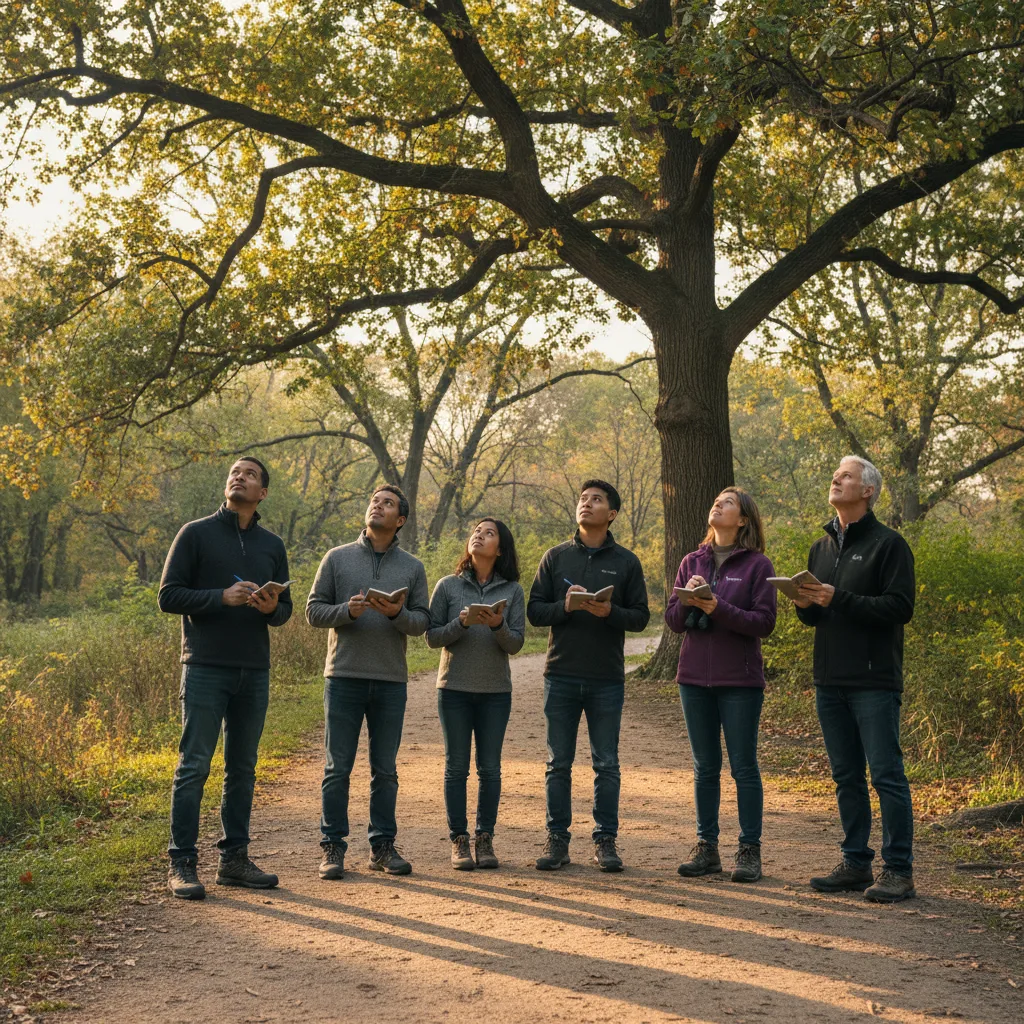
Central Park Boathouse Bird Watching Tour Offers Educational Experience
Central Park Boathouse offers an educational bird watching tour, providing visitors an opportunity to observe avian species. This experience connects locals with nature, enhancing appreciation for park wildlife.
Central Park Event Calendar Features Climate Week Activities September 27
Central Park's event calendar for September 27, 2026, included a Climate Week-aligned "Journal, Meditation, + Bird Walk," promoting environmental awareness.
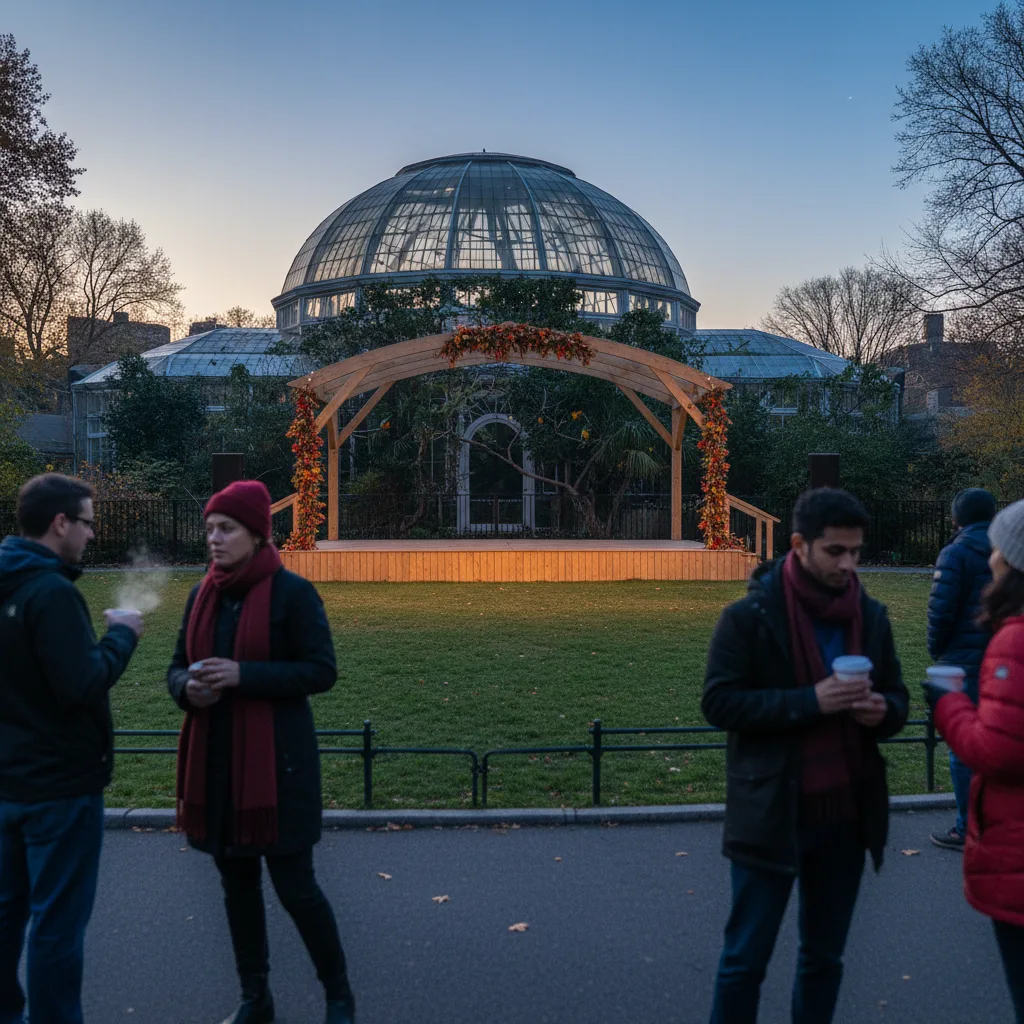
Wildlife Conservation Society Awards Lovejoy Prize at Central Park Zoo
Wildlife Conservation Society awards 2026 Thomas E. Lovejoy Prize today at Central Park Zoo during Climate Week in New York City.
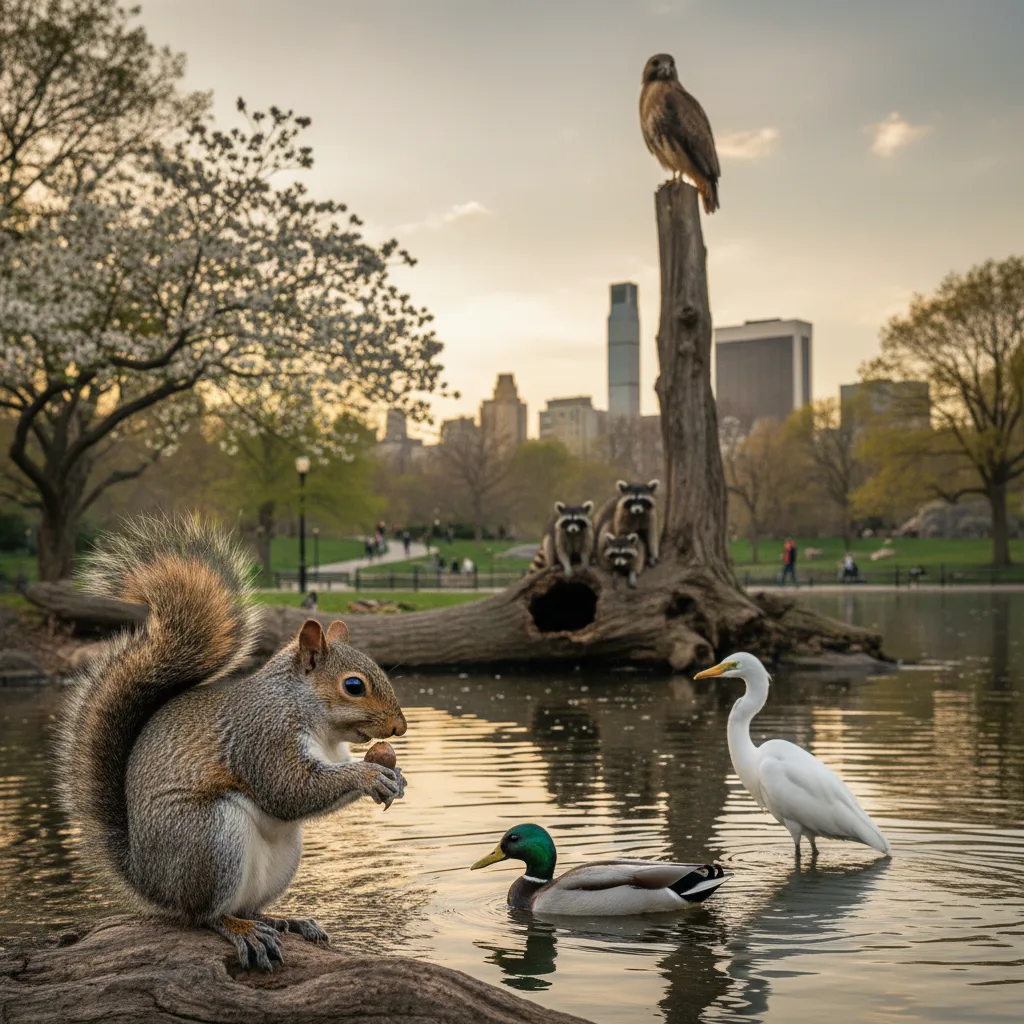
A Guide to Central Park's Wildlife: What to Know About the Park's Animals and Ecosystem
Discover the diverse Central Park wildlife, from birds and mammals to aquatic life. Learn responsible observation tips and conservation efforts for 2026.
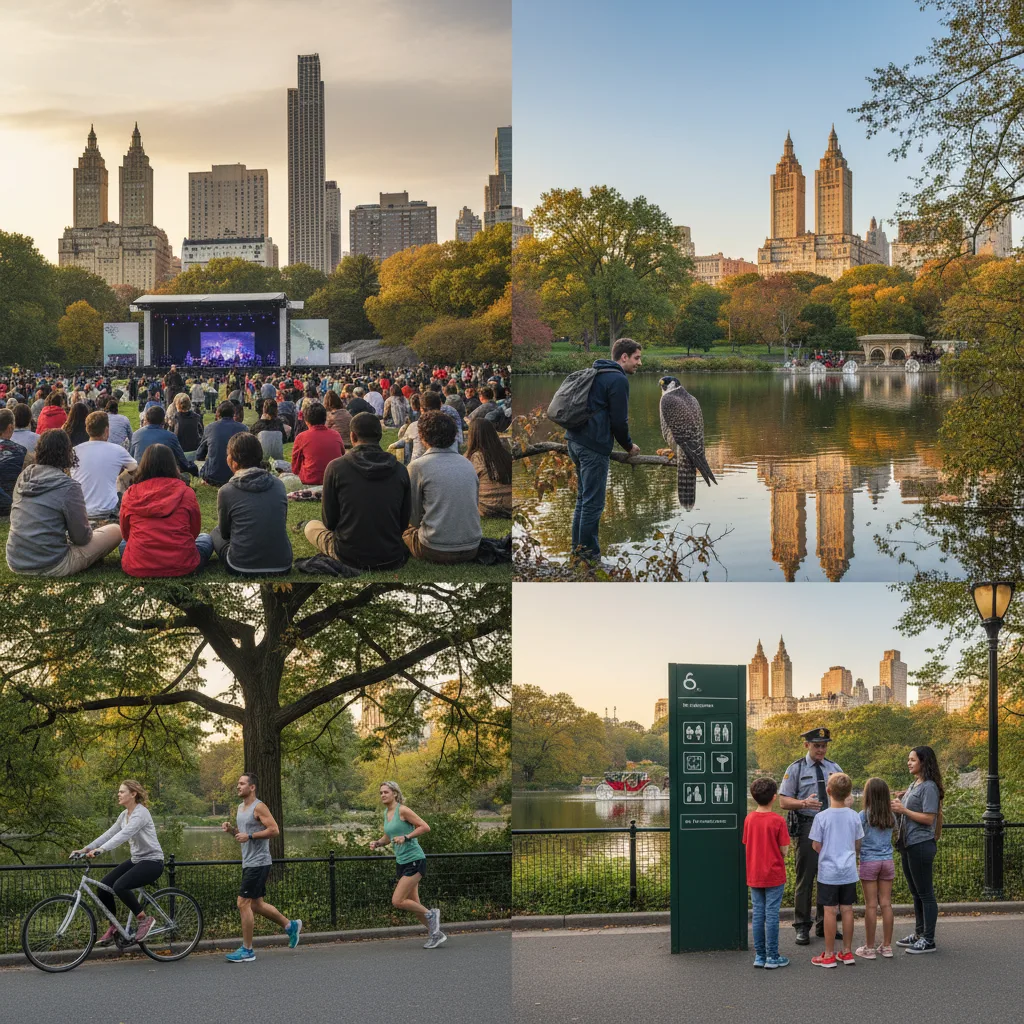
A Guide to Central Park's Top Activities and Best Things to Do in 2026
Discover the best things to do in Central Park, NYC, with our comprehensive 2026 guide to iconic landmarks, activities, and hidden gems for visitors.
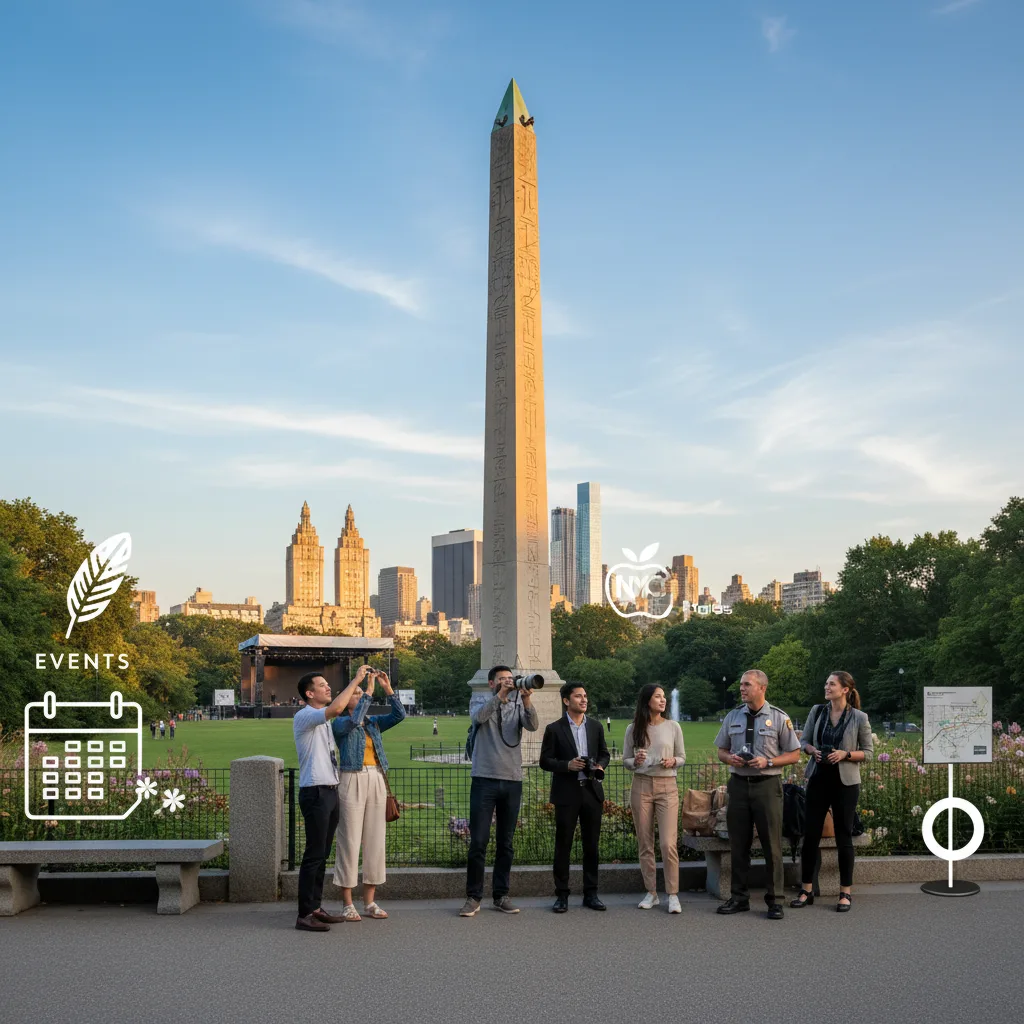
A Guide to What to Know About the Vatican Obelisk in Central Park 2026
Discover what to know about the Vatican Obelisk (Cleopatra's Needle) in Central Park, its history, journey to NYC, and where to find it in 2026.