


Central Park Conservancy Reinforces 2026 Safety Guidelines
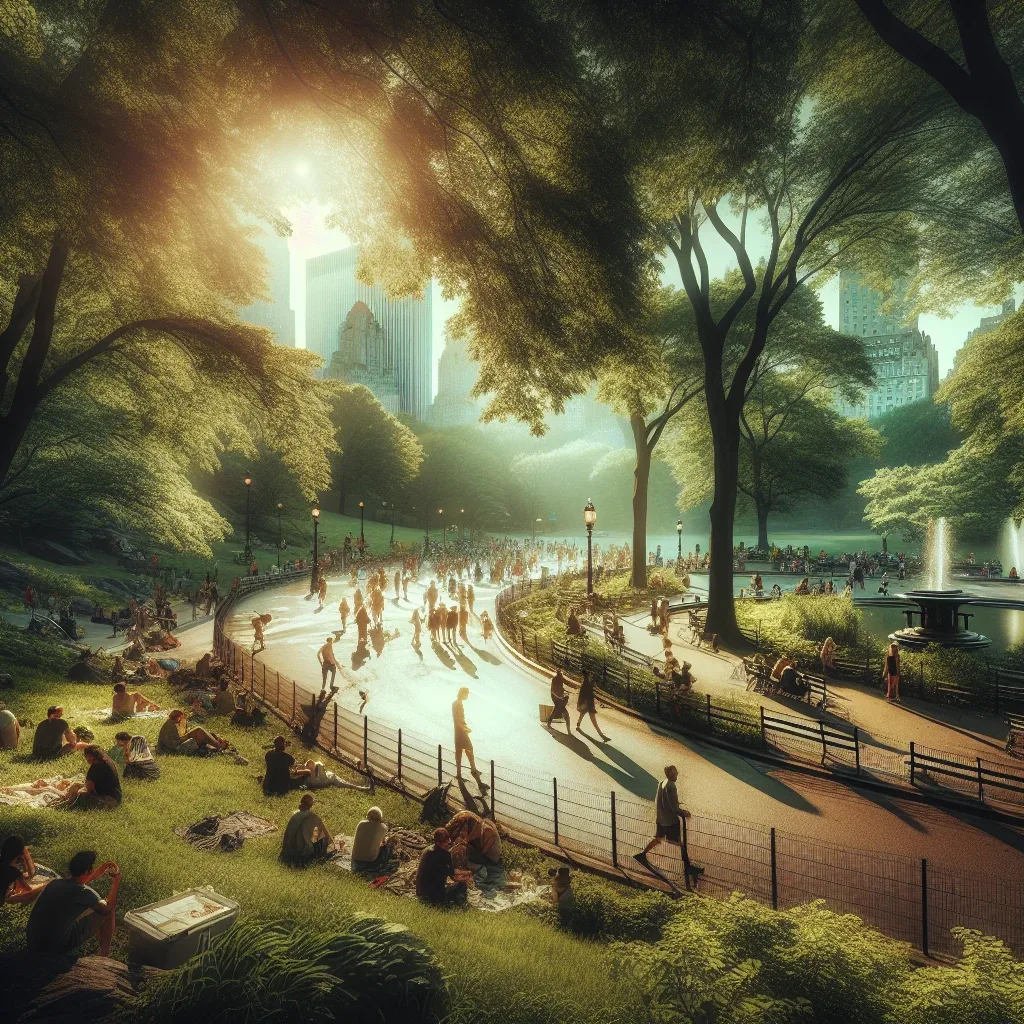
NEW YORK — The Central Park Conservancy, responsible for the maintenance and care of the city's iconic green space, today reiterated critical public safety guidelines for visitors. These measures are especially pertinent as warmer weather and increased pedestrian traffic are anticipated throughout 2026. The Conservancy’s directives aim to ensure a safe and enjoyable experience for millions who visit the 843-acre urban oasis annually.
Officials from the Conservancy emphasized that Central Park remains fully open to the public, a policy upheld since the onset of the 2020 global health crisis. However, visitors are strongly urged to continue exercising caution and adhering to communal health practices. These include wearing face coverings in crowded areas and maintaining at least six feet of distance from others, particularly on popular paths like those around the Jacqueline Kennedy Onassis Reservoir.
Sustained Health Precautions in 2026
The Conservancy's consistent message underscores an ongoing commitment to public health. Elizabeth Gotthelf, Chief Operations Officer for the Central Park Conservancy, highlighted the importance of collective responsibility. "Our primary goal is to provide a beautiful, accessible park while safeguarding the health of every visitor and staff member," Gotthelf stated in a press release issued this morning. "These guidelines, while familiar, remain essential for responsible park usage in 2026."
Park Rangers and staff members regularly patrol high-traffic zones, including the Mall and Literary Walk, gently reminding visitors of the current protocols. Digital signage and informational placards are also prominently displayed at all major park entrances, from Grand Army Plaza at 59th Street to the northern gates at 110th Street. The Conservancy reported a 15% increase in reported social distancing violations during peak weekend hours last summer, prompting renewed calls for vigilance.
Operational Adjustments and Visitor Flow
Managing visitor flow across the park’s vast network of pathways and open spaces presents unique challenges. The Conservancy employs various strategies to mitigate congestion in popular areas. Designated one-way pedestrian routes are occasionally implemented on narrow paths, particularly near attractions such as Bethesda Terrace, to prevent bottlenecks. Park maintenance crews have also increased litter collection efforts by 20% in anticipation of larger crowds this year, ensuring cleanliness across the grounds.
Public restrooms, located strategically throughout the park, including near Sheep Meadow and the Conservatory Garden, undergo frequent sanitization. Hand sanitizer stations have been installed at over 50 key points, offering convenient access for visitors. The Central Park Conservancy's alert system, available online, provides real-time updates on park conditions and specific advisories for visitors. For more details on current operational status, visit the Central Park Conservancy alerts page.
Enforcement and Community Cooperation
While the Conservancy aims for voluntary compliance, Park Enforcement Patrol officers have the authority to address egregious violations of public health guidelines. These officers, often seen on bikes or foot patrol, work in conjunction with the New York City Police Department (NYPD) when necessary. However, the focus remains on education and encouraging cooperative behavior among park-goers. A recent survey conducted by the Conservancy indicated that 85% of visitors felt safe within the park boundaries due to visible safety measures.
Collaboration with local community boards and advocacy groups has been integral to disseminating these messages. Public service announcements, distributed through local news channels and social media platforms, regularly reinforce the importance of these guidelines. This multi-pronged approach ensures that information reaches a diverse audience, from daily commuters passing through the park to tourists exploring its landmarks.
The Role of Public Green Spaces in 2026
Central Park’s role as a vital urban retreat has only intensified in recent years. It offers a crucial space for physical activity, mental well-being, and social connection. The sustained emphasis on health and safety protocols reflects this heightened importance. Dr. Anya Sharma, a public health expert at New York University, highlighted the necessity of responsible outdoor recreation. "Parks provide invaluable respite," Sharma explained, "but their benefits are maximized when everyone plays a part in keeping these spaces safe and accessible for all members of the community."
The sheer volume of visitors, estimated at over 42 million annually in pre-pandemic years, necessitates robust management. The Conservancy’s detailed guidelines serve as a blueprint for maintaining ecological balance alongside human use. The park's diverse ecosystems, from the Ramble's dense woodlands to the Great Lawn's expansive vistas, all benefit from respectful public engagement.
Looking Ahead: Park Resilience and Adaptation
Looking beyond immediate health concerns, the Central Park Conservancy is also evaluating long-term strategies for park resilience. Climate change impacts, such as more frequent extreme weather events, present ongoing management challenges. This includes managing stormwater runoff and maintaining the health of the park's more than 20,000 trees. The Conservancy has recently launched an initiative to plant 500 new deciduous trees by late 2026, bolstering the park's canopy and biodiversity.
Further, the Conservancy continues to advocate for sustained funding for park maintenance and renovation projects. These efforts ensure the park can adapt to evolving public needs and environmental pressures, securing its future as a world-class green space. For updates on various park programs and projects, including capital improvements, the Central Park Conservancy website provides detailed information.
Common Questions on Park Guidelines
Visitors often ask about specific rules and recommendations when planning their trips to Central Park. The primary guidelines emphasize personal responsibility: always maintain a minimum of six feet from others, especially in crowded areas like the Chess & Checkers House. Face coverings are strongly recommended when distancing is not possible, particularly on busy paths or near popular features like the carousel. Pets must always remain on a leash and owners are responsible for cleaning up after them. Picnicking is encouraged in designated areas such as Sheep Meadow and the Great Lawn, but open fires and barbecues are strictly prohibited. Bicyclists are required to observe speed limits and yield to pedestrians, using designated bike lanes where available around the park’s perimeter loop drive. All commercial activities, including vending and organized tours, require prior permits from the Department of Parks and Recreation, ensuring fair access and preventing overcrowding.
Related Articles
More in Park Operations & Maintenance →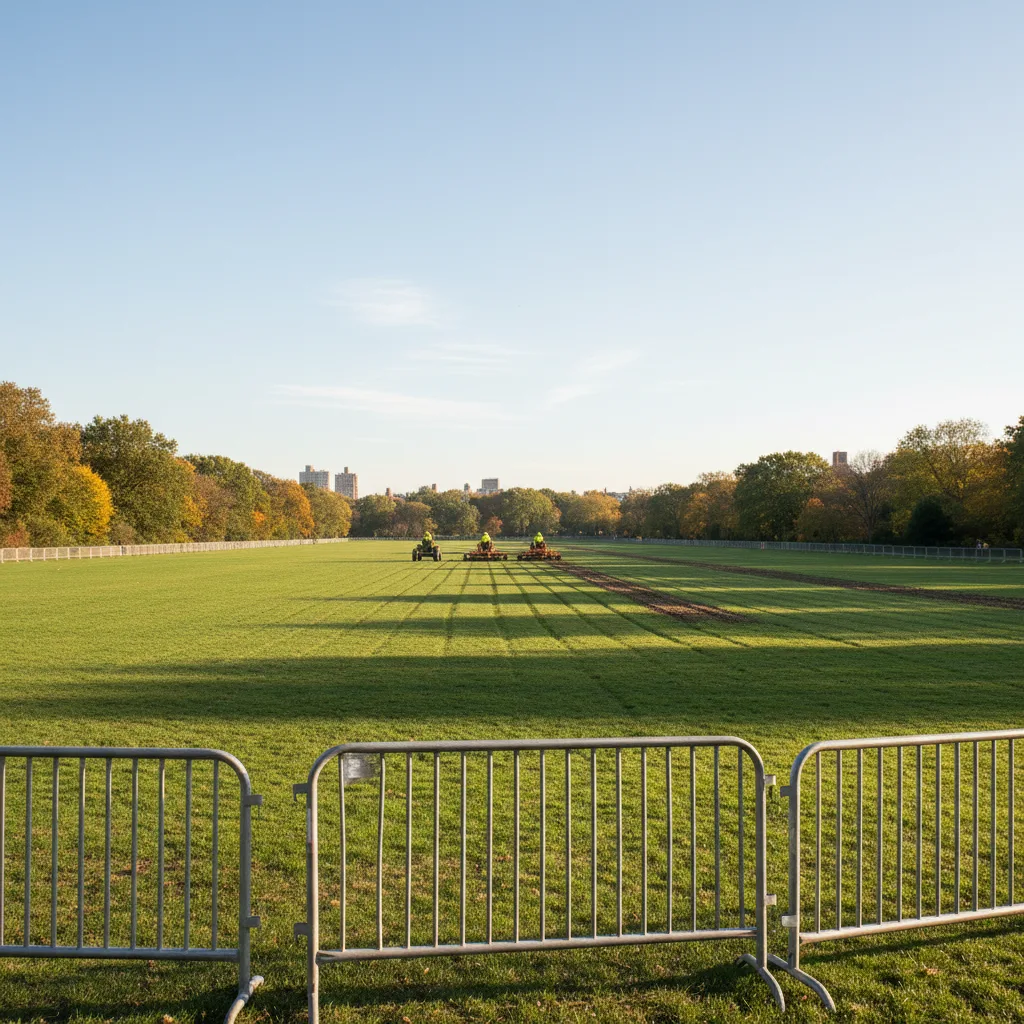
Central Park Conservancy Closes Great Lawn for Scheduled Maintenance
The Central Park Conservancy closed the Great Lawn through October 2, 2026, for scheduled maintenance, impacting weekend activities. Essential upkeep ensures the iconic green space remains vibrant for visitors.
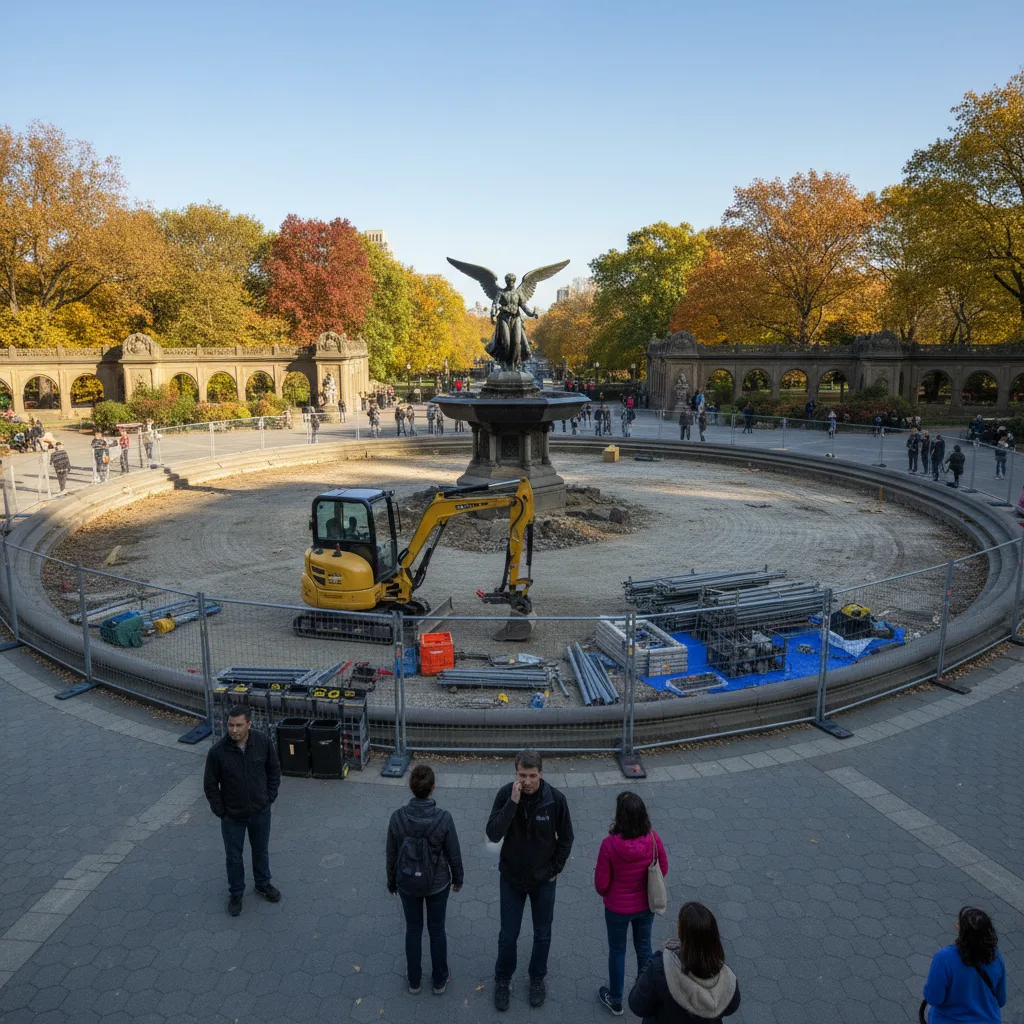
Central Park Conservancy Announces Bethesda Fountain, Great Lawn Closures
Central Park Conservancy announced Bethesda Fountain is off for restoration and the Great Lawn closed through October 2, 2026 for maintenance, affecting visitor access.
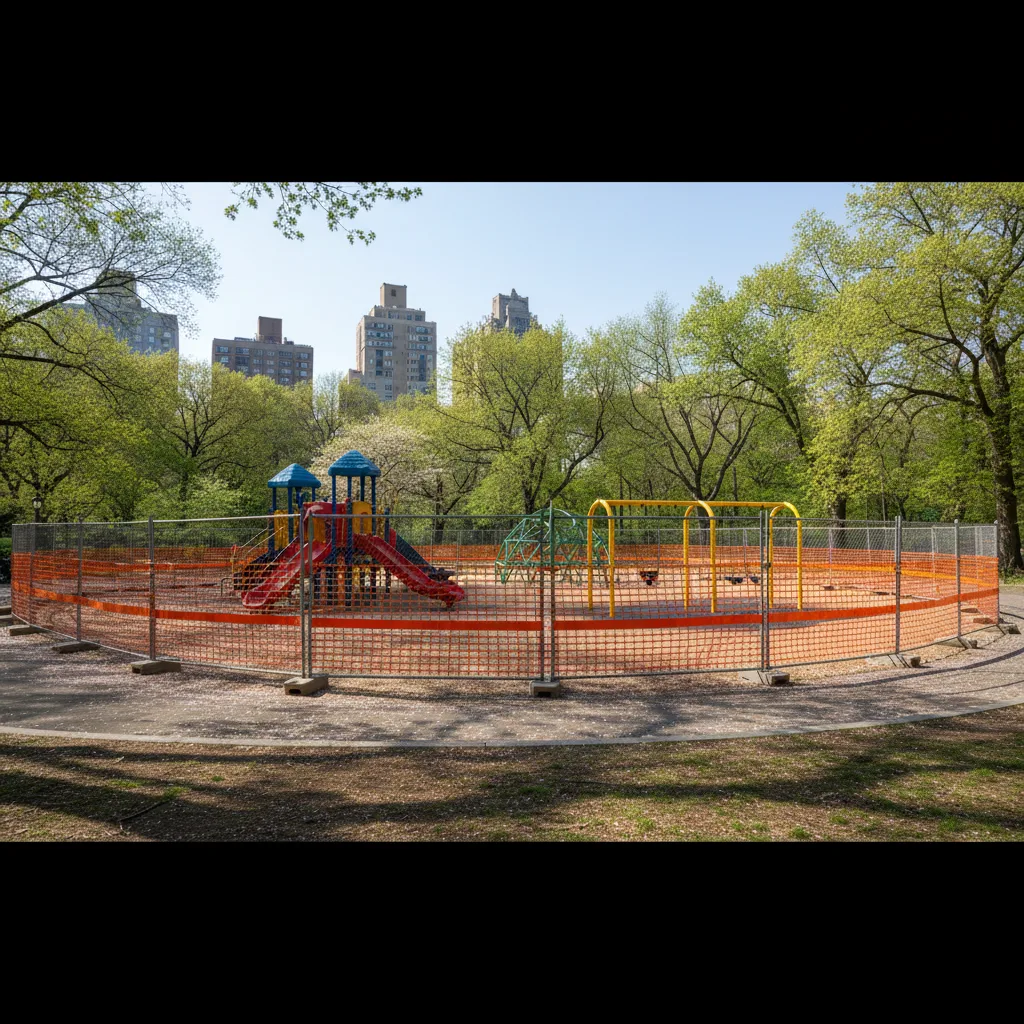
Central Park Conservancy Closes East 110th Street Playground for Restoration
Central Park Conservancy closed the East 110th Street Playground for restoration, while North Meadow and Heckscher ballfields shut due to weather. Plan your visit; check alerts for closures impacting recreation in Central Park.
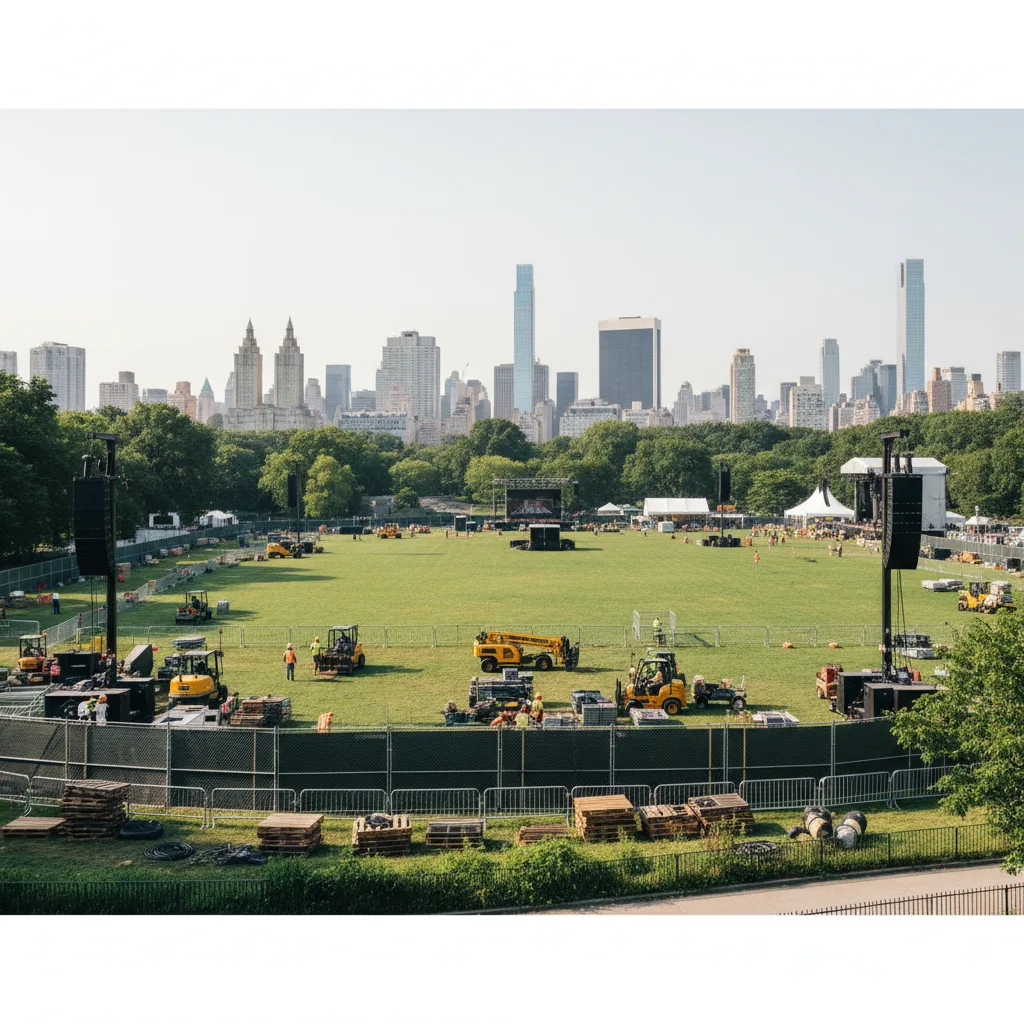
Central Park Conservancy Closes Great Lawn for Global Citizen Festival
Central Park Conservancy confirmed the Great Lawn is closed through September 26, 2026, for the Global Citizen Festival, affecting access to Belvedere Castle and Turtle Pond. Local residents and visitors should plan alternate routes and expect traffic delays around the park's perimeter.
Central Park Conservancy Confirms 2026 Daily Operating Hours
Central Park Conservancy confirms 2026 daily hours: 6:00 a.m. to 1:00 a.m. This notice is for visitor planning, not a change.
Central Park Conservancy Announces Park Hours Update for 2026
Central Park Conservancy announced updated 2026 park hours, maintaining 6:00 a.m. to 1:00 a.m. access daily. This schedule balances public enjoyment with critical maintenance and security operations.