


Central Park Conservancy Reinforces Health Guidelines, Park Remains Open

NEW YORK — The Central Park Conservancy, in collaboration with NYC Parks, has officially reiterated its public health guidelines for all visitors as Central Park continues to serve as a vital urban sanctuary. On Tuesday, December 9, 2026, the Conservancy issued a renewed statement emphasizing the importance of wearing face coverings and maintaining at least six feet of distance from others while enjoying the park's sprawling landscapes.
This proactive communication aims to ensure the well-being of the millions who frequent the 843-acre green space, especially as winter approaches and outdoor gatherings become more common. Officials from the Conservancy confirmed that Central Park remains fully open to the public, providing a critical resource for mental and physical health during ongoing public health challenges. However, they stressed that adherence to safety protocols is non-negotiable for the collective good. The directives are consistent with broader New York City Department of Health and Mental Hygiene recommendations for outdoor public spaces.
Continued Public Health Protocols for Park Visitors
The Central Park Conservancy’s updated guidance specifically requests that visitors wear a face covering when they cannot maintain adequate physical distance from others, particularly in more crowded areas like the Bethesda Terrace or along the Mall. While not a strict mandate for all open spaces, the strong recommendation is designed to mitigate potential transmission risks in densely populated sections of the park. Compliance is crucial for minimizing health risks to both visitors and park staff.
"We are committed to keeping Central Park accessible and safe for everyone," stated Sarah Davies, Vice President of Operations for the Central Park Conservancy, in a press release issued from their headquarters near the Charles A. Dana Discovery Center. She added that the vastness of the park allows for ample space, but conscious effort is needed in bottleneck areas. Davies confirmed that park rangers and public safety officers are gently reminding visitors of these guidelines, distributing informational pamphlets as needed.
Operational Adjustments and Staffing Priorities
To support these public health measures, the Conservancy has implemented several operational adjustments. These include enhanced cleaning protocols for public restrooms and high-touch surfaces, increased signage detailing health guidelines at various entrances, and strategic deployment of staff to manage visitor flow in popular areas. Over 200 Conservancy staff members and volunteers are actively engaged in maintaining the park and informing the public.
Maintenance schedules have been adapted to ensure proper sanitation across facilities, with restrooms at areas like Heckscher Playground and Conservatory Water receiving more frequent attention. The Conservancy also noted a 15% increase in funding allocated to sanitation services for 2026, underscoring their commitment to a clean and safe environment. This funding bolsters efforts to manage increased waste and keep facilities hygienic for all users.
Balancing Access and Safety in a Busy Urban Park
Central Park’s role as a vital urban green space is amplified during periods of public health concern, as more residents seek outdoor recreation. The Conservancy’s approach seeks to balance unrestricted public access with necessary health precautions. This strategy is continuously reviewed in consultation with city health authorities and reflects an adaptive response to evolving public health landscapes. Visitors are encouraged to check the Central Park Conservancy Alerts page for the most up-to-date information before their visit.
This nuanced approach allows for the park to remain a place of respite and activity, from ice skating at Wollman Rink to quiet strolls through the Ramble. The Conservancy emphasizes that the overwhelming majority of visitors comply with the guidelines, contributing to a respectful and safe shared environment. Their ongoing public awareness campaigns utilize social media and on-site posters to reinforce these messages effectively.
Looking Ahead: Seasonal Preparations and Community Engagement
As the holiday season approaches, Central Park anticipates a surge in visitors, particularly around iconic spots like the Central Park Zoo and the Winter Village at Bryant Park (just south of Central Park). The Conservancy is preparing for this increased traffic by scheduling additional security patrols and information kiosks. They remind visitors that group gatherings should adhere to city-mandated size limits, which currently stand at 25 individuals for outdoor events without a permit.
"The beauty of Central Park lies in its ability to adapt and serve the needs of New York City," said Mark Johnson, Director of Public Programs for NYC Parks, during a recent media briefing. He highlighted the collaborative efforts between city agencies and the Conservancy to maintain this balance. The commitment to public health and safety remains paramount, even as the park prepares for its festive winter programming.
Frequently Asked Questions About Central Park Guidelines
Many visitors often ask if face coverings are mandatory everywhere in Central Park. The Central Park Conservancy strongly recommends wearing face coverings when physical distancing of six feet is not possible, particularly in crowded areas, but it is not a universal mandate across all open spaces. Another common question is about park hours; Central Park is open daily from 6:00 AM to 1:00 AM, though visitors are advised to check for specific facility hours. For details on any temporary closures or special advisories, the official Central Park Conservancy website is the best resource, updated regularly. Public restrooms are cleaned multiple times daily, with specific schedules available upon request from park staff.
Related Articles
More in Safety & Crime →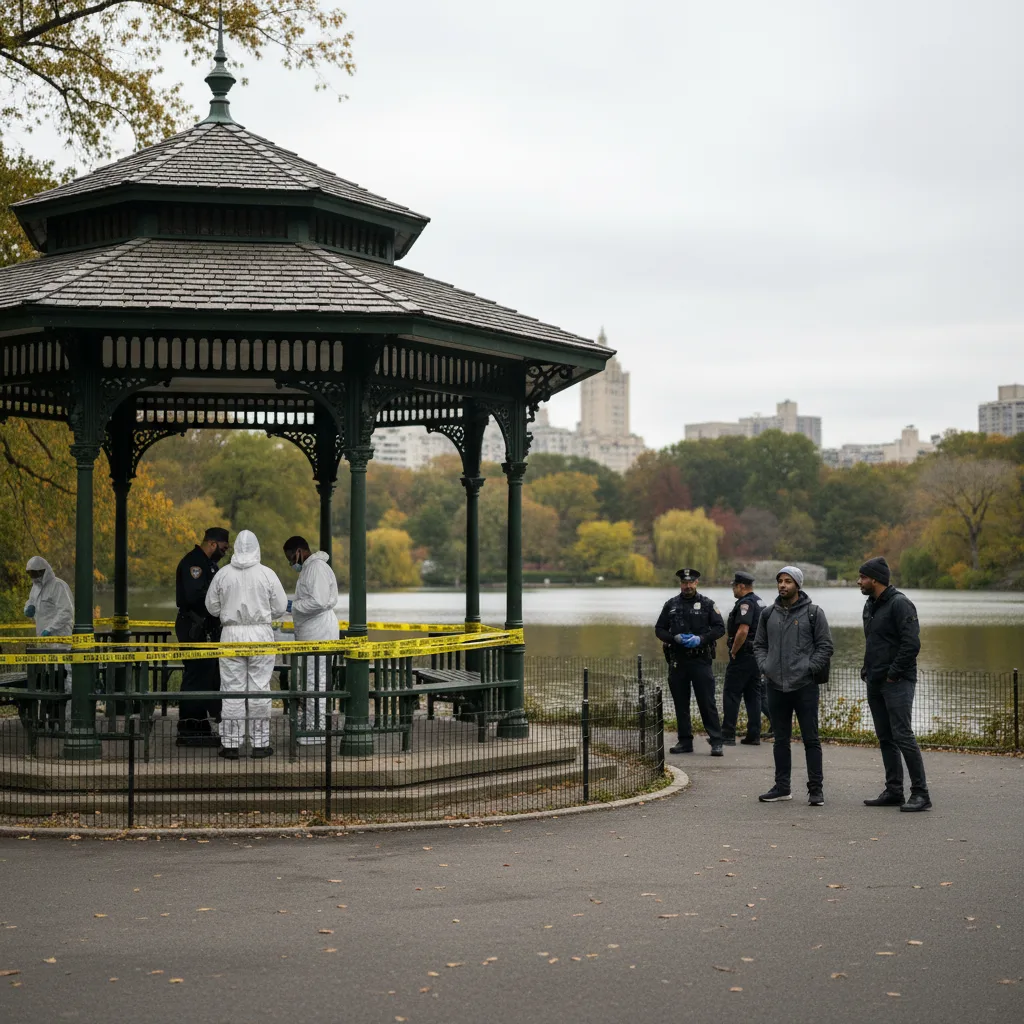
Central Park Woman Found Dead Near Boathouse Gazebo
A woman was found stabbed to death in a Central Park gazebo near the Boathouse on Sunday, prompting an active NYPD homicide investigation.
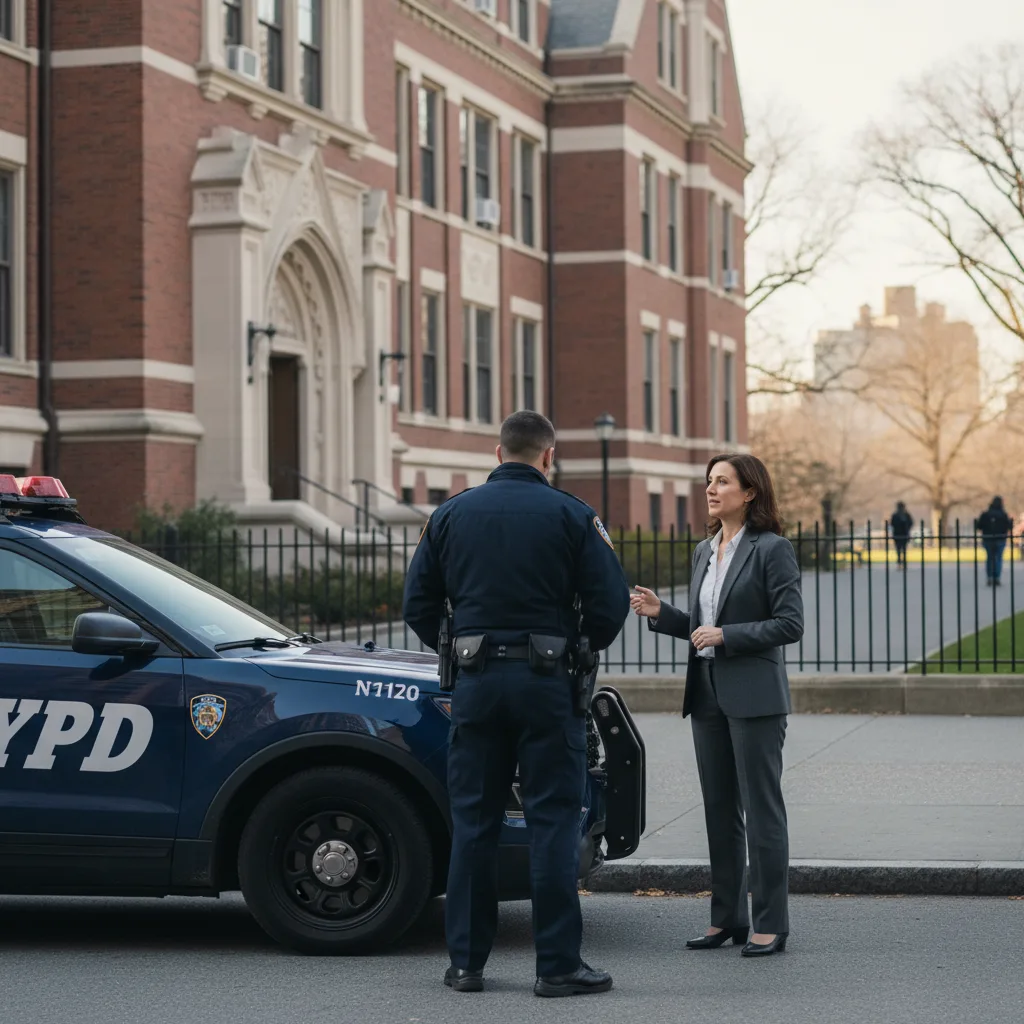
Queens Student Arrested for Bringing Gun to High School
A Queens student was arrested for bringing a gun to high school, prompting immediate law enforcement action and raising school safety concerns.
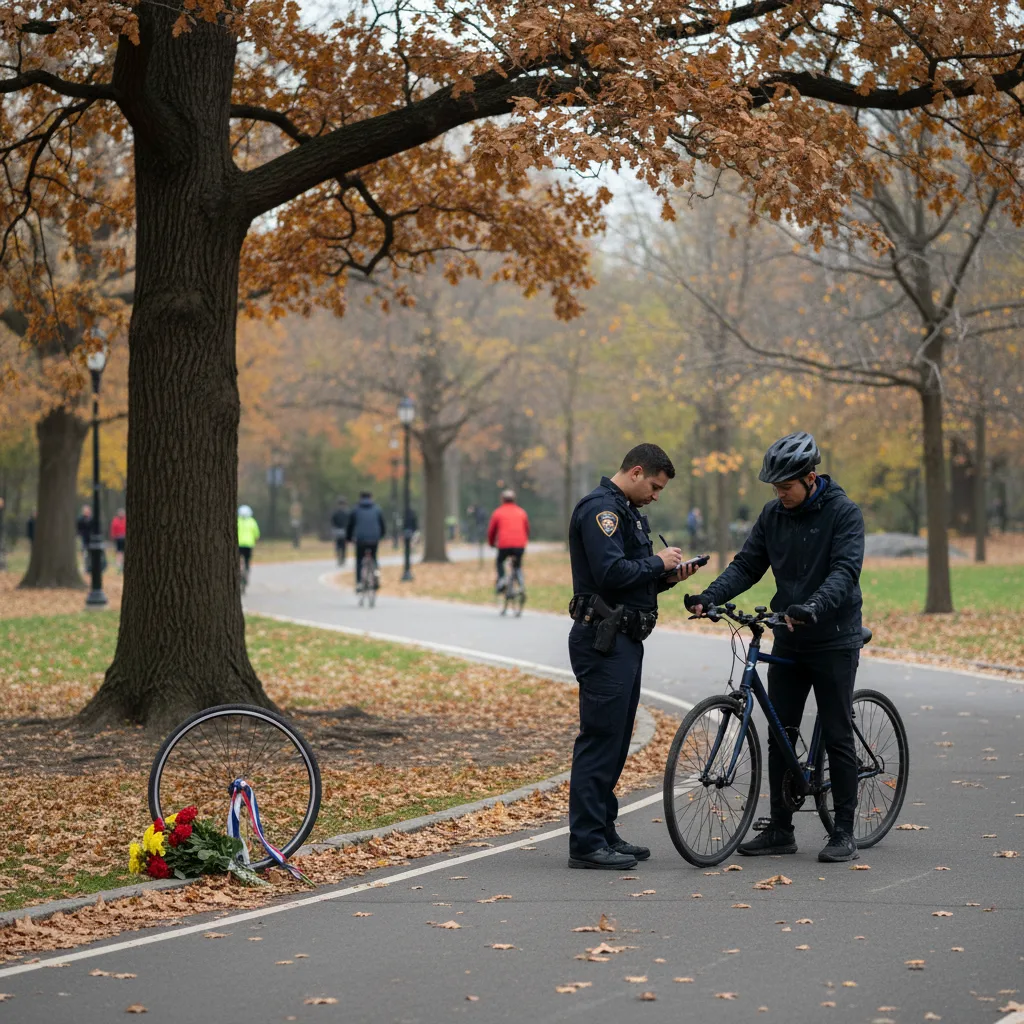
NYC Cyclist Death Prompts NYPD Ticketing Near Fatal Crash Site
NYPD stepped up cyclist ticketing near a recent fatal crash site in Central Park after a cyclist died Monday morning. Local groups demand safety reforms.
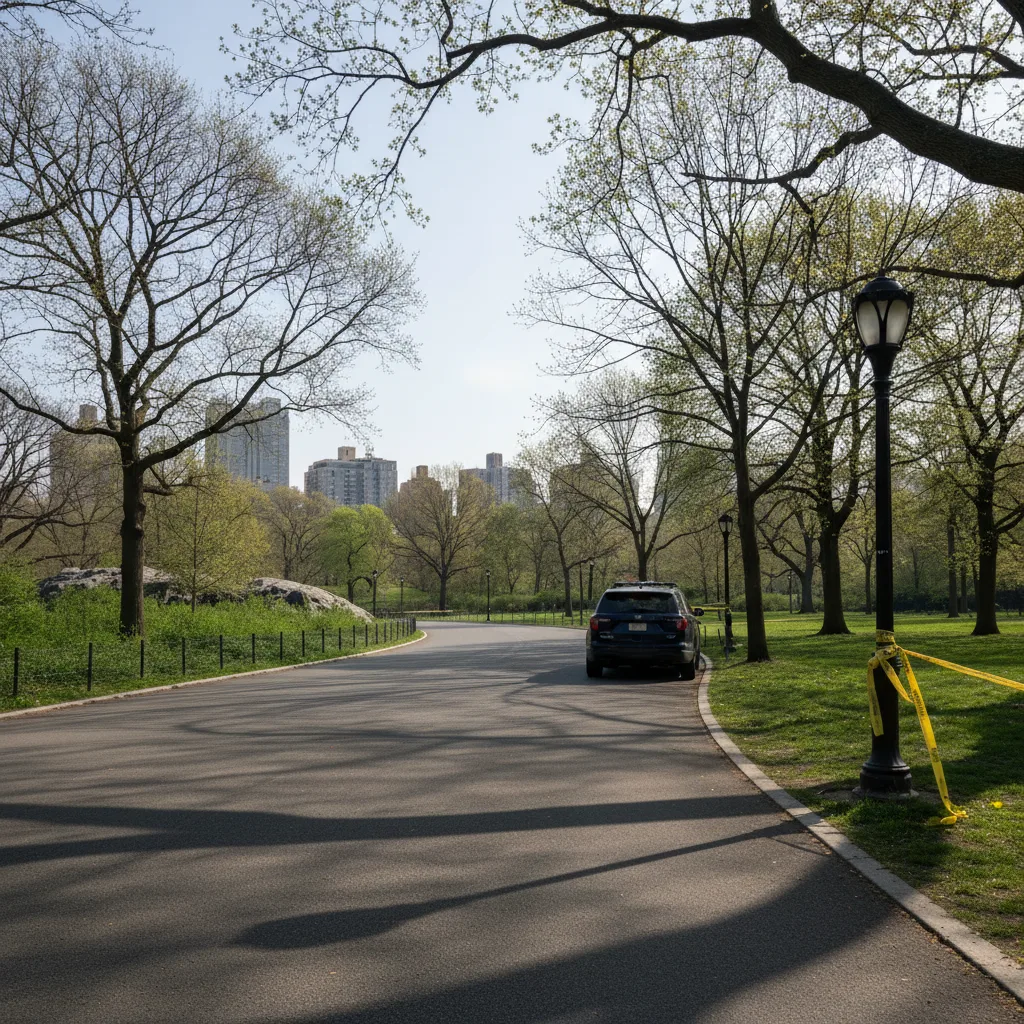
NYPD Confirms 71-Year-Old Cyclist Dies After Dog Collision in Central Park
NYPD confirms a 71-year-old cyclist died after colliding with a dog on Central Park's East Drive, near East 84th Street. The investigation is ongoing.
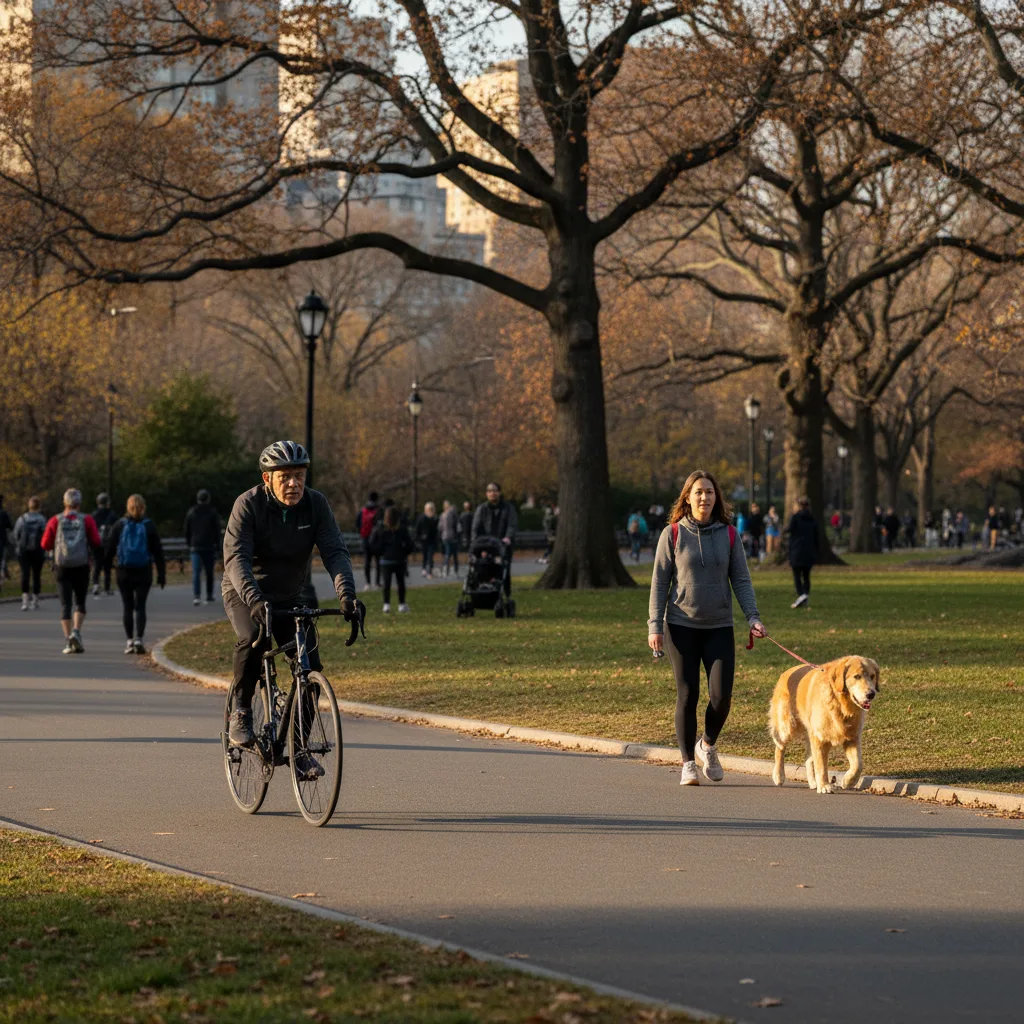
NYPD Investigates Central Park Cyclist Death After Dog Collision
NYPD confirms a 71-year-old cyclist died after colliding with a dog on Central Park's East Drive, near 84th Street. Investigation ongoing.
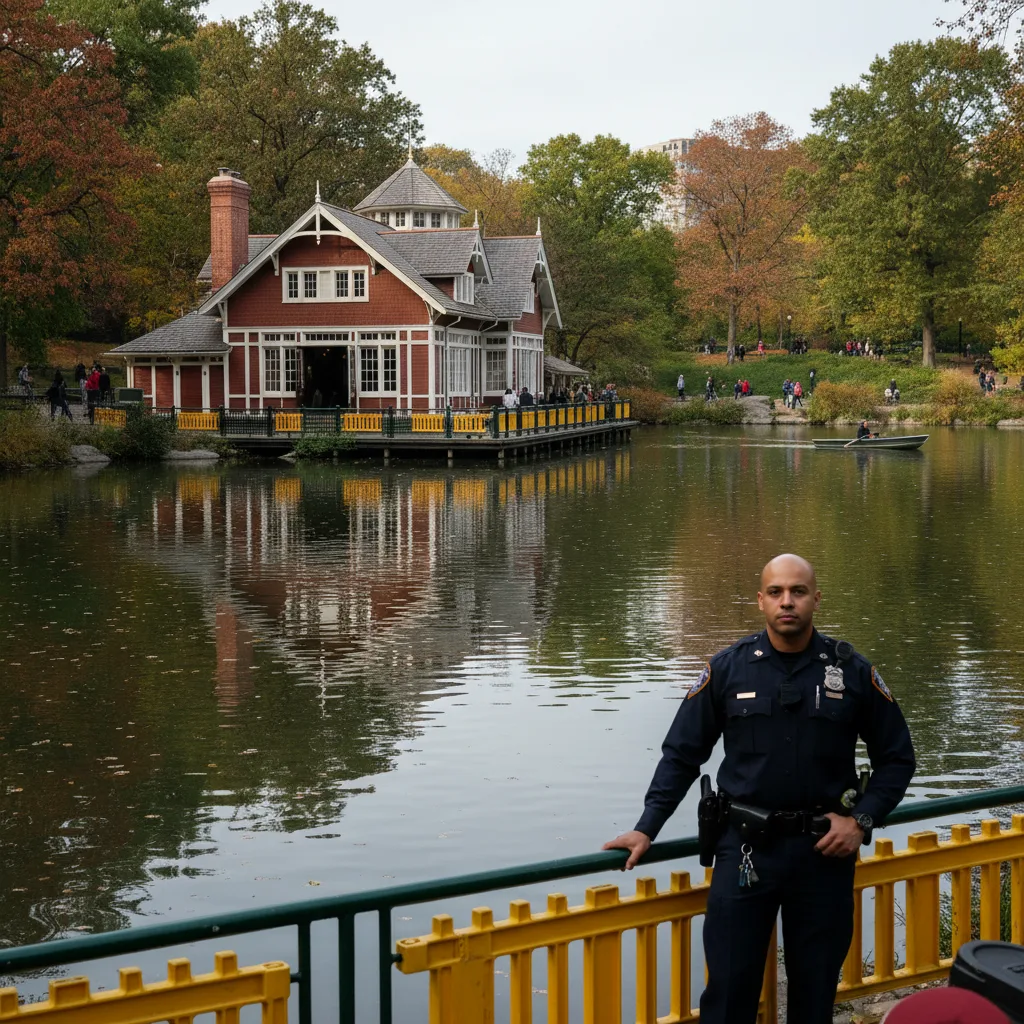
Man Charged in Central Park Beating Death of 63-Year-Old Woman
A 36-year-old man was charged with murder after a 63-year-old woman was found dead with head trauma in Central Park, NYPD confirmed.