


Central Park Conservancy Secures $4.5M for North Woods Restoration 2026
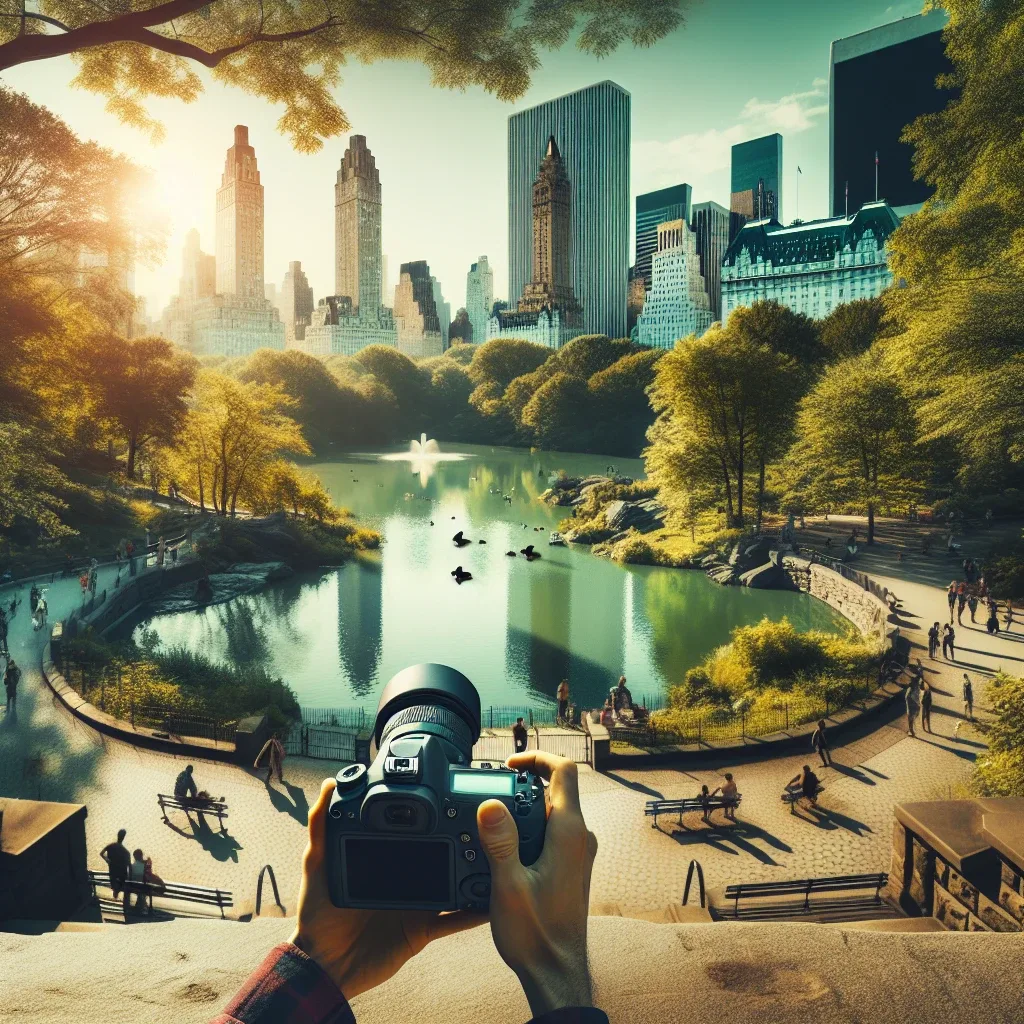
NEW YORK — The Central Park Conservancy has successfully secured $4.5 million in new funding dedicated to the ambitious restoration of the park's North Woods and Ravine area. This significant financial boost will enable crucial ecological and infrastructure improvements starting in summer 2026.
The project underscores a renewed focus on preserving Central Park's wilder landscapes, particularly its only true forest. Conservancy officials highlighted the urgent need to address erosion and invasive species within this critical habitat.
Protecting Central Park’s Last Forest
The North Woods, spanning approximately 40 acres in the northwest corner of Central Park, offers a dramatic contrast to the park's manicured southern landscapes. It features a dense canopy, rustic bridges, and cascading waterfalls, providing a vital habitat for native wildlife.
This funding addresses longstanding issues related to invasive plant species and soil erosion, which threaten the biodiversity and structural integrity of the area. The Ravine, a deeply carved stream valley within the North Woods, is particularly vulnerable to ecological degradation.
Restoration Plans and Ecological Goals
The $4.5 million allocation will fund a multi-phase restoration effort, according to Kevin Daly, Vice President for Landscape Management at the Central Park Conservancy. Key objectives include removing non-native plants and replacing them with diverse, resilient native flora.
Additionally, crews will implement advanced erosion control measures, including bioengineering techniques to stabilize stream banks along the Loch, a stream that flows through the Ravine. The goal is to restore the natural hydrological processes and ecological balance of the forest ecosystem.
Enhancing Visitor Experience and Safety
While focused on ecological health, the project also aims to improve visitor experience and safety within the North Woods. Plans include repairing and upgrading existing rustic pathways and staircases, ensuring safer access to natural features like the Huddlestone Arch.
Signage will be updated to guide visitors and educate them about the unique ecology of the area, promoting responsible enjoyment of the wilder sections of Central Park. The Conservancy anticipates minimal disruption to public access during most phases of the project.
Community Engagement and Partnerships
The Conservancy has partnered with local community groups, including the Harlem Park to Park initiative, to ensure the project benefits adjacent neighborhoods. Volunteer opportunities for planting and trail maintenance will be available to local residents Central Park events calendar.
"Engaging the community is vital for the long-term success of this restoration," stated Daly. "These woods are a shared resource, and their health is a shared responsibility." Educational programs will also be offered to explain the importance of urban wilderness conservation.
Historical Significance of the North Woods
The North Woods was originally conceived by Central Park designers Frederick Law Olmsted and Calvert Vaux as a naturalistic counterpoint to the more formal elements of the park. It was designed to evoke the wild Adirondack Mountains, offering a sense of escape within the bustling city.
Over the decades, without dedicated intervention, the area succumbed to natural wear and tear and the encroachment of invasive species. This restoration marks one of the most significant efforts to return the North Woods to its original ecological vision since its creation in the 19th century.
Timeline and Long-Term Vision
Work is slated to begin in July 2026, with the first phase focusing on the most critical areas of erosion along the Loch. The entire restoration is projected to take approximately three years, with ongoing maintenance programs planned thereafter.
This initiative forms a crucial part of the Conservancy's broader 2030 strategic plan, which prioritizes ecological sustainability across all 843 acres of Central Park. The long-term vision is a healthy, resilient urban forest that thrives for generations to come, providing a critical green lung for New York City.
FAQ: Understanding the North Woods Restoration Project
What is the specific area of Central Park being restored?
The restoration project focuses on Central Park's North Woods and the Ravine area, located in the northwestern section of the park. This includes the densely wooded areas, the Loch stream, and features like the Huddlestone Arch, encompassing approximately 40 acres of significant ecological value.
What are the primary goals of this restoration project?
The main goals are to restore the ecological health of the North Woods by removing invasive plant species, replanting with native flora, and implementing erosion control measures. Additionally, the project aims to improve visitor safety and access through pathway repairs and updated signage, enhancing overall enjoyment of this unique urban forest.
How can the public get involved or support the North Woods restoration?
The Central Park Conservancy offers various ways for the public to get involved. This includes volunteer opportunities for planting and trail maintenance. Donations specifically earmarked for the North Woods project are also accepted. You can find more information and sign up for updates on their official website, where they list all their conservation initiatives.
Related Articles
More in Wildlife & Nature →
Central Park Boathouse Bird Watching Tour Offers Educational Experience
Central Park Boathouse offers an educational bird watching tour, providing visitors an opportunity to observe avian species. This experience connects locals with nature, enhancing appreciation for park wildlife.
Central Park Event Calendar Features Climate Week Activities September 27
Central Park's event calendar for September 27, 2026, included a Climate Week-aligned "Journal, Meditation, + Bird Walk," promoting environmental awareness.
Wildlife Conservation Society Awards Lovejoy Prize at Central Park Zoo
Wildlife Conservation Society awards 2026 Thomas E. Lovejoy Prize today at Central Park Zoo during Climate Week in New York City.
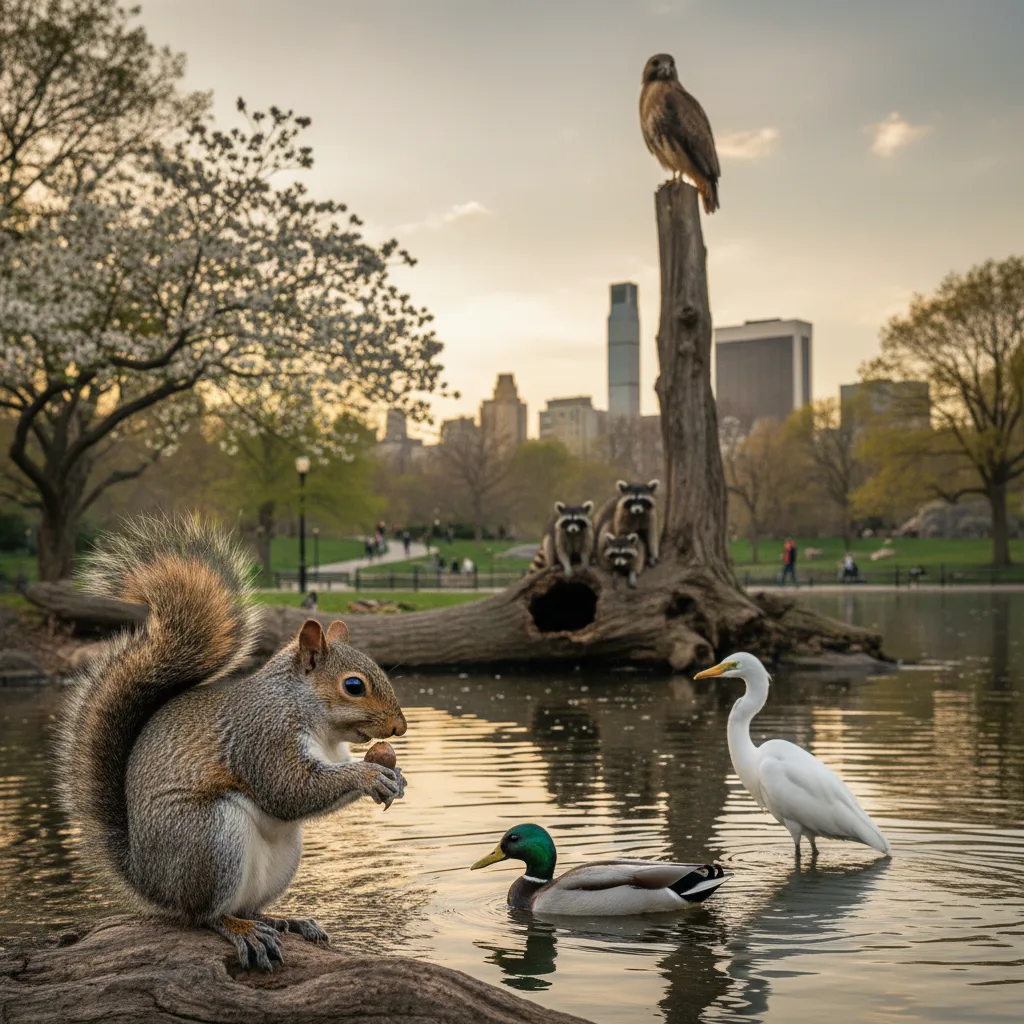
A Guide to Central Park's Wildlife: What to Know About the Park's Animals and Ecosystem
Discover the diverse Central Park wildlife, from birds and mammals to aquatic life. Learn responsible observation tips and conservation efforts for 2026.
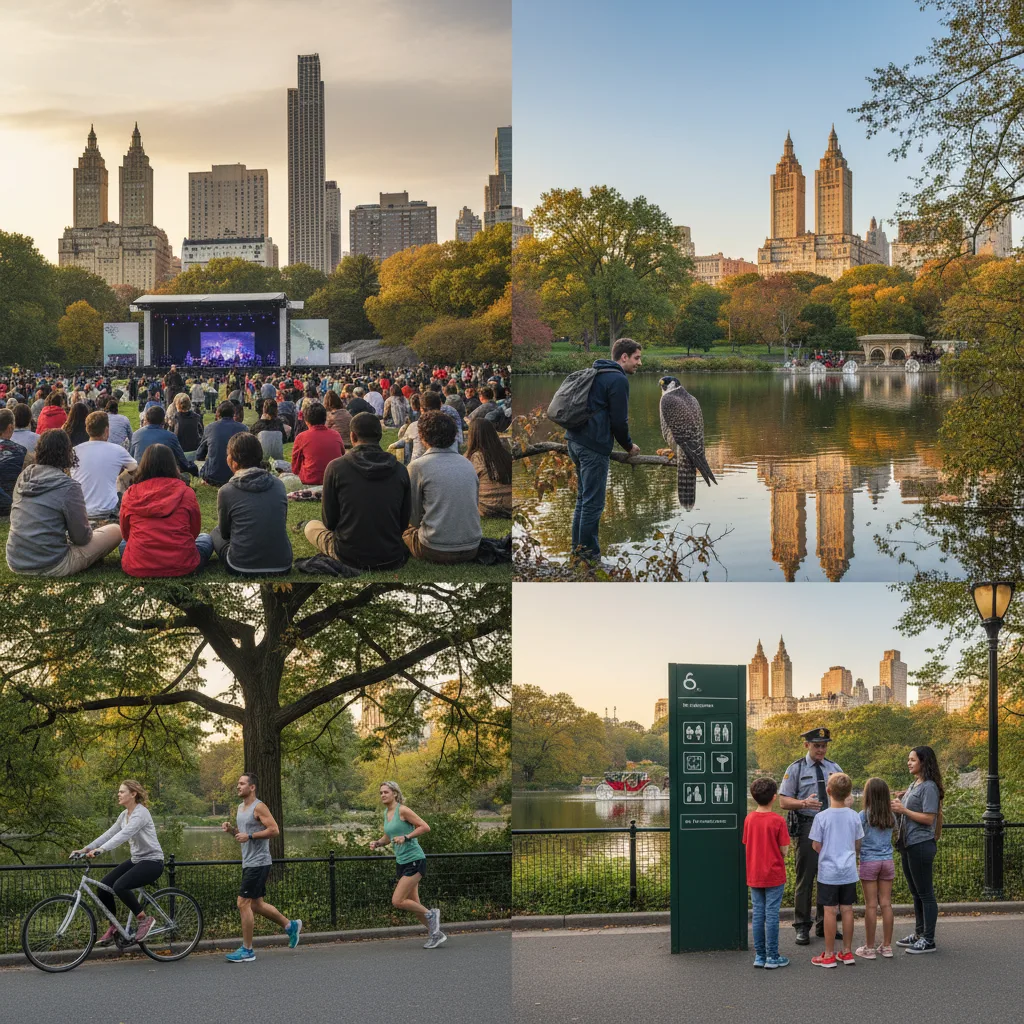
A Guide to Central Park's Top Activities and Best Things to Do in 2026
Discover the best things to do in Central Park, NYC, with our comprehensive 2026 guide to iconic landmarks, activities, and hidden gems for visitors.
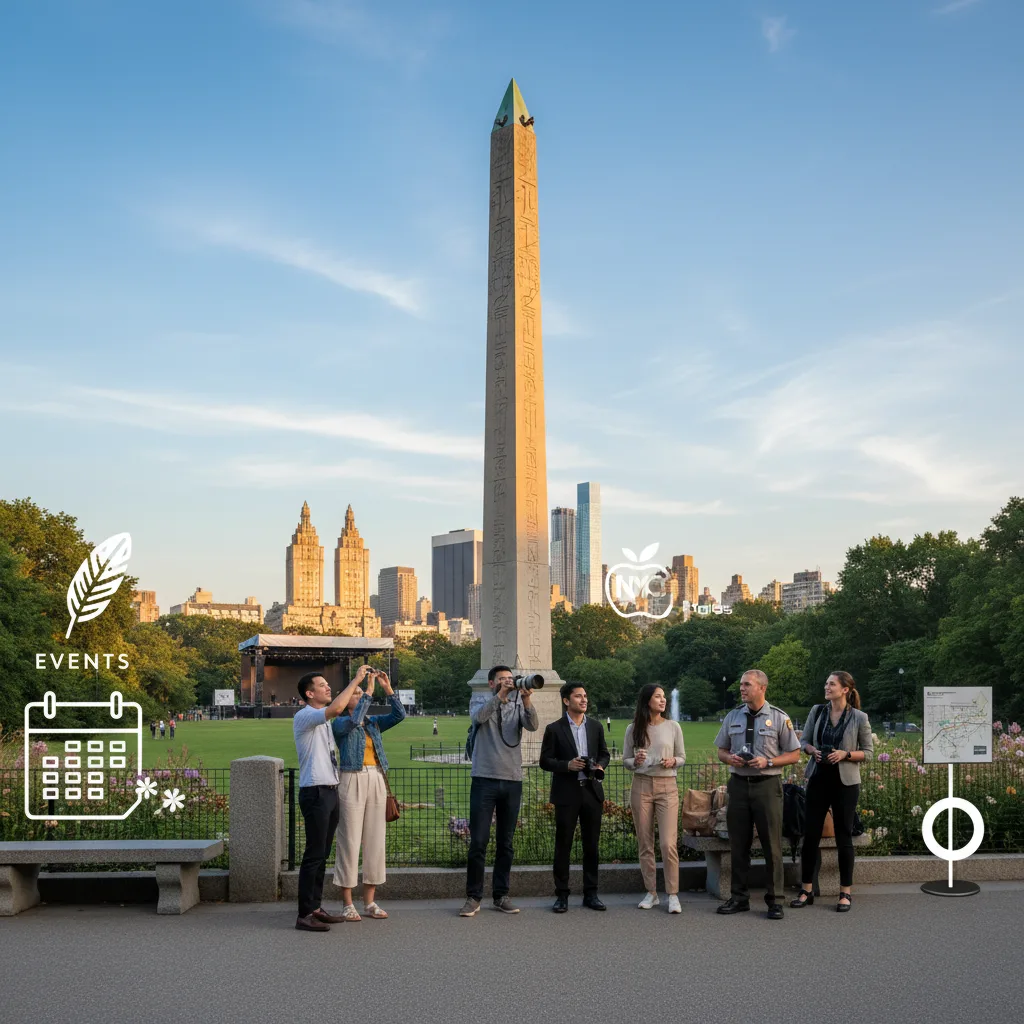
A Guide to What to Know About the Vatican Obelisk in Central Park 2026
Discover what to know about the Vatican Obelisk (Cleopatra's Needle) in Central Park, its history, journey to NYC, and where to find it in 2026.